The Discretional Drain: How Creator Commerce is Reworking UK Retail Budgets
As inflation eases, British consumers are redirecting spend previously allocated to traditional retailers towards a burgeoning ecosystem of content creators, fundamentally altering familiar purchasing patterns and posing a strategic challenge for established high-street names.

A casual scroll through TikTok in London reveals a distinct shift in consumer discovery. Recommendations for a new organic skincare brand, a bespoke jewellery maker from Brighton, or an independent bakery delivering artisanal loaves across the city often originate not from Marks & Spencer's latest campaign or an ASOS email, but from a trusted content creator. This burgeoning creator-driven economy, once considered niche, is now siphoning significant portions of discretionary spending away from conventional retail channels, forcing a re-evaluation of marketing and inventory strategies across the UK.
The phenomenon is particularly pronounced among younger demographics, although its reach is expanding. Data indicates a substantial increase in direct-to-consumer purchases influenced by social media personalities, with categories like fashion, beauty, home goods, and even specialty groceries experiencing notable impact. Where a consumer might previously have turned to Tesco for all their weekly needs, a portion of that budget is now being allocated to a farmer's market delivery service promoted by a local food blogger.
The Fading Influence of the Middleman
Traditional retail models have long thrived on the efficiency of aggregation and established brand recognition. Supermarkets like Sainsbury's and online giants such as Next benefited from being the primary gatekeepers of consumer choice. Creator commerce, however, bypasses these intermediaries. A small business in Manchester making sustainable sportswear can achieve national reach and credibility through a partnership with a well-regarded fitness influencer, without ever needing shelf space in a major department store.
This direct line to the consumer erodes the pricing power and market share of larger players. While the overall volume might seem small when considered individually, the cumulative effect of hundreds of thousands of micro-transactions, each influenced by a creator, represents a material outflow of revenue. This is particularly salient in a post-inflationary environment where consumers, though perhaps feeling less pinch on essentials, remain highly discerning about discretionary expenditure.
The implications extend beyond sales figures. Brand loyalty, once cultivated through consistent quality and advertising spend by companies like John Lewis, is now increasingly fluid. Consumers often demonstrate greater allegiance to a particular creator's curated recommendations than to a specific retailer, leading to a more fragmented and unpredictable purchasing landscape. Retailers are grappling with how to integrate this new dynamic without undermining their own established identities.
The agility of creator-led businesses presents a significant competitive advantage over the cumbersome supply chains and marketing hierarchies of many legacy retailers.
Reconfiguring Retail Strategies
In response, some UK retailers are exploring new avenues. Ocado, for instance, has always focused on convenience and a wide assortment, but the pressure to offer novel, differentiated products is mounting. Even delivery platforms like Deliveroo and Just Eat, primarily known for restaurant services, are expanding into grocery and non-food items, implicitly competing with the direct channels enabled by creators.
The challenge lies in acknowledging the shift without simply mimicking it. A genuine engagement with creators requires more than superficial sponsorships; it demands an understanding of authentic content creation and community building. Integrating creator-driven discovery into existing retail platforms, or indeed launching entirely new propositions that leverage these dynamics, will be critical for maintaining relevance in an increasingly atomised marketplace. The battle for the British consumer's pound sterling is no longer fought solely on price or convenience, but on trust and authentic connection cultivated by a new class of digital tastemakers.
News Legacy maintains editorial independence. Some recommendations may contain affiliate links. We earn from qualifying purchases at no additional cost to you. Read our policy.
Read Next

Is Sohna Really the Next Chhatarpur?
Three decades after Chhatarpur redrew South Delhi's map for space, privacy and exclusivity, a familiar pattern is now taking shape further south, and Sohna is where the smart money is beginning to look.
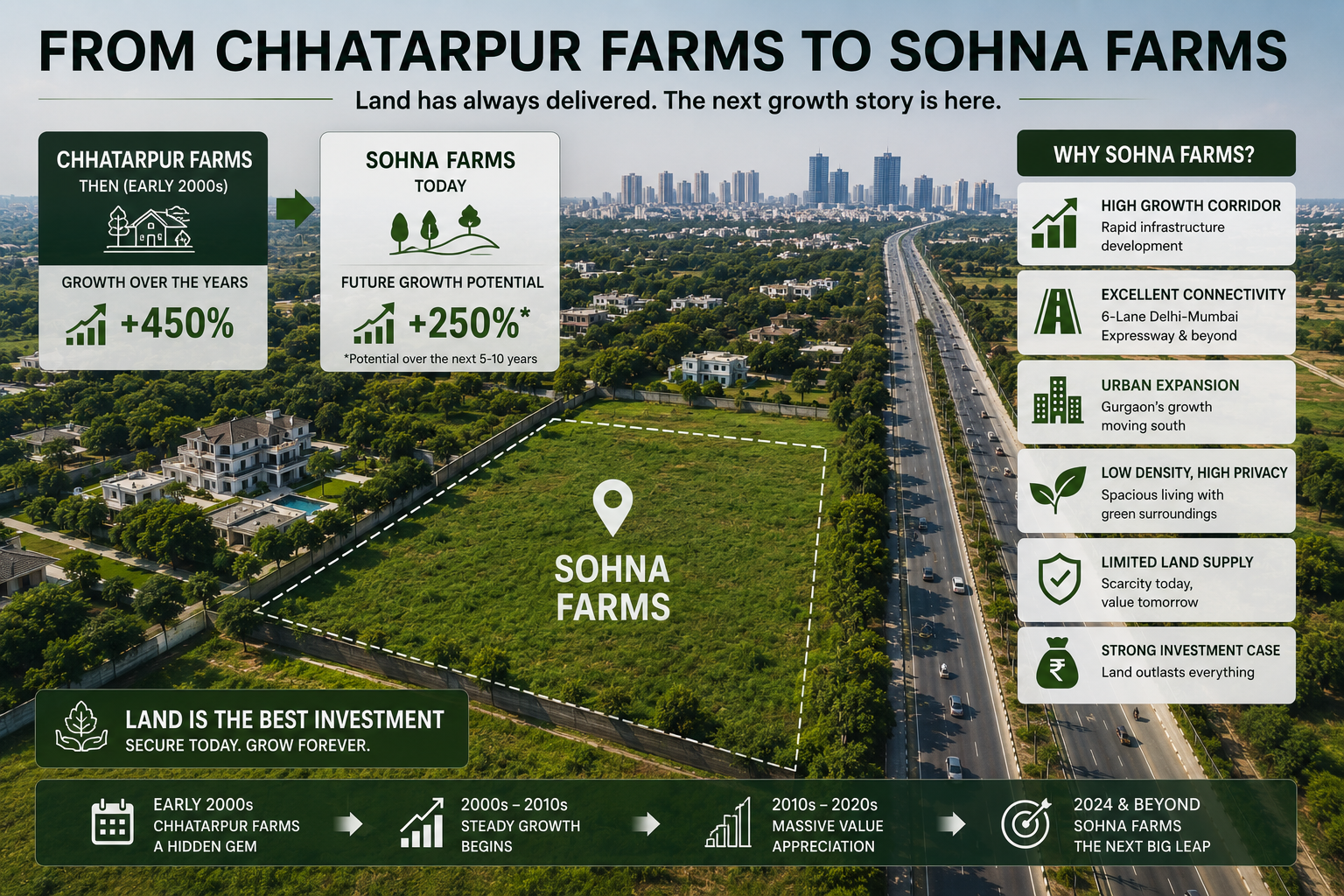
How Chhatarpur Farmhouses Created Multi-Crore Wealth for Early Buyers
What a quiet corner of South Delhi can teach investors about land, scarcity, and long-term wealth creation.
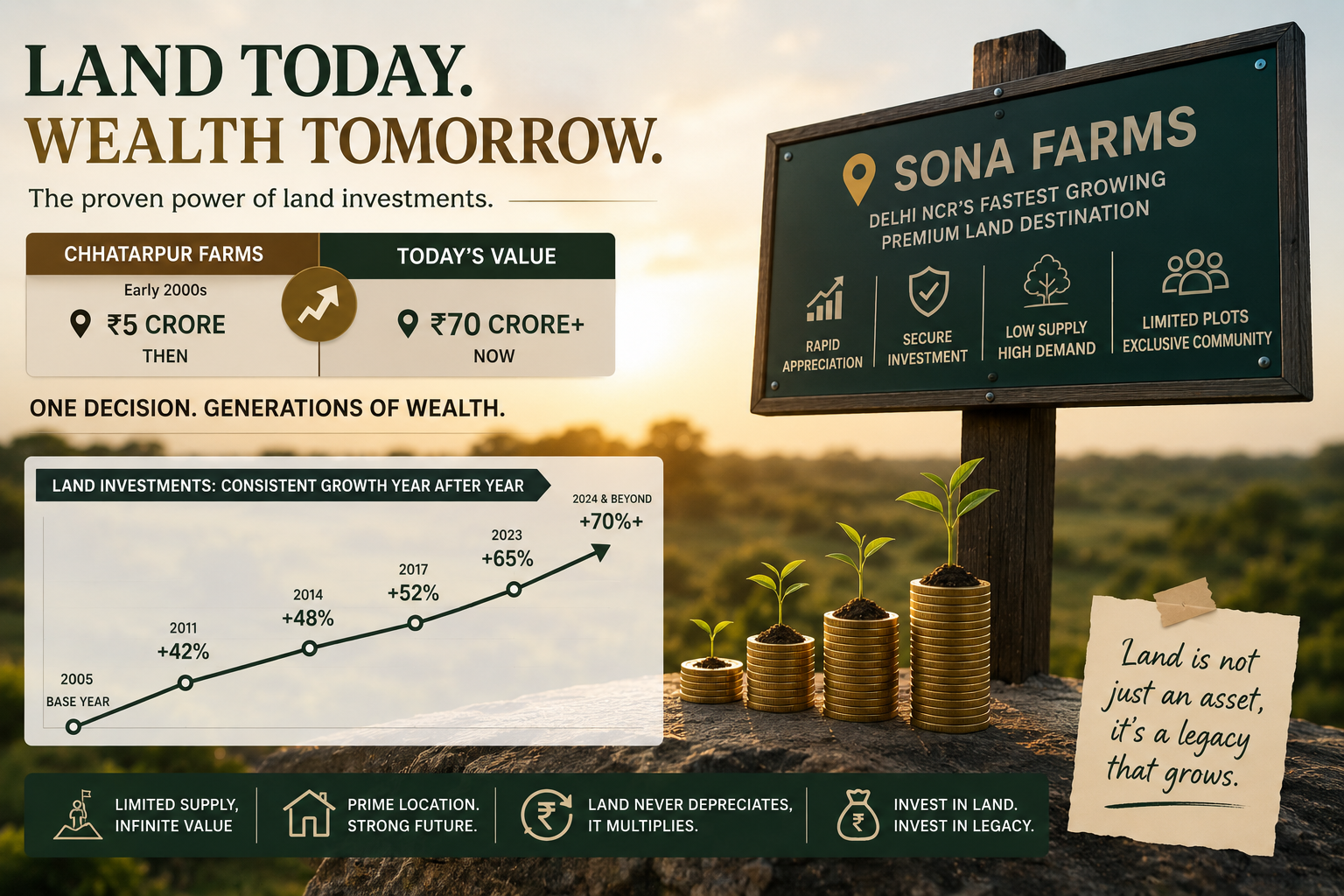
The ₹5 Crore Land Purchase That Became Worth ₹70 Crore
What the Story of DLF Chhatarpur Farms Reveals About Wealth Creation Through Premium Land Ownership
One short email. Stories you can use.
A free, occasional email from our editorial team with our latest features, explainers and reads. Unsubscribe any time — your email stays with us.