The DTC Reckoning: UK Brands Navigate a Return to Foundational Retail
After a period of rapid expansion fuelled by digital channels, direct-to-consumer brands in the United Kingdom are confronting the enduring realities of traditional retail economics and consumer behaviour shifts.

Consider the trajectory of a brand like Pact Coffee. Once celebrated for its direct-to-door subscription model, the company now prominently features its products on the shelves of Sainsbury's and Waitrose, alongside its robust online presence. This dual-channel approach exemplifies a significant pivot underway across the UK's direct-to-consumer (DTC) sector, as digital-native brands increasingly recognise the indispensability of bricks-and-mortar retail and broader distribution networks.
The initial allure of DTC lay in its promise of bypassing intermediaries, fostering direct customer relationships, and capturing higher margins. Many brands, from mattress purveyors like Emma Sleep to fashion labels, saw explosive growth during the pandemic, when digital commerce accelerated sharply. However, the economic landscape has since changed, marked by persistent inflation, elevated customer acquisition costs on digital platforms, and a more discerning consumer base tightening its purse strings.
Customer acquisition, once a relatively affordable endeavour through targeted social media advertising, has become prohibitively expensive for many DTC players. Google and Meta’s advertising rates have surged, eroding the margin advantages that direct selling once offered. A brand might now pay upwards of £50 to acquire a new customer, an expense that often negates the savings from sidestepping traditional retail mark-ups.
Physical Presence and Trust Building
For many UK consumers, particularly those outside Generation Z, physical retail remains a crucial touchpoint for discovery, immediate gratification, and trust. While online shopping offers convenience, the ability to see, touch, or try a product before purchase, or to simply pick it up while doing the weekly shop at Tesco or Asda, holds considerable sway. This reality is prompting DTC brands to re-evaluate their pure-play digital strategies and embrace a more integrated omnichannel model.
This integration is manifesting in various forms. Some brands are securing prime shelf space within major supermarkets, leveraging the footfall of established retailers. Others are pursuing wholesale agreements with department stores such as John Lewis or even participating in pop-up shops to build brand awareness and provide tangible experiences. The objective is to create multiple pathways for customer engagement, moving beyond the confines of a web browser or social media feed.
The capital investment required for this shift is substantial. Entering physical retail demands not only manufacturing at scale but also navigating complex distribution logistics, often requiring partnerships with third-party logistics providers or integrating with the supply chains of larger retailers. This can be a daunting prospect for start-ups accustomed to leaner, digital-first operations.
The notion that a purely digital model would permanently disrupt established retail distribution has been tempered by the fundamental economics of consumer habit and supply chain efficiency.
Consider the performance of online grocery services in the UK. While Ocado, Deliveroo, and Just Eat have carved out significant niches, the vast majority of food shopping still occurs in physical supermarkets. The convenience of a rapid delivery service for a forgotten item does not negate the structured weekly shop for the typical household. This pattern extends beyond groceries, suggesting that the 'last mile' for many purchases remains a physical one.
The current environment therefore necessitates a more pragmatic approach. DTC brands are recalibrating their growth expectations, prioritising sustainable profitability over unchecked expansion. This often involves reducing reliance on venture capital funding and focusing on more efficient operational models, including strategic partnerships that offer broader market access without overwhelming internal resources.
The Blended Future of Commerce
Ultimately, the evolution of the DTC landscape in the UK is not a retreat from digital, but rather a convergence. The future of commerce appears to be a blended model where a strong online presence is complemented by strategic physical distribution. Brands that successfully navigate this integration, leveraging the strengths of both digital agility and traditional retail reach, are best positioned to thrive in a more mature and competitive market.
News Legacy maintains editorial independence. Some recommendations may contain affiliate links. We earn from qualifying purchases at no additional cost to you. Read our policy.
Read Next

Is Sohna Really the Next Chhatarpur?
Three decades after Chhatarpur redrew South Delhi's map for space, privacy and exclusivity, a familiar pattern is now taking shape further south, and Sohna is where the smart money is beginning to look.
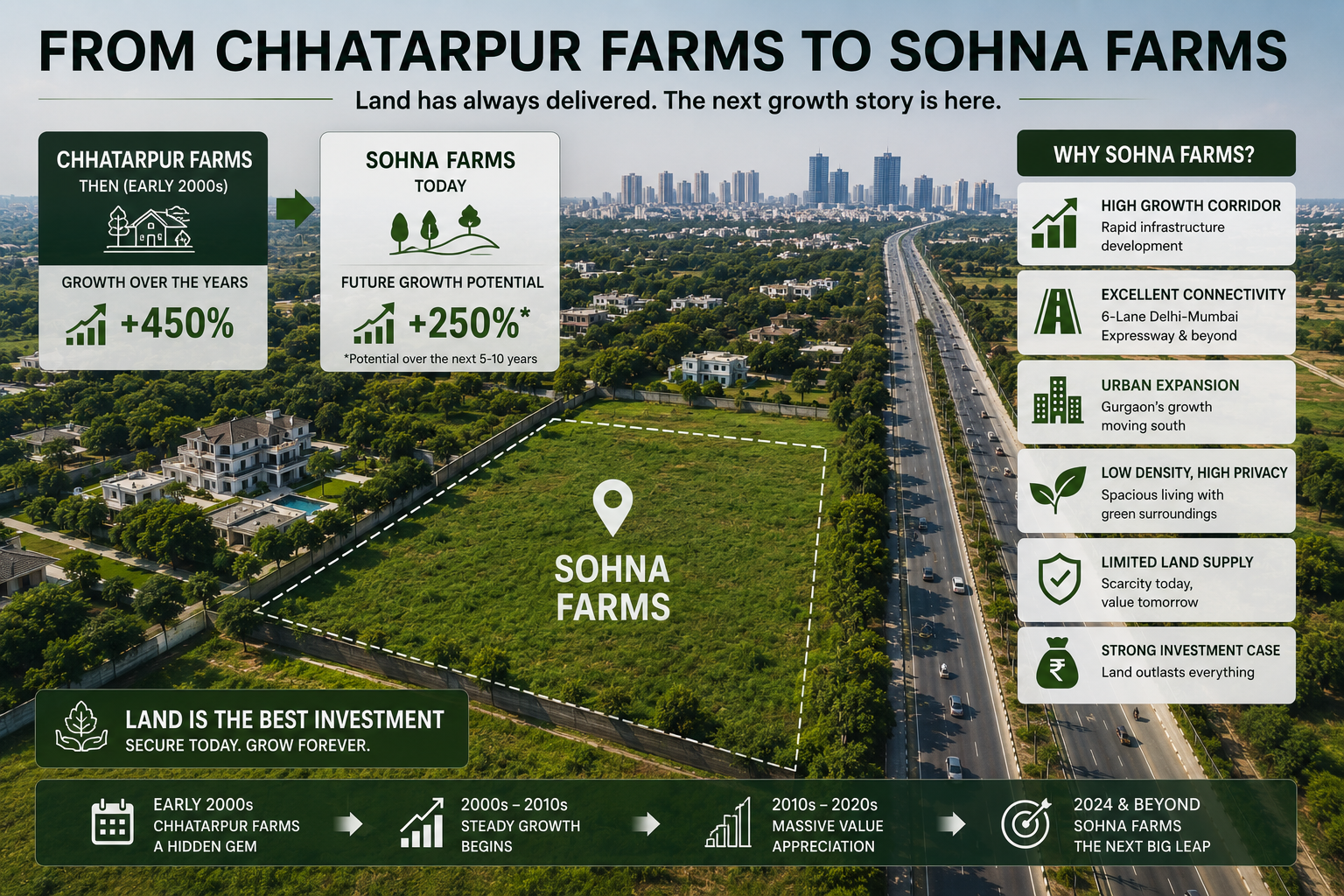
How Chhatarpur Farmhouses Created Multi-Crore Wealth for Early Buyers
What a quiet corner of South Delhi can teach investors about land, scarcity, and long-term wealth creation.
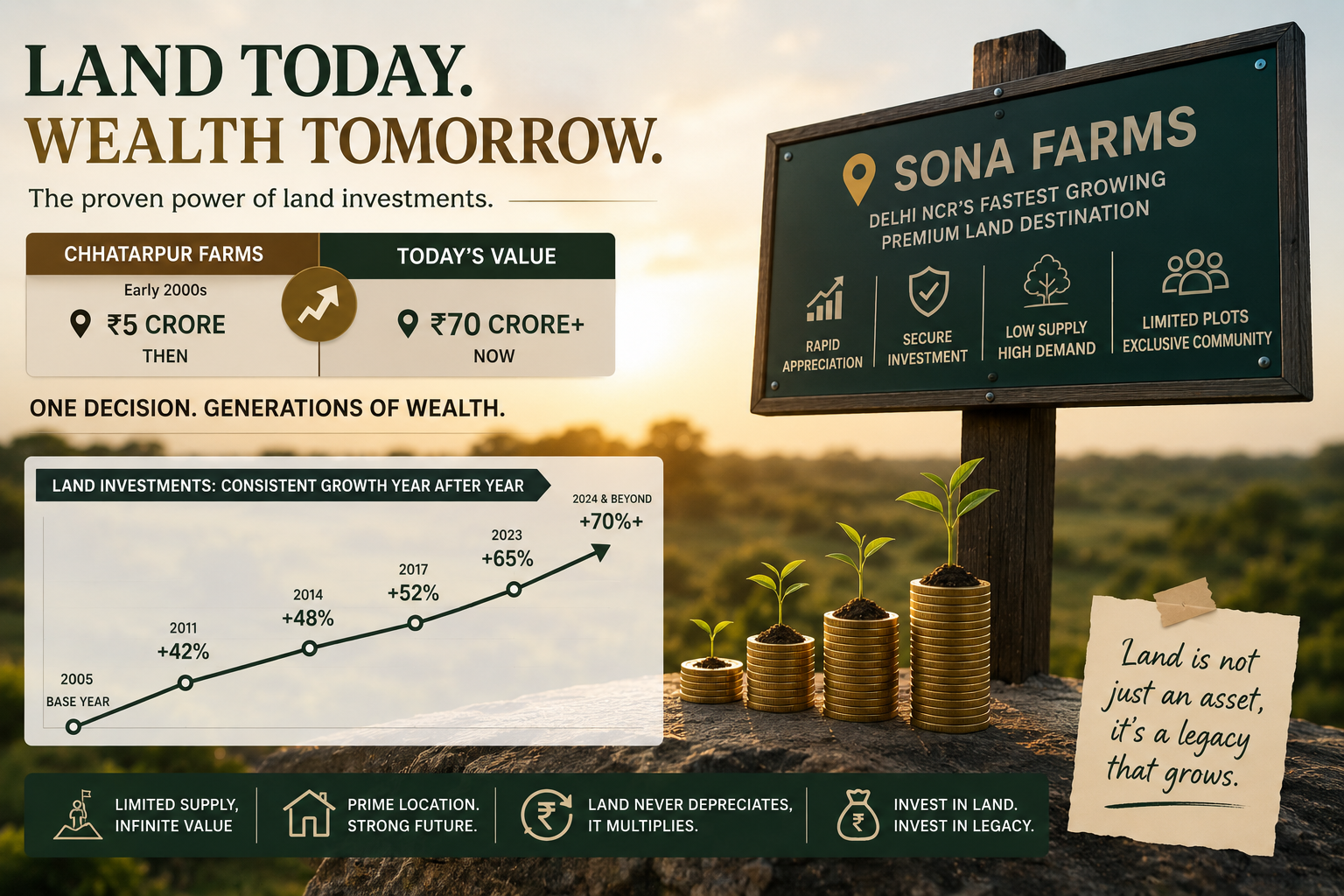
The ₹5 Crore Land Purchase That Became Worth ₹70 Crore
What the Story of DLF Chhatarpur Farms Reveals About Wealth Creation Through Premium Land Ownership
One short email. Stories you can use.
A free, occasional email from our editorial team with our latest features, explainers and reads. Unsubscribe any time — your email stays with us.