The End of Innocence for Britain's Direct-to-Consumer Brands
Early optimism for digital-first brands bypassing traditional retail channels is giving way to a more complex reality on the British high street, demanding strategic evolution for survival.

A walk through London's Covent Garden reveals a shift. Where once glossy digital-native brands like Glossier or Mejuri might have seemed to represent the future of retail, their physical footprints now coexist with, and often struggle against, the established presence of Boots or John Lewis. This evolving landscape underscores a fundamental re-evaluation facing direct-to-consumer (DTC) businesses across the United Kingdom, as the initial advantage of online-only distribution wanes and the cost of customer acquisition escalates.
The pandemic provided a temporary boon for many DTC players, as traditional retailers faced store closures and supply chain disruptions. Consumers, confined to their homes, readily explored new online options. However, as the economy has normalised and household budgets have tightened, the once-clear path for DTC success has become increasingly congested and costly. Marketing expenses, particularly for digital advertising on platforms such as Meta and Google, have risen sharply, eroding the margin benefits of a direct model.
The Pressure from All Sides
Established British retailers are not standing still. Supermarket giants like Tesco and Sainsbury's have refined their online delivery services, leveraging vast logistics networks and pre-existing customer bases. Marks & Spencer has invested heavily in its digital presence and supply chain, while fashion stalwarts such as Next and ASOS continue to dominate specific segments of the online apparel market with efficient fulfilment and returns processes. These incumbents possess an inherent advantage in brand recognition, physical reach, and often, purchasing power.
Even the pure-play online grocers, exemplified by Ocado, demonstrate the difficulty of achieving profitability at scale without a significant physical infrastructure or a compelling technological differentiator. The British consumer remains price-sensitive, and the convenience offered by quick commerce platforms like Deliveroo and Just Eat, while not direct competitors to most DTC brands, further fragments attention and spend.
The initial premise of DTC was to offer superior product, experience, and value by cutting out the middleman. While many delivered on product quality, maintaining a distinct experience and competitive pricing against a backdrop of rising operational costs has become a formidable challenge. From warehousing to last-mile delivery, the expenses associated with fulfilling individual online orders in a timely manner are substantial.
One industry analyst observes that the 'digital purity' of early DTC models often overlooked the inherent advantages of multi-channel distribution and the enduring human preference for tangible interaction with products.
Hybrid Models Emerge
Consequently, many British DTC brands are now pursuing hybrid strategies. This involves establishing physical pop-ups, opening flagship stores in high-traffic locations, or forging partnerships with established retailers. For instance, a number of digitally native beauty brands are now found within the beauty halls of Selfridges or through online portals like Cult Beauty, recognising the value of broader reach and consumer trust that these platforms provide. This move, however, comes at the cost of the 'direct' relationship and often involves accepting wholesale margins.
The capital required for sustained growth in a competitive UK market is also proving to be a significant barrier. Venture capital funding, which fuelled much of the early DTC expansion, has become more selective. Investors are now scrutinising unit economics and demonstrable paths to profitability more rigorously than in the era of rapid expansion. Brands that cannot articulate a clear strategy for enduring customer loyalty and efficient scale risk being left behind.
Success for British DTC brands in the coming years will hinge on their ability to integrate effectively into a complex retail ecosystem, balancing digital agility with strategic physical presence, all while maintaining rigorous control over costs and cultivating authentic consumer connections.
The era of effortless online growth appears to be drawing to a close, replaced by a more demanding landscape requiring nuanced strategic execution and a willingness to adapt core business models.
News Legacy maintains editorial independence. Some recommendations may contain affiliate links. We earn from qualifying purchases at no additional cost to you. Read our policy.
Read Next
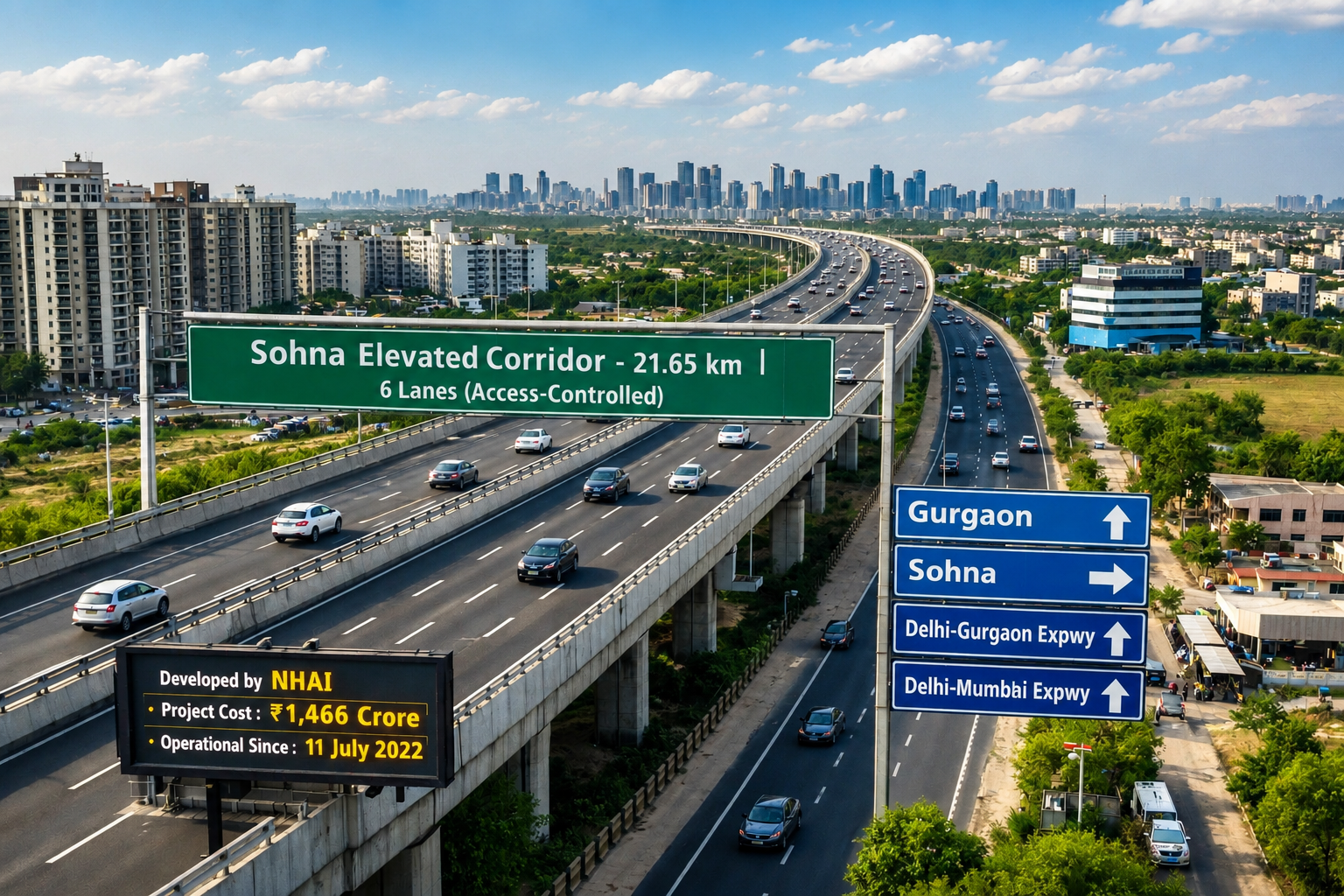
Is Sohna Really the Next Chhatarpur?
Three decades after Chhatarpur redrew South Delhi's map for space, privacy and exclusivity, a familiar pattern is now taking shape further south, and Sohna is where the smart money is beginning to look.
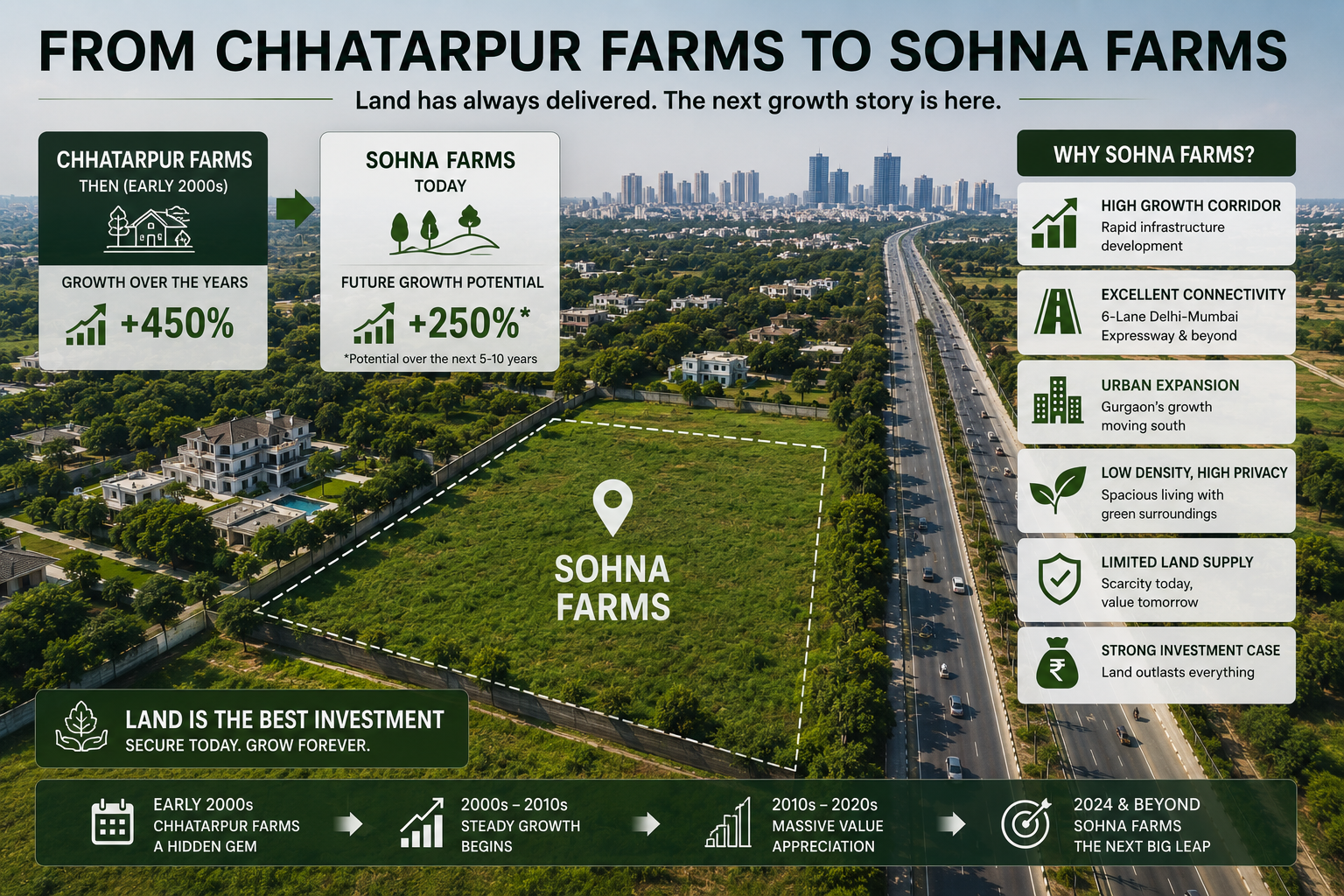
How Chhatarpur Farmhouses Created Multi-Crore Wealth for Early Buyers
What a quiet corner of South Delhi can teach investors about land, scarcity, and long-term wealth creation.
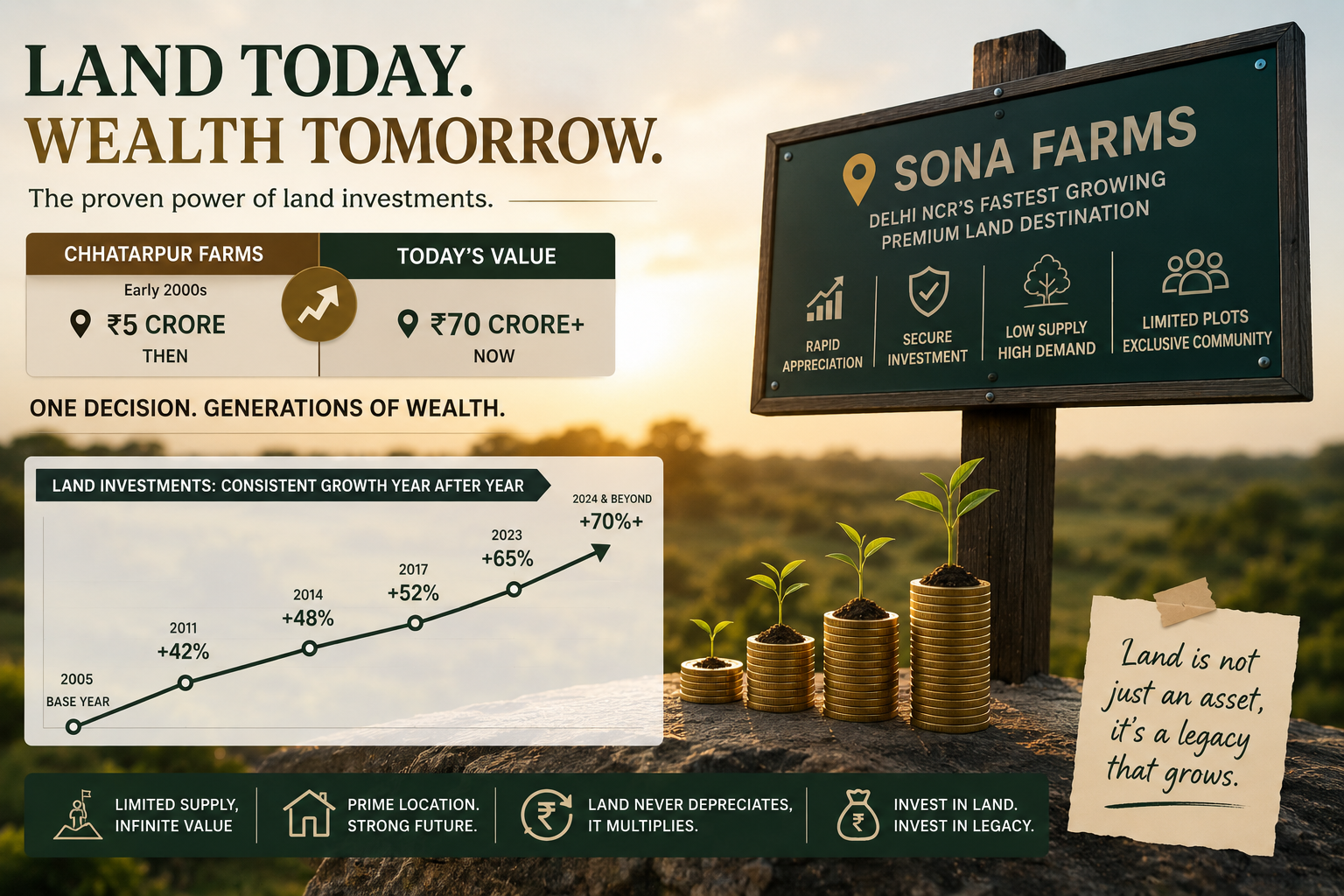
The ₹5 Crore Land Purchase That Became Worth ₹70 Crore
What the Story of DLF Chhatarpur Farms Reveals About Wealth Creation Through Premium Land Ownership
One short email. Stories you can use.
A free, occasional email from our editorial team with our latest features, explainers and reads. Unsubscribe any time — your email stays with us.