The Endcap Imperative: How Soaring Digital Acquisition Costs Forced DTC onto Big-Box Shelves
Venture-backed consumer labels once promised to disintermediate retail entirely. Today, physical distribution at Target and Costco is the only mechanism keeping their unit economics intact.

Inside a Target distribution center in Pennsylvania, pallets of canned botanical sodas and prestige barrier creams sit stacked three tiers high, ready for dispatch to regional superstores. Five years ago, the founders behind these labels treated physical retail buyers with polite indifference, insisting that high-margin direct relationships mediated by Shopify and shipped in customized pastel mailer boxes represented the future of American commerce. That conviction has evaporated. Today, those same founders spend their quarters negotiating endcap positioning, trade promotion allowances, and slotting fees alongside the legacy conglomerates they once sought to dethrone.
The retreat from pure-play direct-to-consumer distribution is not a measured brand expansion; it is an economic triage. The structural premise of the model—that eliminating the retail intermediary would leave ample margin to acquire customers online—collapsed under the combined weight of platform privacy changes, auction-based ad inflation on Meta, and escalating domestic parcel shipping surcharges. For consumer packaged goods priced beneath forty dollars, the math of single-item residential fulfillment has simply stopped working.
The Disillusionment of the Digital Storefront
Between 2017 and 2021, venture capital poured billions into digital-first personal care, beverage, and home goods startups on the assumption that customer lifetime value would comfortably outstrip initial marketing expenditures. Instead, customer acquisition costs climbed by double digits annually across major ad networks, while post-purchase repurchase rates via brand websites remained stubbornly low. The median American household rarely returns to an isolated web address to replenish deodorant or laundry sheets; it adds them to a weekly digital cart on Walmart or drops them into a physical basket during a routine run to Costco.
The standalone digital storefront, once celebrated as liberation from retail gatekeepers, merely traded landlord rent for platform ad auctions where the cost of entry increases every quarter.
By contrast, physical wholesale delivers an asset that algorithmic advertising cannot manufacture cheaply: passive foot traffic. Placing an inventory line across eighteen hundred Target locations or five hundred Walmart supercenters provides immediate geographic saturation and predictability in production volume. While wholesale contracts require parting with up to half the suggested retail price, that margin concession is fixed and legible. Digital customer acquisition, by comparison, has become a volatile tax that compounds with every incremental dollar of revenue.
Algorithmic Subsidies and the Threat of TikTok Shop
Adding urgency to this wholesale realignment is the aggressive entry of social commerce marketplaces. TikTok Shop has disrupted domestic digital storefronts by absorbing fulfillment expenses and offering steep algorithmic discounts to build market share in the United States. While early-stage beauty and supplement brands can generate sudden volume spikes on the platform, the platform captures the customer relationship, dictating pricing dynamics and leaving merchants with even thinner margins than legacy wholesale agreements demand.
Faced with an increasingly fragmented digital landscape, surviving consumer brands are restructuring their balance sheets to mirror traditional consumer packaged goods operations. Direct-to-consumer storefronts are no longer positioned as scalable growth engines, but rather as high-margin marketing laboratories used to test packaging, gauge initial product interest, and harvest customer data before pitching regional buyers. The dream of the friction-free digital bazaar has closed; the future of modern consumer goods belongs, as it largely always has, to the freight pallet and the supermarket shelf.
News Legacy maintains editorial independence. Some recommendations may contain affiliate links. We earn from qualifying purchases at no additional cost to you. Read our policy.
Read Next
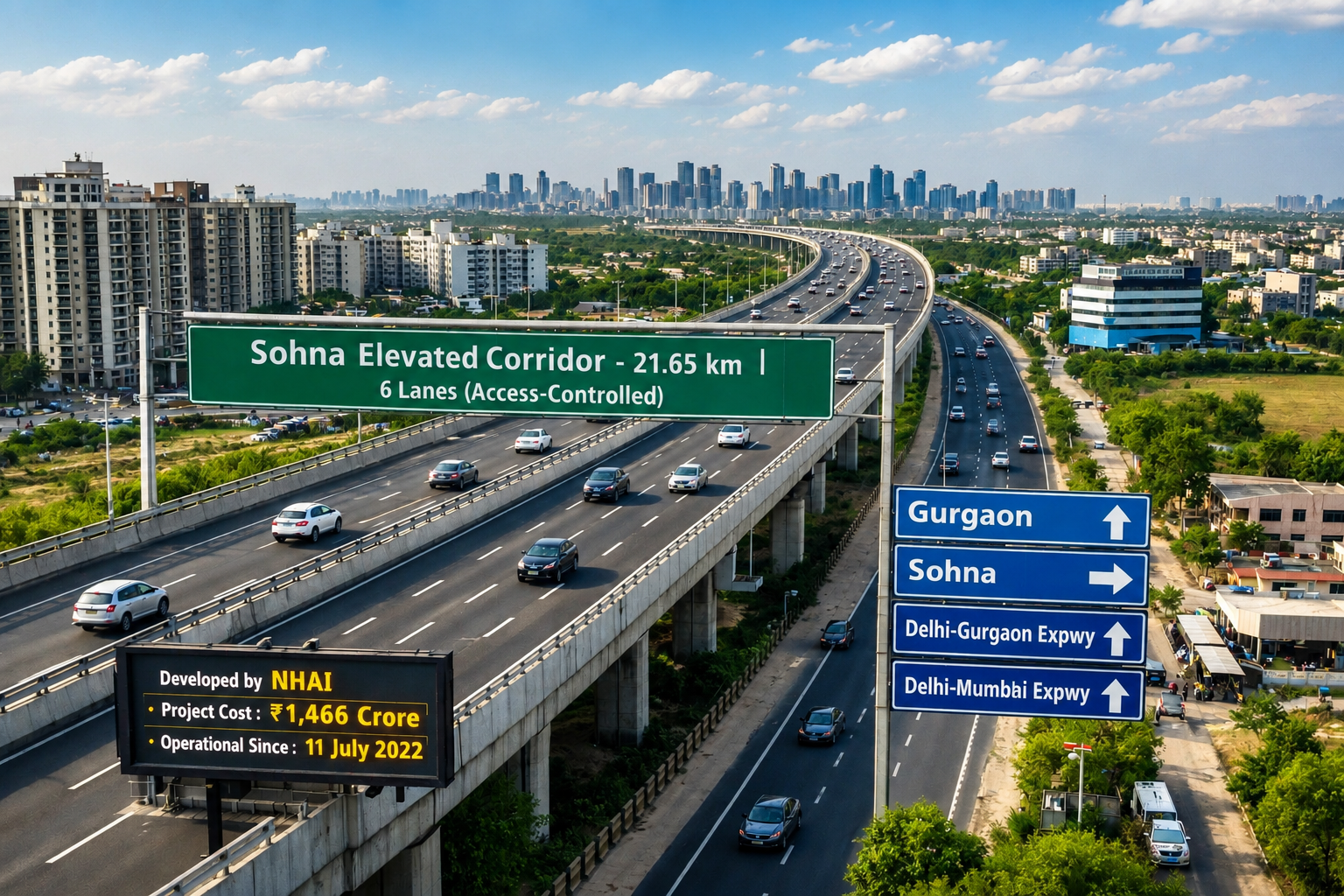
Is Sohna Really the Next Chhatarpur?
Three decades after Chhatarpur redrew South Delhi's map for space, privacy and exclusivity, a familiar pattern is now taking shape further south, and Sohna is where the smart money is beginning to look.
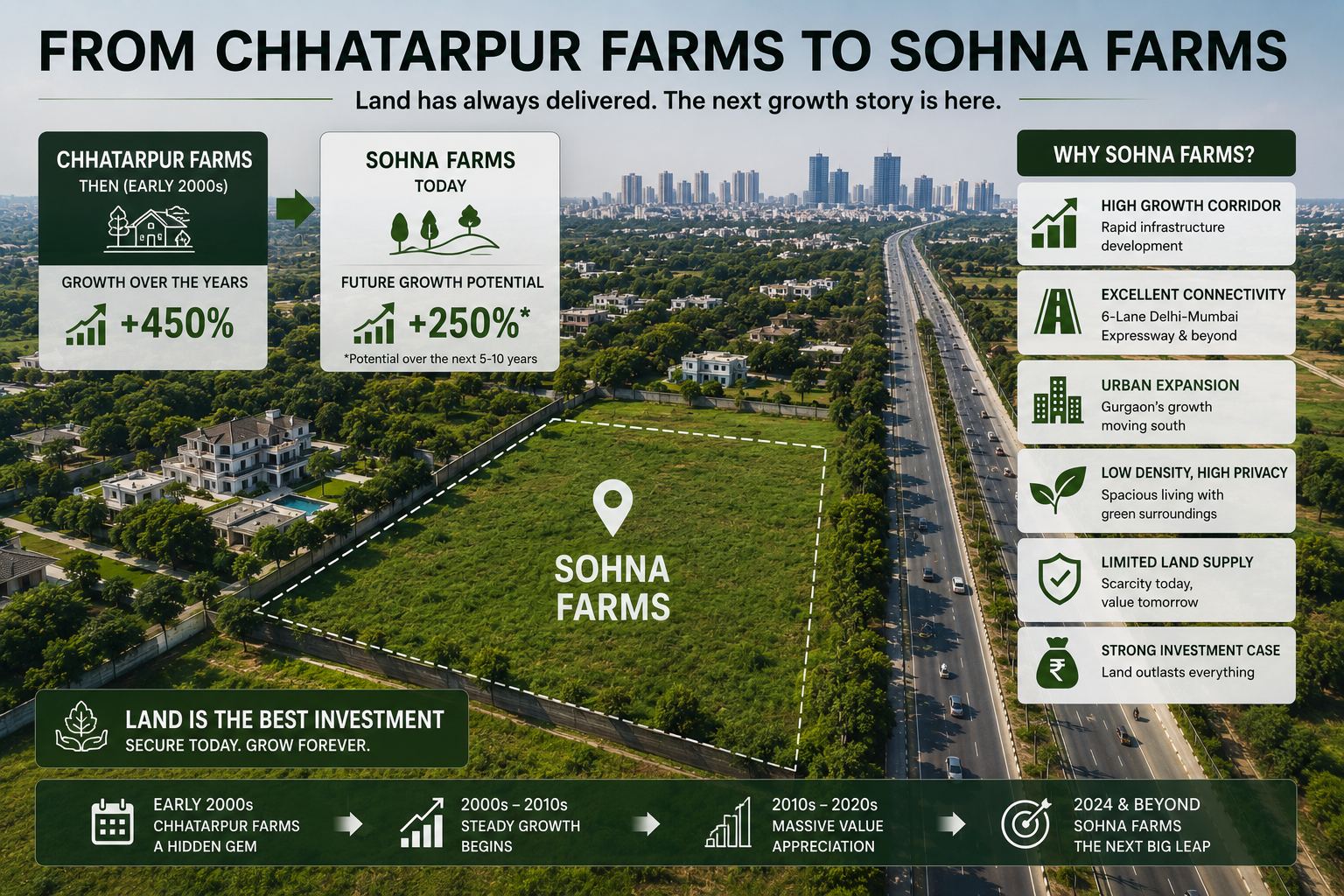
How Chhatarpur Farmhouses Created Multi-Crore Wealth for Early Buyers
What a quiet corner of South Delhi can teach investors about land, scarcity, and long-term wealth creation.
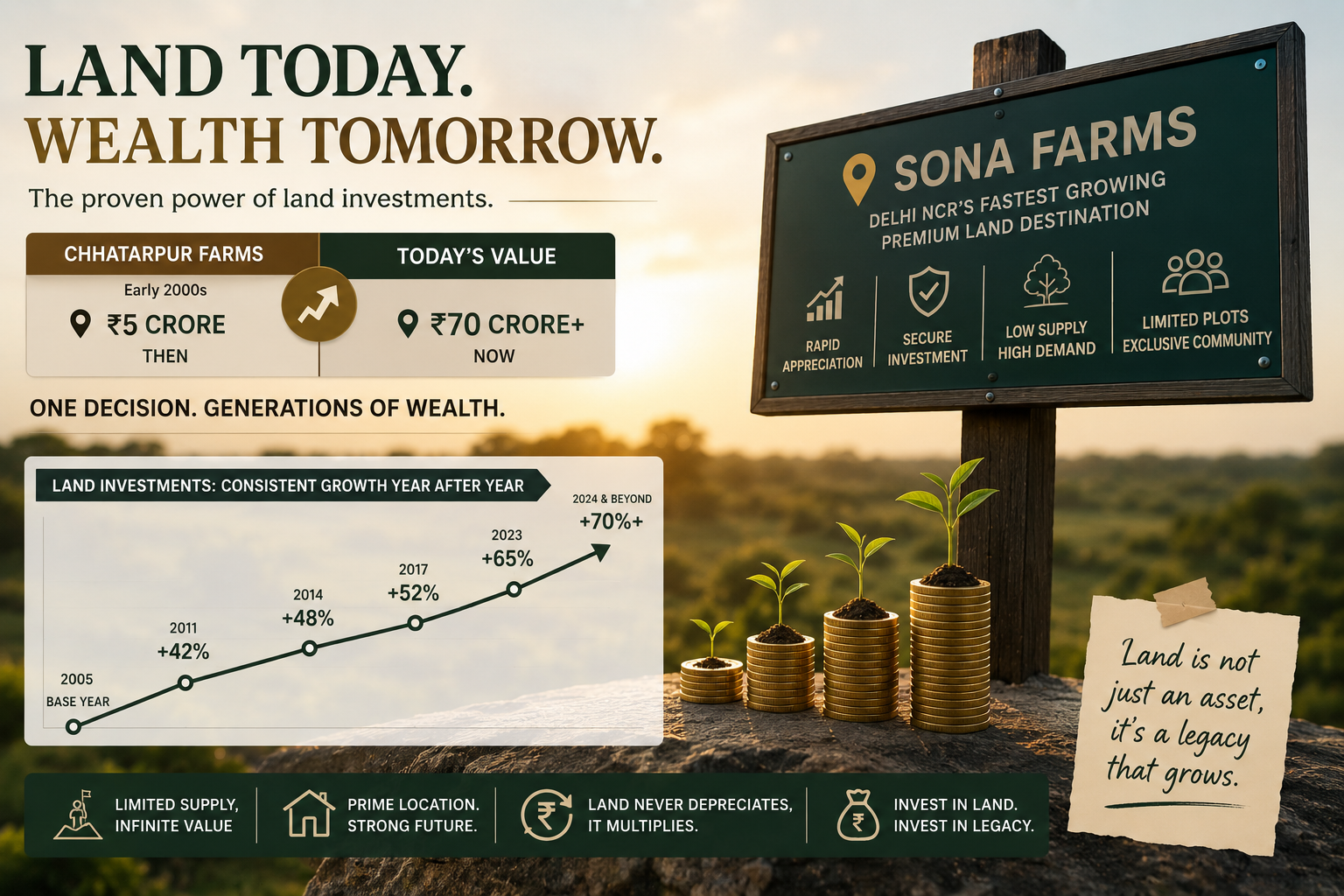
The ₹5 Crore Land Purchase That Became Worth ₹70 Crore
What the Story of DLF Chhatarpur Farms Reveals About Wealth Creation Through Premium Land Ownership
One short email. Stories you can use.
A free, occasional email from our editorial team with our latest features, explainers and reads. Unsubscribe any time — your email stays with us.