The Enduring Entrenchment of Europe's Retail Fragment
Despite a decade of digital acceleration and cross-border ambition, continental European retail remains a patchwork of national champions and distinct consumer preferences, challenging the notion of a monolithic single market.

The recent struggles of grocery rapid delivery services like Gorillas and Flink to achieve profitability across multiple European territories underscore a persistent reality: the continent's retail landscape, for all its digital evolution, retains a profound local character. While e-commerce penetration has surged, the promise of a truly harmonised European consumer market, where a single digital storefront could effortlessly serve Maastricht and Marseille, has largely eluded even the most well-funded operators.
This fragmentation is not merely a matter of language barriers or logistical complexity; it is deeply embedded in consumer behaviour, regulatory environments, and entrenched national infrastructures. Even within seemingly similar product categories, purchasing habits diverge significantly. For instance, while Vinted has seen considerable success in Germany and France for second-hand apparel, its traction in southern European markets, though growing, faced different initial adoption curves rooted in cultural shopping norms.
Local Levers and Logistical Hurdles
Large domestic players continue to dominate their home turf by a wide margin. In Poland, Allegro maintains a formidable lead in general merchandise, outstripping Amazon's market share within the country. Similarly, the Netherlands sees Bol.com as a primary online destination, reflecting a preference for familiar platforms that have integrated local payment methods and delivery expectations over many years. This pattern is replicated in grocery, where giants like Carrefour in France and REWE in Germany leverage extensive physical footprints and supply chain networks that are difficult for new entrants to dislodge.
The notion of scaling a 'European' retail offering often confronts a bewildering array of specific national compliance requirements, from data protection nuances to packaging regulations. A product sold in Italy may require different labelling specifications than an identical item destined for Sweden. These non-tariff barriers, while individually minor, accumulate to create significant overhead for cross-border operations, pushing even sophisticated digital retailers towards national rather than pan-European strategies for certain product lines.
One industry analyst observes that: "True pan-European retail scale often looks more like a federated network of strong national presences rather than a single unified operation."
Even successful pan-European platforms like Zalando, while offering a unified user experience, subtly adapt their product assortments and marketing campaigns to resonate with specific national tastes. The brand portfolio available to a customer in Helsinki might differ measurably from that presented in Lisbon, reflecting localized buying patterns and brand recognition. This bespoke approach, while effective, adds layers of complexity and cost that a truly frictionless single market would theoretically negate.
The Endurance of National Champions
The discount grocery sector offers another compelling example. Lidl and Aldi, despite their substantial international presence, operate through distinct national subsidiaries with considerable autonomy in product sourcing and promotional strategies. Their expansion has been a series of successful national conquests, rather than a single, seamless European rollout. This model acknowledges and capitalises on the varied preferences for local produce, pricing sensitivities, and even store layouts that differ across Germany, Spain, or France.
The implications for new ventures are clear: aspirations for rapid, uniform European market penetration often clash with commercial realities. Investment capital directed towards continental expansion must account for these deep-seated divergences. Building competitive advantage frequently means excelling within individual national markets, then carefully replicating and adapting that success, rather than simply extending a single digital or logistical template across diverse consumer landscapes. The continent, it seems, prefers its shopping local, even when delivered digitally.
News Legacy maintains editorial independence. Some recommendations may contain affiliate links. We earn from qualifying purchases at no additional cost to you. Read our policy.
Read Next

Is Sohna Really the Next Chhatarpur?
Three decades after Chhatarpur redrew South Delhi's map for space, privacy and exclusivity, a familiar pattern is now taking shape further south, and Sohna is where the smart money is beginning to look.
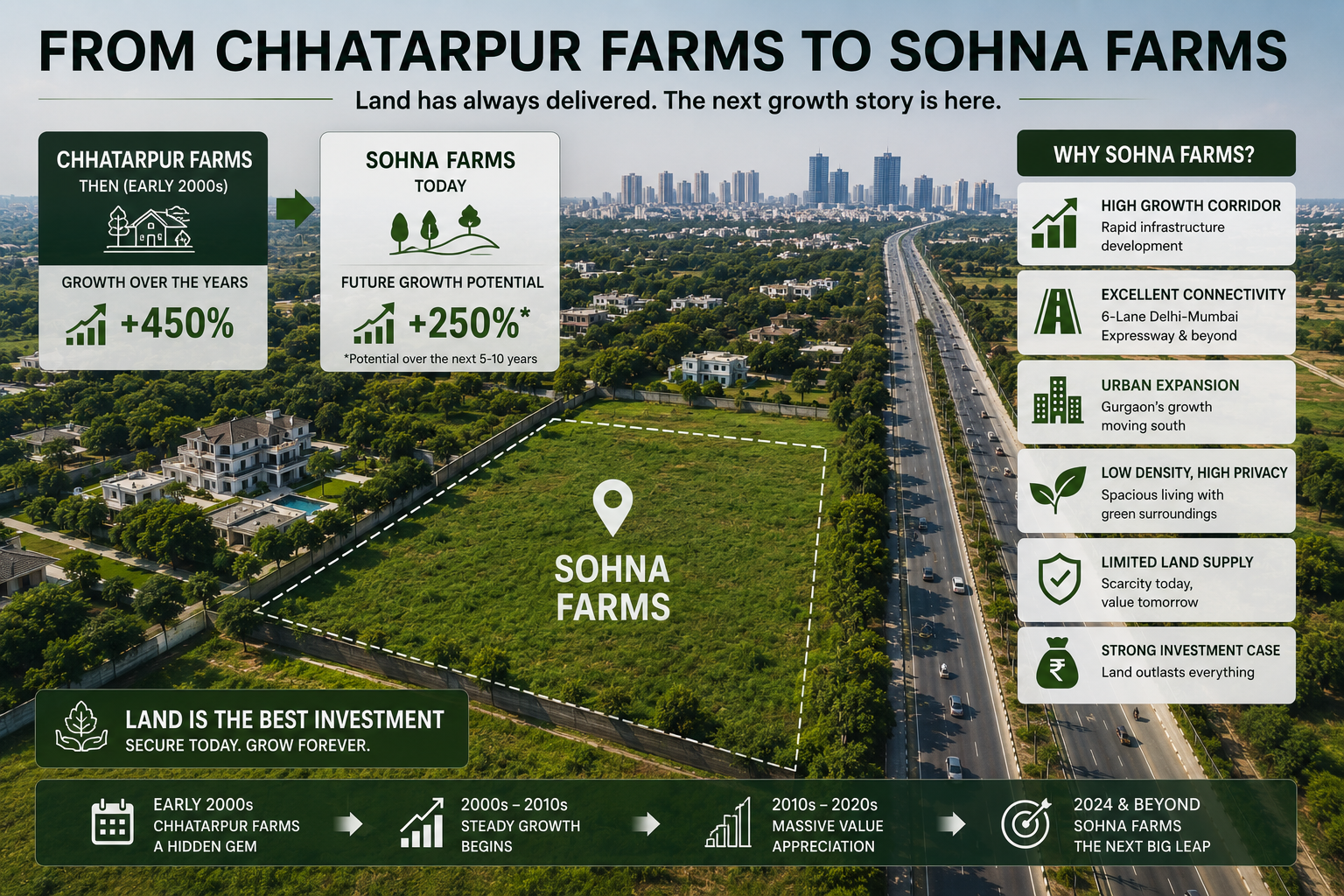
How Chhatarpur Farmhouses Created Multi-Crore Wealth for Early Buyers
What a quiet corner of South Delhi can teach investors about land, scarcity, and long-term wealth creation.
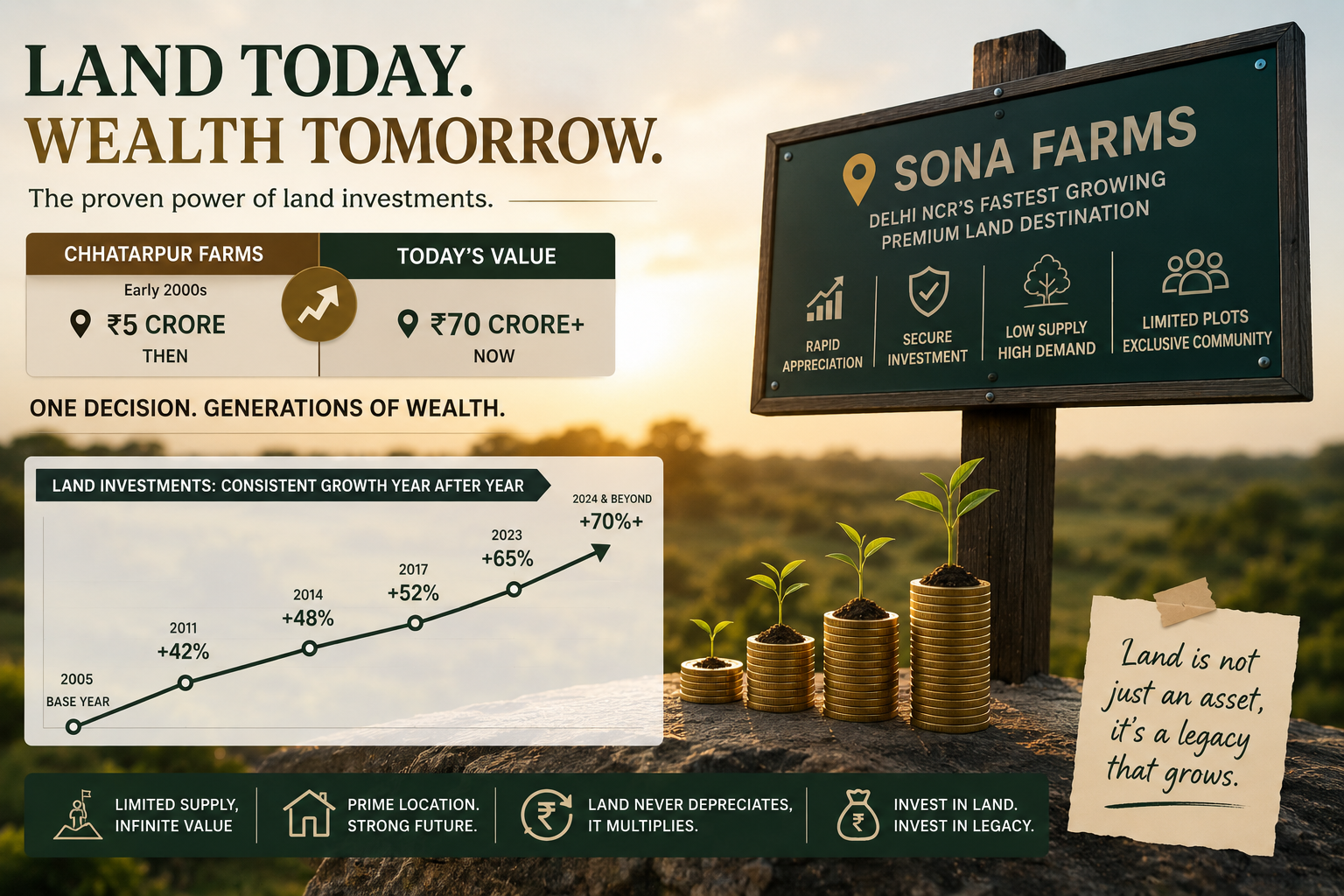
The ₹5 Crore Land Purchase That Became Worth ₹70 Crore
What the Story of DLF Chhatarpur Farms Reveals About Wealth Creation Through Premium Land Ownership
One short email. Stories you can use.
A free, occasional email from our editorial team with our latest features, explainers and reads. Unsubscribe any time — your email stays with us.