The Enduring High Street: How British Retailers Are Reinventing Physical Space Amid Digital Dominance
Despite the relentless growth of online commerce and persistent economic headwinds, certain British retailers are demonstrating the continued strategic value of their physical store footprints, moving beyond mere transaction to foster experiential engagement.

A recent visit to a newly refurbished Marks & Spencer in West London reveals a retail strategy in motion: not merely racks of clothing and food, but integrated cafes, enhanced beauty sections, and dedicated spaces for product discovery. This transformation underscores a broader recalibration among UK high street stalwarts, which are increasingly viewing their physical assets not as liabilities in an e-commerce age, but as critical components of a multi-channel ecosystem designed to deepen customer relationships.
For years, narratives surrounding British retail have focused on the demise of the high street, punctuated by closures and the ascendancy of pure-play online entities like ASOS. While the structural shift towards digital channels remains undeniable—online retail penetration in the UK consistently hovers above 25%—the most resilient players are those that have embraced a synergistic approach. The challenge lies in integrating the tangible and intangible, making a physical visit compelling enough to justify the journey.
Tesco and Sainsbury's, for instance, continue to invest significantly in their larger format stores, not just for grocery sales but for expanded general merchandise offerings and in-store services. This diversification aims to enhance basket size and consolidate customer trips, directly countering the fragmentation often associated with online purchasing. The strategic placement of click-and-collect points within these larger stores further blurs the lines between digital ordering and physical fulfilment.
The Experiential Imperative
The emphasis has shifted from transactional efficiency to experiential richness. Next, known for its extensive catalogue and clothing lines, has been selectively upgrading stores to include more engaging displays and improved customer service touchpoints. These initiatives recognise that for many consumers, shopping remains a social or leisure activity, something a purely digital interface cannot replicate. The physical store, therefore, becomes a brand ambassador, a place for interaction and discovery, not just purchase.
One industry analyst observes that: "The most effective retail strategies today recognise that digital convenience solves a need, but physical presence often provides the desire. The art is in connecting these two points seamlessly."
Even as delivery services like Deliveroo and Just Eat continue to expand the reach of restaurant and convenience retail directly to consumers' doors, the underlying value of a well-located physical presence for brand visibility and immediate gratification persists. Ocado, while an online grocery pioneer, has also demonstrated the logistical complexities and capital intensity required to scale without a traditional store network, highlighting the latent advantages of existing physical infrastructure for hybrid models.
Navigating Economic Headwinds
The ongoing cost-of-living crisis and persistent inflationary pressures present an undeniable challenge to consumer spending across all channels. Yet, this economic backdrop can also sharpen strategic focus. Retailers are compelled to ensure every square foot of their physical estate works harder, justifying its existence through elevated sales, enhanced brand loyalty, or improved operational efficiency such as acting as local fulfilment hubs for online orders.
The investment in store refurbishment, technology integration for inventory management, and staff training reflects a long-term commitment. Rather than a wholesale abandonment of physical retail, we are witnessing a deliberate reimagining of its purpose within a broader commercial landscape. The high street, therefore, is not dying, but evolving into a more nuanced and strategically vital component of retail success.
News Legacy maintains editorial independence. Some recommendations may contain affiliate links. We earn from qualifying purchases at no additional cost to you. Read our policy.
Read Next
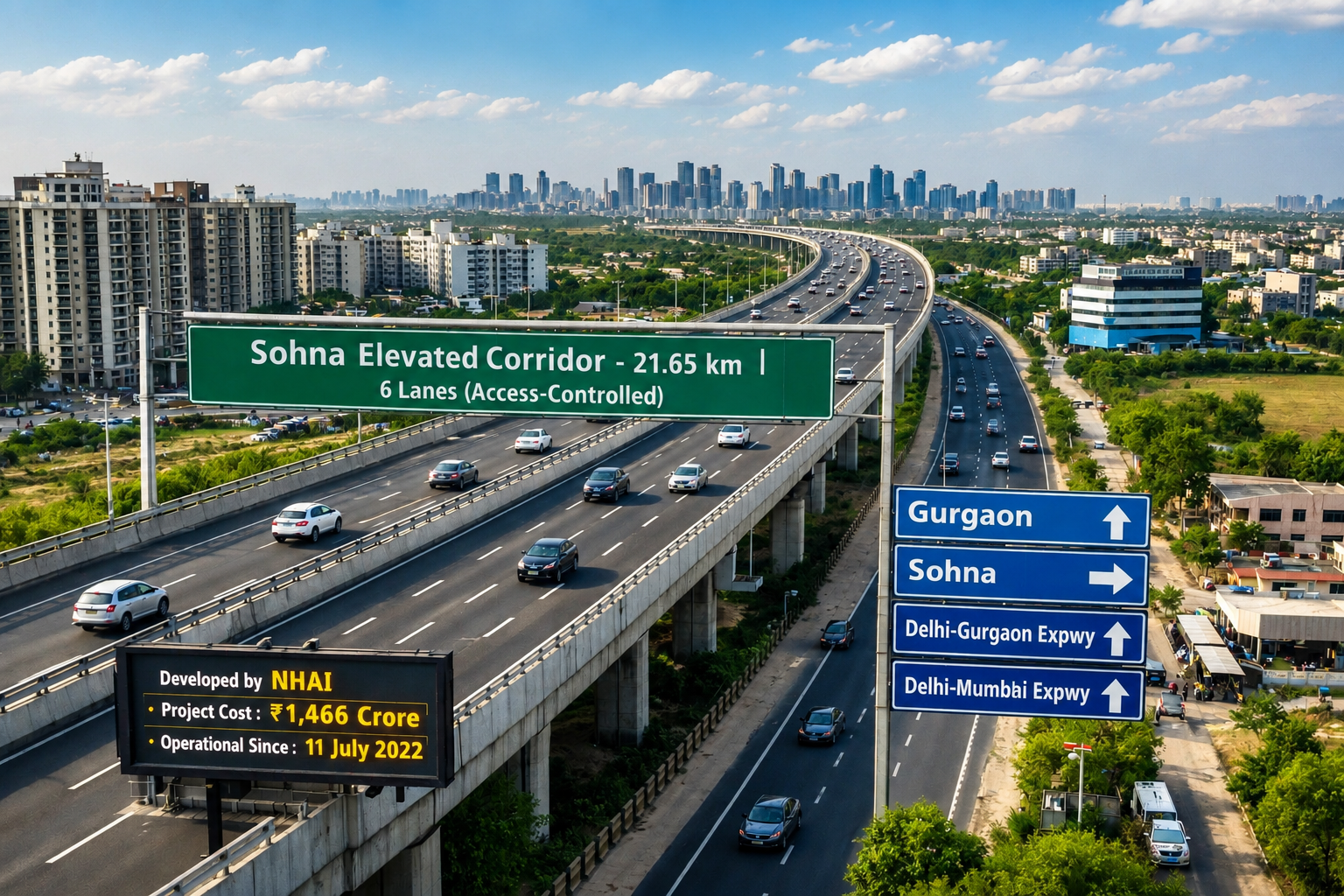
Is Sohna Really the Next Chhatarpur?
Three decades after Chhatarpur redrew South Delhi's map for space, privacy and exclusivity, a familiar pattern is now taking shape further south, and Sohna is where the smart money is beginning to look.
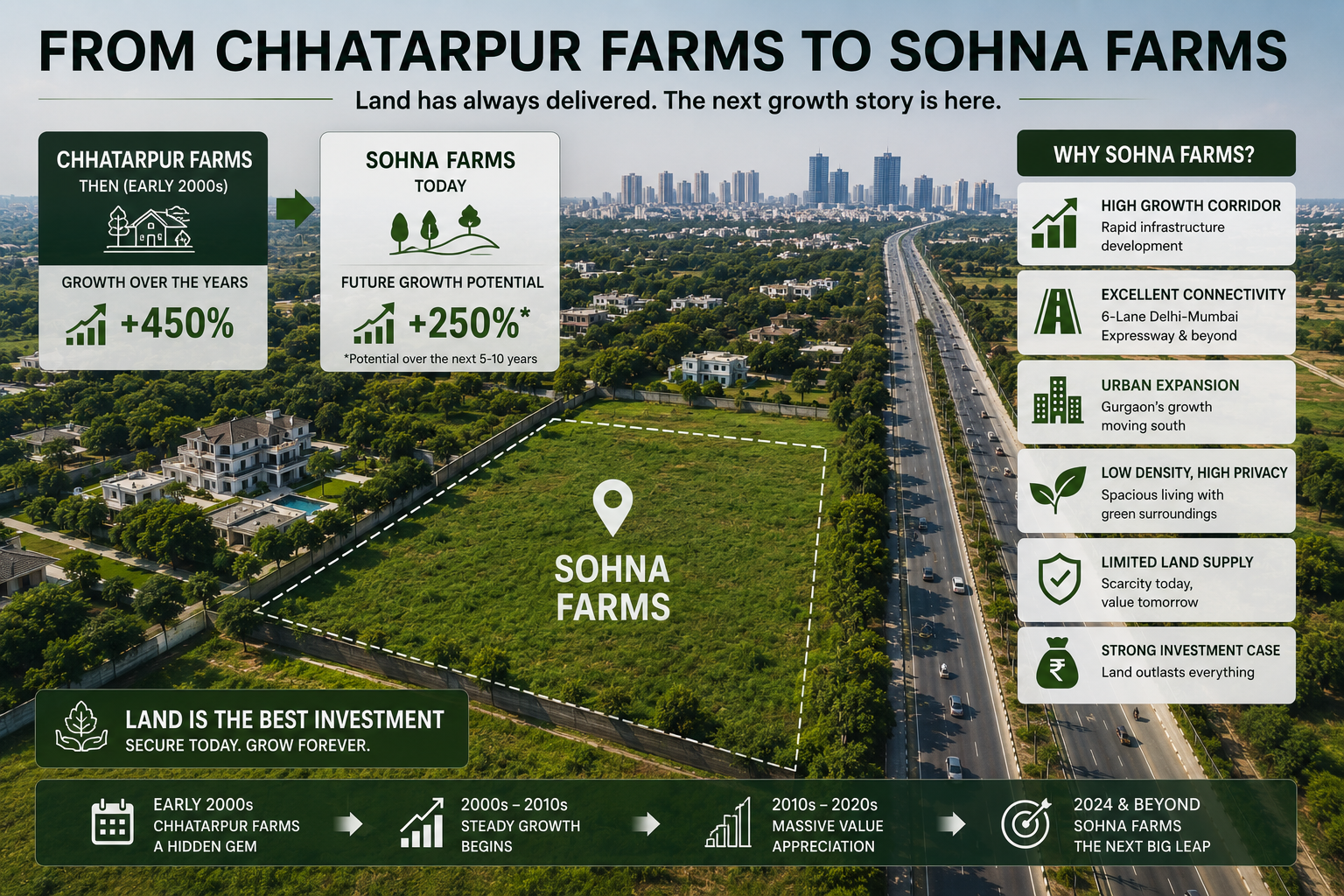
How Chhatarpur Farmhouses Created Multi-Crore Wealth for Early Buyers
What a quiet corner of South Delhi can teach investors about land, scarcity, and long-term wealth creation.
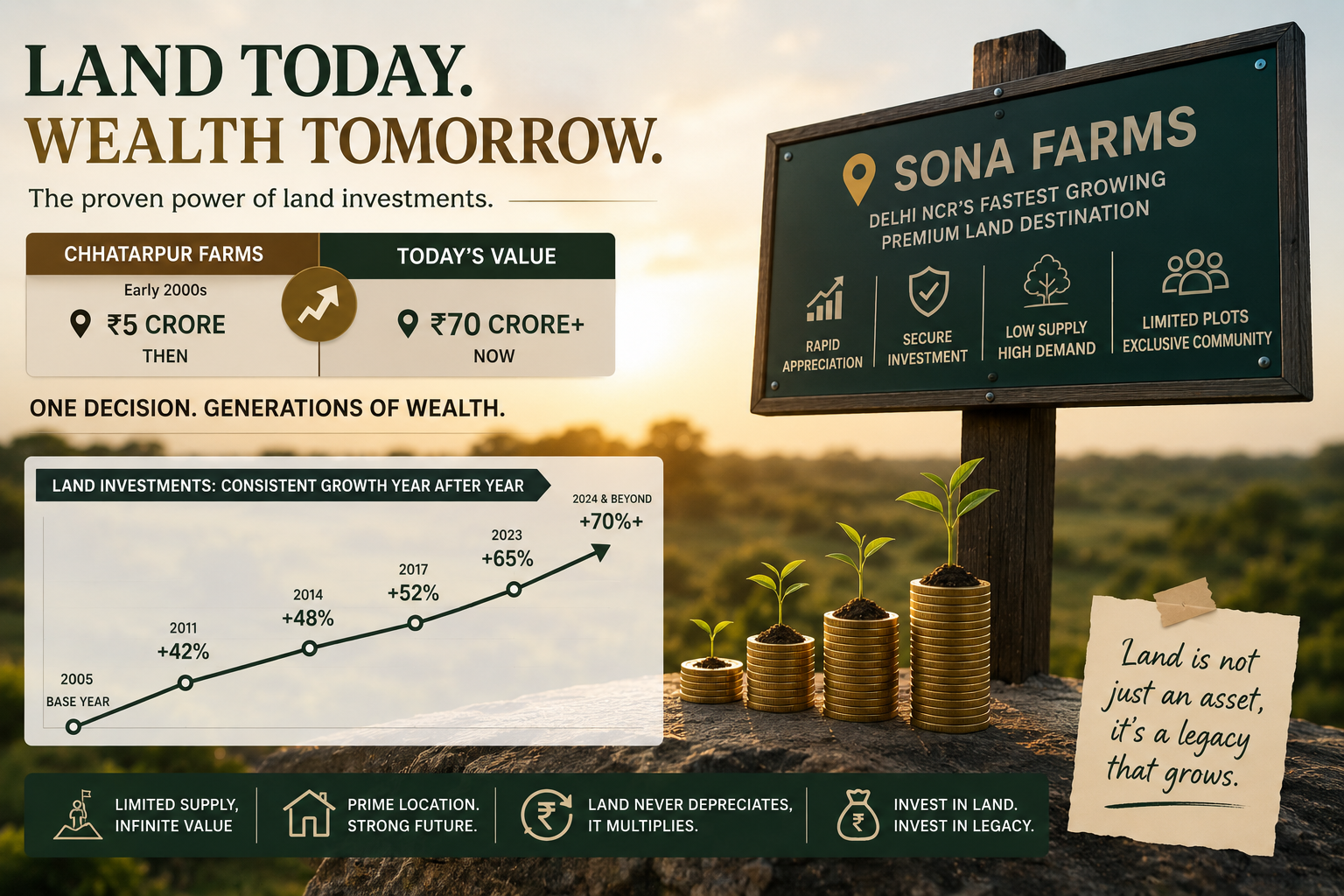
The ₹5 Crore Land Purchase That Became Worth ₹70 Crore
What the Story of DLF Chhatarpur Farms Reveals About Wealth Creation Through Premium Land Ownership
One short email. Stories you can use.
A free, occasional email from our editorial team with our latest features, explainers and reads. Unsubscribe any time — your email stays with us.