The Enduring High Street, Or Just A Respite?
Recent trading updates from British retailers suggest a surprising resilience in physical stores, challenging the long-held narrative of an accelerating digital exodus. The true test of this shift will determine the future investment landscape for consumer-facing businesses.

Marks & Spencer's latest trading statement offered a rare moment of optimism for the UK high street, reporting a robust 4.8% increase in clothing and home sales in the final quarter of 2023, largely driven by in-store performance. This figure, alongside encouraging footfall metrics from other bellwether retailers, prompts a re-evaluation of the prevailing belief that the physical retail channel is in terminal decline. The pandemic accelerated digital adoption, but the subsequent return to pre-pandemic routines appears to have tempered this trajectory, at least for now.
For years, analysts have pointed to the relentless march of e-commerce, predicting the eventual obsolescence of brick-and-mortar retail outside of specific luxury or experiential niches. Companies like ASOS and Boohoo epitomised the pure-play online model, demonstrating rapid growth and market disruption. Yet, even these digital natives have faced headwinds, with ASOS reporting a 14% decline in sales in its latest update, signalling a more complex and competitive landscape.
The Cost-of-Living Imperative
One significant factor underpinning the high street's current performance is the persistent cost-of-living crisis. Consumers, facing elevated inflation and stagnant real wages, are increasingly scrutinising purchases and seeking value. This often translates to a preference for in-person shopping, where they can physically inspect goods, compare prices more easily, and avoid delivery charges. Tesco and Sainsbury's have both highlighted the continued strength of their large format stores, suggesting that the weekly supermarket shop remains a core physical interaction for many households, despite the growth of Ocado and rapid delivery services like Deliveroo and Just Eat.
The convenience factor, once solely the domain of e-commerce, is also being re-evaluated. Supply chain disruptions and the perceived hassle of returns have made the immediate gratification of an in-store purchase more appealing for certain categories. Next, for example, has successfully leveraged its extensive store network for click-and-collect services, blurring the lines between online and offline channels to its advantage.
The notion of consumer behaviour as a linear progression towards digital-only interactions overlooks the fundamental human desire for tangible experiences and immediate gratification, especially when economic pressures heighten the need for considered purchases.
This does not, however, signal a reversal of the digital trend, but rather a normalisation. While online penetration remains significantly higher than pre-2020 levels, its rate of growth has decelerated. The latest ONS data shows that online sales accounted for 27.6% of all retail sales in December 2023, a slight decrease from the previous year, suggesting a plateau rather than continued exponential expansion.
Investment Implications Ahead
The implications for retail investment and strategy are considerable. Companies that divested heavily from their physical footprints might now be reconsidering their long-term property strategies. Conversely, pure-play online retailers face renewed pressure to differentiate themselves beyond just price and convenience, potentially exploring physical pop-ups or partnerships to capture a broader customer base. The 'omnichannel' buzzword, often interpreted as merely having an online presence, now demands a more sophisticated integration of digital and physical assets, where each complements the other rather than competing directly.
Ultimately, the current buoyancy of the high street may represent a temporary adjustment in consumer habits driven by economic headwinds and a post-pandemic recalibration. The fundamental advantages of e-commerce – broader selection, price transparency, and unparalleled convenience for many – will continue to exert influence. Yet, the recent data offers a compelling counter-narrative, suggesting that the obituary for physical retail was perhaps written prematurely. The coming years will reveal whether this is a genuine resurgence or merely a pause in a longer-term structural shift.
News Legacy maintains editorial independence. Some recommendations may contain affiliate links. We earn from qualifying purchases at no additional cost to you. Read our policy.
Read Next

Is Sohna Really the Next Chhatarpur?
Three decades after Chhatarpur redrew South Delhi's map for space, privacy and exclusivity, a familiar pattern is now taking shape further south, and Sohna is where the smart money is beginning to look.

How Chhatarpur Farmhouses Created Multi-Crore Wealth for Early Buyers
What a quiet corner of South Delhi can teach investors about land, scarcity, and long-term wealth creation.
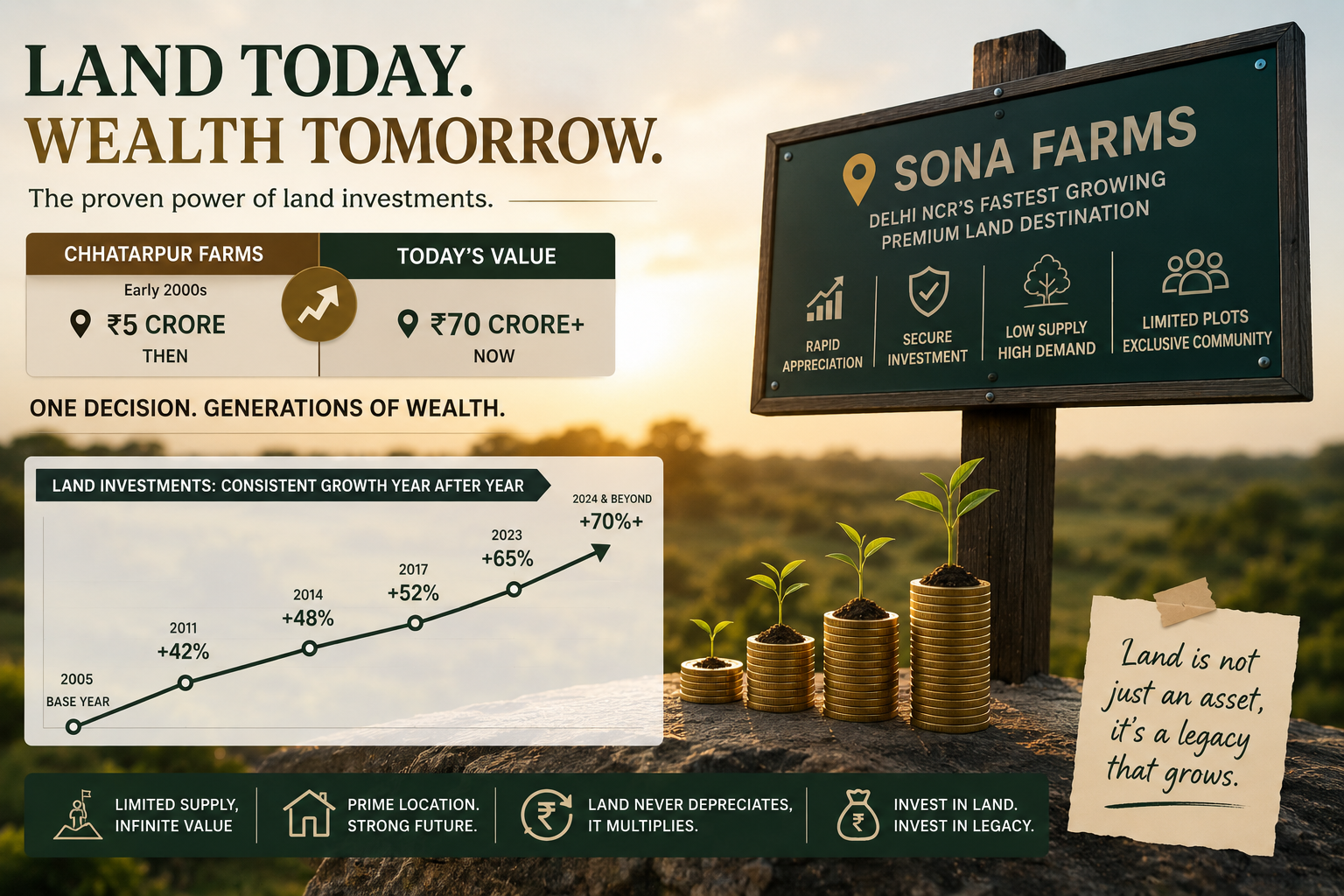
The ₹5 Crore Land Purchase That Became Worth ₹70 Crore
What the Story of DLF Chhatarpur Farms Reveals About Wealth Creation Through Premium Land Ownership
One short email. Stories you can use.
A free, occasional email from our editorial team with our latest features, explainers and reads. Unsubscribe any time — your email stays with us.