The Enduring Lure of Scale: European Retail Startups Navigate a Maturing Digital Market
Venture capital has cooled, but the drive for dominance in continental Europe's fragmented e-commerce and rapid delivery sectors continues. Startups are confronting the reality of high operational costs and entrenched incumbents, pushing towards consolidation and more focused strategies.

The recent acquisition of Getir's remaining operations in Germany by the German grocery giant REWE, following its earlier withdrawal from markets like France and Spain, underscores a persistent challenge for European retail startups: achieving profitable scale. What began as a venture capital gold rush for rapid grocery delivery, exemplified by the early valuations of companies like Gorillas and Flink, has given way to a more pragmatic assessment of market dynamics, especially across a continent with diverse consumer habits and regulatory landscapes.
While the initial promise of instant commerce captured significant investment, the sector has demonstrated the difficulty of delivering a unit-profitable service model at mass scale. High labour costs, fragmented urban geographies, and intense competition from traditional grocers with established supply chains — think Carrefour in France or Lidl across multiple nations — have compelled many to retrench. This retreat is not unique to rapid grocery; the broader e-commerce arena in Europe presents its own complex tapestry.
Consolidation and Specialisation in E-commerce
The European e-commerce market, though large, remains less consolidated than its American counterpart. While platforms like Zalando have built strong positions in fashion, and Allegro dominates in Poland, a plethora of national champions and niche players continue to vie for market share. This fragmentation provides opportunities for specialisation but also limits the reach required to attract blockbuster venture rounds in the current climate. Startups are increasingly discovering that cross-border expansion, particularly within the Eurozone, often feels more like entering a new country than merely extending logistics.
Consider the distinct consumer preferences: Spanish shoppers may favour different payment methods and product categories than those in Germany or the Nordics. Logistics infrastructure, labour laws, and language barriers, even within the EU single market, add layers of operational complexity. Building a logistics network from scratch across Paris, Berlin, Madrid, and Rome requires capital commitments that are increasingly difficult to justify without a clear, immediate path to profitability.
Vinted, the Lithuanian-based second-hand fashion platform, represents a contrasting success story, illustrating the power of a specific, high-engagement model. Its community-driven approach to circular fashion has resonated widely, allowing it to scale effectively across various European markets without the same intense capital expenditure on physical fulfilment centres seen in rapid delivery. Their strategy demonstrates that deep understanding of a particular consumer need can trump the need for ubiquitous, instantaneous availability.
The era of subsidised growth for European digital retail appears to be yielding to a mandate for financial discipline.
The investment landscape has shifted profoundly. Where once hundreds of millions of euros flowed readily into promises of disruption, investors now demand evidence of sustainable business models and healthy unit economics. This has compelled many startups to either seek acquisition by larger players, as seen with some smaller delivery services being absorbed by giants, or to significantly narrow their operational scope. The challenge for many remains the inherent cost of delivering goods in densely populated, highly regulated urban environments.
For new entrants, the path forward involves either carving out highly defensible niches or demonstrating superior operational efficiency from the outset. Bol.com, dominant in the Netherlands and Belgium, and Cdiscount in France, illustrate the staying power of locally entrenched platforms that have grown organically over decades. Their deep market penetration and established customer trust present formidable barriers to entry, even for well-funded newcomers. The next wave of successful European retail innovators will likely be those who can navigate these established currents, rather than attempting to sweep them away with sheer capital volume.
News Legacy maintains editorial independence. Some recommendations may contain affiliate links. We earn from qualifying purchases at no additional cost to you. Read our policy.
Read Next

Is Sohna Really the Next Chhatarpur?
Three decades after Chhatarpur redrew South Delhi's map for space, privacy and exclusivity, a familiar pattern is now taking shape further south, and Sohna is where the smart money is beginning to look.
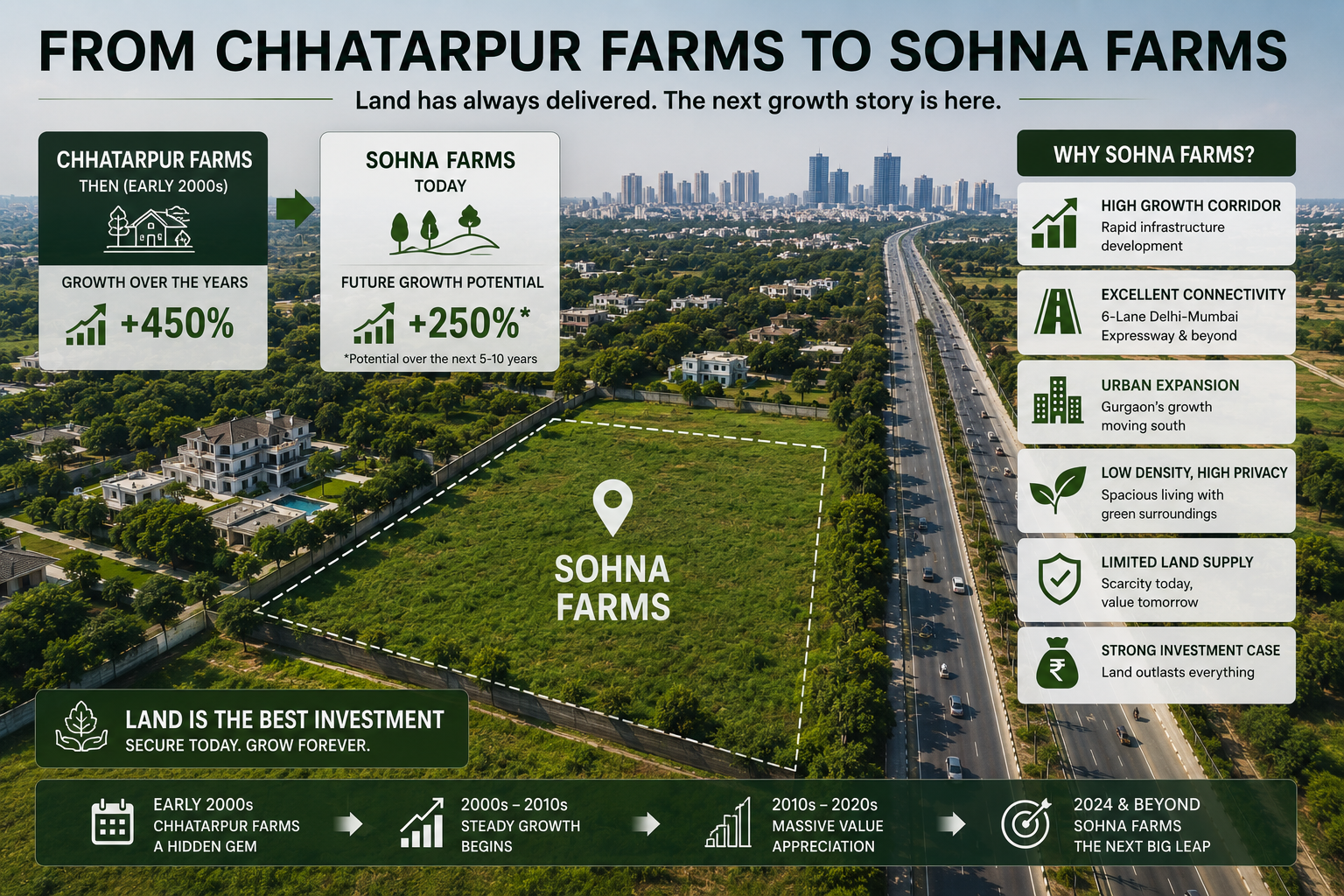
How Chhatarpur Farmhouses Created Multi-Crore Wealth for Early Buyers
What a quiet corner of South Delhi can teach investors about land, scarcity, and long-term wealth creation.
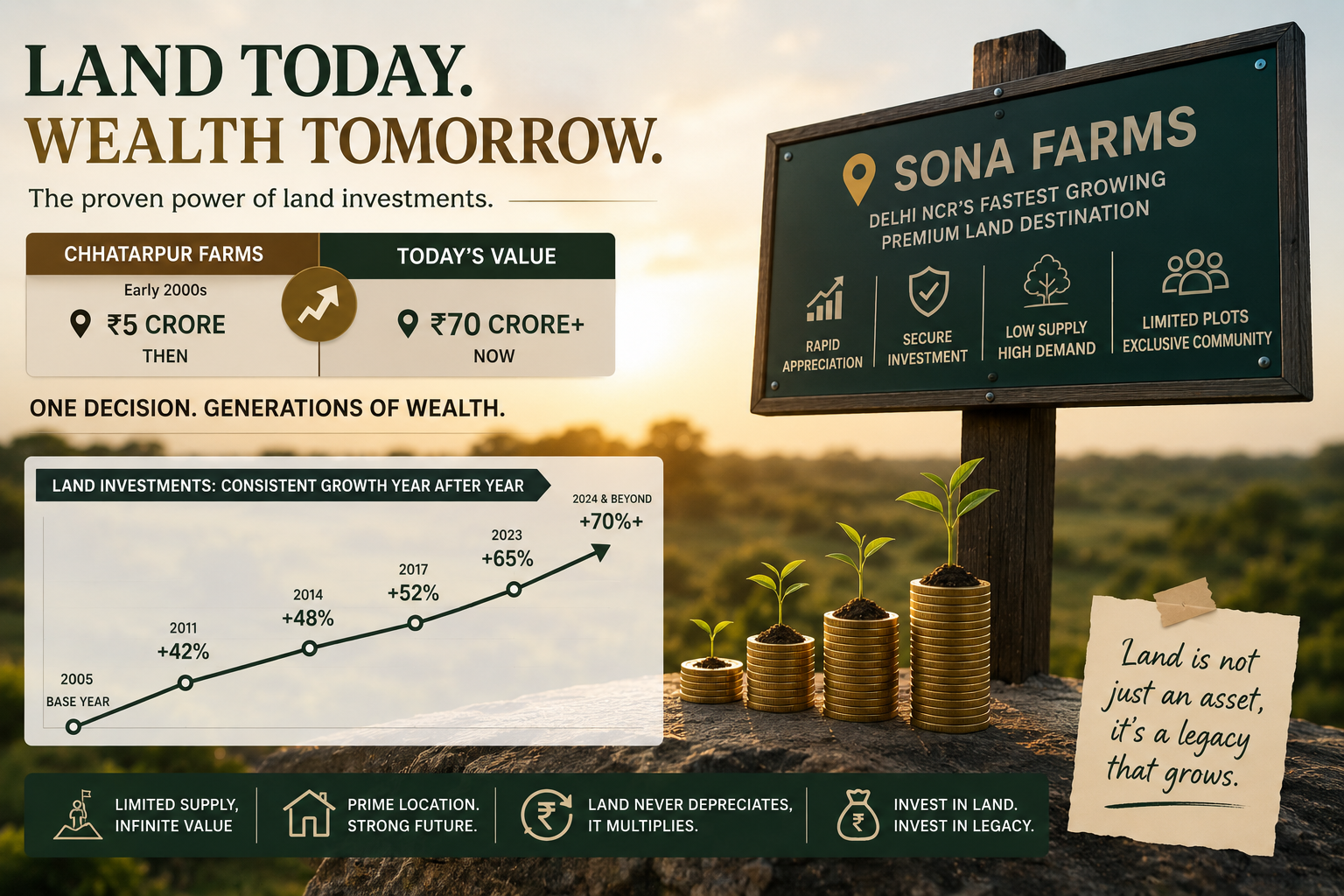
The ₹5 Crore Land Purchase That Became Worth ₹70 Crore
What the Story of DLF Chhatarpur Farms Reveals About Wealth Creation Through Premium Land Ownership
One short email. Stories you can use.
A free, occasional email from our editorial team with our latest features, explainers and reads. Unsubscribe any time — your email stays with us.