The Enduring Paradox of British Online Groceries
Despite significant investments and pandemic-driven surges, the profitability and long-term sustainability of online grocery delivery in the UK remain an open question, challenging fundamental assumptions about consumer convenience and logistical efficiency.

Ocado's recent full-year results revealed a pre-tax loss widening to £501 million, a stark reminder that even a pioneer in automated warehousing and delivery technology struggles to achieve consistent profitability in the fiercely competitive UK grocery market. This financial performance, set against a backdrop of increasing demand for online convenience, underscores a critical dilemma facing British retailers: the high cost of delivering basic necessities directly to consumers' doors.
For years, the narrative around online groceries focused on inexorable growth and the promise of future efficiency gains through automation. The pandemic undeniably accelerated adoption, with services like Tesco’s Online and Sainsbury’s Groceries Online seeing unprecedented spikes in usage. However, the subsequent normalisation of shopping habits, coupled with persistent inflationary pressures on operating costs, has brought the underlying economics into sharp relief.
The operational complexities are immense. Unlike fashion or electronics, groceries are low-margin, high-volume items with precise temperature control requirements and narrow delivery windows. Each item picked, packed, and transported adds to a cost base that brick-and-mortar stores, where customers self-serve, largely avoid. The "last mile" problem, the most expensive leg of any delivery, becomes particularly acute when transporting multiple heavy bags to individual residences across varied urban and rural landscapes.
The Infrastructure Burden
Major players have poured billions into their online infrastructure. Tesco, a dominant force with a market share exceeding 27%, has integrated its online operation with its vast store network, leveraging existing stock and space for picking. Sainsbury's has followed a similar hybrid model. Ocado, however, represents a capital-intensive pure-play approach, investing in enormous automated Customer Fulfilment Centres (CFCs) designed to handle vast order volumes with robotic precision. While these CFCs promise eventual scale efficiencies, the initial build-out and ongoing maintenance costs are substantial.
The consumer expectation for free or nominally priced delivery further exacerbates the challenge. While subscription models, such as Tesco's Delivery Saver or Sainsbury's Delivery Pass, offer some revenue stability, they rarely cover the true cost of fulfilling orders, especially for smaller basket sizes. Analysis often indicates that a single online grocery delivery can cost a retailer upwards of £8-10 to fulfil, yet consumers are rarely willing to pay more than a fraction of that.
The market has yet to fully reconcile the cost of convenience with the price consumers are prepared to bear.
The rapid growth of rapid grocery delivery services, exemplified by the struggles of firms like Getir and Gorillas which have seen retrenchment from the UK market, highlights the precarious nature of even faster fulfilment. These models, often relying on a network of dark stores and scooter-based deliveries, demonstrated that hyper-speed comes with an even steeper price tag, often unsustainable without continuous venture capital injections.
Shifting Consumer Habits and Basket Sizes
Post-pandemic, a discernible shift in consumer behaviour has been observed. While many households continue to value the convenience of online shopping, the frequency and size of online grocery orders have moderated. Many consumers now combine large online stock-ups with more frequent, smaller in-person trips for fresh produce or immediate needs, optimising their spending amidst a cost-of-living crisis. This hybrid shopping pattern fragments demand, making it harder for retailers to achieve the dense delivery routes necessary for optimal efficiency.
The industry now faces a strategic crossroads. Continued investment in online grocery will likely be tempered by a stronger focus on profitability over pure volume growth. This could manifest in various ways: more dynamic pricing for delivery slots, higher minimum order values, greater emphasis on click-and-collect options where the consumer absorbs some of the last-mile cost, or a more selective approach to service areas. The grand vision of a fully automated, seamlessly profitable online grocery ecosystem in the UK remains a work in progress, its ultimate form still very much in flux.
News Legacy maintains editorial independence. Some recommendations may contain affiliate links. We earn from qualifying purchases at no additional cost to you. Read our policy.
Read Next
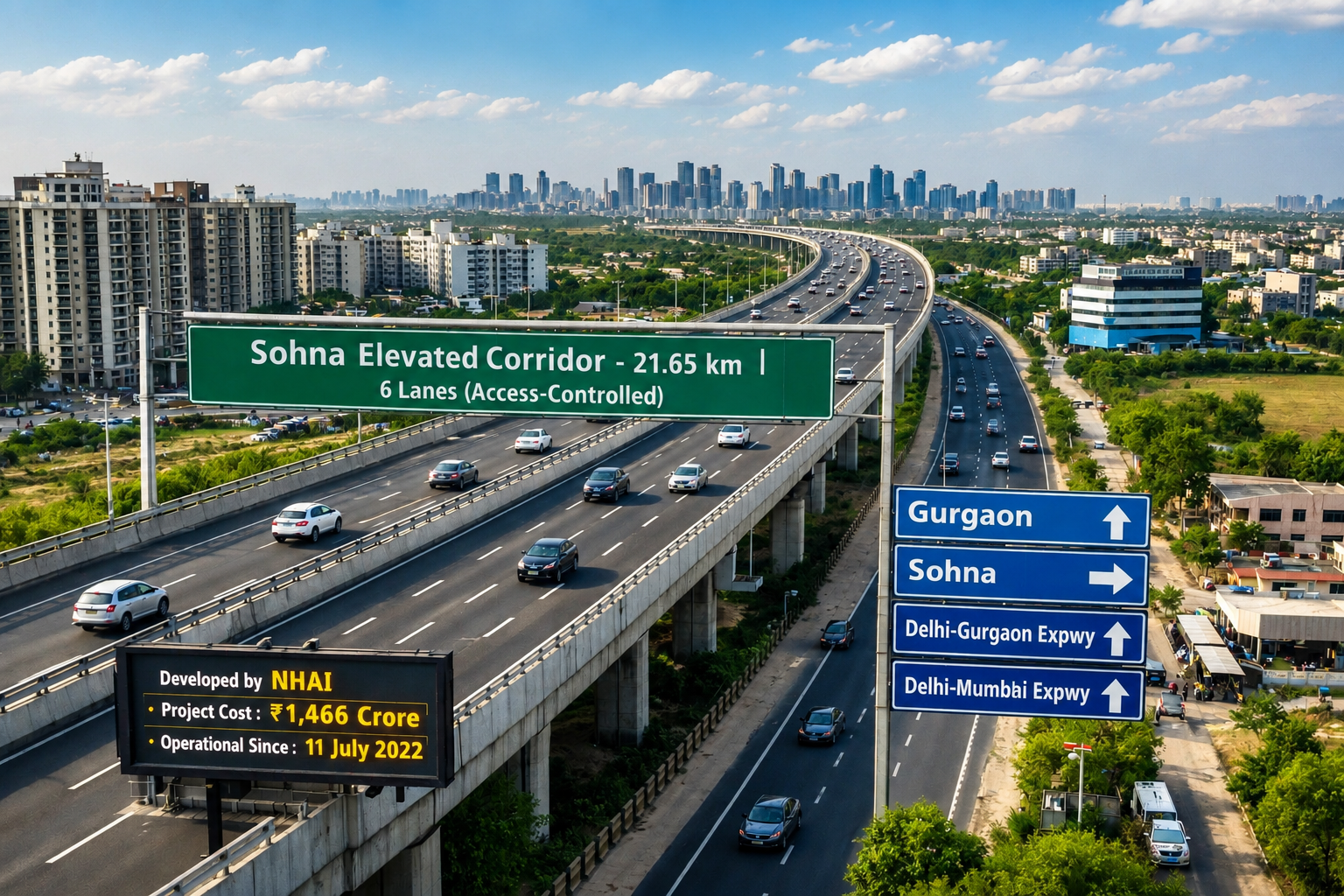
Is Sohna Really the Next Chhatarpur?
Three decades after Chhatarpur redrew South Delhi's map for space, privacy and exclusivity, a familiar pattern is now taking shape further south, and Sohna is where the smart money is beginning to look.
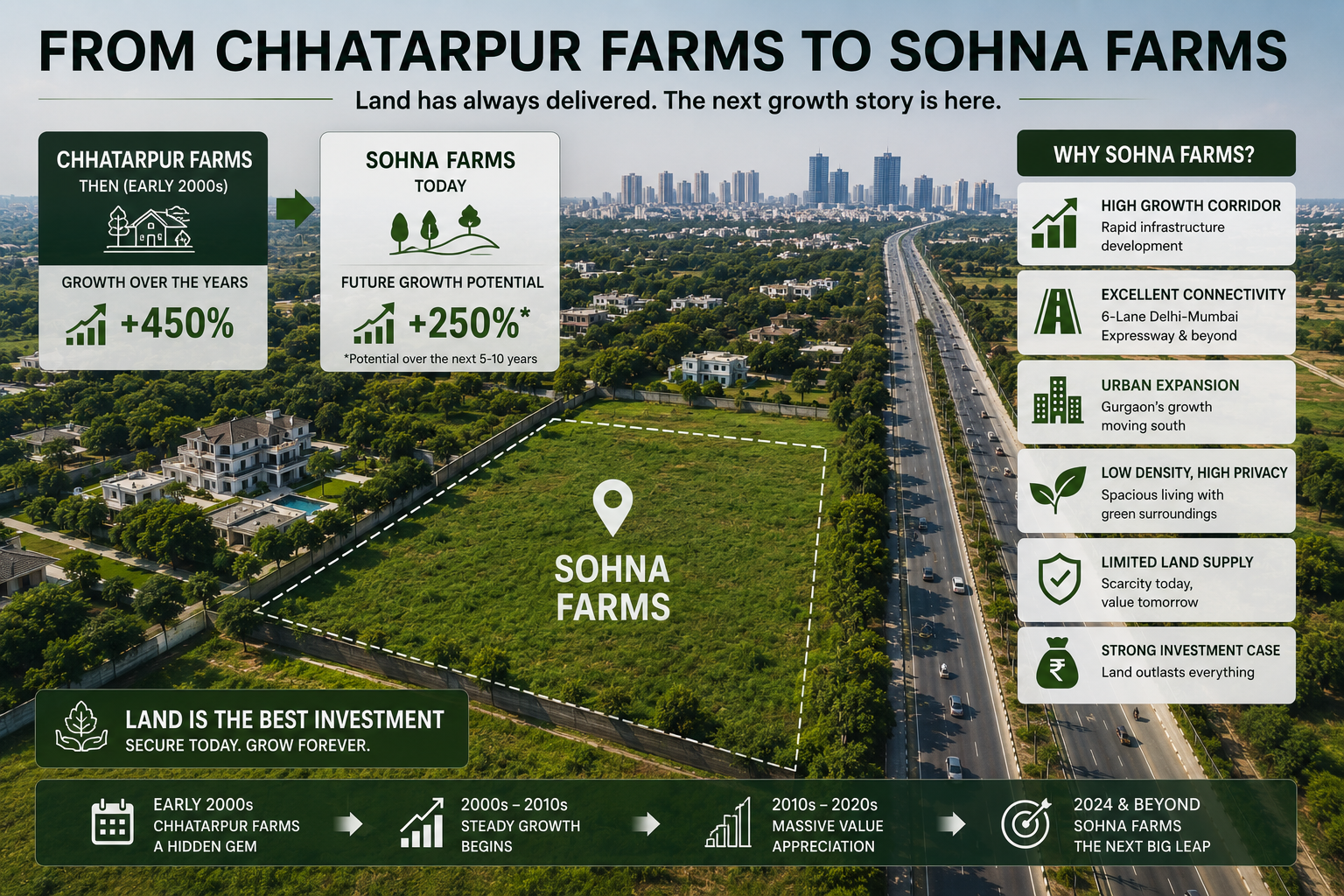
How Chhatarpur Farmhouses Created Multi-Crore Wealth for Early Buyers
What a quiet corner of South Delhi can teach investors about land, scarcity, and long-term wealth creation.
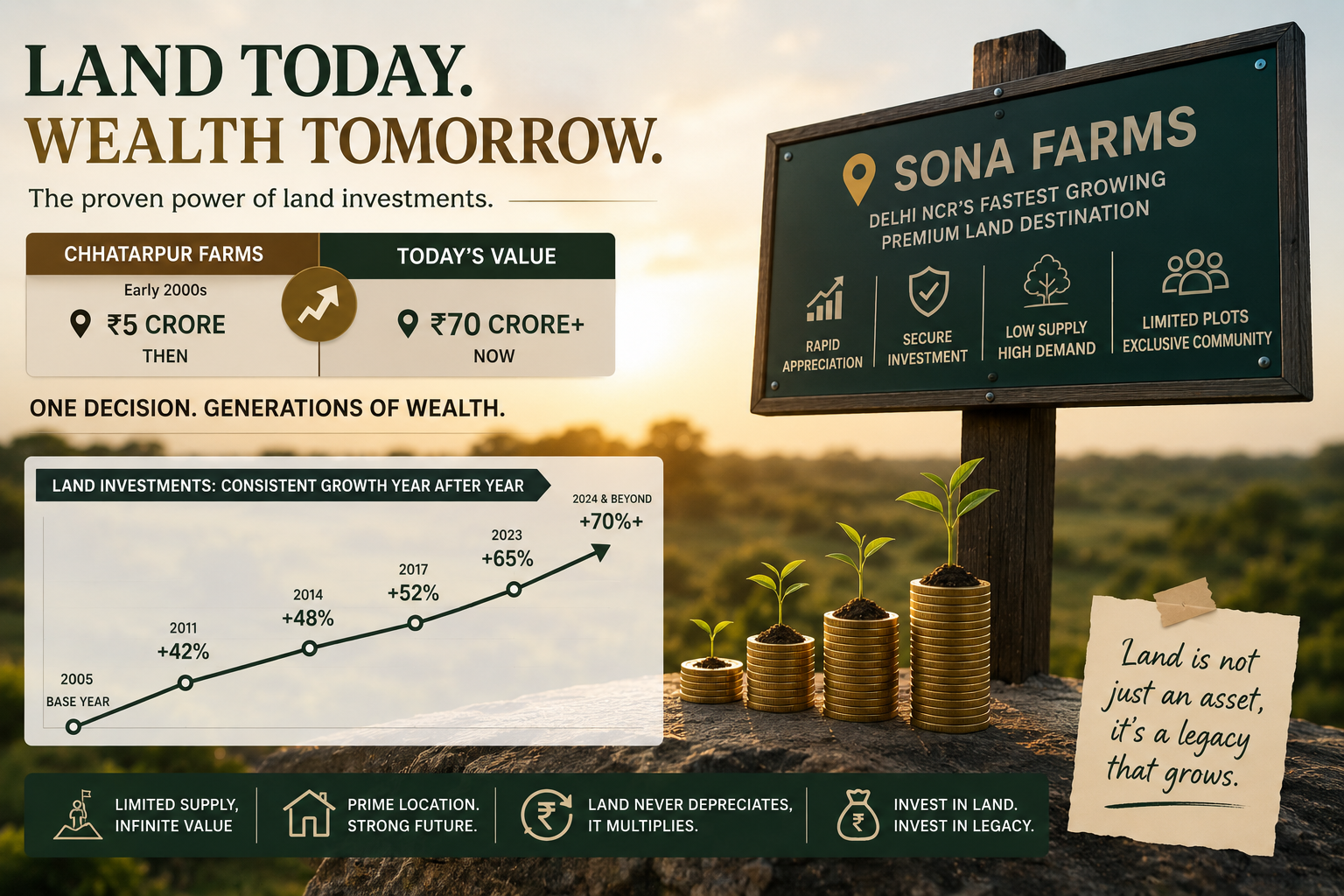
The ₹5 Crore Land Purchase That Became Worth ₹70 Crore
What the Story of DLF Chhatarpur Farms Reveals About Wealth Creation Through Premium Land Ownership
One short email. Stories you can use.
A free, occasional email from our editorial team with our latest features, explainers and reads. Unsubscribe any time — your email stays with us.