The Enduring Paradox of the British High Street
Despite persistent narratives of decline, the physical retail footprint in the UK continues to adapt, driven by evolving consumer expectations and the strategic recalibrations of established giants and nimble disruptors alike.

A Saturday afternoon stroll through London's Covent Garden reveals a tableau of commerce that belies many pronouncements about the demise of traditional shopping. Shoppers queue outside Apple's flagship, browsing new releases, while nearby, boutiques such as Paul Smith and Reformation draw a steady stream of patrons. This scene, replicated in various forms across the UK, demonstrates a resilience often overlooked in broad assessments of the retail sector, yet it also highlights the stark bifurcation between thriving experiential destinations and struggling conventional high streets.
The sustained migration of consumer spending to online channels, exacerbated by recent global events, has undeniably reshaped the landscape. Companies like ASOS and Ocado, born entirely in the digital realm, reported significant growth, with Ocado Retail's revenue climbing by over 14% to reach £2.3 billion in its last full financial year. This shift compels traditional retailers, from Tesco to Marks & Spencer, to invest heavily in their digital platforms and omnichannel capabilities, often blurring the lines between physical and virtual storefronts.
However, the narrative of online supremacy is not absolute. Many British consumers continue to value the immediacy and sensory experience of physical shopping, particularly for certain categories. Apparel, for instance, frequently benefits from in-person trials, a factor Next has leveraged through its click-and-collect services, effectively integrating its vast online catalogue with its physical presence. The conviviality of a Saturday outing remains a significant draw for many households.
The Evolving Role of Physical Space
Physical stores are increasingly being re-imagined as experiential hubs or logistical nodes, rather than mere transactional points. Supermarket chains like Sainsbury's and Tesco have continued to refine their in-store offerings, incorporating diverse food-to-go options, local product ranges, and enhanced service counters. This strategy aims to elevate the visit beyond a simple necessity, cultivating customer loyalty and differentiating from purely online alternatives. Meanwhile, parcel collection points and returns counters are becoming ubiquitous, solidifying the store's role within the broader e-commerce ecosystem.
The economic pressures on retailers are considerable, spanning rising operational costs, fluctuating consumer confidence, and intense competition. This environment has necessitated difficult decisions, including store closures and workforce adjustments. Yet, for every closure, there are instances of strategic investment, such as the regeneration efforts seen in certain city centres, drawing in new retail concepts alongside established brands.
The enduring challenge for retailers lies not in choosing between physical and digital, but in seamlessly integrating both to create a cohesive and compelling customer journey.
Adapting to Shifting Demographics and Habits
Generational preferences play a crucial role in shaping retail strategies. While younger demographics, often digitally native, might favour the convenience of platforms like Deliveroo and Just Eat for immediate gratification, all age groups exhibit a complex interplay of online and offline purchasing behaviour. Convenience remains a paramount driver, whether it is the speed of a grocery delivery slot or the ease of browsing a well-organised high-street shop.
The ability of UK retailers to adapt to these fluid conditions will largely determine their long-term viability. This includes not only technological adoption but also a sophisticated understanding of localized consumer trends. The British retail sector, far from being in terminal decline, appears to be undergoing a profound structural metamorphosis, a continuous process of strategic reinvention and adaptation.
Ultimately, the future of British shopping culture will likely be characterised by a hybrid model. Physical spaces will continue to exist, but their form and function will evolve, becoming more specialised, experiential, or integrated with digital operations. The current landscape reflects not an end, but a complex, ongoing transformation where agility and customer-centricity are the primary determinants of success.
The sector’s dynamism, though often masked by headlines of difficulty, points to a future where both high street and digital storefronts coexist and compete for a share of the consumer's pound.
News Legacy maintains editorial independence. Some recommendations may contain affiliate links. We earn from qualifying purchases at no additional cost to you. Read our policy.
Read Next
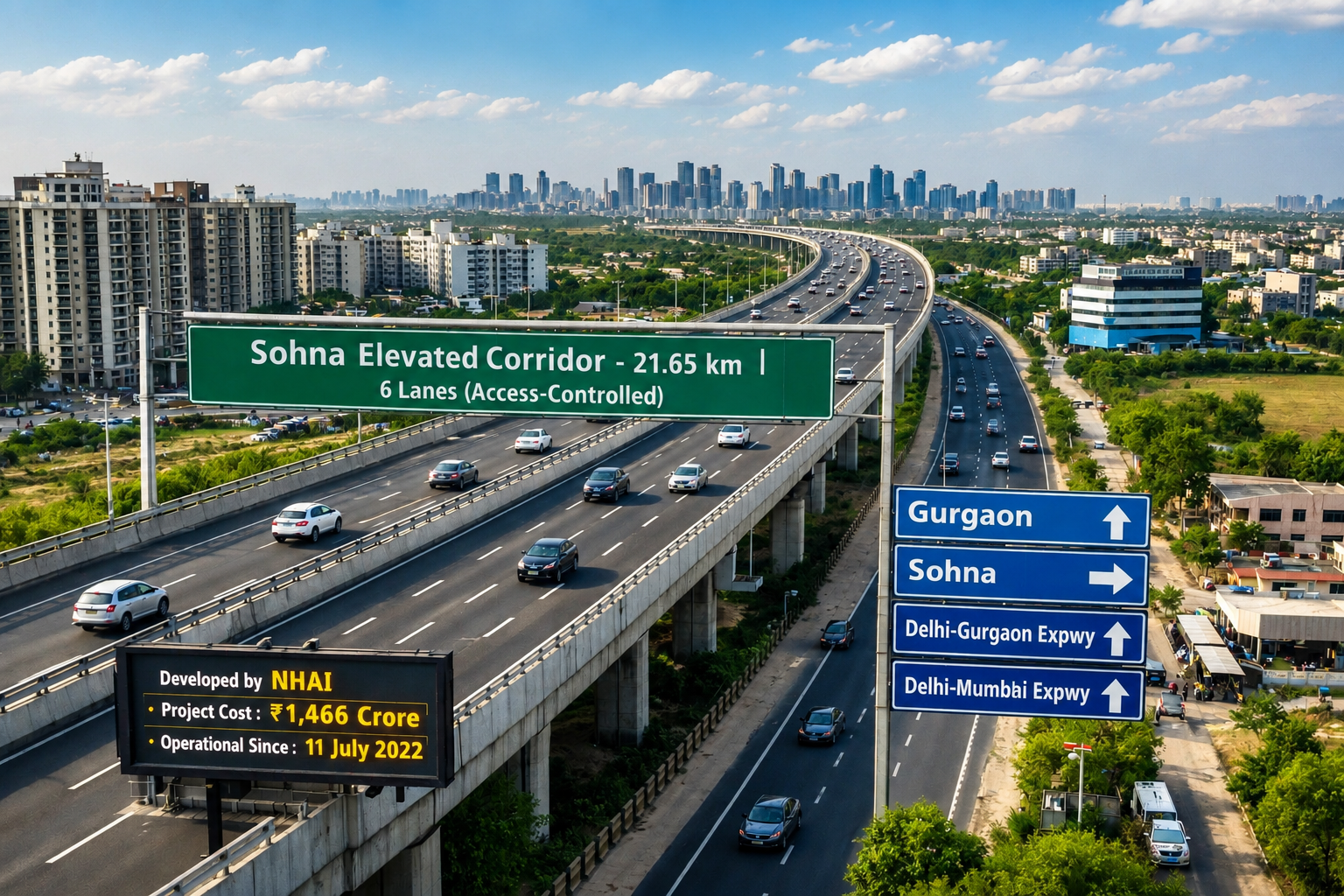
Is Sohna Really the Next Chhatarpur?
Three decades after Chhatarpur redrew South Delhi's map for space, privacy and exclusivity, a familiar pattern is now taking shape further south, and Sohna is where the smart money is beginning to look.
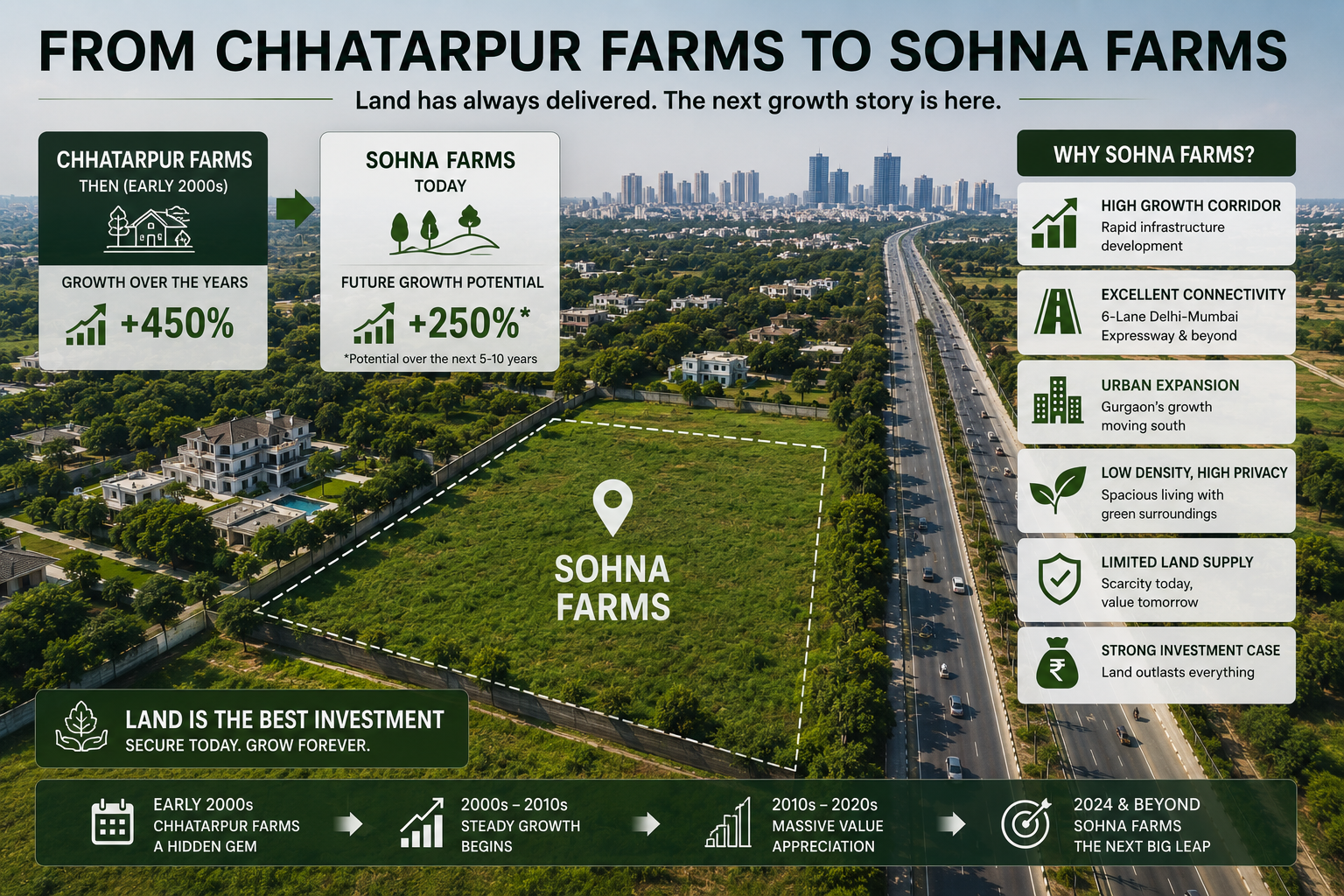
How Chhatarpur Farmhouses Created Multi-Crore Wealth for Early Buyers
What a quiet corner of South Delhi can teach investors about land, scarcity, and long-term wealth creation.
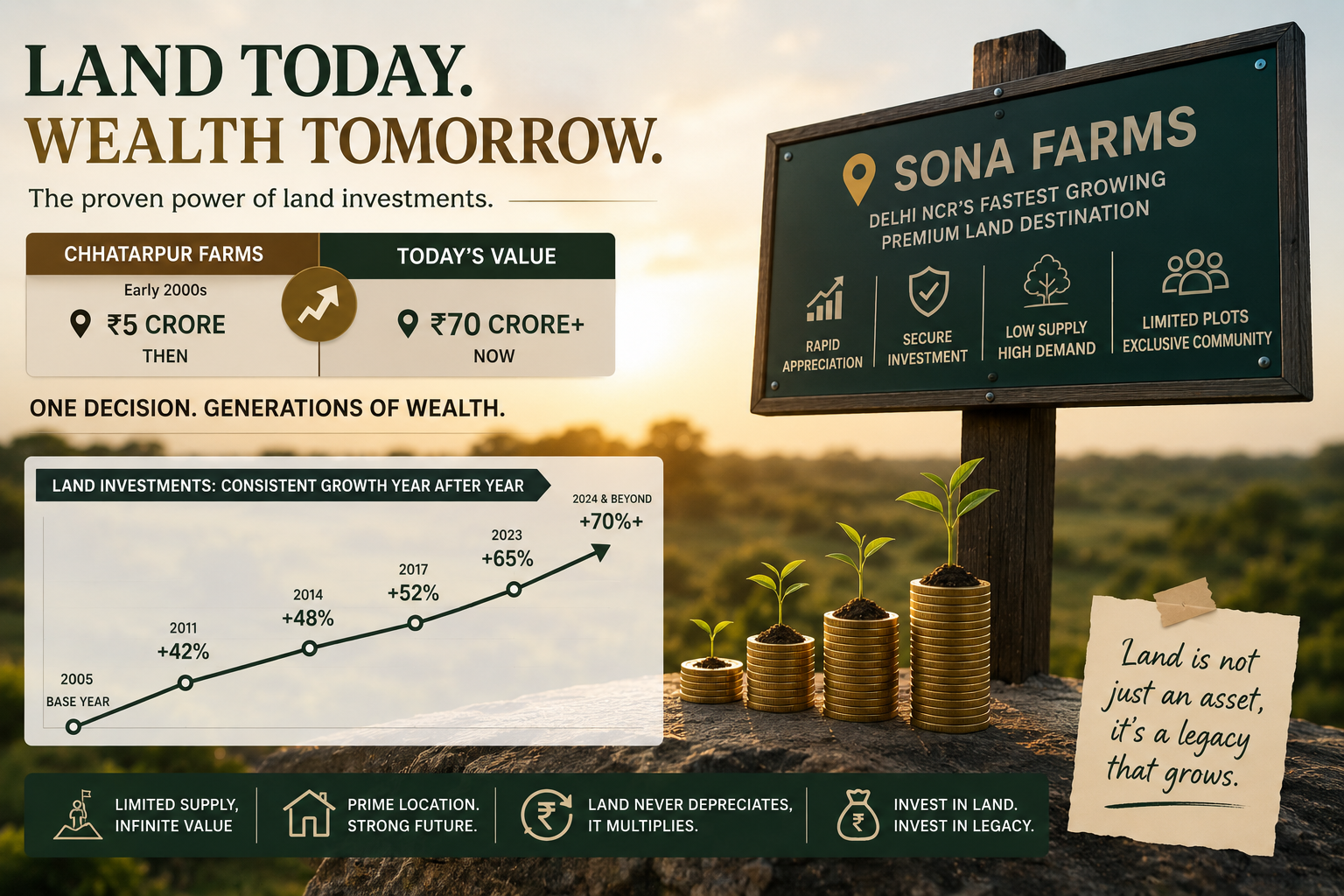
The ₹5 Crore Land Purchase That Became Worth ₹70 Crore
What the Story of DLF Chhatarpur Farms Reveals About Wealth Creation Through Premium Land Ownership
One short email. Stories you can use.
A free, occasional email from our editorial team with our latest features, explainers and reads. Unsubscribe any time — your email stays with us.