The Enduring Tug of the High Street Amidst Digital Currents
Despite the relentless expansion of online retail, physical stores continue to exert a powerful, sometimes unexpected, influence on British consumer habits, challenging simplistic narratives of digital dominance.

A Saturday afternoon stroll past a newly refurbished Marks & Spencer Foodhall in a London borough reveals a bustling scene, families navigating trolleys past displays of artisanal cheeses and ready meals. This commonplace observation belies the prevailing narrative of British retail: one dominated by the inexorable march of e-commerce. While digital platforms have undeniably reshaped how and where consumers spend their money, the enduring vitality of the physical shopping experience, particularly in the grocery sector and for certain discretionary purchases, presents a more nuanced picture of the UK's commercial landscape.
The pandemic accelerated the adoption of online channels across nearly all retail categories, with companies like Ocado and Deliveroo experiencing unprecedented demand. However, recent data suggests a recalibration. The Office for National Statistics reported that, while online sales accounted for 25.7% of all retail spending in December 2023, this figure remains below its peak of over 37% during lockdown periods. This suggests a significant portion of consumers are returning to bricks-and-mortar establishments for at least some of their purchases.
For essential goods, particularly groceries, the immediate gratification and sensory experience of in-store shopping hold considerable sway. Tesco and Sainsbury's continue to command substantial market share through their extensive physical footprints, even as they invest heavily in their online delivery services. The ability to inspect fresh produce, compare brands spontaneously, and simply leave with goods immediately often outweighs the convenience of a scheduled delivery slot for many households.
The Blended Approach
Many British retailers are now navigating a hybrid consumer journey, acknowledging that digital and physical channels are not mutually exclusive but rather complementary. High street stalwarts like Next have long refined their 'click and collect' models, allowing customers to order online and pick up in-store, a service that merges digital convenience with the assurance of a physical touchpoint. This strategy capitalises on existing infrastructure, driving footfall and potentially encouraging impulse purchases once customers are inside the premises.
Fashion retailers such as ASOS primarily operate online, yet even they face challenges in customer retention and returns management that physical competitors often mitigate through fitting rooms and immediate exchanges. The tactile nature of clothing, alongside the desire for an 'event' out, often draws shoppers back to stores, especially for higher-value items or special occasions. This trend highlights the limitations of a purely digital interaction when product attributes like texture, fit, and feel are paramount.
Localisation and Experience
The notion that the high street is in terminal decline requires qualification. While some regions and retail parks undoubtedly struggle, others demonstrate resilience, often through diversification. Local businesses and independent shops, alongside large anchor tenants, contribute to community hubs that offer more than just transactional exchanges. This experiential element, encompassing social interaction, discovery, and a sense of place, cannot be replicated solely by an algorithm or a delivery van.
Moreover, the rising cost of living has prompted some consumers to reconsider online shopping's often-hidden expenses, such as delivery charges and minimum order values. For smaller, more frequent purchases, a trip to a local shop can prove more economical and efficient than navigating an online interface and waiting for fulfilment. This practical consideration adds another layer of complexity to the UK's evolving retail landscape, reinforcing the foundational role of accessible physical retail.
The enduring appeal of touching, seeing, and immediately acquiring goods suggests that while digital channels provide unparalleled convenience, they rarely fully supplant the fundamental human desire for tangible interaction within a commercial environment.
News Legacy maintains editorial independence. Some recommendations may contain affiliate links. We earn from qualifying purchases at no additional cost to you. Read our policy.
Read Next
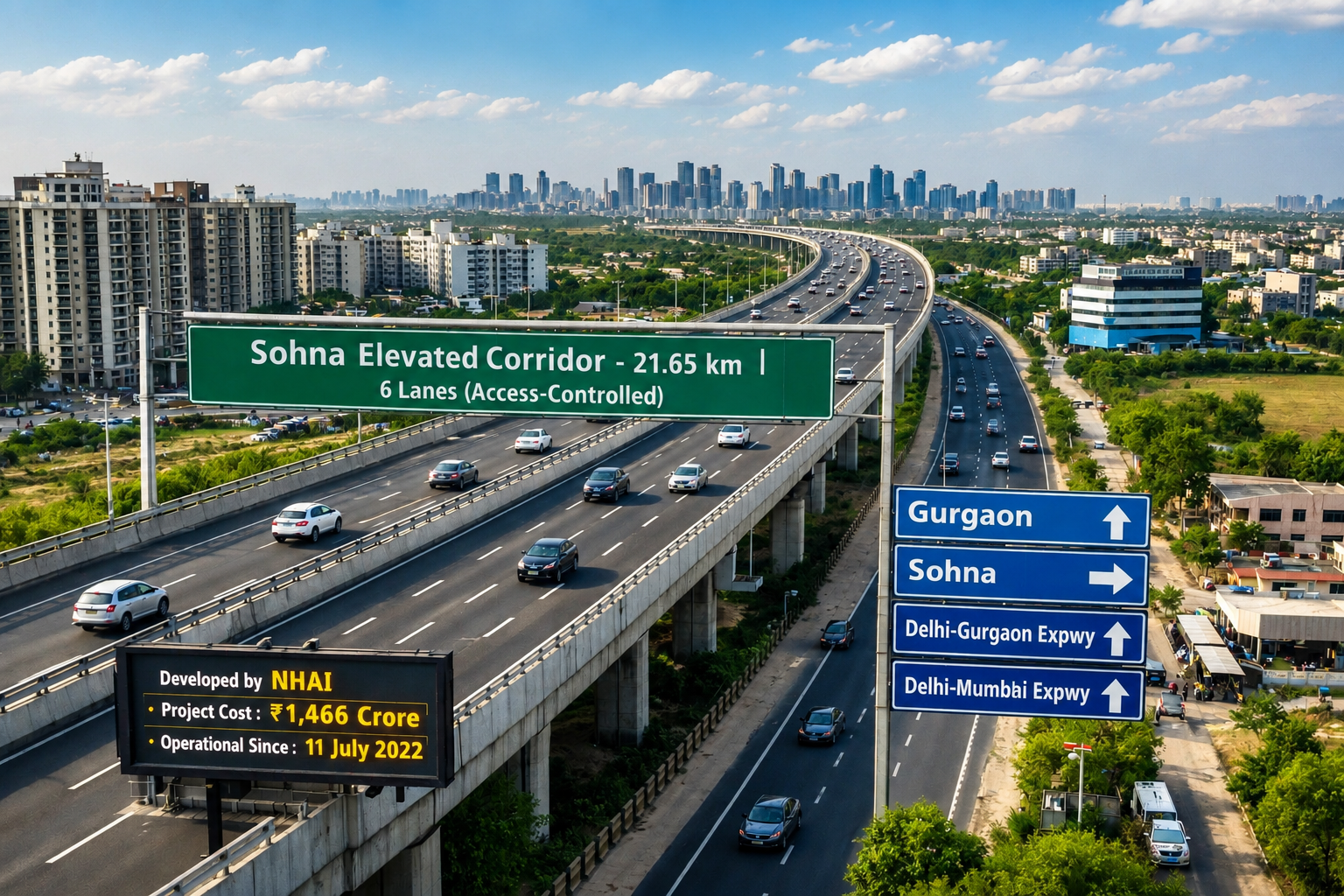
Is Sohna Really the Next Chhatarpur?
Three decades after Chhatarpur redrew South Delhi's map for space, privacy and exclusivity, a familiar pattern is now taking shape further south, and Sohna is where the smart money is beginning to look.
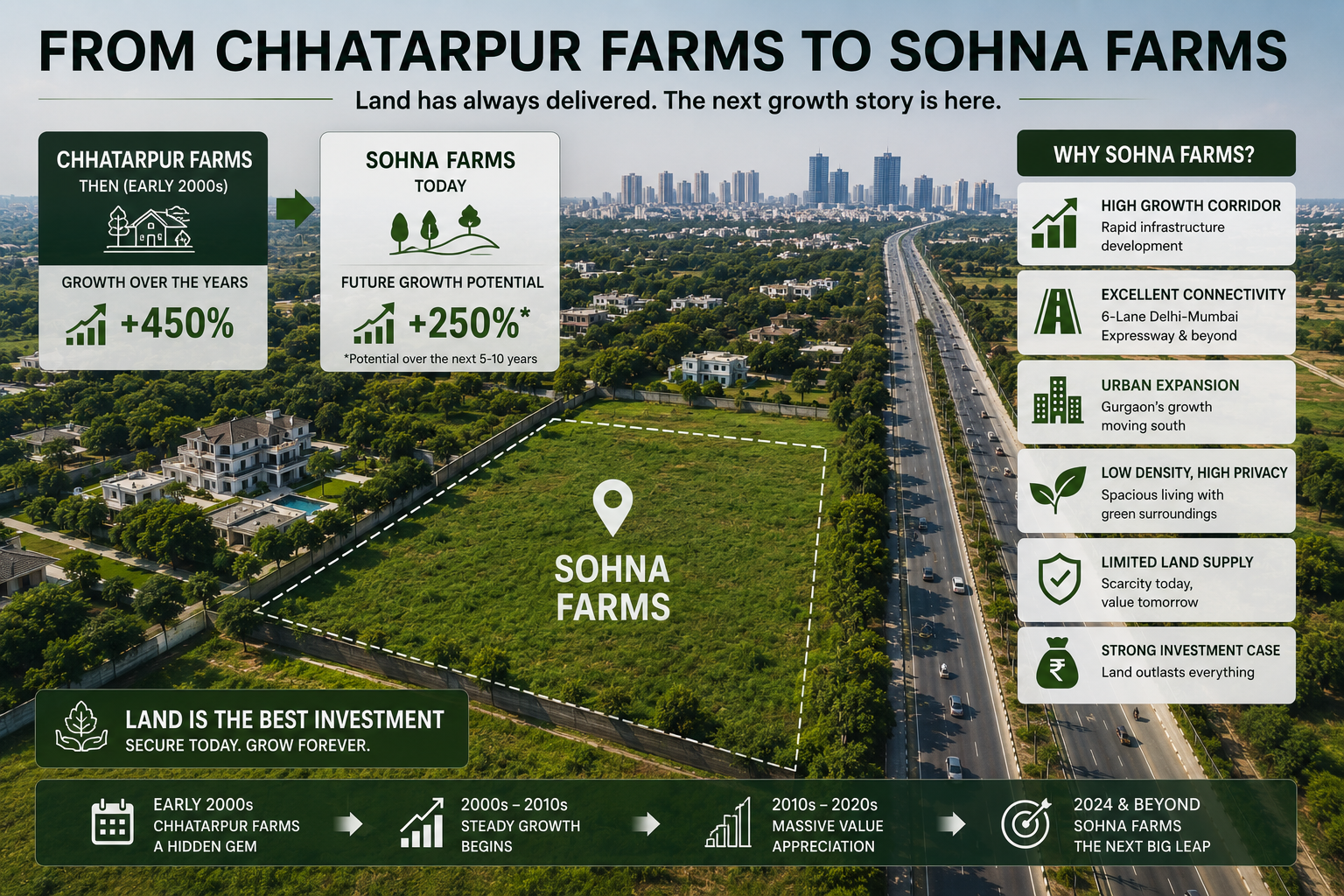
How Chhatarpur Farmhouses Created Multi-Crore Wealth for Early Buyers
What a quiet corner of South Delhi can teach investors about land, scarcity, and long-term wealth creation.
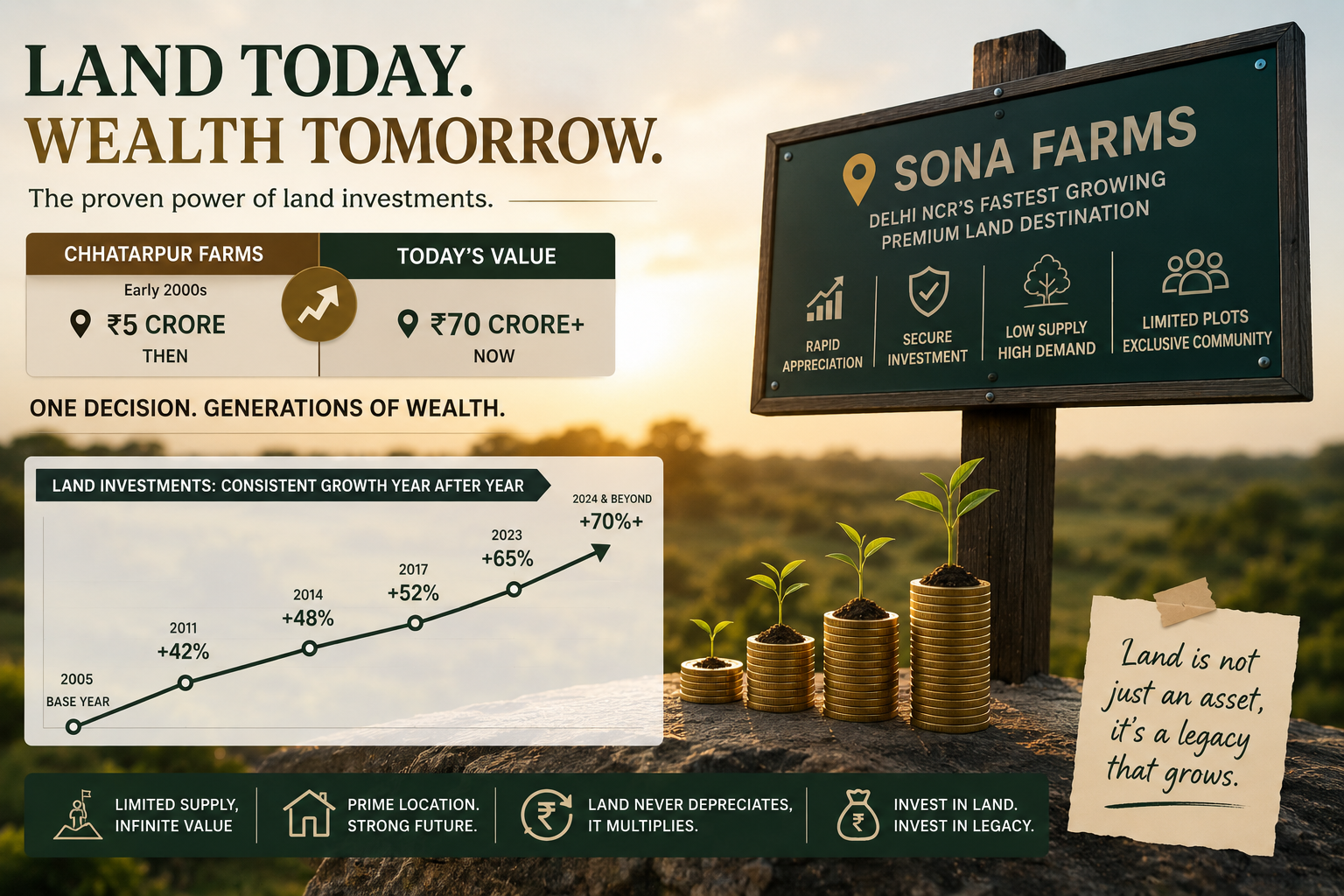
The ₹5 Crore Land Purchase That Became Worth ₹70 Crore
What the Story of DLF Chhatarpur Farms Reveals About Wealth Creation Through Premium Land Ownership
One short email. Stories you can use.
A free, occasional email from our editorial team with our latest features, explainers and reads. Unsubscribe any time — your email stays with us.