The European DTC Reckoning: From Digital Darling to Distribution Dilemma
Once celebrated for disrupting established retail, many direct-to-consumer brands across Europe are now confronting the structural costs of market fragmentation and complex logistics inherent in continental operations.

Across Germany, the once-ubiquitous electric bicycles of Flink, delivering groceries in minutes, now occupy a diminished footprint. This contraction, mirrored in the strategic shifts of other rapid delivery services like Gorillas (now part of Getir), reflects a broader recalibration occurring within Europe's direct-to-consumer (DTC) landscape. What began as a nimble digital offensive against traditional retail has evolved into a formidable challenge of operational scale and sustained profitability, particularly when navigating the continent's diverse consumer markets.
The initial appeal of the DTC model, bypassing intermediaries to connect directly with customers, promised higher margins and immediate customer feedback. Brands ranging from sustainable fashion labels to niche electronics manufacturers embraced this approach, often scaling rapidly within individual national markets such as France or the Netherlands. Investment flowed freely, underpinning a period of aggressive expansion and marketing spend.
However, the intrinsic costs of pan-European distribution quickly emerged as a significant impediment. Unlike the more homogenous logistical environments of North America or China, Europe presents a patchwork of distinct legal frameworks, tax regimes, consumer preferences, and intricate last-mile delivery networks. A single fulfilment strategy rarely suffices from Lisbon to Warsaw.
The Cross-Border Conundrum
Expanding beyond a home market often necessitates establishing local warehousing, navigating customs for non-EU-produced goods, and contending with varied consumer return policies. For instance, a brand operating in Germany must consider different packaging regulations than one serving Spain, while payment preferences can shift dramatically from the ubiquity of card payments in Nordic countries to the prevalence of local methods like Klarna or Bancontact elsewhere. This complexity inflates operational expenditure, eroding the very margin advantages the DTC model initially sought.
Platforms such as Zalando and Allegro, originally marketplaces, have capitalised on these complexities by offering integrated logistics and cross-border fulfilment services. They provide a conduit for smaller brands to access diverse customer bases without bearing the full weight of multi-country infrastructure. Similarly, established retailers like Carrefour and REWE are enhancing their own digital capabilities, leveraging existing physical networks for click-and-collect and local delivery, creating formidable competition for pure-play DTCs.
The allure of direct customer relationships often overshadows the substantial capital required to build resilient, multi-country supply chains and meet diverse market expectations consistently.
Moreover, the rising cost of digital advertising, exacerbated by evolving privacy regulations, has made customer acquisition increasingly expensive. Brands that once thrived on efficient social media marketing now face diminishing returns, forcing a re-evaluation of growth strategies. This shift has prompted some to explore hybrid models, incorporating wholesale partnerships or pop-up retail to complement their online presence, acknowledging that pure digital distribution is not always the most cost-effective path to scale.
The consolidation evident in the rapid grocery sector, with mergers and exits dominating headlines, underscores the capital intensity required for competitive logistics. Even Vinted, the successful Lithuanian second-hand fashion platform, has navigated significant challenges in standardising shipping across its 19 European markets, demonstrating that even asset-light models grapple with continental operational nuances. The future for many European DTC brands likely involves a strategic blend of digital agility and robust, localised logistical partnerships, rather than a unilateral reliance on direct-to-consumer purity.
This evolutionary pressure suggests a maturing market where sustained success hinges less on novelty and more on operational excellence and adaptable business models. Brands unable to reconcile the promise of direct engagement with the practicalities of a fragmented European market will find their growth prospects increasingly constrained by the substantial costs of distribution and customer retention.
News Legacy maintains editorial independence. Some recommendations may contain affiliate links. We earn from qualifying purchases at no additional cost to you. Read our policy.
Read Next
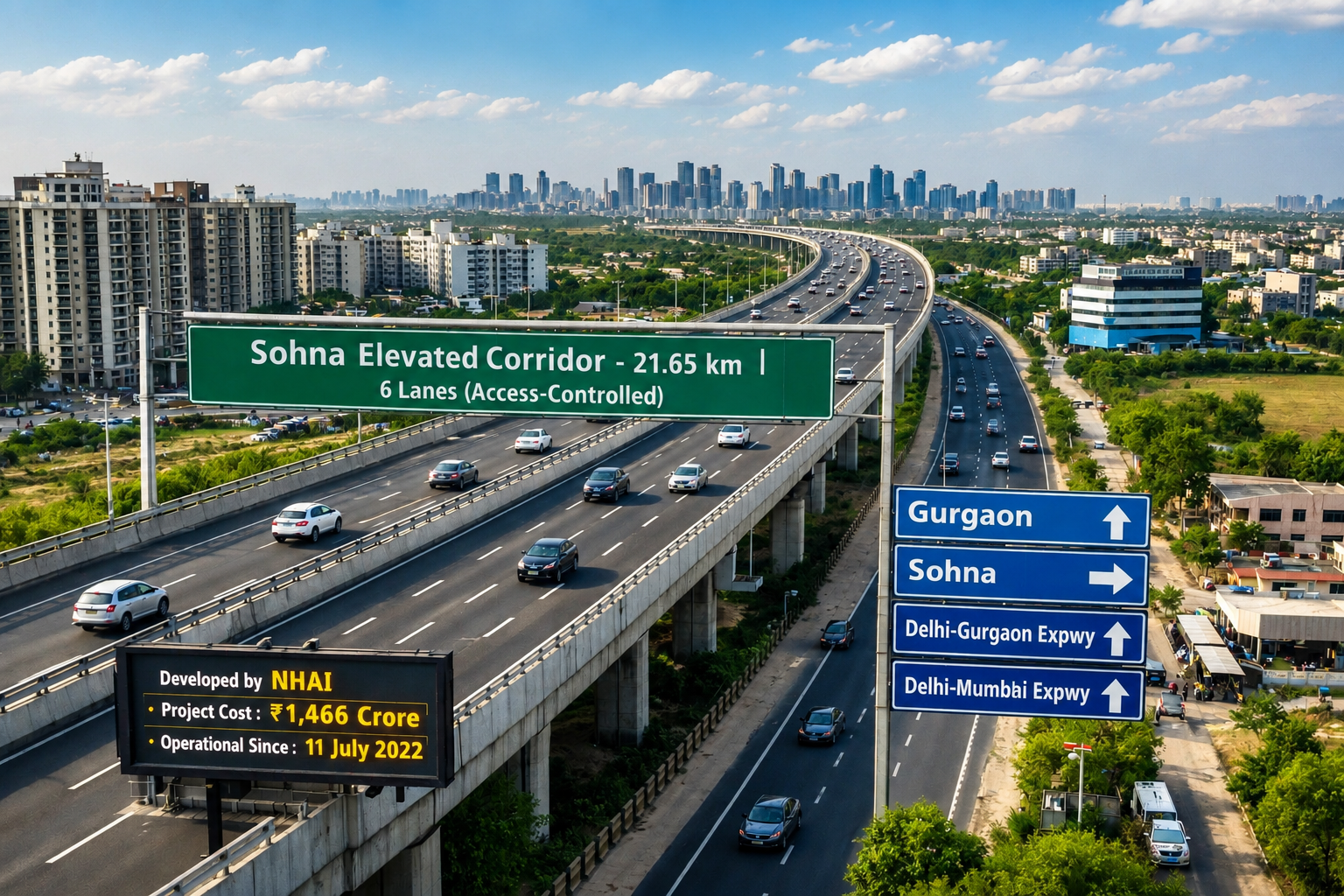
Is Sohna Really the Next Chhatarpur?
Three decades after Chhatarpur redrew South Delhi's map for space, privacy and exclusivity, a familiar pattern is now taking shape further south, and Sohna is where the smart money is beginning to look.
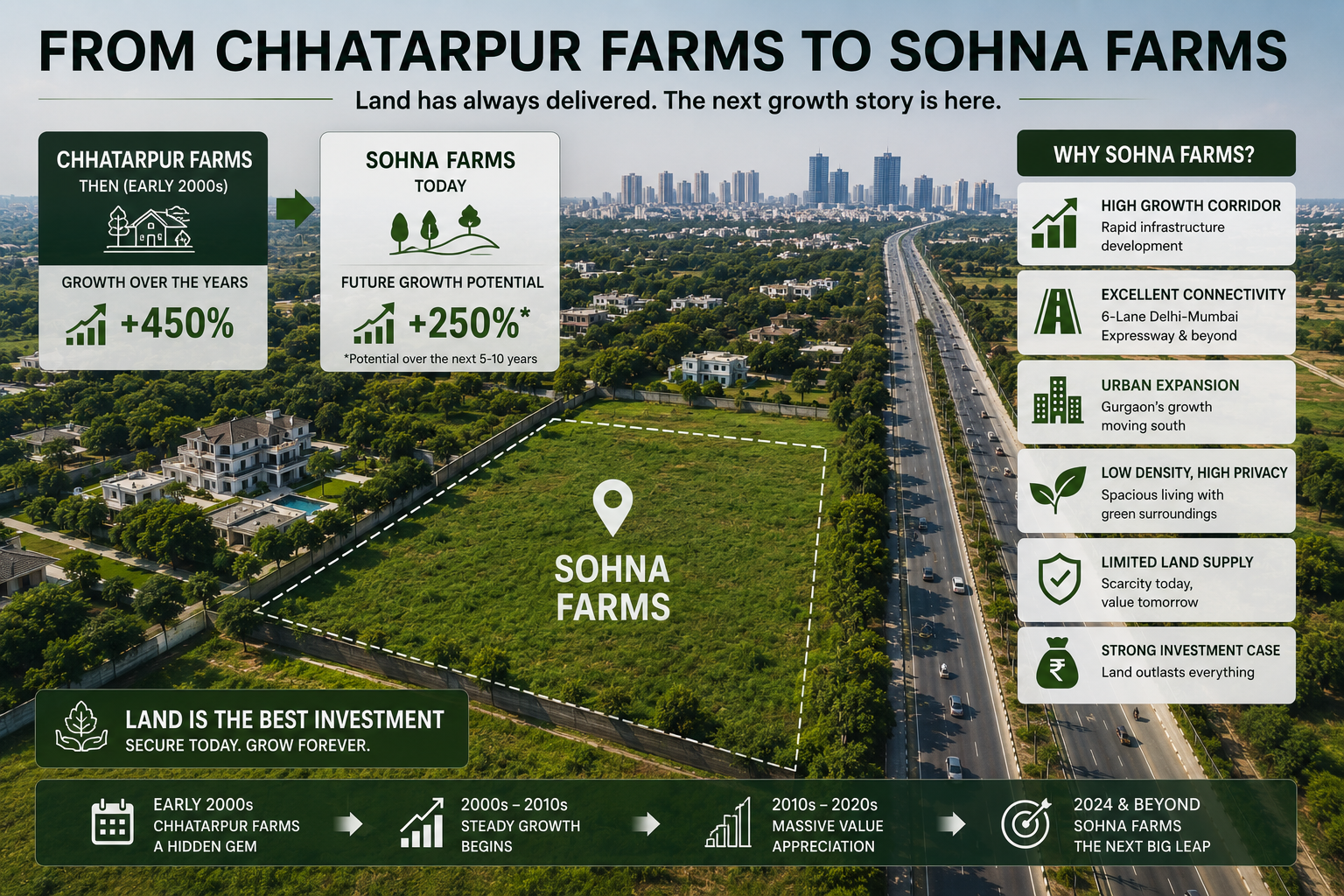
How Chhatarpur Farmhouses Created Multi-Crore Wealth for Early Buyers
What a quiet corner of South Delhi can teach investors about land, scarcity, and long-term wealth creation.
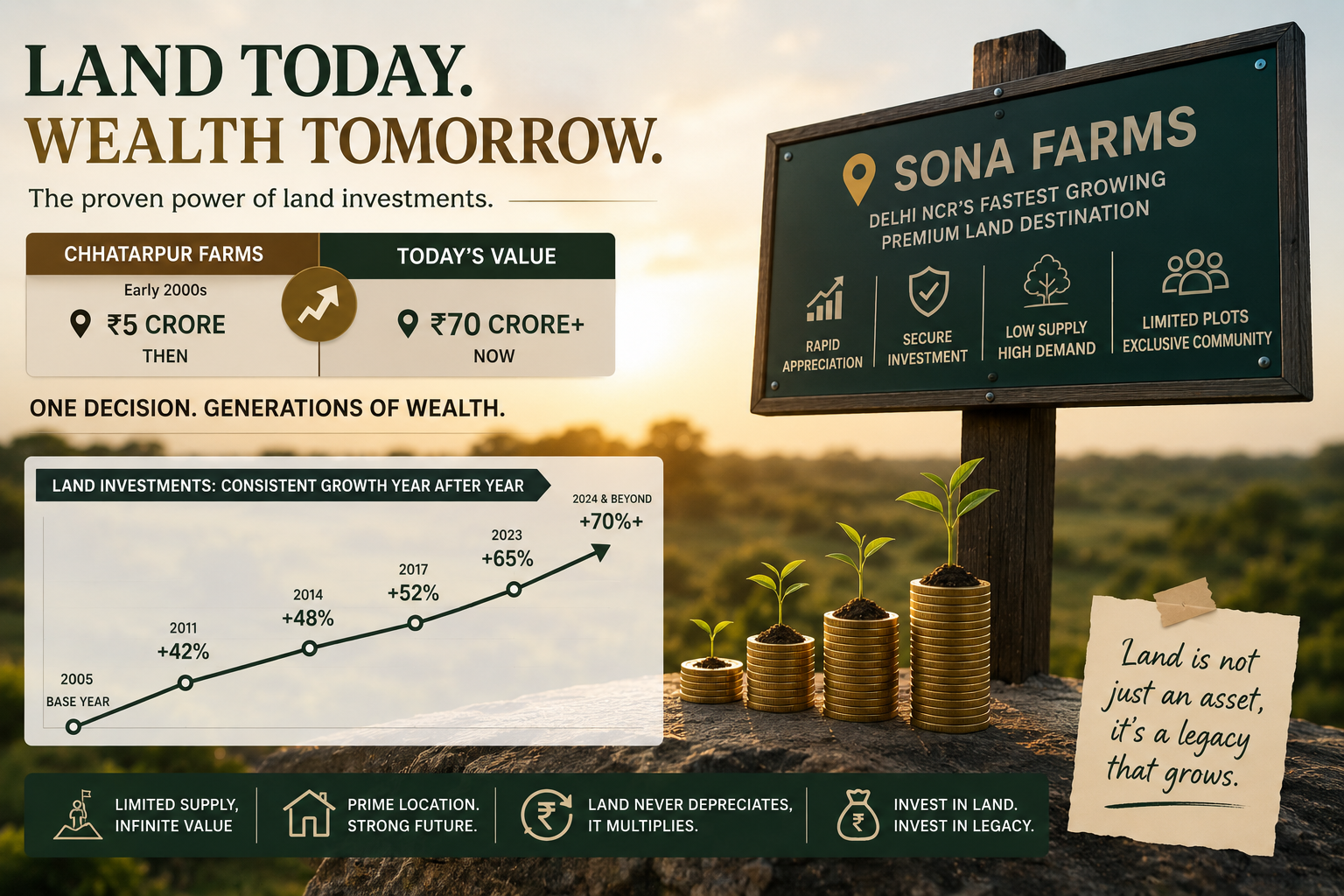
The ₹5 Crore Land Purchase That Became Worth ₹70 Crore
What the Story of DLF Chhatarpur Farms Reveals About Wealth Creation Through Premium Land Ownership
One short email. Stories you can use.
A free, occasional email from our editorial team with our latest features, explainers and reads. Unsubscribe any time — your email stays with us.