The European DTC Reckoning: From Niche Disrupter to Marketplace Necessity
Direct-to-consumer brands once challenged established retail with agility and precise customer engagement. Now, many find their growth increasingly reliant on the very platforms they sought to circumvent.

A casual browse through Zalando's fashion catalogue today reveals an intriguing juxtaposition: alongside household names like Nike and Adidas, numerous smaller, digitally native brands now occupy prominent positions. This integration signifies a crucial shift in the European direct-to-consumer (DTC) landscape. What began as a movement to bypass traditional retail channels and foster direct customer relationships is increasingly evolving into a symbiotic, and sometimes fraught, reliance on the continent's dominant online marketplaces and retail giants.
The initial allure of DTC was clear. Brands like Warby Parker in eyewear or Dollar Shave Club in personal care demonstrated that bypassing intermediaries could lead to lower costs, greater control over brand narrative, and richer customer data. European entrepreneurs, from sustainable fashion in Scandinavia to gourmet food in Italy, quickly adopted this model, leveraging social media and agile supply chains to build loyal communities without the need for extensive physical footprints or wholesale agreements.
However, the economics of sustained, independent growth have proven challenging. Customer acquisition costs have soared across digital advertising platforms, eroding the very margin advantages DTC brands initially sought. Logistics and last-mile delivery, especially across fragmented European borders, present formidable operational hurdles. A brand shipping from Germany to France faces different regulations, language barriers, and consumer expectations than one operating solely within its national market. This complexity often negates the promised efficiencies.
The Platform Paradox
Enter the marketplaces. Companies like Allegro in Poland, Bol.com in the Netherlands, or even the fashion-focused Zalando, offer immediate access to millions of active shoppers. They handle payment processing, often provide warehousing and fulfilment solutions, and crucially, bear the colossal marketing spend required to attract an audience. For a brand struggling to scale its own e-commerce operations, the appeal is undeniable. Data from Statista indicates that third-party sales on marketplaces now constitute a significant portion of overall e-commerce in many European countries.
This shift, however, is not without its compromises. While marketplaces provide reach, they also introduce a new layer of intermediation, diminishing the direct customer relationship that defined the DTC ethos. Brands often face commission fees, platform-specific rules, and increased competition from a multitude of sellers, including the marketplace's own private labels. The detailed customer data that was once a core DTC advantage becomes anonymised or aggregated, shared only selectively by the platform.
The strategic tension for many digitally native brands now lies in balancing the siren song of vast marketplace reach with the foundational principle of owning the customer journey.
Even traditional retailers are adapting. Carrefour and REWE, for instance, are investing heavily in their online grocery platforms, offering click-and-collect or home delivery services that some smaller food and beverage DTC brands might leverage. The rapid grocery delivery players, like the now-integrated Gorillas or Flink, though having faced their own financial turbulence, initially provided a hyper-local delivery infrastructure that some DTC food brands could utilise, albeit at a premium. The rise of second-hand platforms like Vinted also illustrates how peer-to-peer marketplaces can inadvertently become a channel for smaller, niche fashion brands to liquidate excess stock or reach a different segment of value-conscious consumers.
The future for European DTC appears to be less about wholesale disruption and more about strategic integration. Brands that can maintain a strong direct channel for their most loyal customers while selectively leveraging marketplaces for broader reach and efficient logistics are likely to thrive. This hybrid model acknowledges the enduring power of platforms in a continent where cross-border trade remains complex and consumer discovery often begins on a familiar, trusted interface.
News Legacy maintains editorial independence. Some recommendations may contain affiliate links. We earn from qualifying purchases at no additional cost to you. Read our policy.
Read Next

Is Sohna Really the Next Chhatarpur?
Three decades after Chhatarpur redrew South Delhi's map for space, privacy and exclusivity, a familiar pattern is now taking shape further south, and Sohna is where the smart money is beginning to look.
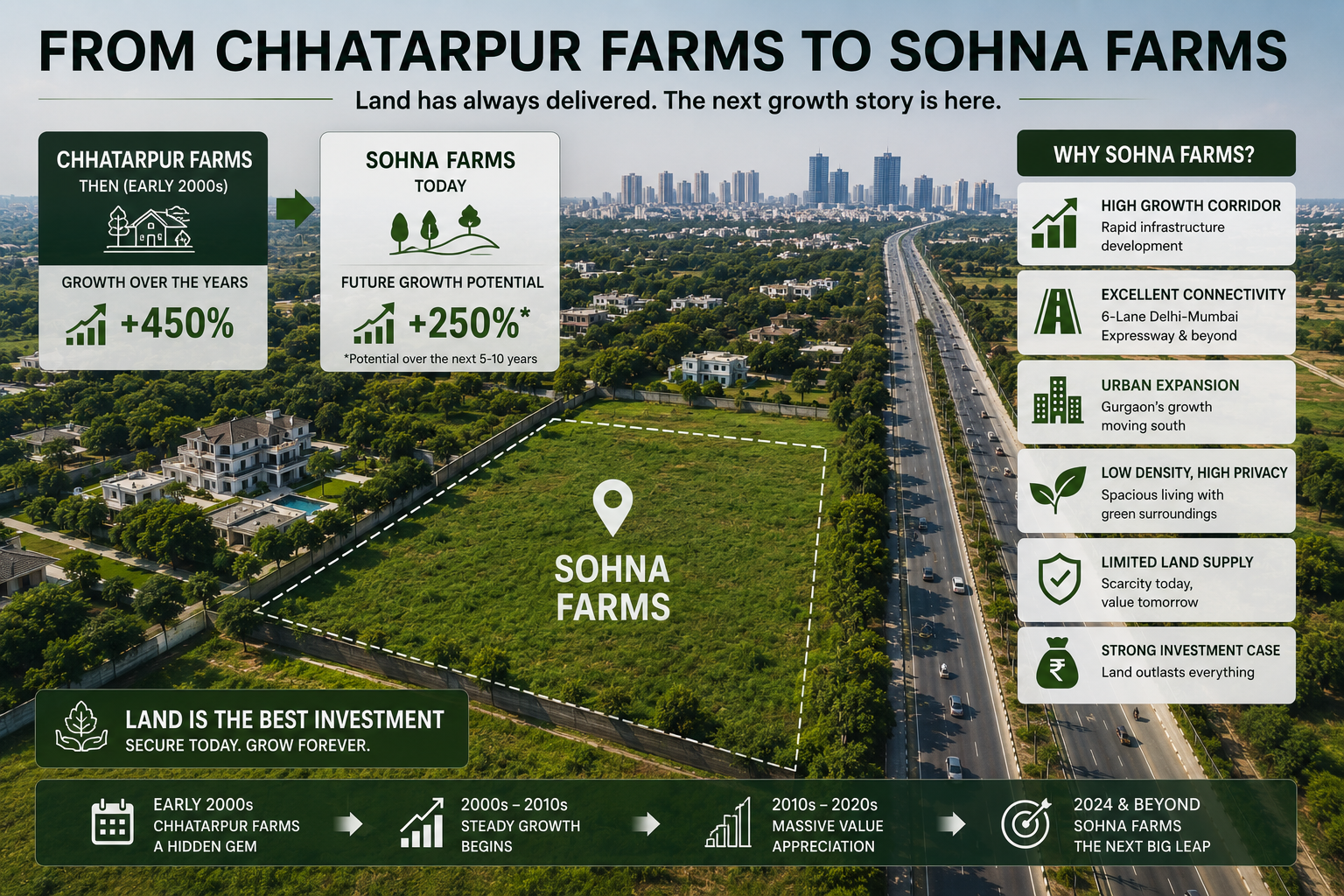
How Chhatarpur Farmhouses Created Multi-Crore Wealth for Early Buyers
What a quiet corner of South Delhi can teach investors about land, scarcity, and long-term wealth creation.
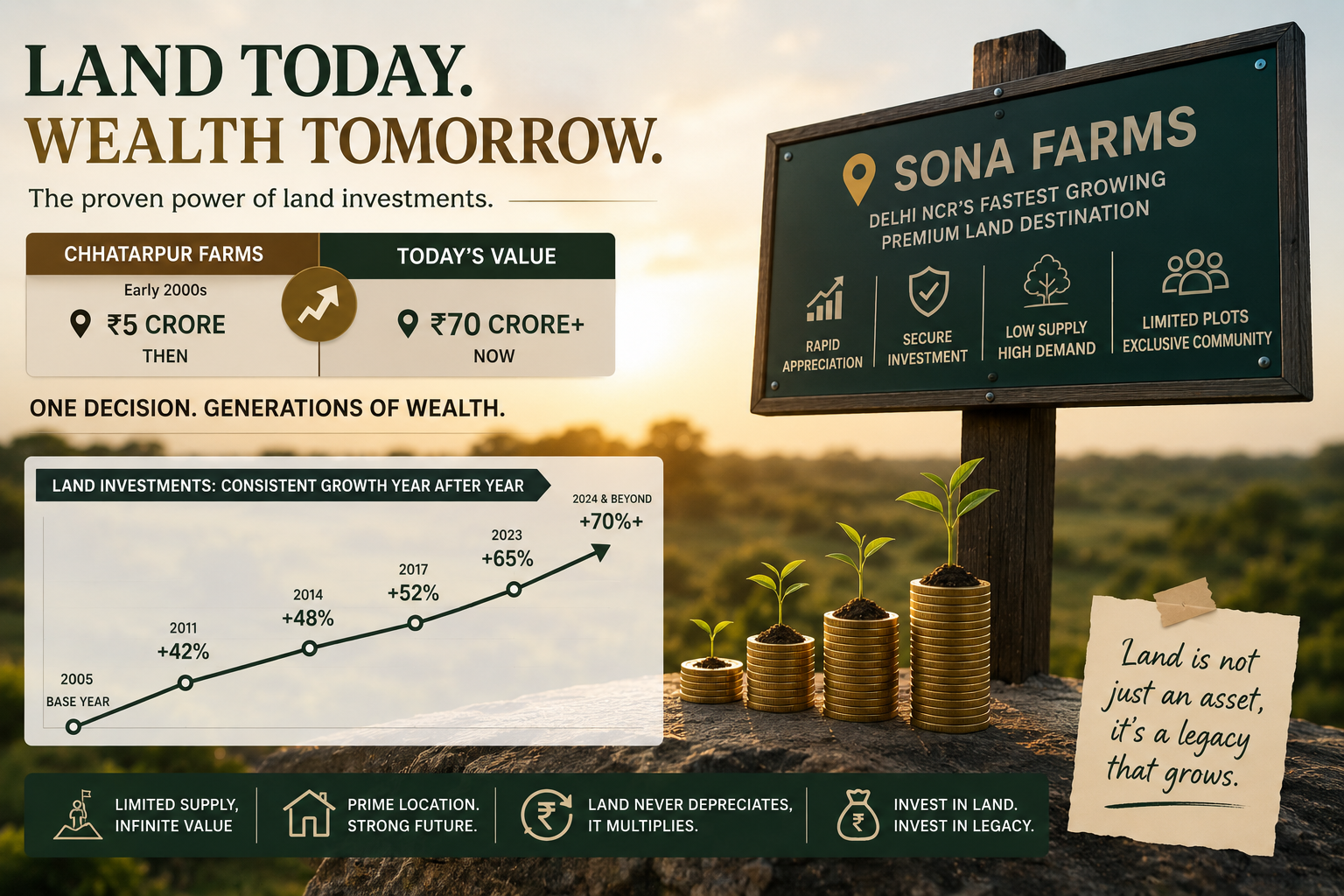
The ₹5 Crore Land Purchase That Became Worth ₹70 Crore
What the Story of DLF Chhatarpur Farms Reveals About Wealth Creation Through Premium Land Ownership
One short email. Stories you can use.
A free, occasional email from our editorial team with our latest features, explainers and reads. Unsubscribe any time — your email stays with us.