The European Marketplace Paradox: Creators Bypass Legacy Platforms
European digital commerce platforms, once bastions of consumer aggregation, are grappling with a paradigm shift as independent creators increasingly opt for direct-to-consumer models, challenging traditional affiliate structures and data ownership.

When a popular German beauty influencer recently launched a limited-edition skincare line, the sales funnel bypassed Amazon entirely, preferring Shopify as the primary storefront and leveraging TikTok's native commerce tools for discovery. This manoeuvre, increasingly common among digital tastemakers across the continent, underscores a growing fissure in Europe's creator commerce landscape. Established platforms, from Zalando's fashion dominance to Allegro's e-commerce stronghold in Poland, are discovering that their aggregation power is diminishing in direct proportion to creators' desires for greater control and higher margins.
For years, content creators functioned largely as marketing affiliates, driving traffic to retail giants like Carrefour's online portals or Bol.com in the Netherlands, earning commissions on sales. This model, while lucrative for some, effectively ceded ownership of customer data and relationships to the platform. The emergence of robust, user-friendly direct-to-consumer (D2C) infrastructure has inverted this dynamic, empowering creators to cultivate their own brand ecosystems.
This shift is not merely about higher commission rates; it is fundamentally about data. Understanding customer preferences, repeat purchase behaviour, and demographic insights is invaluable for product development and marketing strategy. Platforms like Vinted, which thrives on peer-to-peer fashion resale, offer a community-centric model, yet even here, top sellers are often building parallel channels to capture more direct engagement and analytics.
The Scramble for Creator Loyalty
The competitive landscape is pushing legacy retailers and marketplaces to adapt, albeit with varying degrees of success. Companies like Spain's Cdiscount or Germany's REWE, traditionally strong in groceries and general merchandise, are experimenting with influencer collaborations and dedicated brand storefronts within their ecosystems. The challenge lies in integrating these D2C-minded creators without re-imposing the very limitations they seek to escape.
One industry analyst observes that: "European marketplaces are facing a two-pronged assault: agile D2C brands taking market share, and content creators building parallel economies that siphon off traffic and attention."
The implications extend beyond brand partnerships. The rapid delivery sector, epitomised by former unicorns like Gorillas and Flink, also relied heavily on influencer marketing to drive initial adoption in markets like France and Germany. While those models faced financial headwinds, the underlying principle of direct consumer engagement through digital personalities remains potent, particularly for niche products or exclusive drops.
Consider the cross-border dynamics. A creator based in Milan might cultivate a significant following in France and Spain. Historically, driving these audiences to disparate national platforms, each with its own logistical hurdles, was cumbersome. A D2C approach, supported by pan-European shipping solutions, streamlines this, enabling a seamless purchase experience regardless of the consumer's location within the Eurozone. This direct route cuts out the middleman and reduces currency conversion complexities for the creator.
A Future Fragmented by Choice
The aggregated power of platforms like Lidl's digital offerings, or even the vast catalogue of an Amazon, still hold considerable sway, especially for commodity items. However, for products imbued with personal branding or artisanal appeal, the creator's direct channel is increasingly preferred. This bifurcation suggests a future where digital commerce is both highly consolidated for everyday purchases and highly fragmented for passion-driven consumption, presenting complex strategic decisions for both established players and emerging creators in Europe.
Ultimately, the battle for creator loyalty in Europe will be won not just on financial terms, but on the ability to provide robust tools, transparent data, and genuine partnership opportunities that empower creators rather than merely utilise them as marketing conduits. The €300 million market for influencer marketing in Germany alone, and over €1 billion across the EU, indicates the scale of this opportunity, yet its true value remains locked behind shifting power dynamics.
News Legacy maintains editorial independence. Some recommendations may contain affiliate links. We earn from qualifying purchases at no additional cost to you. Read our policy.
Read Next

Is Sohna Really the Next Chhatarpur?
Three decades after Chhatarpur redrew South Delhi's map for space, privacy and exclusivity, a familiar pattern is now taking shape further south, and Sohna is where the smart money is beginning to look.
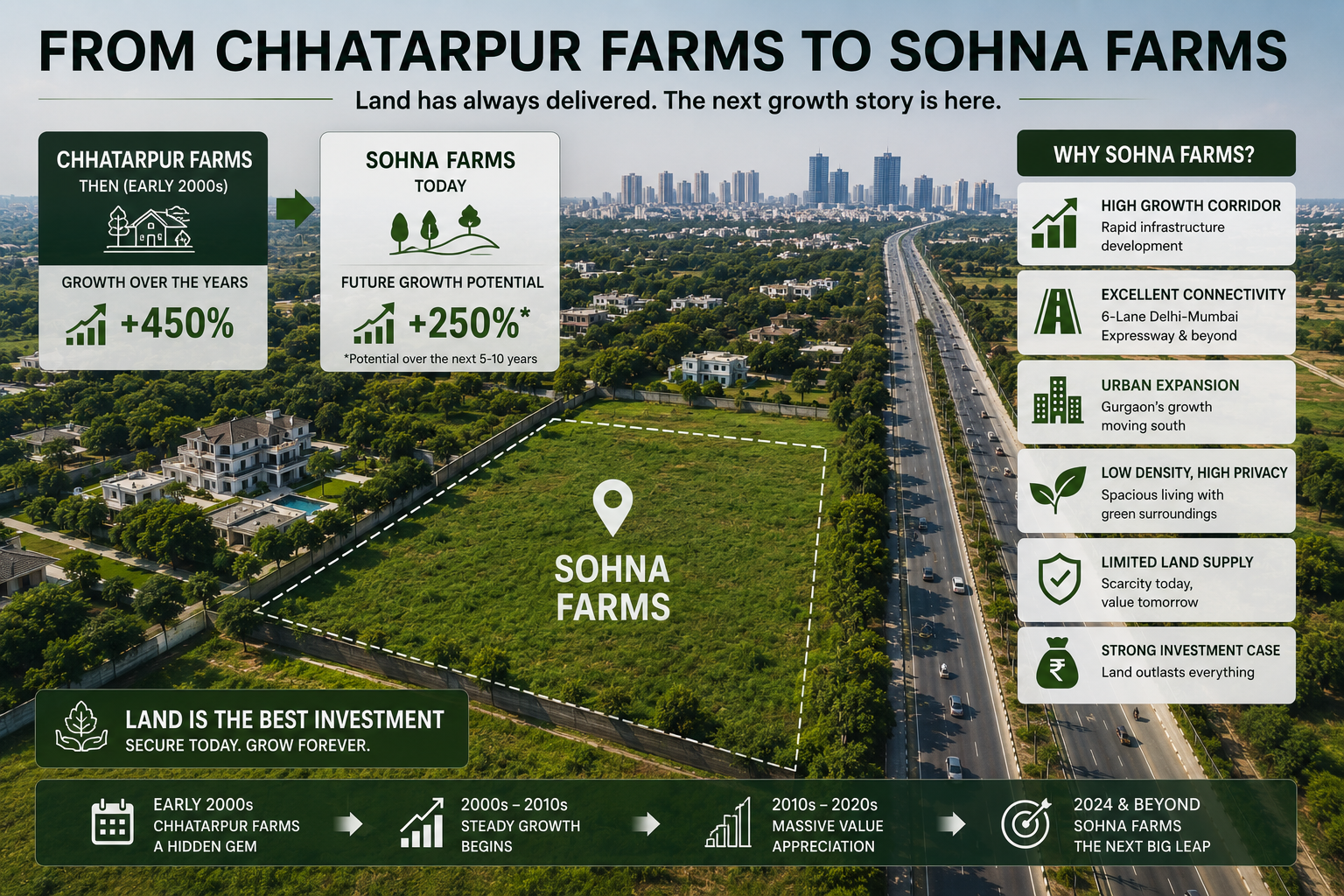
How Chhatarpur Farmhouses Created Multi-Crore Wealth for Early Buyers
What a quiet corner of South Delhi can teach investors about land, scarcity, and long-term wealth creation.
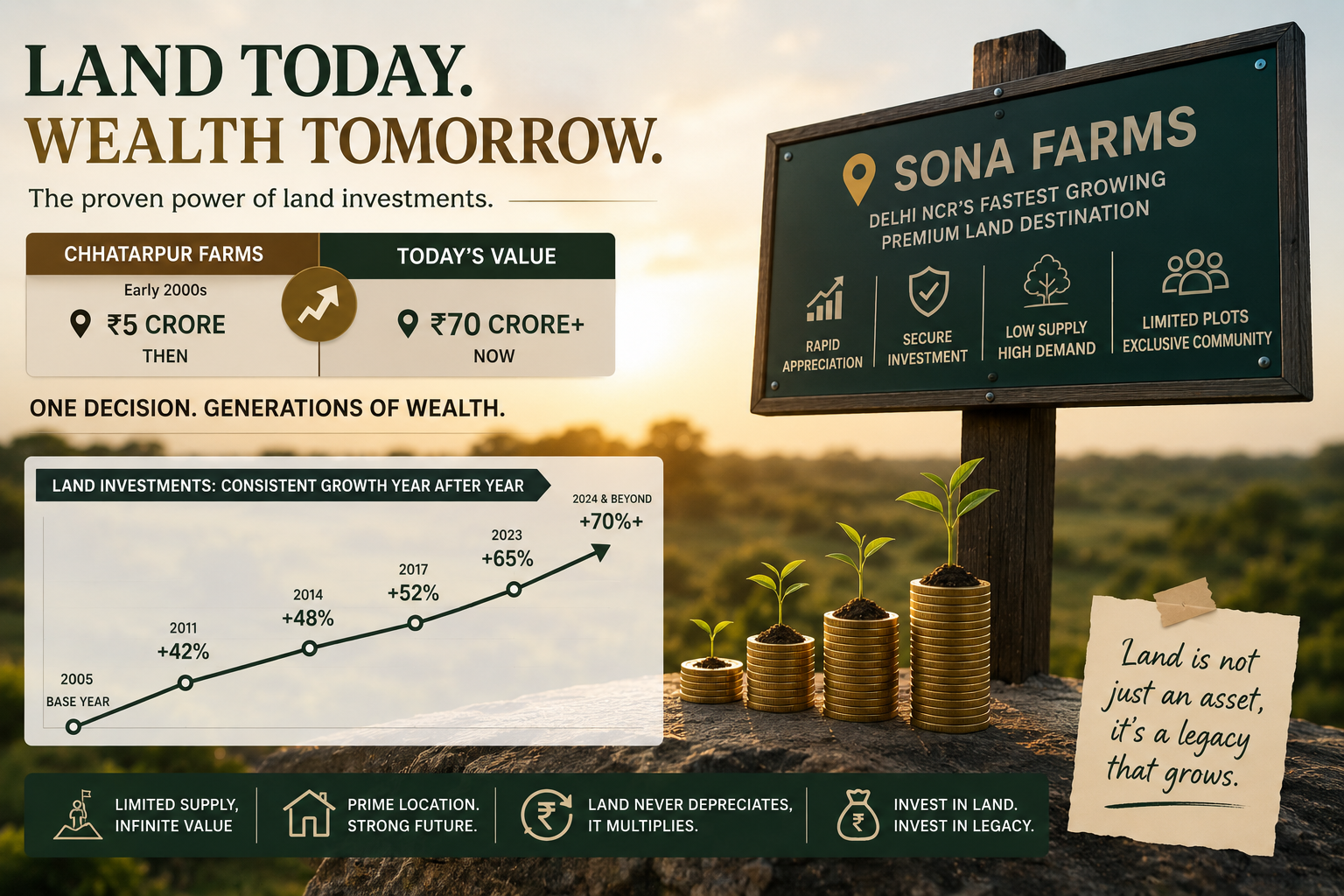
The ₹5 Crore Land Purchase That Became Worth ₹70 Crore
What the Story of DLF Chhatarpur Farms Reveals About Wealth Creation Through Premium Land Ownership
One short email. Stories you can use.
A free, occasional email from our editorial team with our latest features, explainers and reads. Unsubscribe any time — your email stays with us.