The European Marketplace Paradox: Local Depth Versus Cross-Border Reach
While pan-European e-commerce marketplaces promise seamless cross-border transactions, the enduring strength of local platforms across the continent presents a complex challenge to uniform expansion strategies.

In Germany, the ongoing market presence of Otto remains a significant factor, even amidst the expansive operations of Amazon. This persistence of national champions, or at least highly influential domestic players, characterises much of the European digital retail landscape. Major generalist platforms such as Zalando, despite their broad footprint in fashion, coexist with country-specific giants like Poland's Allegro or the Netherlands' Bol.com, highlighting a fragmentation that often eludes American market observers.
The initial vision for European digital commerce frequently suggested a convergence towards a few dominant pan-European players. The Single Market, theoretically, should facilitate such consolidation. However, linguistic diversity, nuanced consumer preferences, and established logistical networks have consistently reinforced local incumbents. Cdiscount in France, for instance, maintains a strong position against global competition by deeply understanding domestic purchasing habits and offering tailored services.
The Enduring Power of Proximity
Beyond general merchandise, the grocery sector offers another prime example. While services like the now-defunct Gorillas legacy and Flink attempted rapid European expansion, established retailers like Carrefour and REWE continue to leverage their extensive physical store networks for last-mile delivery. Lidl, known for its discount model, is also investing significantly in its digital presence, often adapting its e-commerce strategy market by market rather than pursuing a singular continental approach. This sector underscores that even in the digital age, 'local' often translates to a tangible competitive advantage.
This phenomenon extends to circular economy platforms. Vinted, originating from Lithuania, has achieved considerable success across multiple European markets, but its ascent has involved careful adaptation to local fashion sensibilities and shipping preferences. The second-hand market, in particular, thrives on a community aspect that benefits from perceived local relevance, even when transactions are cross-border.
One industry analyst observes that: "The default assumption of frictionless European digital expansion frequently underestimates the deeply embedded cultural and transactional specificities that define purchasing behaviour from Helsinki to Seville."
Navigating Regulatory and Logistical Labyrinths
The regulatory environment further complicates cross-border aspirations. While the EU aims for harmonisation, variations in consumer protection laws, data privacy regulations, and tax structures between member states can create significant overheads for companies operating across numerous borders. For a small or medium-sized enterprise, selling across the Germany-France border might involve navigating different return policies or payment preferences, even within the Eurozone.
Logistical realities also play a crucial role. Shipping infrastructure, while improving, still presents challenges. The cost and speed of parcel delivery from, say, a vendor in Italy to a customer in Sweden can still be prohibitive compared to domestic options. This often tips the scales in favour of local fulfillment networks, bolstering the position of entrenched national players who have optimised these routes over decades.
Looking forward, the marketplace landscape in Europe will likely remain a patchwork of global giants, regional powerhouses, and national specialists. Companies aiming for true pan-European dominance must not only offer competitive pricing and selection but also demonstrate a profound understanding of local consumer psychology and operational intricacies. The aspiration for a singular European digital high street confronts the reality of persistent and varied national lanes.
News Legacy maintains editorial independence. Some recommendations may contain affiliate links. We earn from qualifying purchases at no additional cost to you. Read our policy.
Read Next

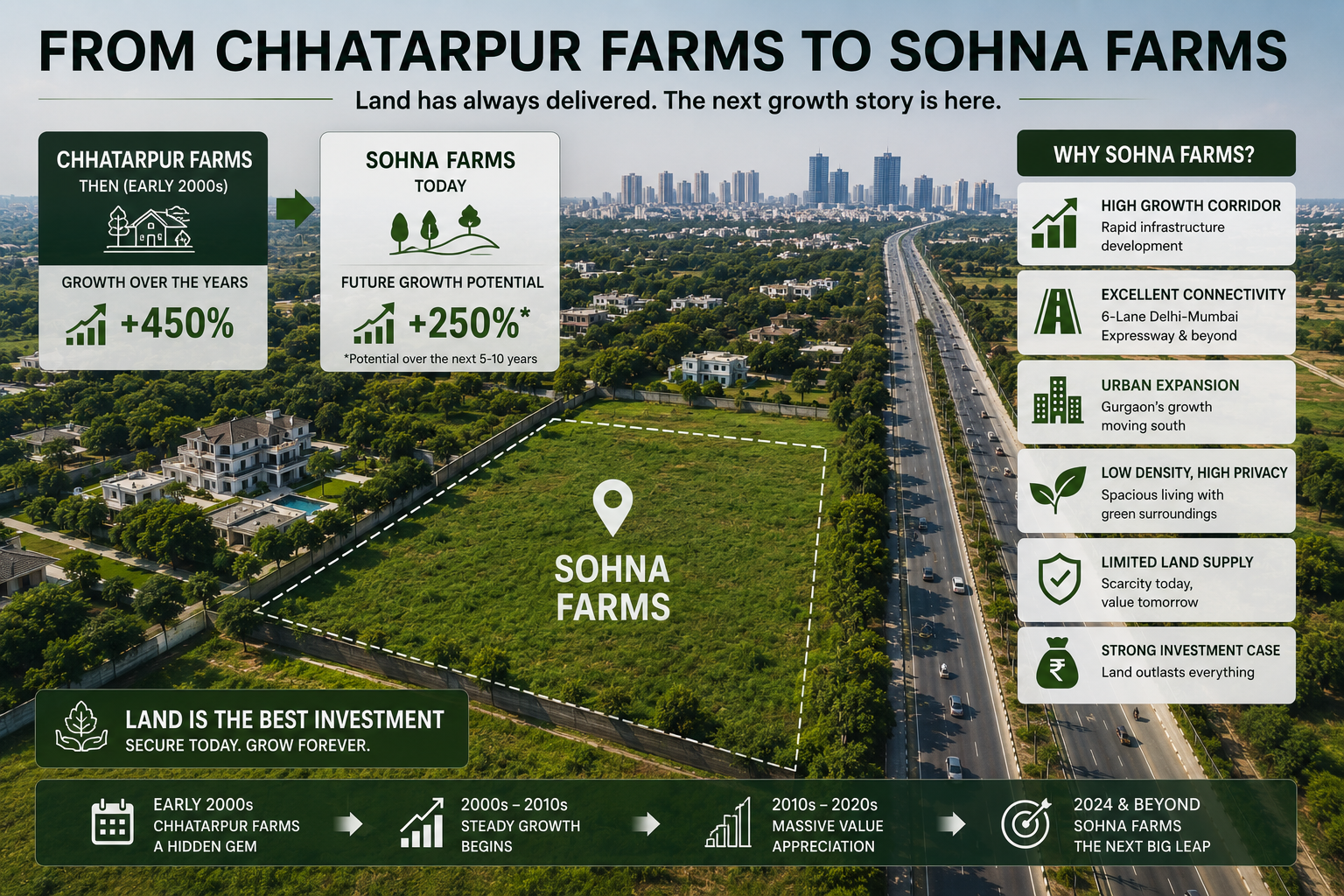
Is Sohna Really the Next Chhatarpur?
Three decades after Chhatarpur redrew South Delhi's map for space, privacy and exclusivity, a familiar pattern is now taking shape further south, and Sohna is where the smart money is beginning to look.
How Chhatarpur Farmhouses Created Multi-Crore Wealth for Early Buyers
What a quiet corner of South Delhi can teach investors about land, scarcity, and long-term wealth creation.

The ₹5 Crore Land Purchase That Became Worth ₹70 Crore
What the Story of DLF Chhatarpur Farms Reveals About Wealth Creation Through Premium Land Ownership
One short email. Stories you can use.
A free, occasional email from our editorial team with our latest features, explainers and reads. Unsubscribe any time — your email stays with us.