The European Marketplace Paradox: Local Lines, Global Ambitions
Across Europe, digital marketplaces are navigating a complex landscape defined by fragmented consumer preferences, regulatory divergence, and the persistent pull of local brand loyalty, even as they pursue continental scale.

Even as Zalando consolidates its fashion dominance, reporting over €10 billion in gross merchandise volume for 2022, the underlying reality for European e-commerce marketplaces remains one of persistent national and regional segmentation. The vision of a single digital market, while often articulated in Brussels, frequently collides with the diverse shopping habits and distinct competitive environments between nations like France, Germany, Italy, and Poland. Understanding this dynamic is crucial for any retailer or technology provider seeking to scale across the continent.
The inherent complexities are multifaceted. Consumer expectations for delivery, returns, and customer service vary significantly. A German shopper, for instance, might prioritise efficient returns processes, while an Italian consumer could place a higher premium on bespoke product descriptions. Regulatory frameworks, despite EU harmonisation efforts, still present substantial hurdles, from data privacy nuances to differing interpretations of consumer protection laws, forcing platforms to adapt their operations market by market.
The Endurance of National Champions
Evidence of this fragmentation is visible in the continued strength of national champions. In Poland, Allegro maintains its formidable position, fending off international challengers through a deep understanding of local logistics and payment preferences. Similarly, Bol.com holds sway in the Netherlands and Belgium, cultivating a brand identity resonant with its domestic audience. Even in France, Cdiscount retains a significant market share, despite the pervasive presence of global giants and the resurgence of traditional retailers like Carrefour expanding their digital offerings.
These indigenous players often boast superior local logistical networks and established trust among their customer bases, factors that are difficult for new entrants to replicate quickly. Their ability to tailor assortments and marketing campaigns to specific cultural nuances provides a crucial competitive edge that belies the apparent homogenisation of online retail.
Furthermore, the recent history of rapid grocery delivery platforms, such as the struggles faced by Gorillas and Flink in scaling profitably across diverse European cities, underscores the operational difficulties of achieving continent-wide consistency. Urban density, labour laws, and delivery infrastructure differ profoundly from Berlin to Paris to Barcelona, leading to significant variations in unit economics and market viability.
Cross-Border Opportunities and Challenges
The allure of a single market with 450 million consumers remains powerful, but the path to unlocking it resembles a mosaic, not a monolith. Success demands both broad technical infrastructure and granular local insight.
Despite these challenges, the economic imperative for cross-border trade remains robust. Platforms like Vinted, initially strong in Lithuania and now expanding across Western Europe, demonstrate that a compelling value proposition can transcend national boundaries, particularly for categories with universal appeal and lower logistical friction. Supermarket groups like REWE and Lidl are investing heavily in their digital operations, recognising that while day-to-day grocery might be local, the underlying technology infrastructure and supplier relationships can benefit from scale.
The ongoing evolution involves platforms seeking a delicate balance: leveraging centralised technology and operational efficiencies where possible, while decentralising merchandising, marketing, and customer service to honour local specificities. This hybrid strategy allows for economies of scale in backend functions, such as payment processing and data analytics, while acknowledging that a one-size-fits-all approach to the front-end consumer experience is largely untenable across the European Union.
Ultimately, the competitive landscape is not simply about being the largest, but about being the most adaptable. The marketplaces that will thrive are those capable of navigating the complex interplay between continental aspirations and the enduring integrity of national consumer behaviours and regulatory environments. This requires continuous investment in both sophisticated data analytics and on-the-ground human intelligence, a dual endeavour reflecting the intricate nature of European commerce.
News Legacy maintains editorial independence. Some recommendations may contain affiliate links. We earn from qualifying purchases at no additional cost to you. Read our policy.
Read Next

Is Sohna Really the Next Chhatarpur?
Three decades after Chhatarpur redrew South Delhi's map for space, privacy and exclusivity, a familiar pattern is now taking shape further south, and Sohna is where the smart money is beginning to look.
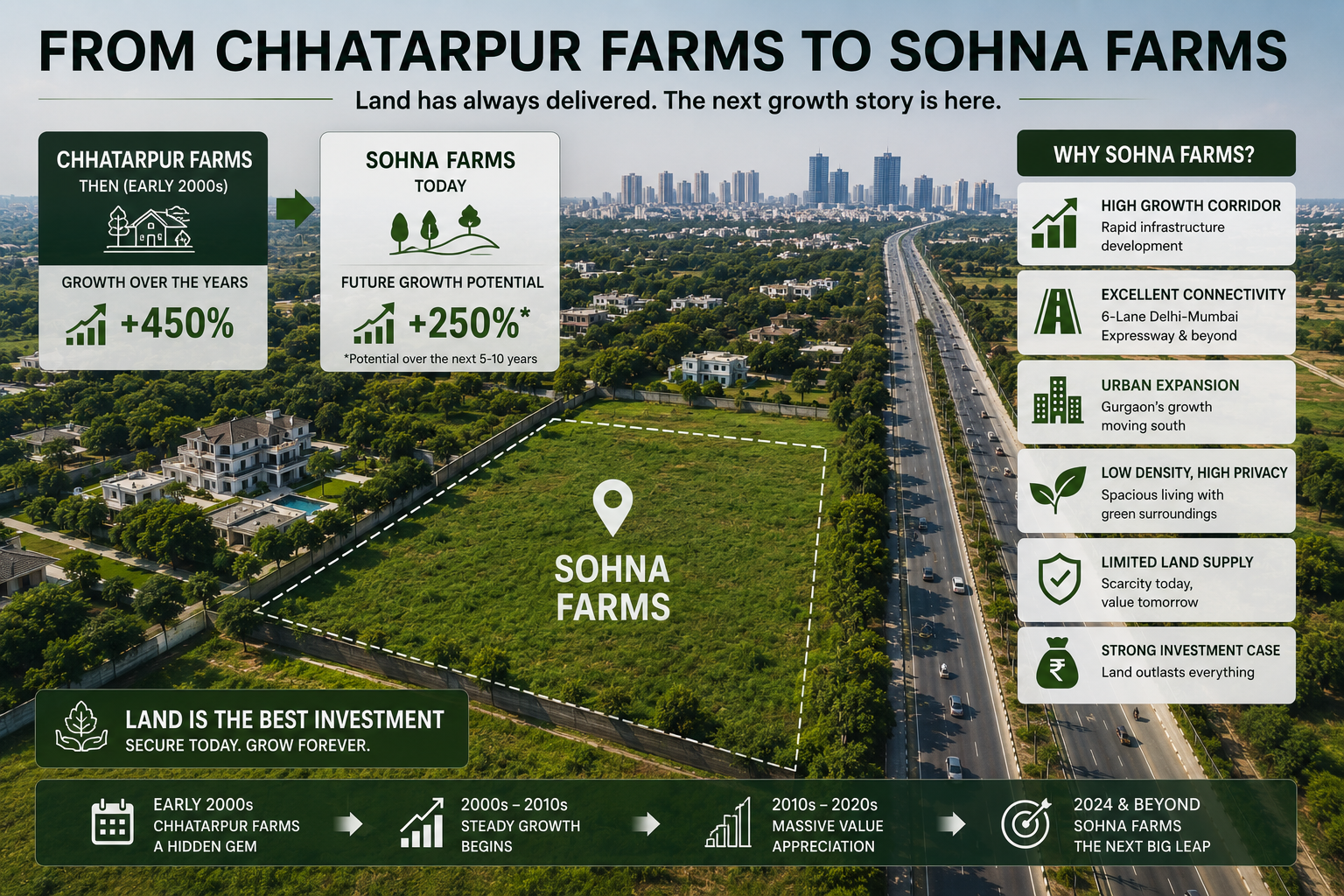
How Chhatarpur Farmhouses Created Multi-Crore Wealth for Early Buyers
What a quiet corner of South Delhi can teach investors about land, scarcity, and long-term wealth creation.
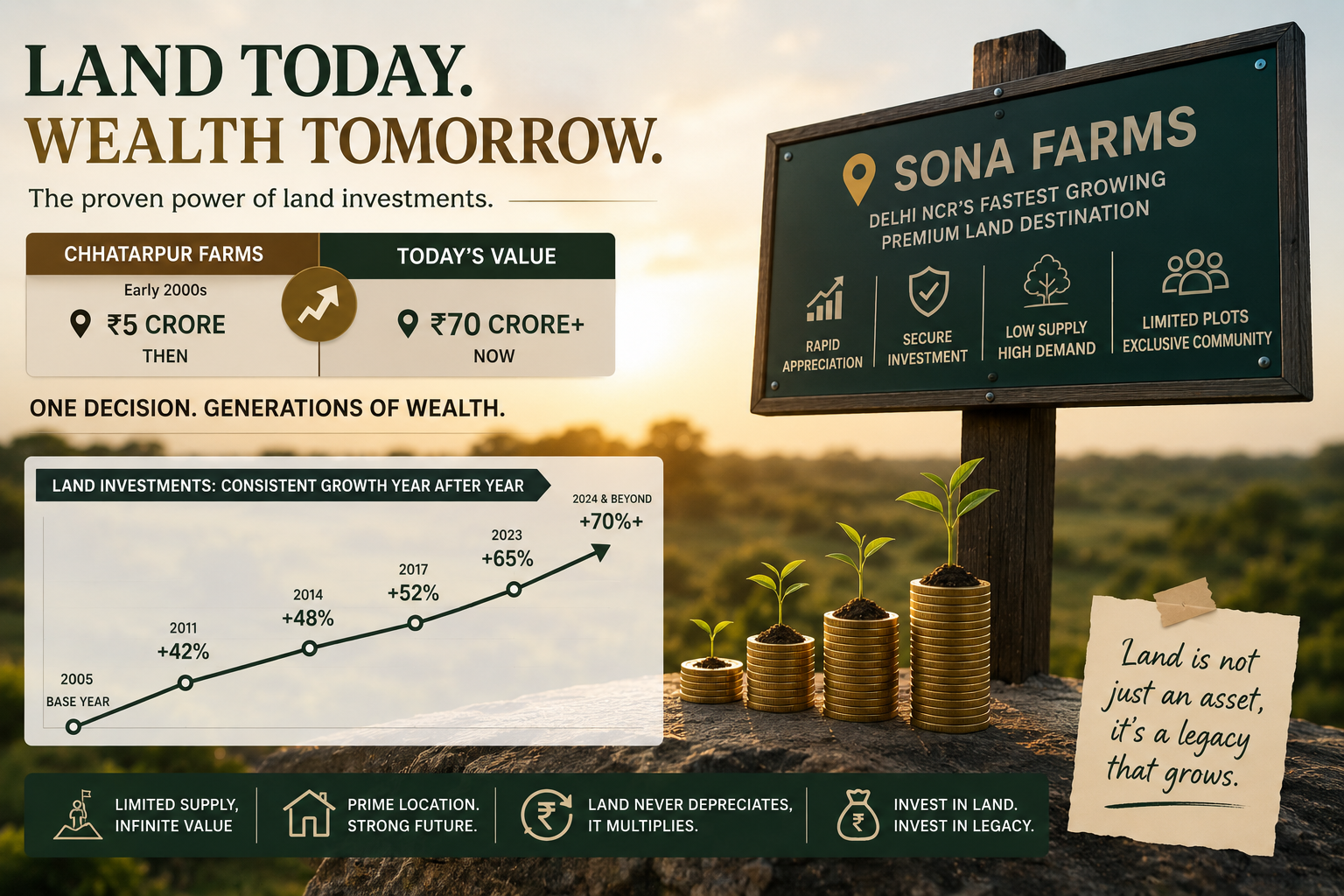
The ₹5 Crore Land Purchase That Became Worth ₹70 Crore
What the Story of DLF Chhatarpur Farms Reveals About Wealth Creation Through Premium Land Ownership
One short email. Stories you can use.
A free, occasional email from our editorial team with our latest features, explainers and reads. Unsubscribe any time — your email stays with us.