The Fissures in Britain's Retail Consumption Landscape
Persistent inflationary pressures and shifts in disposable income are reshaping consumer choices across the United Kingdom, revealing divergent spending patterns that challenge conventional retail strategies.

Even as Ocado reports a modest return to profit and Tesco reiterates its market leadership, a deeper examination of the British consumer reveals a more complex narrative than headline figures suggest. While some segments of the population continue to frequent premium offerings, a significant proportion are engaging in more rigorous budgeting, driving a pronounced bifurcation in the retail sector that warrants closer scrutiny.
The sustained cost-of-living increases have compelled a substantial segment of households to adjust their purchasing habits. For many, this translates into a pivot towards discounters or private-label goods within larger supermarkets. Data from Kantar often underscores a migration of shoppers from traditional grocery stalwarts like Sainsbury's towards more value-oriented propositions, or a reduction in overall basket size, particularly in discretionary categories.
Conversely, the affluent demographic demonstrates remarkable resilience. Luxury goods and high-end services continue to see robust demand, albeit from a smaller pool of consumers. This dichotomy is not merely about rich versus poor; it extends to a growing middle-class squeeze, where aspiration meets fiscal reality, leading to trade-offs between essential and discretionary spending.
The Endurance of Convenience and Experience
Despite economic headwinds, the appeal of convenience and curated experiences endures for those who can afford it. The rapid expansion of quick-commerce platforms, exemplified by Deliveroo and Just Eat, despite their struggles for consistent profitability, signifies a willingness to pay a premium for immediacy. Similarly, while Marks & Spencer's food division continues to outperform its clothing arm, its success partly rests on its positioning as an accessible premium option for routine purchases, even for those carefully managing their budgets.
The online fashion segment, once a growth engine, illustrates this volatility acutely. ASOS, for instance, has grappled with significant operational challenges and shifting consumer sentiment, indicating that the 'fast fashion' model faces increased scrutiny not only from an ethical standpoint but also from consumers prioritising value and durability amidst constrained budgets. In contrast, Next has shown more resilience, partly due to its diversified model and more stable customer base.
The retail landscape is further complicated by generational differences in spending priorities. Younger consumers, often facing higher housing costs and student loan burdens, tend to allocate a larger share of their income to experiences over material goods, or opt for second-hand markets. This poses a long-term structural challenge for traditional retailers reliant on continuous acquisition of new physical consumer products.
Navigating the Value-Quality Spectrum
Retailers are now contending with a consumer base that is increasingly adept at navigating the value-quality spectrum. Shoppers are more inclined to 'mix and match' – perhaps opting for premium meat from a specialist butcher while purchasing staples from a discounter. This requires a nuanced strategy from retailers, moving beyond simple price reductions to offering demonstrable value across their product ranges, whether through quality, provenance, or ethical considerations.
The era of undifferentiated mid-market retail faces an existential threat as consumers either trade down decisively or seek out genuine distinction and quality.
The implications for profitability are profound. Retailers accustomed to predictable consumption patterns must now contend with a fragmented market demanding greater agility. Investment in data analytics to understand these granular shifts in consumer behaviour, coupled with flexible supply chains, will be critical for navigating the current economic climate and securing future market share.
The next few years will likely see further consolidation and strategic recalibration within the UK retail sector, as businesses adapt to a consumer populace that is both more discerning and more fiscally prudent in specific categories, yet willing to spend on perceived value or convenience where it genuinely enhances their lifestyle.
News Legacy maintains editorial independence. Some recommendations may contain affiliate links. We earn from qualifying purchases at no additional cost to you. Read our policy.
Read Next

Is Sohna Really the Next Chhatarpur?
Three decades after Chhatarpur redrew South Delhi's map for space, privacy and exclusivity, a familiar pattern is now taking shape further south, and Sohna is where the smart money is beginning to look.
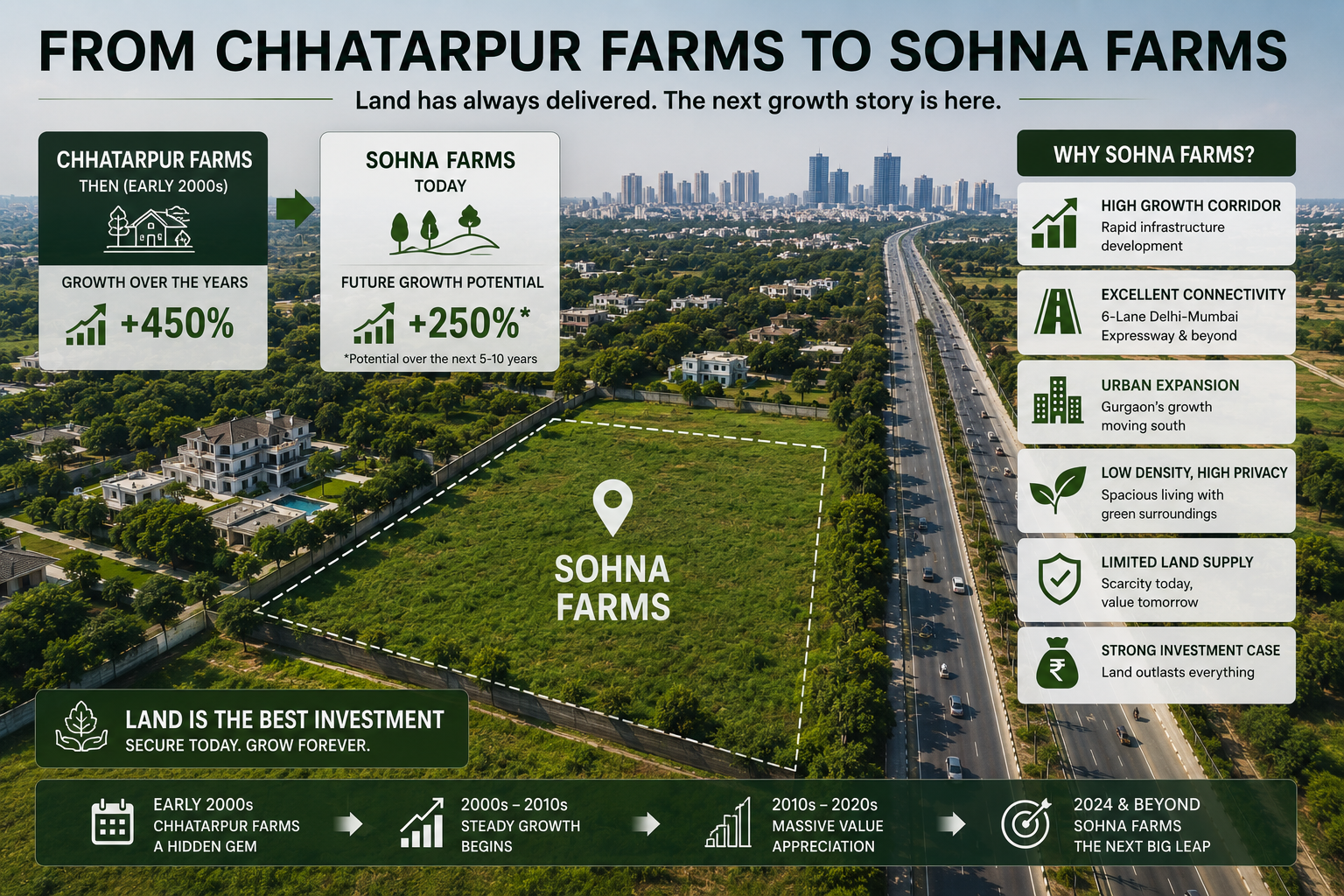
How Chhatarpur Farmhouses Created Multi-Crore Wealth for Early Buyers
What a quiet corner of South Delhi can teach investors about land, scarcity, and long-term wealth creation.
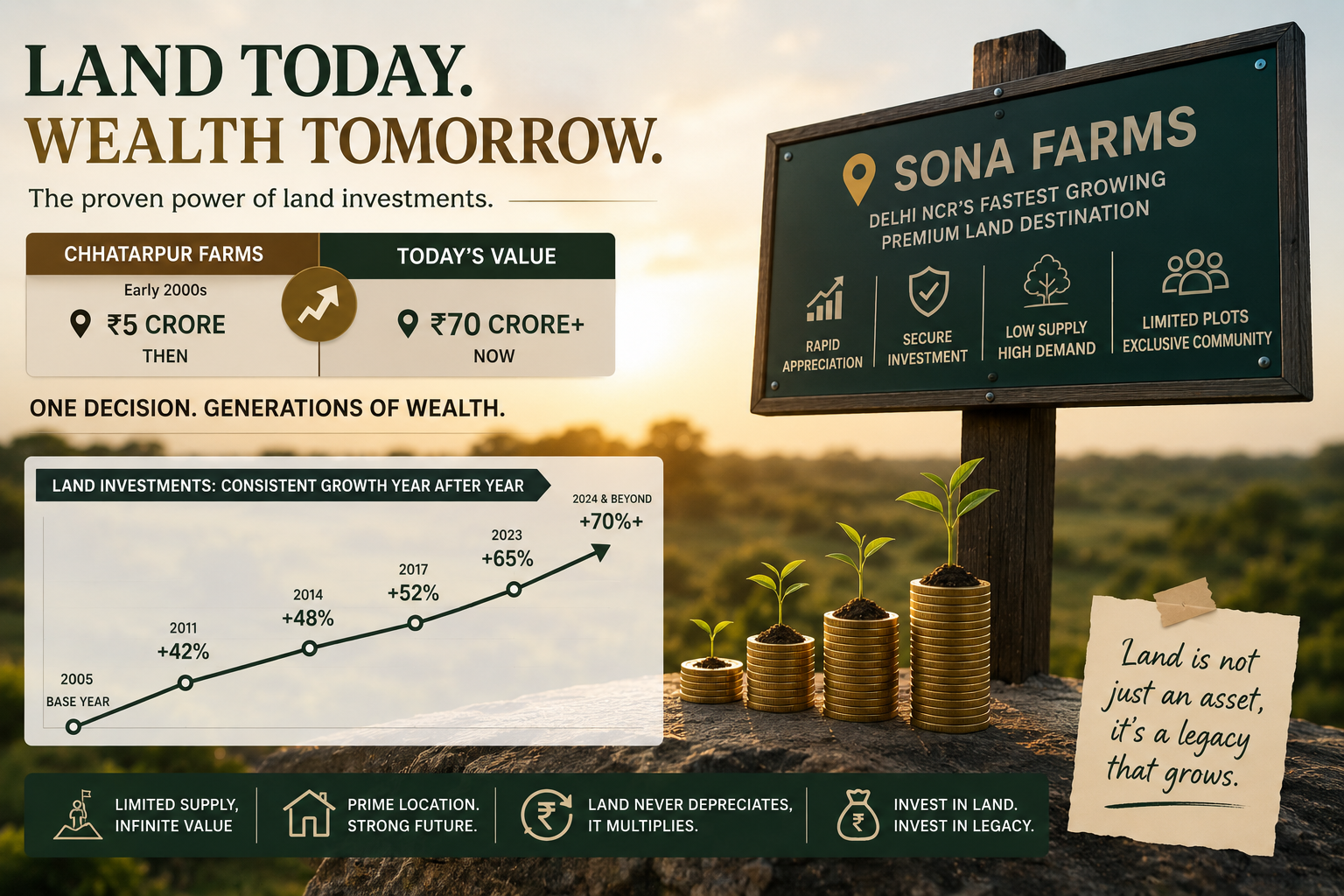
The ₹5 Crore Land Purchase That Became Worth ₹70 Crore
What the Story of DLF Chhatarpur Farms Reveals About Wealth Creation Through Premium Land Ownership
One short email. Stories you can use.
A free, occasional email from our editorial team with our latest features, explainers and reads. Unsubscribe any time — your email stays with us.