The Fractional Enterprise: How Creators Are Remaking the Retail Supply Chain
Individual content creators are increasingly assembling bespoke retail operations, bypassing traditional aggregators and integrating directly into the logistics and fulfillment infrastructure, signaling a significant shift in e-commerce dynamics.

When a user clicks on a 'Shop now' link from a TikTok influencer demonstrating a new skincare line, the subsequent journey of that product from warehouse to doorstep increasingly bypasses the familiar storefronts of Amazon or Target. This evolving direct-to-consumer pathway, facilitated by an expanding ecosystem of third-party logistics and payment processors, represents a fundamental re-architecture of the retail supply chain, placing individual creators at its administrative center.
Previously, creators primarily functioned as marketing affiliates, driving traffic to established retailers in exchange for a commission. Their role was largely promotional. The creator commerce model today transforms them into micro-entrepreneurs managing inventory, processing payments, and overseeing fulfillment, often without owning a single physical store or dedicated distribution center. This decentralization marks a departure from the established retail paradigm, where scale and infrastructure were prerequisites for market entry.
The Unbundling of Retail Services
The operational heavy lifting once handled internally by large retailers is now being disaggregated and offered as modular services. Companies like Shopify, which powers millions of independent storefronts, have extended their offerings beyond e-commerce platforms to include payment processing and an expanding logistics network via partners. This allows a creator to sign up for a service, upload product listings, and immediately access a global shipping infrastructure, paying for these services on a transactional basis rather than investing in upfront capital expenditure.
This shift is evident in the accelerating adoption of third-party logistics (3PL) providers among creator-led brands. Fulfillment by Amazon has long offered a blueprint, but a wider field of competitors, including newer entrants specializing in direct-to-consumer brands, now provides similar or more tailored solutions. A creator selling artisanal candles, for instance, can offload inventory to a 3PL warehouse in Ohio, knowing orders placed through their Shopify store will be picked, packed, and shipped across the country without direct intervention.
The financial implications are substantial. By leveraging fractional services, creators minimize overheads and inventory risk, lowering the barrier to market entry. This lean operational structure enables rapid iteration on product lines and responsive scaling, capabilities often cumbersome for legacy retailers burdened by extensive fixed costs and centralized decision-making processes.
The agility of these creator-led enterprises challenges the traditional retail model's economies of scale, substituting centralized efficiency with distributed flexibility.
American consumers are increasingly comfortable purchasing directly from social media feeds. Data suggests a double-digit increase in social commerce transactions year-over-year, particularly among younger demographics. This comfort, combined with the personalized recommendations inherent in creator content, fuels the growth of these independent retail channels. Instacart, for example, has seen success by enabling purchases directly from grocery content, demonstrating a similar trend in perishable goods.
Network Effects and the Future of Curation
The success of creator commerce also hinges on its ability to build communities and trust, which translates directly into purchase intent. Unlike the broad, often impersonal discovery mechanisms of a Walmart or Costco, creator channels offer curated selections vetted by a trusted voice. This curation acts as a powerful filter in an era of abundant choice, guiding consumers toward specific products with conviction.
Looking forward, this model could reshape how new products gain traction. Instead of vying for shelf space in a crowded national retailer, emerging brands might first establish themselves through a network of influential creators, cultivating demand on a granular level before considering broader distribution. This bottom-up market penetration strategy represents a potent alternative to traditional merchandising, pointing towards a future where retail discovery is profoundly personalized and fragmented.
News Legacy maintains editorial independence. Some recommendations may contain affiliate links. We earn from qualifying purchases at no additional cost to you. Read our policy.
Read Next

Is Sohna Really the Next Chhatarpur?
Three decades after Chhatarpur redrew South Delhi's map for space, privacy and exclusivity, a familiar pattern is now taking shape further south, and Sohna is where the smart money is beginning to look.
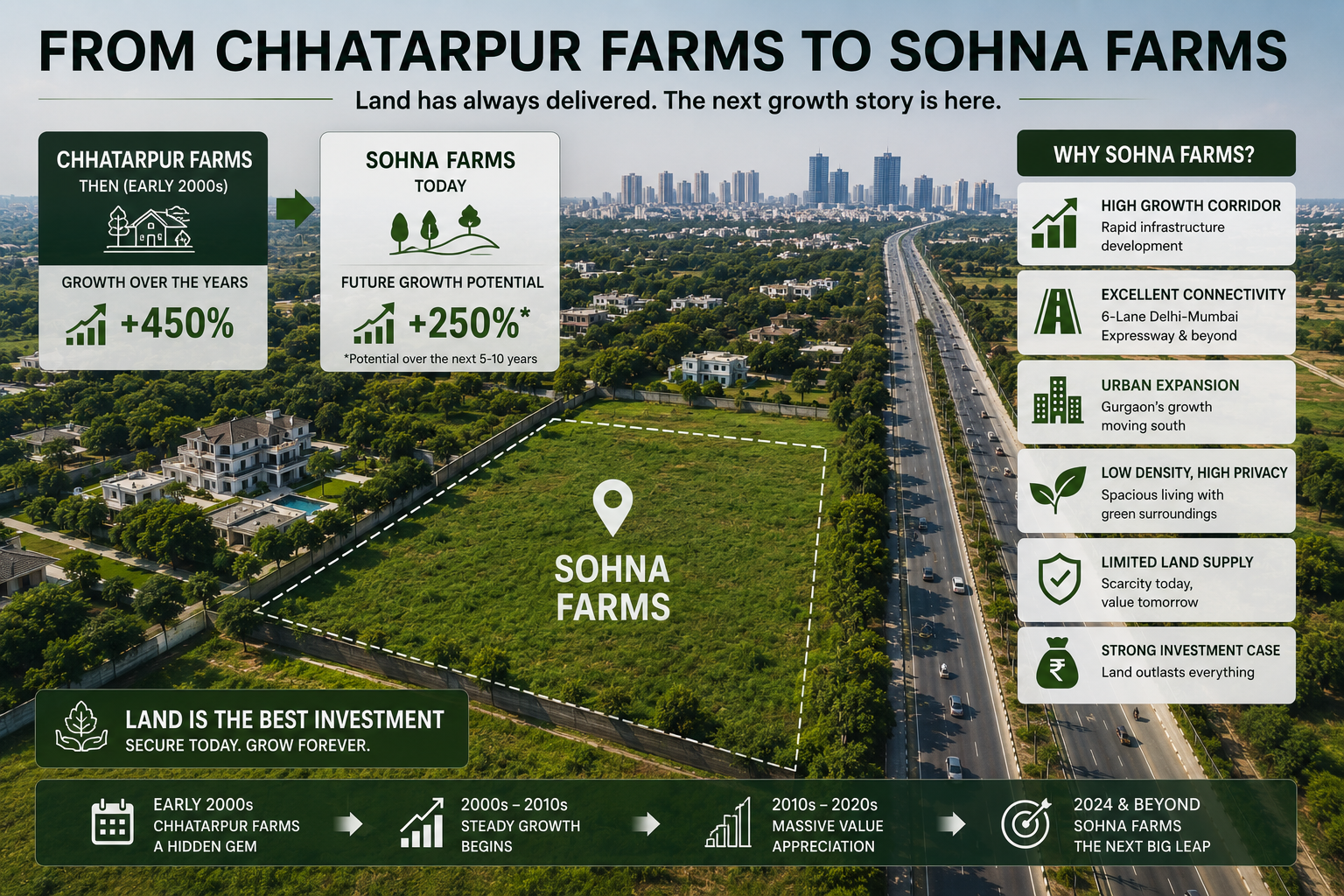
How Chhatarpur Farmhouses Created Multi-Crore Wealth for Early Buyers
What a quiet corner of South Delhi can teach investors about land, scarcity, and long-term wealth creation.
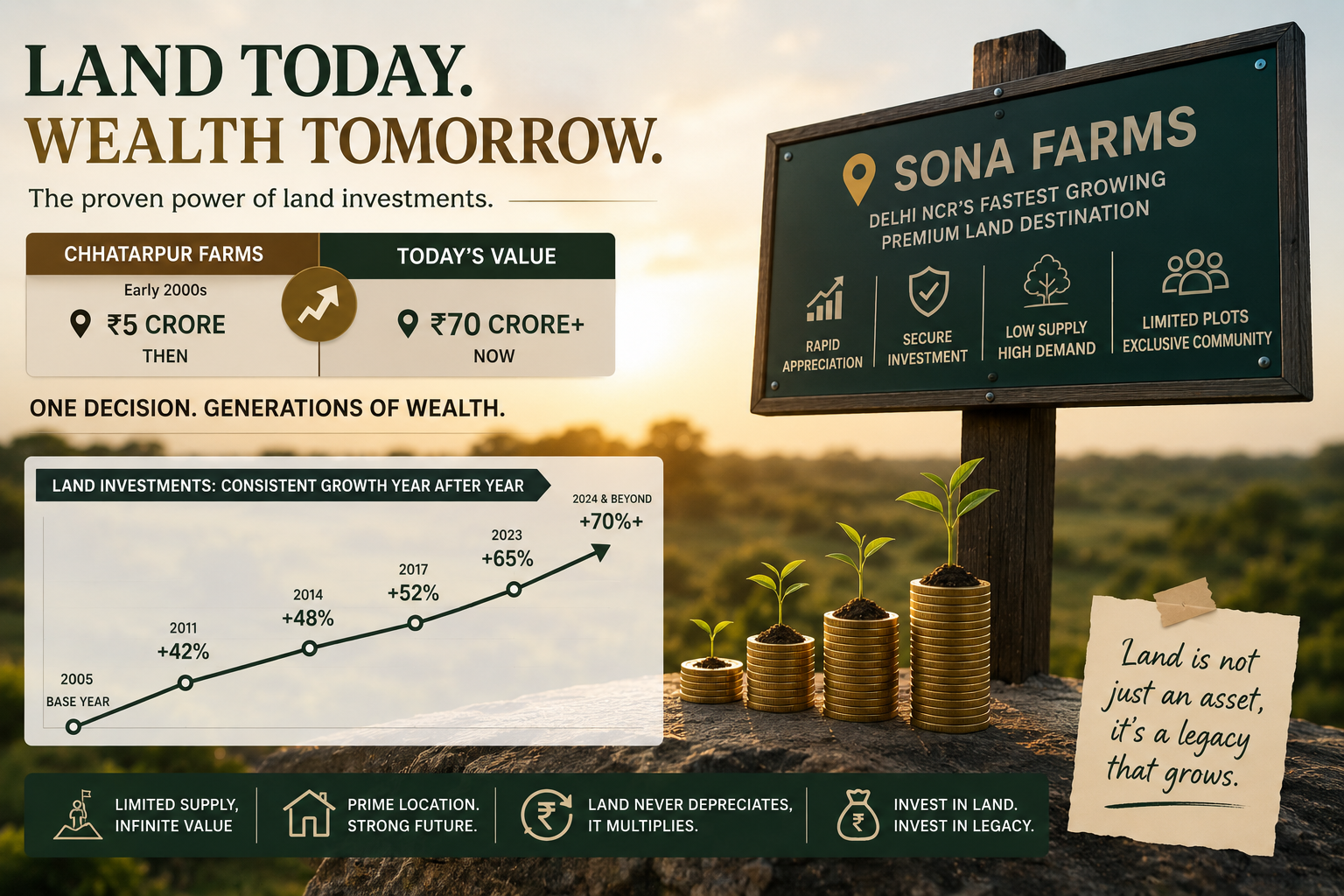
The ₹5 Crore Land Purchase That Became Worth ₹70 Crore
What the Story of DLF Chhatarpur Farms Reveals About Wealth Creation Through Premium Land Ownership
One short email. Stories you can use.
A free, occasional email from our editorial team with our latest features, explainers and reads. Unsubscribe any time — your email stays with us.