The Fragmented Frontier: Navigating Europe's Retail Convergence and Divergence
European retail is not a monolithic entity; its digital and physical landscapes continue to evolve along distinct national and regional trajectories, presenting both opportunity and formidable challenges for players seeking cross-border dominance.

The recent financial disclosures from Zalando, despite a period of broader economic deceleration, underscore the nuanced performance across Europe’s diverse retail markets. While the German fashion giant reports steady progress in its core territories, the patchy adoption of e-commerce models and differing consumer expectations across the continent reveal a more complex picture than often assumed by global strategists. This heterogeneity shapes the strategies of both incumbents and challengers vying for market share in a region home to over 440 million consumers.
Across the Rhine, French retail giants like Carrefour are investing heavily in hybrid models, blending extensive physical store networks with robust click-and-collect and rapid delivery services. Their focus remains distinctly local, adapting product assortments and promotional strategies not just nationally, but often city by city. This contrasts with pure-play e-commerce entities that frequently encounter logistical and cultural barriers when attempting to scale a one-size-fits-all approach across jurisdictions with wildly varying regulatory frameworks and consumer habits.
The Enduring Pull of Localisation
Companies like Allegro in Poland and Bol.com in the Netherlands demonstrate the enduring power of deep local market penetration. These platforms have cultivated trust through bespoke services, often overcoming the initial advantage of global behemoths by understanding the minutiae of local payment preferences, delivery expectations, and product availability. Their success narrative suggests that while scale is beneficial, it is often secondary to granular adaptation in the European context.
The grocery sector provides a particularly vivid illustration of this dynamic. While rapid delivery startups such as the now-defunct Gorillas and Flink sought pan-European ubiquity, established players like REWE in Germany and Lidl, with its strong discount positioning across multiple nations, have meticulously built infrastructure tailored to national consumer needs. Their expansion has been incremental and deeply integrated, rather than predicated on a rapid, tech-driven land grab.
The notion of a single 'European consumer' remains largely a theoretical construct; distinct purchasing patterns persist, driven by everything from national cuisine to housing density and disposable income levels.
Cross-border e-commerce, while growing, faces friction from a multitude of factors. Language barriers, varying tax regimes, disparate consumer protection laws, and even differing return policies complicate seamless transactions. A Spanish consumer shopping from a German retailer or an Italian seeking goods from a Nordic e-commerce site often encounters higher shipping costs and less familiar customer service protocols, eroding the perceived benefits of a wider selection.
The market for second-hand goods, exemplified by platforms like Vinted, offers a different perspective. Its operational model, which largely decentralises logistics to individual users and leverages a strong community aspect, has found traction across several European markets. This suggests that certain business models can transcend national borders more effectively when they minimise direct logistical overheads and empower user-driven interactions, rather than relying on heavy, centralised infrastructure.
Investment Flows and Strategic Shifts
Venture capital flows into European retail tech continue, but with increasing discernment. Investors are scrutinising business models for genuine sustainability and clear paths to profitability, especially in rapid grocery delivery where saturation and thin margins have proven challenging. The strategic landscape is shifting from aggressive expansion at all costs to more calculated growth, focusing on operational efficiencies and securing market leadership within specific, viable niches.
The coming years will likely see continued consolidation among smaller players and further innovation from established enterprises. Success will increasingly hinge not just on digital prowess, but on the ability to deftly navigate the continent’s regulatory mosaic and connect with consumers through authentic, localised offerings that resonate far more deeply than any homogenised global strategy.
News Legacy maintains editorial independence. Some recommendations may contain affiliate links. We earn from qualifying purchases at no additional cost to you. Read our policy.
Read Next

Is Sohna Really the Next Chhatarpur?
Three decades after Chhatarpur redrew South Delhi's map for space, privacy and exclusivity, a familiar pattern is now taking shape further south, and Sohna is where the smart money is beginning to look.
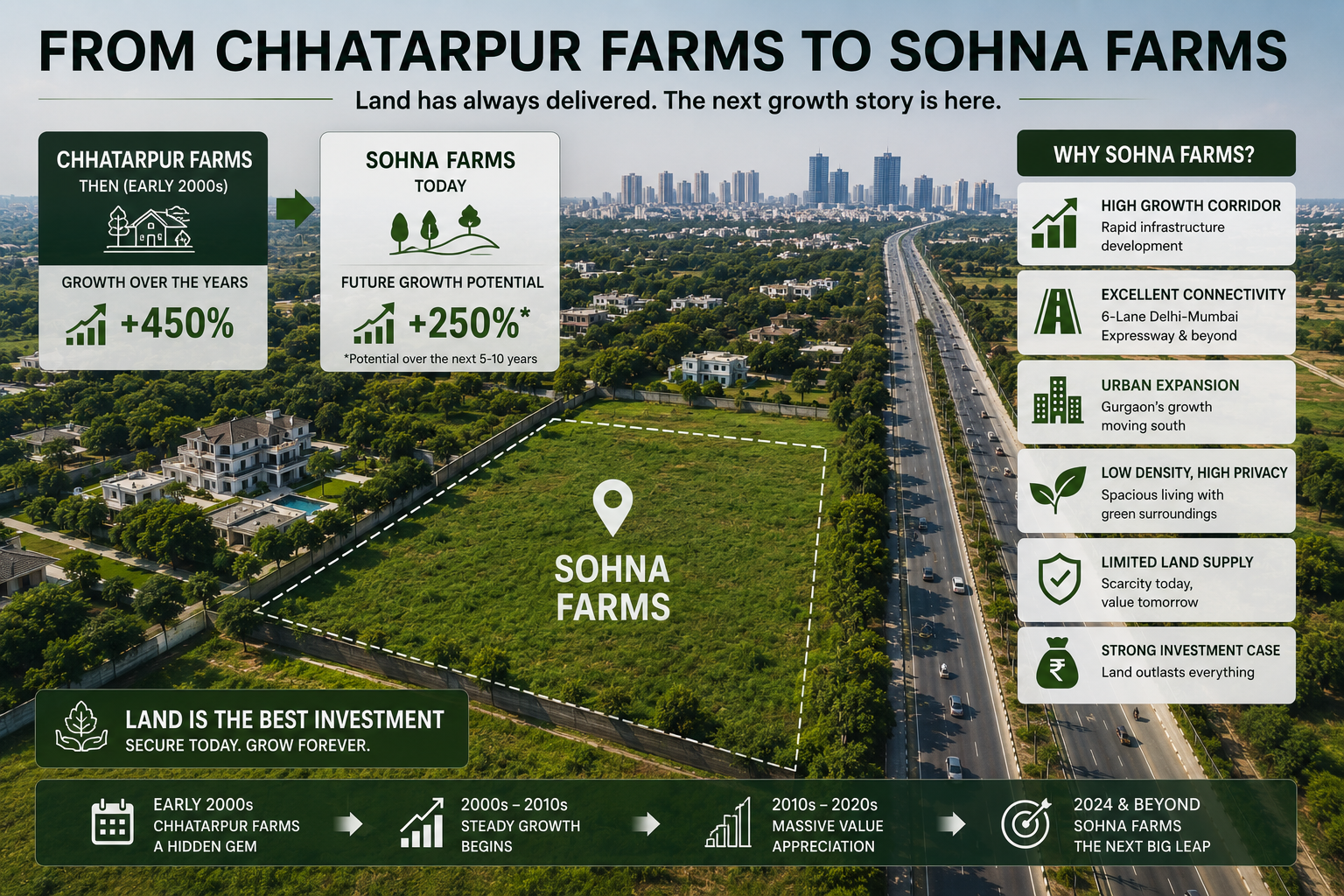
How Chhatarpur Farmhouses Created Multi-Crore Wealth for Early Buyers
What a quiet corner of South Delhi can teach investors about land, scarcity, and long-term wealth creation.
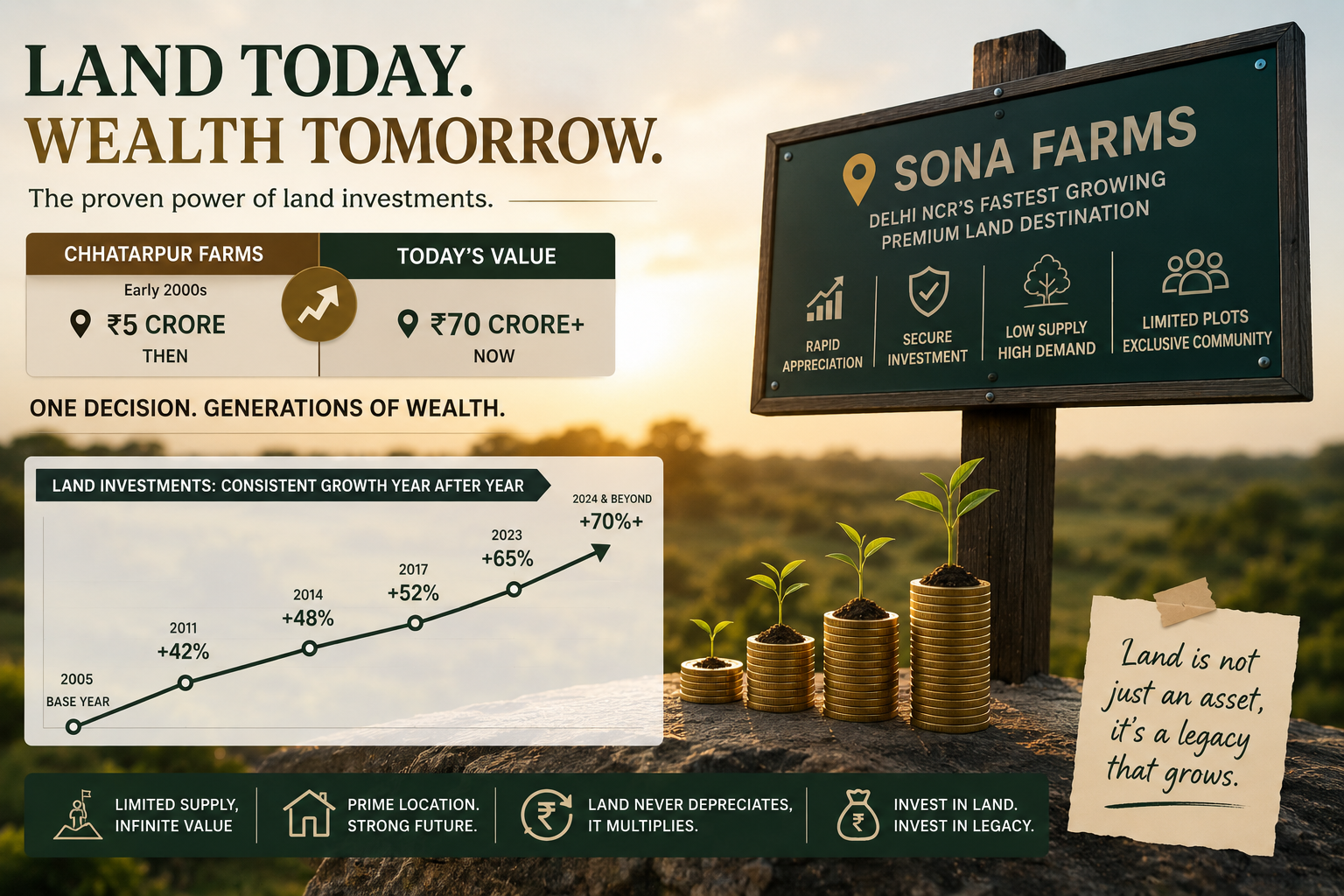
The ₹5 Crore Land Purchase That Became Worth ₹70 Crore
What the Story of DLF Chhatarpur Farms Reveals About Wealth Creation Through Premium Land Ownership
One short email. Stories you can use.
A free, occasional email from our editorial team with our latest features, explainers and reads. Unsubscribe any time — your email stays with us.