The Fragmented Future: Europe's Digital Commerce Navigates Shifting Consumer Loyalties
Across the European Union, the digital shopping landscape is undergoing a profound recalibration. Consumers, increasingly discerning and cost-conscious, are forcing a strategic pivot among both incumbent retailers and pure-play e-commerce giants, reshaping cross-border market dynamics.

From its sprawling logistics hub near Erfurt, Zalando continues to orchestrate the movement of millions of fashion items across the continent, yet even this established powerhouse contends with the shifting sands of consumer preference. The post-pandemic surge in online spending has matured, giving way to a more considered approach from buyers who now balance convenience with value, sustainability, and increasingly, local relevance. This evolution necessitates a fundamental rethinking of market strategies for every retailer, from Germany's REWE to Poland's Allegro.
The European market, unlike its North American counterpart, remains inherently fragmented by language, culture, and regulatory nuances, making a 'one-size-fits-all' digital strategy largely impractical. While platforms like Vinted thrive on a pan-European appetite for second-hand goods, the daily grocery shop or the spontaneous fashion purchase often defaults to a more localised preference. Cross-border success demands granular understanding, not merely broad strokes.
The Endurance of Local and Value Players
Traditional brick-and-mortar retailers, initially caught flat-footed by the e-commerce explosion, have demonstrated considerable resilience. French hypermarket giant Carrefour, for instance, has significantly bolstered its online delivery capabilities, leveraging its extensive physical footprint to offer click-and-collect and last-mile solutions. Similarly, discounters like Lidl are increasingly integrating digital channels, understanding that even budget-conscious shoppers expect modern convenience. This hybrid model often outperforms pure-play e-commerce ventures in terms of profitability for everyday essentials, particularly in densely populated urban centres.
The initial frenzy surrounding rapid grocery delivery services, exemplified by the rapid expansion and subsequent restructuring of players like Gorillas and Flink, underscored a demand, but also revealed unsustainable operational models. While convenience remains a premium, consumers are increasingly unwilling to subsidise loss-making delivery networks indefinitely. This has forced a consolidation and a sharper focus on unit economics, pivoting from hyper-growth to sustainable market penetration, often through partnerships with established grocery chains.
Value, particularly against a backdrop of persistent inflation, has emerged as a paramount concern. Polish e-commerce leader Allegro, with its robust marketplace model, benefits from a strong focus on competitive pricing and a vast assortment, making it a formidable player within its home market and increasingly across Central and Eastern Europe. This emphasis on value propositions resonates widely, from the thrifty shopper in Southern Italy to the discerning consumer in the Nordics.
The era of frictionless consumer acquisition, regardless of cost, is definitively over. Sustainable growth in European e-commerce now hinges on demonstrating tangible value, whether through price, convenience, or a compelling ethical proposition.
Navigating Regulatory and Supply Chain Complexities
The European Union's intricate web of regulations, from data privacy (GDPR) to consumer protection and environmental directives, adds layers of complexity to cross-border operations. Each market, while part of a larger bloc, retains distinct legal interpretations and cultural expectations. A marketing campaign effective in Germany may fall flat, or even contravene advertising standards, in Spain or France. Navigating this mosaic requires significant investment in localised expertise and adaptive technological infrastructure.
Furthermore, the global supply chain disruptions of recent years have underscored the importance of robust and diversified logistics. Retailers like Bol in the Netherlands and Cdiscount in France are continually optimising their fulfilment networks, often integrating automation and artificial intelligence to predict demand and manage inventory more efficiently. Localised warehousing and distribution hubs are proving crucial for meeting delivery expectations and mitigating external shocks, fostering resilience within the European market.
The current landscape indicates a maturing digital commerce ecosystem across Europe. The early gold rush has subsided, replaced by a more nuanced competition where adaptability, a deep understanding of local preferences, and a relentless focus on value delivery are the primary determinants of long-term success. The consumer, now more empowered and selective than ever, ultimately dictates the pace and direction of this evolving market.
News Legacy maintains editorial independence. Some recommendations may contain affiliate links. We earn from qualifying purchases at no additional cost to you. Read our policy.
Read Next

Is Sohna Really the Next Chhatarpur?
Three decades after Chhatarpur redrew South Delhi's map for space, privacy and exclusivity, a familiar pattern is now taking shape further south, and Sohna is where the smart money is beginning to look.
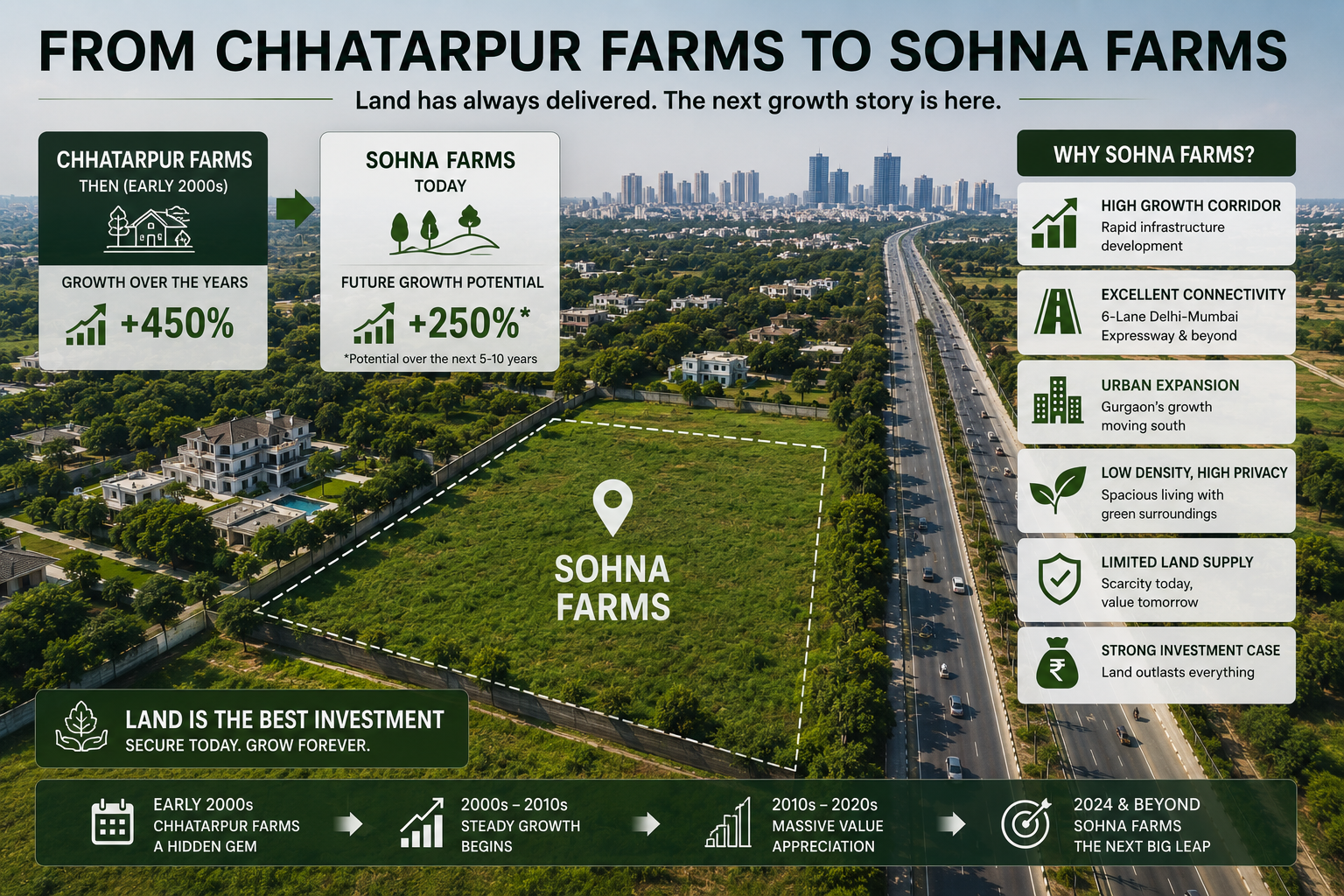
How Chhatarpur Farmhouses Created Multi-Crore Wealth for Early Buyers
What a quiet corner of South Delhi can teach investors about land, scarcity, and long-term wealth creation.
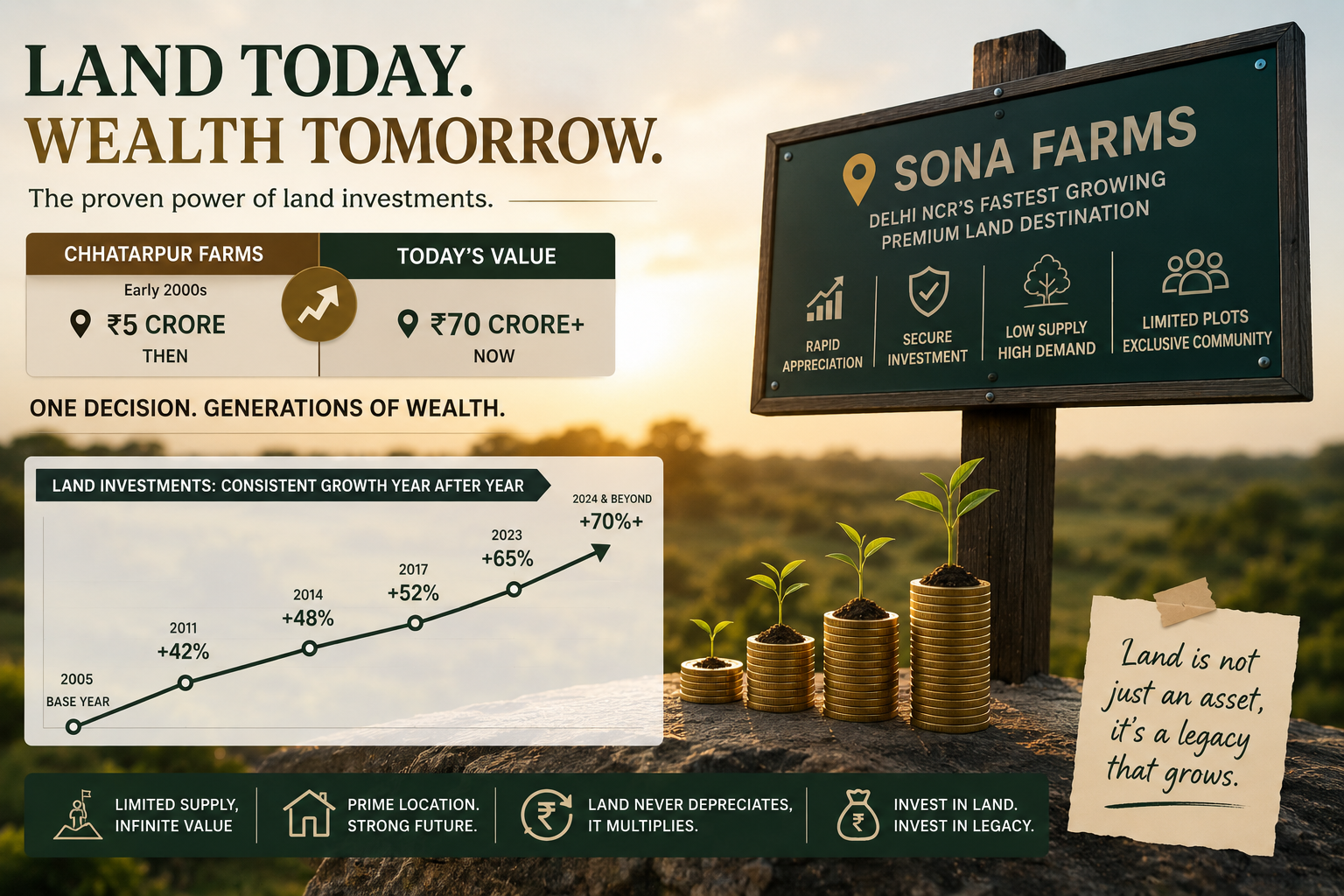
The ₹5 Crore Land Purchase That Became Worth ₹70 Crore
What the Story of DLF Chhatarpur Farms Reveals About Wealth Creation Through Premium Land Ownership
One short email. Stories you can use.
A free, occasional email from our editorial team with our latest features, explainers and reads. Unsubscribe any time — your email stays with us.