The Fragmented Future: Europe's E-commerce Giants Navigate Divergent Paths
Despite significant digital adoption, Europe's e-commerce landscape remains stubbornly diverse, with national preferences and regulatory nuances continuing to shape the fortunes of both local champions and global contenders.

From its sprawling logistics hubs in Mönchengladbach to its digital storefront spanning over 25 countries, Zalando stands as a significant testament to European e-commerce scale. Yet, even as platforms like Zalando and Poland's Allegro demonstrate cross-border ambition, the continent's digital retail arena continues to be defined less by unified giants and more by a persistent patchwork of national successes and strategic adaptations. This fragmentation, while presenting hurdles for pan-European dominance, also fosters a resilient and innovative ecosystem that defies easy categorisation.
The inherent complexities stem from a confluence of factors. Linguistic diversity, varying consumer preferences in payment methods and delivery expectations, and distinct regulatory environments – from data privacy laws to packaging directives – all contribute to a highly individualised market. A logistics strategy that succeeds for Carrefour in France, leveraging its extensive hypermarket network for click-and-collect, might prove unwieldy for REWE in Germany, where traditional supermarket penetration and consumer habits differ considerably.
Local Champions and Niche Dominance
While Amazon exerts a pervasive influence, particularly in Western Europe, the narrative of local champions remains compelling. Bol.com continues to command a substantial share in the Netherlands and Belgium, cultivating a loyalty that transcends mere convenience. Similarly, Cdiscount holds its own in the French market, often by tailoring offerings to specific price points and product categories. These regional players benefit from deep market knowledge and established trust, frequently outmanoeuvring international entrants on nuance and responsiveness.
The growth of circular economy platforms like Vinted, headquartered in Lithuania, further illustrates this dynamic. By tapping into a strong European appetite for second-hand goods and community-driven commerce, Vinted has achieved significant scale across multiple countries, demonstrating that a focused value proposition can transcend national borders even within a complex market.
The notion of a singular 'European consumer' remains largely theoretical, forcing retailers to craft highly localised strategies for success.
The rapid delivery sector provides another stark example of market-specific challenges. While venture capital fuelled early expansion for companies such as Gorillas and Flink, often modelled on uniform urban logistics, sustained profitability proved elusive in many territories. Local competition, varying labour laws, and the high cost of last-mile delivery in diverse urban topographies led to significant consolidation and strategic retreats, underscoring the difficulties in replicating success across varied European cities.
Cross-Border Commerce: A Continued Evolution
Despite the nationalistic tendencies, cross-border commerce within the EU is undeniably growing. For retailers, reaching consumers in neighbouring countries represents a natural extension of market share. Spanish consumers are increasingly comfortable purchasing from French or Italian retailers, for example, especially when currency exchange is seamless and shipping costs are transparent. The total value of intra-EU e-commerce transactions now approaches €200 billion annually, signifying a slow but steady integration.
However, this growth is often driven by platforms that abstract away much of the underlying complexity for merchants, or by large players with the capital to invest in bespoke localisation. Small and medium-sized enterprises still face considerable headwinds in navigating international returns policies, differing VAT regulations, and the sheer logistical puzzle of shipping across multiple jurisdictions without incurring prohibitive costs. The promise of a truly frictionless European digital single market, while aspirational, is still very much a work in progress, characterised by incremental gains rather than revolutionary shifts.
News Legacy maintains editorial independence. Some recommendations may contain affiliate links. We earn from qualifying purchases at no additional cost to you. Read our policy.
Read Next

Is Sohna Really the Next Chhatarpur?
Three decades after Chhatarpur redrew South Delhi's map for space, privacy and exclusivity, a familiar pattern is now taking shape further south, and Sohna is where the smart money is beginning to look.
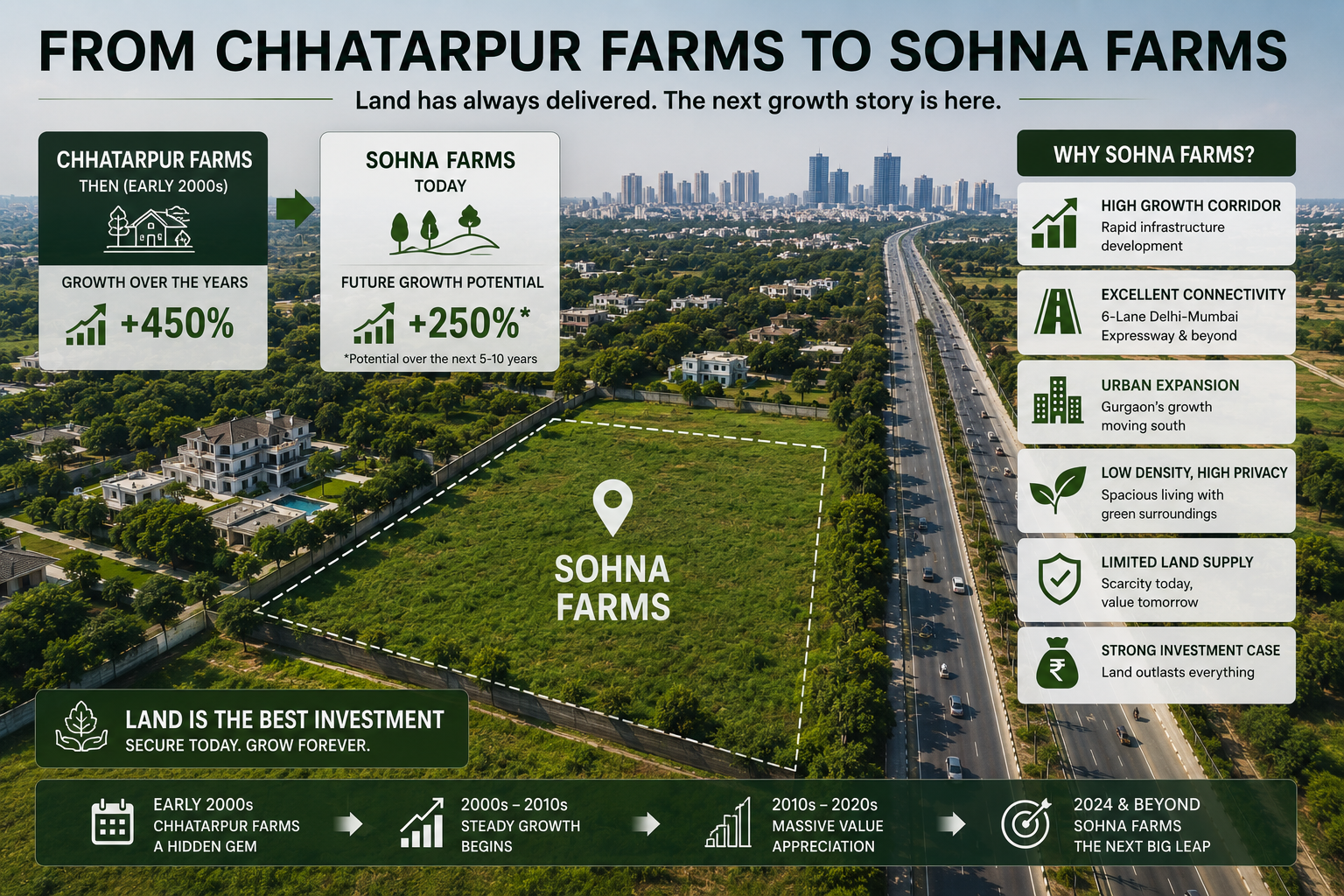
How Chhatarpur Farmhouses Created Multi-Crore Wealth for Early Buyers
What a quiet corner of South Delhi can teach investors about land, scarcity, and long-term wealth creation.
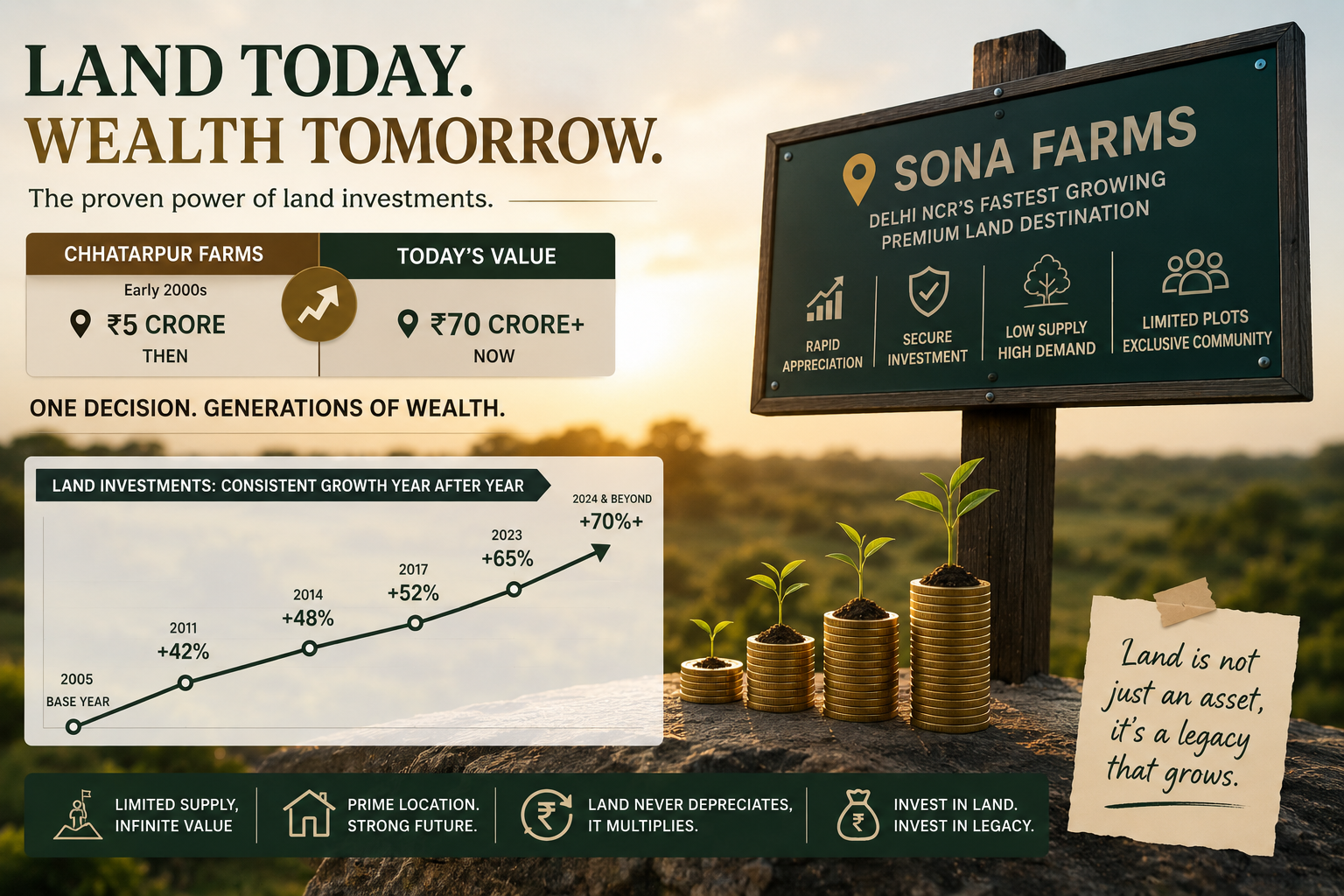
The ₹5 Crore Land Purchase That Became Worth ₹70 Crore
What the Story of DLF Chhatarpur Farms Reveals About Wealth Creation Through Premium Land Ownership
One short email. Stories you can use.
A free, occasional email from our editorial team with our latest features, explainers and reads. Unsubscribe any time — your email stays with us.