The Fragmented Future of European Digital Commerce
Across the European Union, a patchwork of national preferences, regulatory frameworks, and logistical realities continues to shape an e-commerce landscape that resists unified consolidation, presenting unique challenges and opportunities for retailers.

From the densely packed urban centres of Germany, where quick commerce pioneers like Flink once vied fiercely for grocery deliveries, to the sprawling logistics networks supporting online fashion giant Zalando across multiple borders, European digital retail presents a study in contrasts. While the continent’s consumers increasingly embrace online purchasing, the underlying infrastructure and consumer behaviour exhibit persistent regional specificities, challenging ambitions for seamless, pan-European dominance.
This enduring fragmentation complicates the strategies of both domestic champions and international entrants. Unlike the more homogeneous markets of the United States or China, Europe’s linguistic diversity, varying payment preferences, and complex tax regimes mean that a 'one-size-fits-all' approach rarely succeeds. Retailers often find themselves needing to tailor their offerings significantly for each major national market, impacting everything from marketing spend to warehousing solutions.
Cross-Border Commerce: Promise and Pitfall
The vision of a truly borderless digital single market within the EU has propelled considerable investment, yet operational realities often fall short. Companies like Poland's Allegro, a dominant marketplace in its home territory, face an uphill battle to replicate that success in neighbouring countries like Germany or the Czech Republic, where established players or distinct local preferences already hold sway. Similarly, French e-commerce platform Cdiscount primarily serves its national market, despite the theoretical ease of selling into Belgium or Spain.
Consumer trust and familiarity play a significant role. Germans, for instance, still widely prefer purchase on account or direct debit over credit cards for online transactions, a contrast to the prevalence of card payments in Spain or the Nordics. Logistics, too, present a hurdle; while cross-border shipping within the Schengen area is technically simpler, the 'last mile' delivery experience varies dramatically between member states, influencing customer satisfaction and return rates. A consumer in rural Italy might expect a longer delivery window than one in central Paris.
Fashion resale platform Vinted, originating from Lithuania, stands as an example of a European company that has successfully navigated these waters, achieving widespread adoption across key markets like France, Germany, and Spain. Its peer-to-peer model and focus on affordability have resonated across diverse economic strata, demonstrating that a compelling value proposition can transcend some national barriers, though extensive localisation of its user interface and customer support remains critical.
The notion that a single digital strategy can effortlessly capture the attention and loyalty of consumers from Stockholm to Seville overlooks a fundamental tapestry of economic, cultural, and logistical differences.
The Evolving Landscape of Grocery and Essentials
The grocery sector illustrates this fragmentation particularly acutely. While digital penetration accelerated during the pandemic, the operational models for online groceries remain deeply national. German discounters Lidl and REWE have taken cautious, often distinct approaches to e-commerce in different countries where they operate, preferring to leverage existing physical store networks for click-and-collect or local delivery rather than building entirely new dark stores. In France, Carrefour has invested heavily in digital channels, but its reach and service models adapt to regional demographic and competitive pressures.
The rapid growth and subsequent contraction of quick commerce operators like Flink in Germany, and the prior exit of Gorillas from several European markets, underscore the challenges of scaling a high-cost, hyper-local model across diverse urban environments. Profitability remains elusive when contending with varying labour laws, population densities, and consumer willingness to pay for ultra-fast delivery. The market is slowly maturing, with a greater emphasis on sustainable unit economics over aggressive expansion.
Ultimately, the European digital commerce narrative is one of persistent adaptation. Success hinges not on achieving a monolithic continental footprint, but on executing highly localised strategies that acknowledge and leverage the unique characteristics of each market. The integration of online and offline, coupled with an understanding of diverse consumer preferences, will continue to define the competitive landscape for years to come.
News Legacy maintains editorial independence. Some recommendations may contain affiliate links. We earn from qualifying purchases at no additional cost to you. Read our policy.
Read Next

Is Sohna Really the Next Chhatarpur?
Three decades after Chhatarpur redrew South Delhi's map for space, privacy and exclusivity, a familiar pattern is now taking shape further south, and Sohna is where the smart money is beginning to look.
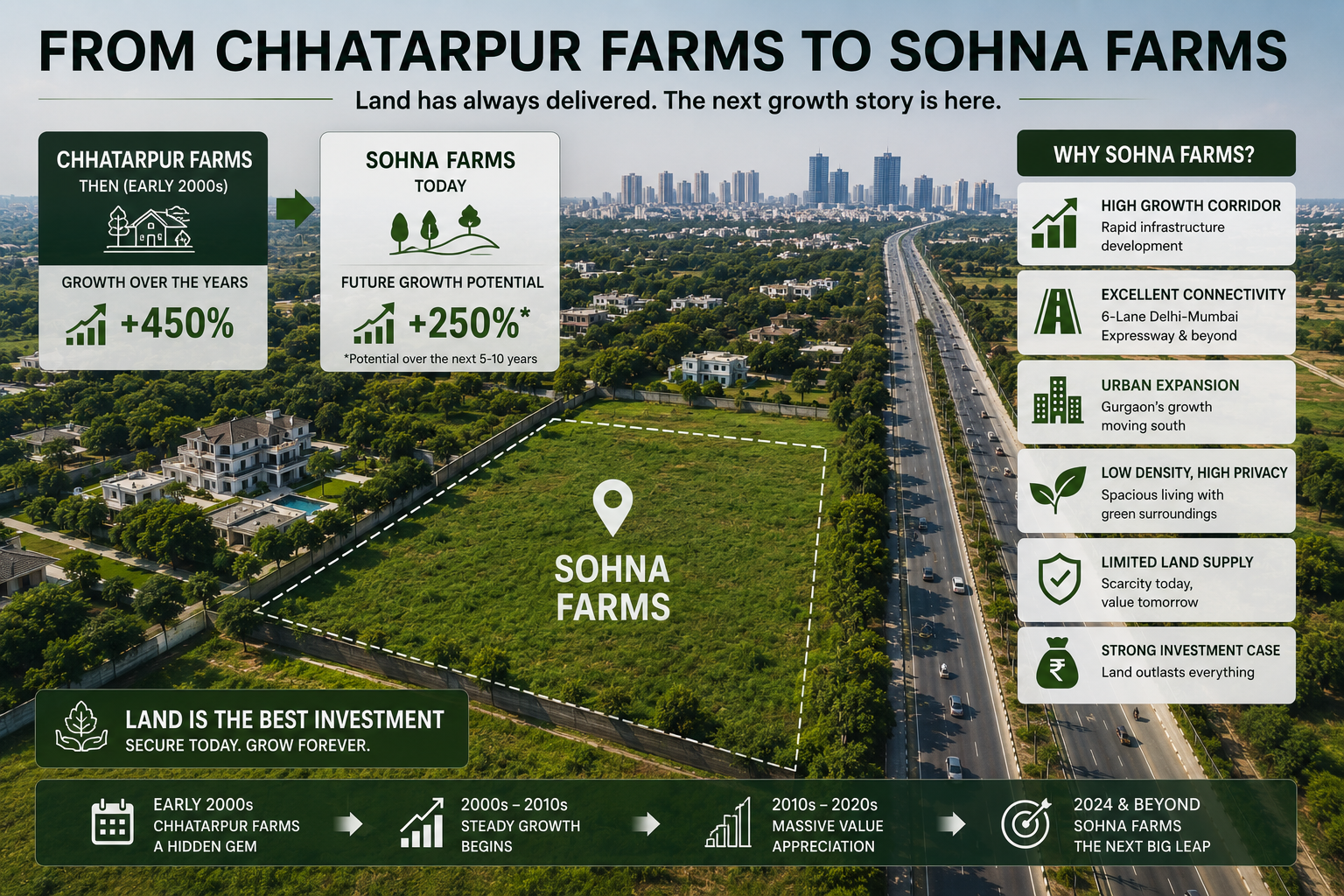
How Chhatarpur Farmhouses Created Multi-Crore Wealth for Early Buyers
What a quiet corner of South Delhi can teach investors about land, scarcity, and long-term wealth creation.
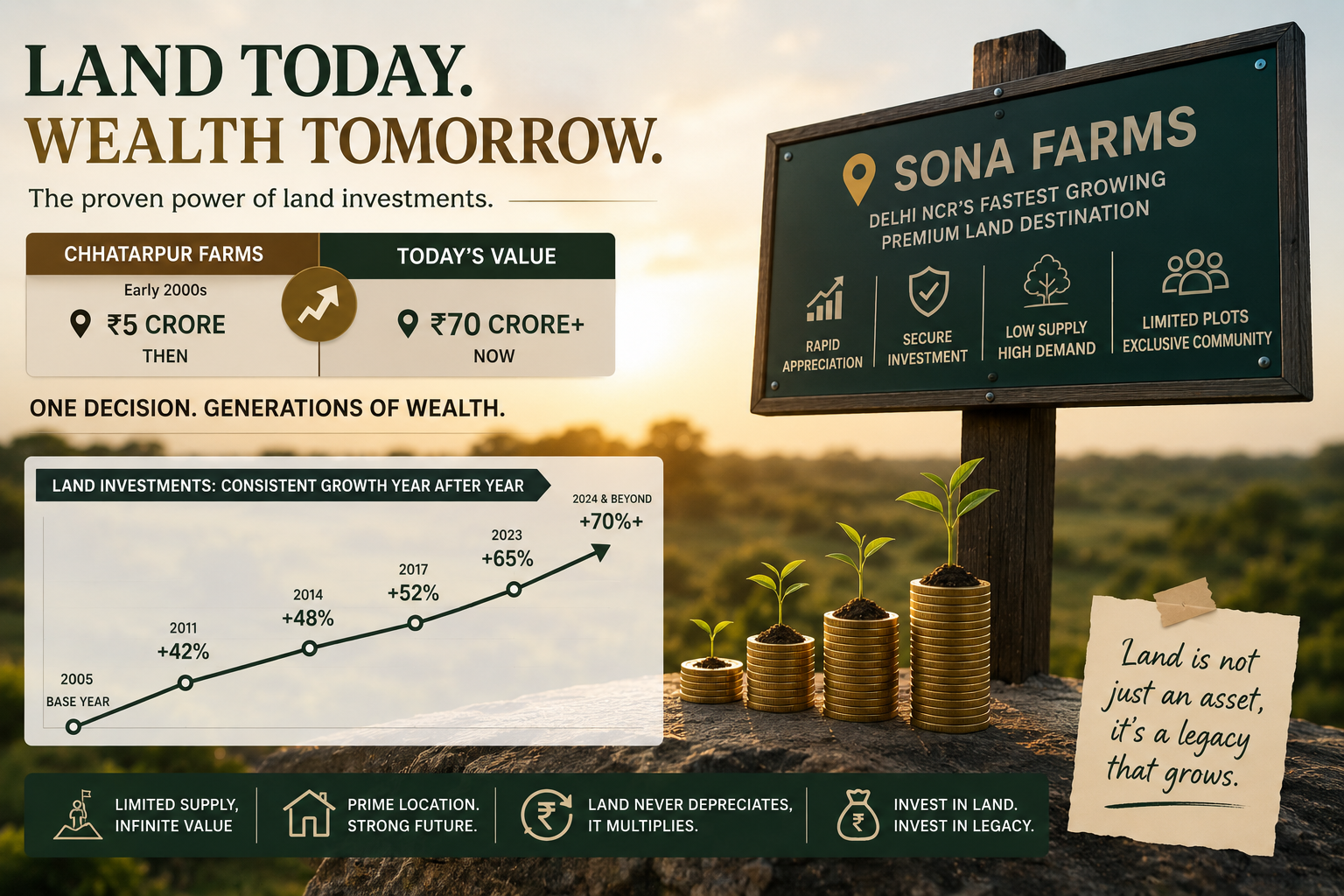
The ₹5 Crore Land Purchase That Became Worth ₹70 Crore
What the Story of DLF Chhatarpur Farms Reveals About Wealth Creation Through Premium Land Ownership
One short email. Stories you can use.
A free, occasional email from our editorial team with our latest features, explainers and reads. Unsubscribe any time — your email stays with us.