The Fragmented Future of European Digital Marketplaces
Despite a common currency and shared digital aspirations, Europe's e-commerce landscape remains a patchwork of national champions and cross-border challenges, complicating pan-continental growth strategies.

From its sprawling logistics hub in Erfurt, Zalando continues to cement its position as a dominant force in European fashion e-commerce. Yet, even for a platform of its scale, the path to seamless, ubiquitous market penetration across the continent is fraught with complexities, a reality that underscores the deeply entrenched national and regional divisions shaping Europe’s digital retail ecosystem.
While the European Union strives for a single market, the digital realm often functions more as a collection of distinct national fiefdoms. Localised preferences, regulatory nuances, and established consumer habits mean that a strategy successful in France for Cdiscount or Carrefour's online offerings may require significant adaptation for Poland's Allegro or the Netherlands' Bol.com. These national incumbents benefit from a deep understanding of their domestic audiences, often outpacing global giants in specific categories.
The pandemic-driven acceleration of e-commerce initially suggested a rapid consolidation towards a few pan-European behemoths. However, that vision has largely yielded to a more nuanced reality. While cross-border trade certainly expanded, much of it occurred between neighbouring countries or within established trade blocs, rather than manifesting as a truly unified continental platform experience.
Consider the grocery sector, where the online transition has been particularly arduous. Efforts by rapid delivery services like Gorillas (before its acquisition by Getir) and Flink showcased a capacity for fast expansion into multiple European cities. Yet, their operational models often struggled with profitability and differed significantly from the longer-standing online ambitions of traditional retailers like REWE or Lidl, whose digital strategies are often deeply tied to their physical store networks and existing supply chains within specific countries.
Navigating Diverse Consumer Habits
Consumer behaviour across Europe presents a formidable barrier to blanket strategies. Italian shoppers, for instance, exhibit different brand loyalties and payment preferences compared to their counterparts in Germany or the Nordic countries. Platforms like Vinted have achieved considerable success by tapping into a specific niche – secondhand fashion – and building strong community elements, but even they must tailor their marketing and operational approaches for each national market.
The cultural affinity for local brands and payment methods further complicates matters. While PayPal and card payments are broadly accepted, national payment systems or direct debit traditions remain strong in several markets. Overcoming these entrenched habits requires significant investment in localisation, not merely translation, for any marketplace seeking to genuinely resonate with a broader European audience.
The notion of a single 'European shopper' remains more aspiration than commercial reality for digital marketplaces.
The Cost of Cross-Border Complexity
Logistics and regulatory compliance represent another layer of friction. Different tax regimes, consumer protection laws, and data privacy regulations (beyond GDPR's overarching framework) create a high compliance burden for platforms operating across multiple jurisdictions. For smaller or niche marketplaces, the cost of navigating this complexity can be prohibitive, favouring those with significant capital and legal resources.
Ultimately, the European marketplace landscape appears set to evolve not into a monolith, but into a series of interconnected yet distinct ecosystems. While some players will undoubtedly achieve significant cross-border scale, true pan-European dominance will likely remain elusive, a testament to the continent's enduring diversity in commerce and culture. The current trajectory suggests continued competition between highly localised champions and international platforms willing to invest heavily in deep market customisation.
The collective value of digital retail in the EU reached approximately €600 billion in 2022, exhibiting double-digit growth year-on-year. However, a significant portion of this trade remains national or bilateral, rather than truly continental, underscoring the ongoing challenge for marketplaces to harmonise their offerings across varied regulatory and consumer landscapes.
News Legacy maintains editorial independence. Some recommendations may contain affiliate links. We earn from qualifying purchases at no additional cost to you. Read our policy.
Read Next

Is Sohna Really the Next Chhatarpur?
Three decades after Chhatarpur redrew South Delhi's map for space, privacy and exclusivity, a familiar pattern is now taking shape further south, and Sohna is where the smart money is beginning to look.
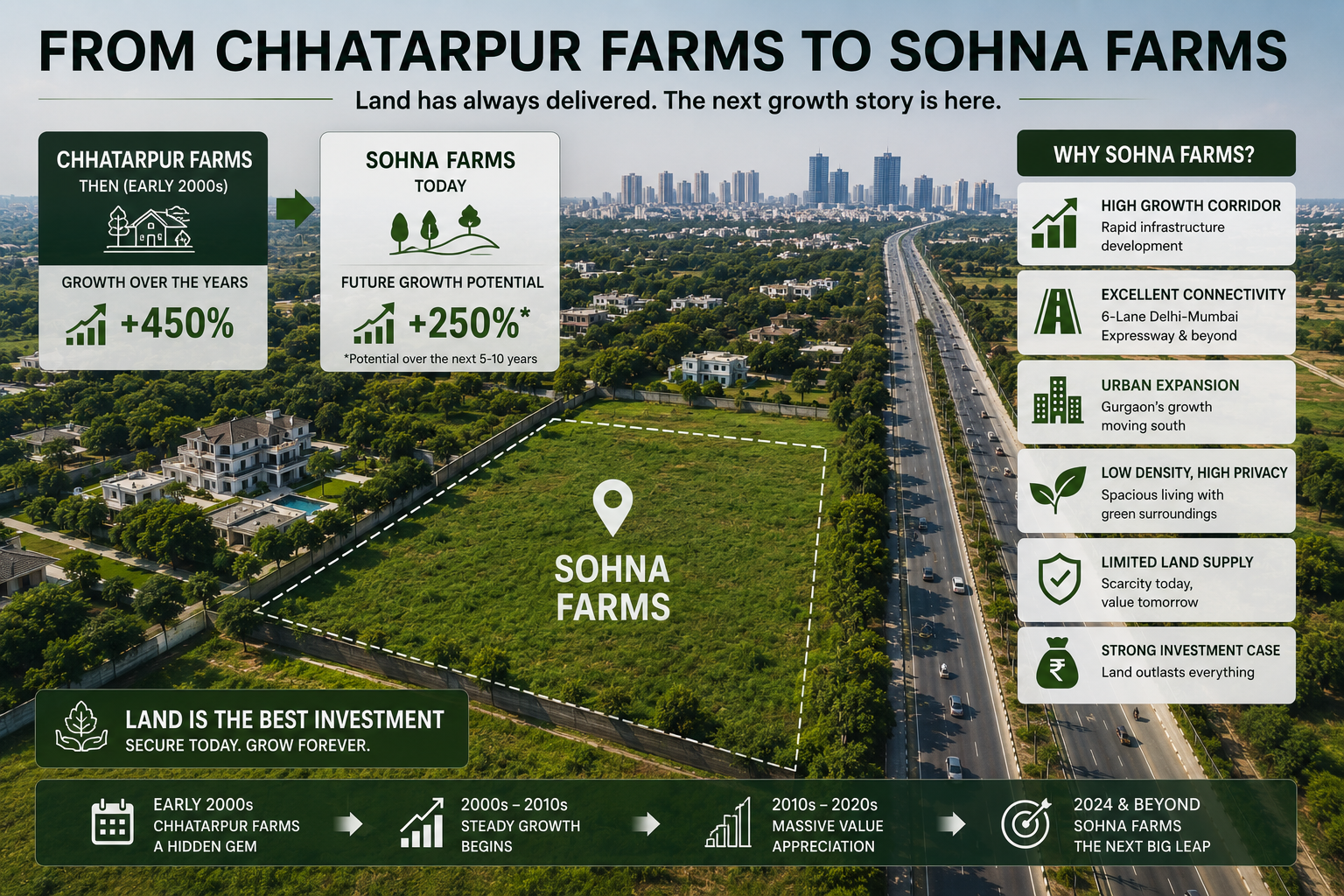
How Chhatarpur Farmhouses Created Multi-Crore Wealth for Early Buyers
What a quiet corner of South Delhi can teach investors about land, scarcity, and long-term wealth creation.
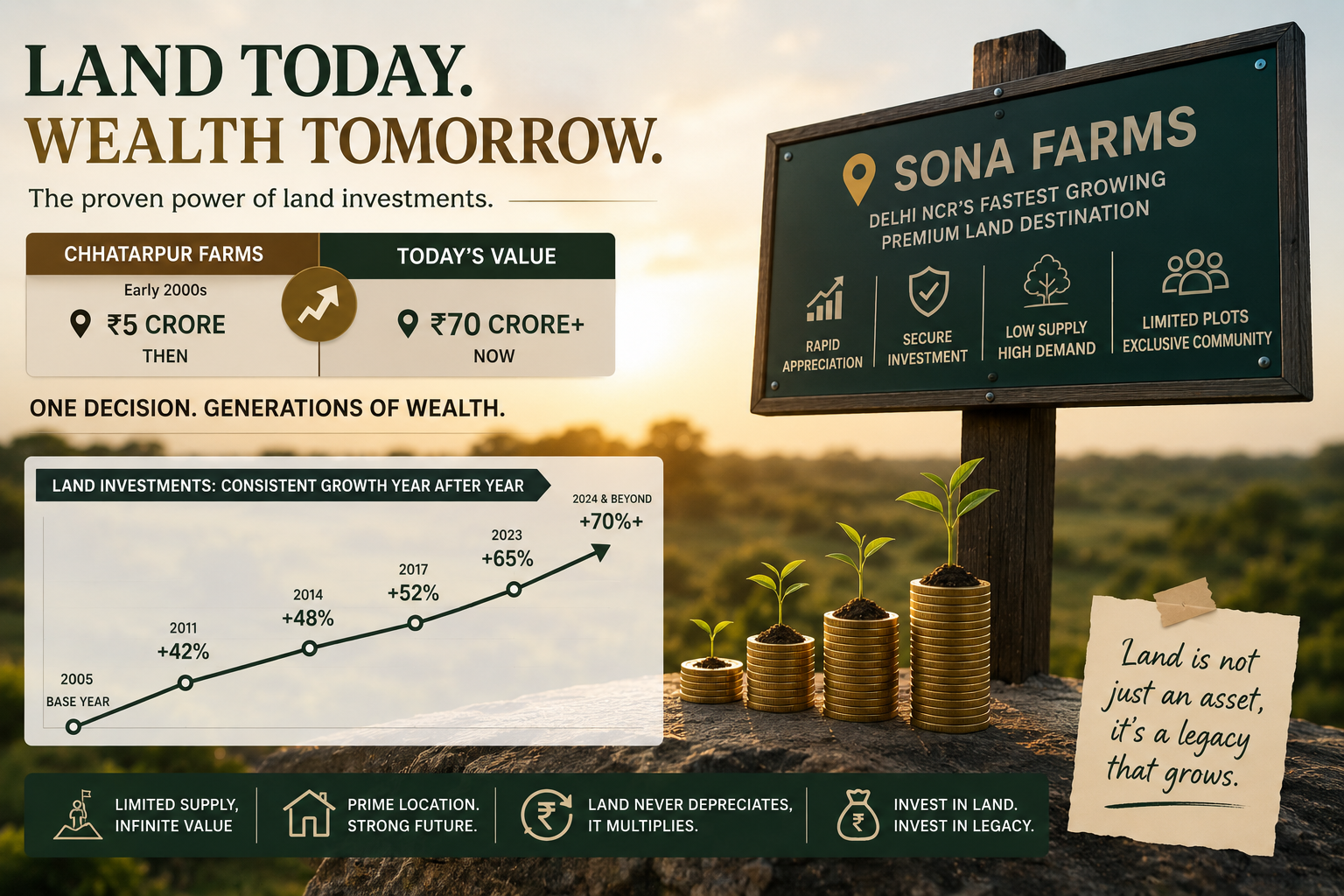
The ₹5 Crore Land Purchase That Became Worth ₹70 Crore
What the Story of DLF Chhatarpur Farms Reveals About Wealth Creation Through Premium Land Ownership
One short email. Stories you can use.
A free, occasional email from our editorial team with our latest features, explainers and reads. Unsubscribe any time — your email stays with us.