The Fragmented Future of European Digital Retail
Across the European Union, the promise of a unified digital market continues to collide with national consumer habits, entrenched logistical networks, and distinct regulatory landscapes, shaping a retail environment unlike any other major global economy.

While Amazon's omnipresence remains a significant force, particularly in Germany and Spain, the digital retail landscape in Europe exhibits a distinct character defined by robust local and regional players. Consider the strategic manoeuvring of Polish marketplace Allegro, which has expanded into the Balkans, or the enduring strength of Bol.com in the Netherlands and Belgium. These entities demonstrate that while American tech giants loom, the continent’s digital commerce is far from a monoculture, instead reflecting a complex interplay of national preferences and regulatory frameworks.
The notion of a seamless pan-European online market, despite decades of policy effort, remains largely aspirational. Consumers in France, for instance, still gravitate towards platforms like Cdiscount, while German shoppers often prefer the fashion-focused offerings of Zalando. This divergence extends beyond general merchandise to specialised verticals, where companies like Vinted have successfully scaled their second-hand apparel model across multiple European borders, often succeeding where larger, more diversified retailers have struggled to gain equivalent traction.
The Endurance of National Champions
Even as global capital flows freely, digital retail operations frequently remain tethered to national boundaries. This is not merely a matter of language barriers, which sophisticated translation technologies can mitigate. Instead, it involves deeply ingrained consumer expectations regarding delivery times, payment methods, and return policies, which vary considerably from Warsaw to Lisbon. A grocery delivery service, for example, must contend with highly localised supply chains and consumer brand loyalty, as demonstrated by the distinct operational models of supermarket giants like Carrefour in France or REWE and Lidl in Germany, even when they venture into online sales.
The rapid growth of instant grocery delivery services earlier in the decade, exemplified by the brief surge of players like Gorillas and Flink, underscored both the opportunity and the inherent challenges in European expansion. While capital was readily available, scaling operations across diverse urban environments, each with its own labour laws and infrastructure peculiarities, proved more complex than many early investors anticipated. Consolidation, often through acquisitions by larger European players or retrenchment to core markets, became a common outcome.
Cross-border e-commerce, while growing, often involves a significant premium in logistical complexity and cost. A parcel moving from a warehouse in Poland to a customer in southern Italy incurs multiple customs clearances, different postal services, and varying last-mile delivery standards. This fragmentation supports the continued viability of national postal services and logistics providers, often delaying the emergence of truly continent-wide integrated delivery networks that rival the efficiency seen within single, larger national markets.
The persistent heterogeneity in consumer behaviour and market regulation suggests that a 'one-size-fits-all' approach to European e-commerce is inherently flawed; success necessitates nuanced, localised strategies.
Regulatory Rifts and Digital Sovereignty
Furthermore, the European Union's proactive stance on digital regulation, from GDPR to the Digital Markets Act, creates a unique operating environment. While these frameworks aim to foster fairness and protect consumers, they also introduce compliance burdens that can disproportionately affect smaller e-commerce entities or necessitate substantial investment from larger players. The divergent interpretations and enforcement mechanisms across member states add another layer of complexity, making pan-European compliance a continuous, resource-intensive endeavour.
As the digital economy matures, the narrative of a single European market faces persistent friction from these structural realities. While the ambition for greater integration remains, the practicalities of commercial operation suggest that the continent's digital retail future will likely continue to be characterised by a dynamic ecosystem of national leaders, regional specialists, and carefully localised global platforms, rather than a monolithic digital common market. This ongoing fragmentation presents both barriers to economies of scale and opportunities for agile, market-savvy enterprises.
News Legacy maintains editorial independence. Some recommendations may contain affiliate links. We earn from qualifying purchases at no additional cost to you. Read our policy.
Read Next

Is Sohna Really the Next Chhatarpur?
Three decades after Chhatarpur redrew South Delhi's map for space, privacy and exclusivity, a familiar pattern is now taking shape further south, and Sohna is where the smart money is beginning to look.
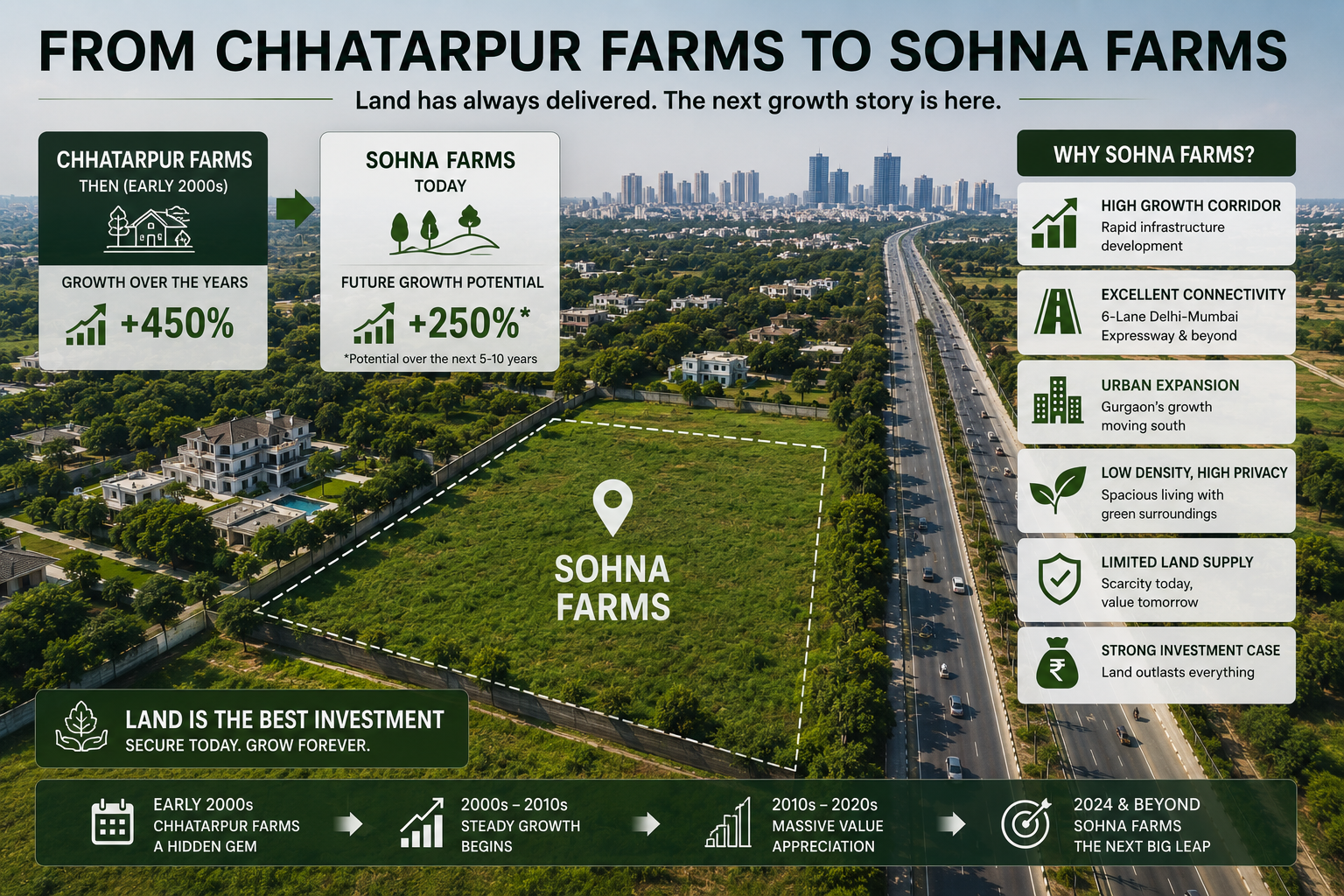
How Chhatarpur Farmhouses Created Multi-Crore Wealth for Early Buyers
What a quiet corner of South Delhi can teach investors about land, scarcity, and long-term wealth creation.
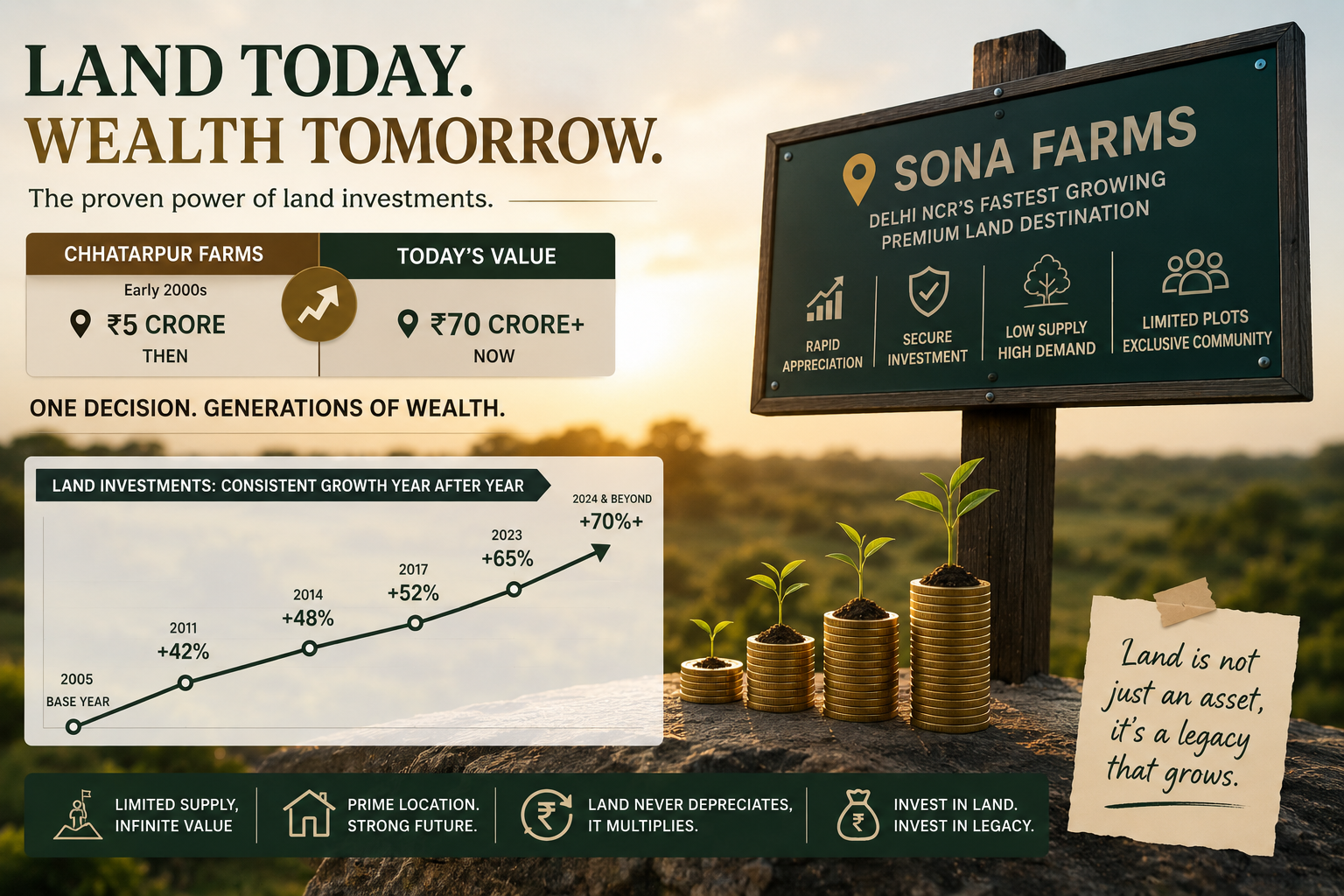
The ₹5 Crore Land Purchase That Became Worth ₹70 Crore
What the Story of DLF Chhatarpur Farms Reveals About Wealth Creation Through Premium Land Ownership
One short email. Stories you can use.
A free, occasional email from our editorial team with our latest features, explainers and reads. Unsubscribe any time — your email stays with us.