The Fragmented Future of European Digital Retail
Across the European Union, the promise of a unified digital market still contends with entrenched national preferences, diverse regulatory landscapes, and the operational complexities of cross-border logistics, creating a challenging environment for pan-continental e-commerce dominance.

While Amazon continues to grow its footprint, the digital retail landscape in Europe remains remarkably diverse, defying a simple narrative of consolidation. From the robust platform model of Germany's Zalando in fashion to the diversified general merchandise offerings of Poland's Allegro and the Benelux-focused Bol.com, national champions frequently command significant market share. This fragmentation reflects not merely cultural differences but also varying logistical infrastructures and consumer expectations across the continent.
Consider the grocery sector, a segment undergoing rapid digital transformation. Companies like France's Carrefour and Germany's REWE are investing heavily in e-commerce and delivery networks, often through local partnerships or acquisitions. Yet, the high operational costs associated with 'quick commerce' models, exemplified by the struggles of Gorillas and Flink, underscore the difficulty of scaling profitably across multiple European urban centres, each with distinct labour markets and delivery challenges.
Navigating National Silos
Despite the single market ideal, regulatory nuances and consumer protection laws vary considerably between EU member states. A returns policy that is standard in Germany might be less straightforward to implement in Italy, for instance, adding layers of complexity for retailers attempting to serve multiple jurisdictions seamlessly. This patchwork necessitates localisation strategies that go beyond simple language translation, encompassing payment methods, product assortment, and marketing approaches tailored to specific national sensibilities.
Cross-border sales within the EU, while growing, still face significant friction. A German consumer shopping on a French platform, or vice versa, often encounters higher shipping costs, longer delivery times, and less familiar payment options than when purchasing from a domestic retailer. This practical reality limits the potential for many European players to achieve the scale enjoyed by single-market giants in the United States or China.
The aspiration for a frictionless pan-European digital economy confronts the enduring reality of divergent national preferences and operational hurdles.
The secondhand market presents another compelling case study for European dynamism. Vinted, originating from Lithuania, has successfully expanded its peer-to-peer clothing resale platform across several European countries, demonstrating how a strong value proposition and user-friendly interface can overcome some cross-border barriers. Its success suggests that categories less dependent on immediate delivery or complex logistics may find broader European appeal more readily.
The Logistical Imperative
Investment in advanced logistics and warehousing facilities is paramount for any retailer aspiring to a significant European presence. Companies like Zalando have developed sophisticated fulfilment networks spanning multiple countries, leveraging automation to manage vast inventories and facilitate rapid deliveries. However, this level of infrastructure requires substantial capital outlay and expertise, creating a barrier to entry for smaller or less capitalised players.
The ongoing evolution of last-mile delivery, from electric vans in urban centres to parcel lockers in residential areas, also reflects regional adaptation. What works efficiently in densely populated Nordic cities might not be optimal for sprawling Mediterranean regions. This necessitates adaptable, rather than monolithic, logistical solutions for retailers operating across the continent, ensuring efficiency without compromising service quality or escalating costs.
Ultimately, the European digital retail narrative is one of persistent adaptation. Success hinges not on achieving a singular market dominance but on adeptly navigating a mosaic of national consumer habits, regulatory frameworks, and logistical demands. Retailers capable of combining local responsiveness with scalable operational models are best positioned to thrive in this intricate and fragmented environment.
News Legacy maintains editorial independence. Some recommendations may contain affiliate links. We earn from qualifying purchases at no additional cost to you. Read our policy.
Read Next

Is Sohna Really the Next Chhatarpur?
Three decades after Chhatarpur redrew South Delhi's map for space, privacy and exclusivity, a familiar pattern is now taking shape further south, and Sohna is where the smart money is beginning to look.
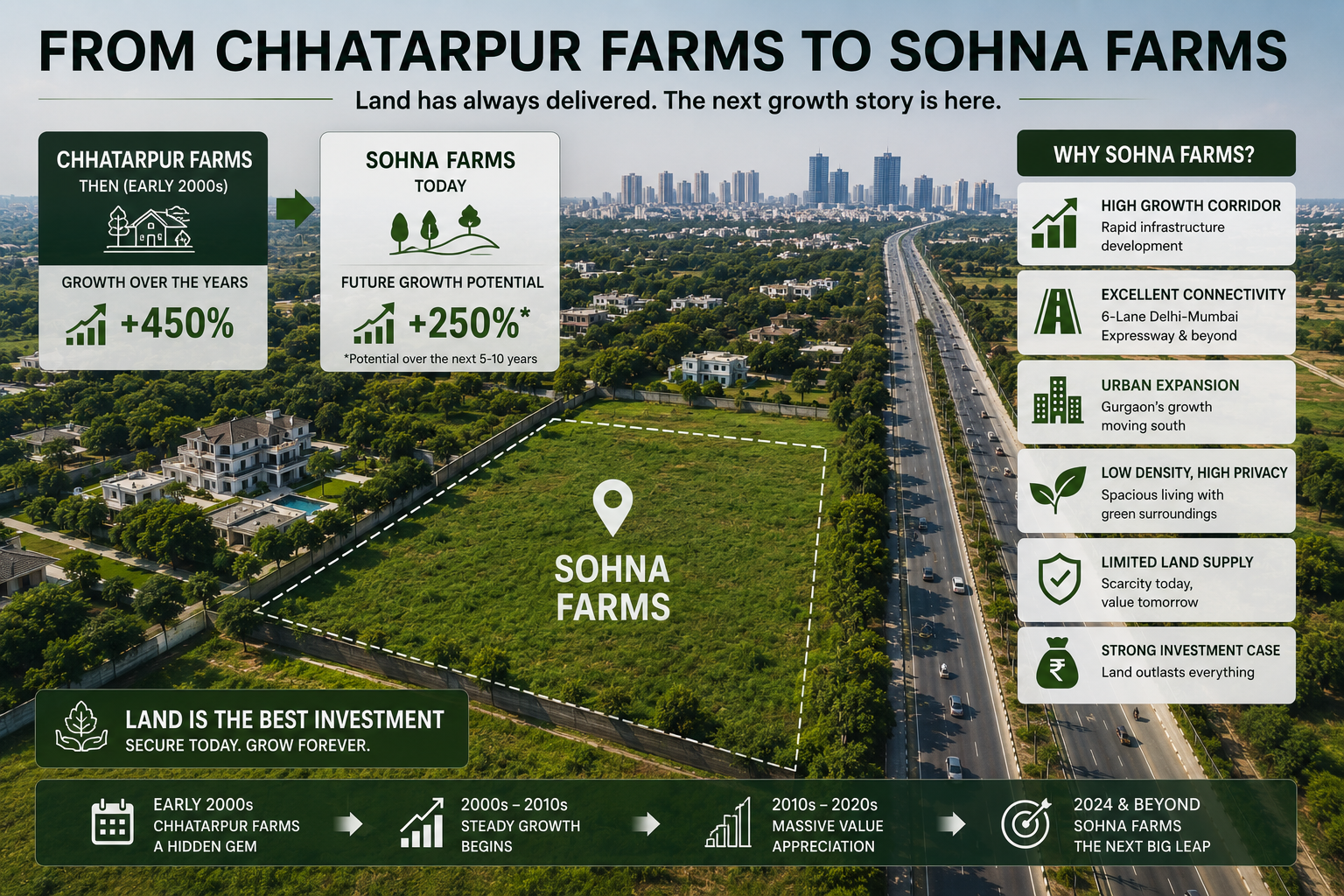
How Chhatarpur Farmhouses Created Multi-Crore Wealth for Early Buyers
What a quiet corner of South Delhi can teach investors about land, scarcity, and long-term wealth creation.
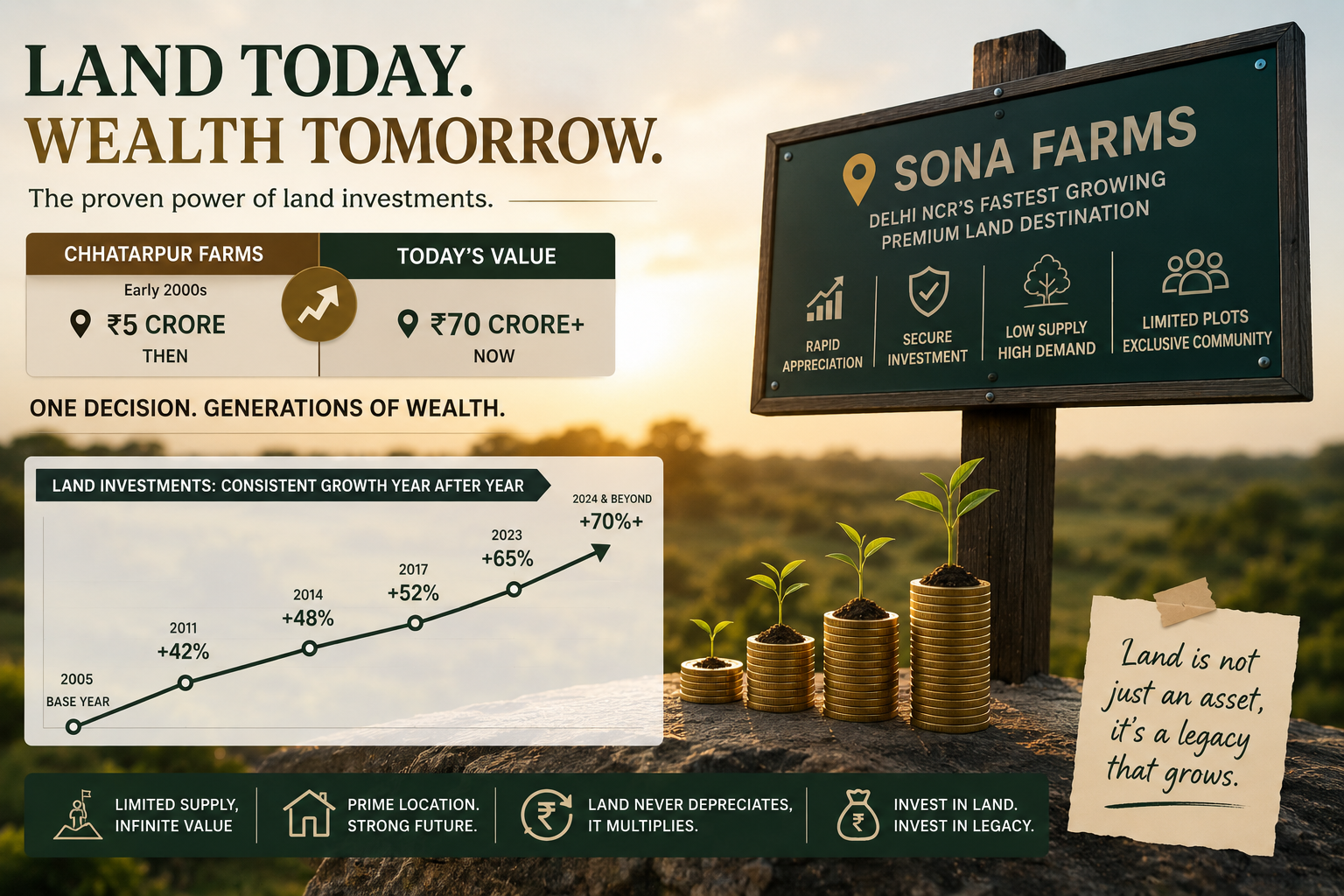
The ₹5 Crore Land Purchase That Became Worth ₹70 Crore
What the Story of DLF Chhatarpur Farms Reveals About Wealth Creation Through Premium Land Ownership
One short email. Stories you can use.
A free, occasional email from our editorial team with our latest features, explainers and reads. Unsubscribe any time — your email stays with us.