The Fragmented Future of European E-Commerce
Despite significant digital acceleration across the continent, Europe's online retail landscape remains stubbornly diverse, shaped by national preferences and robust local champions. This fragmentation presents both formidable barriers and unique opportunities for businesses seeking scale.

From its sprawling logistics hub near Erfurt, Germany, Zalando orchestrates the dispatch of millions of fashion items monthly, aiming for a seamless pan-European experience. Yet, even for this dominant player, the reality of continental e-commerce is less a single market and more a complex tapestry of distinct consumer behaviours, regulatory nuances, and deeply entrenched national competitors. Understanding this persistent fragmentation is critical for any enterprise hoping to thrive online across the EU.
The European Union, for all its ambition for a single market, presents a varied picture for digital commerce. While platforms like Amazon have achieved considerable penetration, particularly in Germany and Spain, local champions often maintain significant market share. Allegro, for instance, remains the undisputed e-commerce leader in Poland, enjoying brand recognition and loyalty that international rivals struggle to match. Similarly, Bol.com dominates the Benelux region, outperforming even global giants in its home territories.
This phenomenon extends beyond general marketplaces. Specialized sectors also exhibit strong local flavours. Vinted, the Lithuanian-born second-hand fashion platform, has successfully expanded across multiple European countries, yet even its model adapts to regional preferences for payment methods and delivery networks. Groceries, historically resistant to online disruption, are also showing distinct patterns; while Gorillas' rapid expansion and subsequent restructuring highlighted the challenges, traditional retailers like Carrefour and REWE are investing heavily in hybrid models, often tailored to specific city demographics in France or Germany.
Localised Logistics and Cultural Divides
One primary driver of this fragmentation is the intricate web of logistics and payment preferences. While card payments are ubiquitous, systems like Germany's Sofort or the Netherlands' iDEAL are deeply ingrained, requiring specific integration for broader acceptance. Delivery expectations also vary; free returns are standard in some markets, a luxury in others. Cross-border delivery, even within the Schengen area, often involves navigating different postal services, customs processes (for non-EU shipments), and consumer expectations around speed and convenience.
Cultural nuances play an equally significant role. The appetite for online shopping, product categories, and even marketing messaging differs markedly between, say, France and the Nordic countries. Price sensitivity, brand loyalty, and the importance of in-store experience versus online convenience are not uniform. This means that a 'one-size-fits-all' strategy, often successful in the more homogenous US market, frequently falters when applied uncritically across the diverse populations of Europe.
The notion of a singular 'European consumer' remains largely theoretical for most e-commerce operators; success often hinges on an agile, country-specific approach.
The competitive landscape further underscores this. Discount retailers such as Lidl and Aldi, traditionally physical-first, are cautiously expanding their online presence, often focusing on specific product lines or click-and-collect models that leverage their extensive store networks. This 'phygital' approach, blending physical and digital retail, is gaining traction, particularly for categories where consumers still value tactile interaction or immediate gratification.
The Cost of Scale and the Promise of Niche
For businesses looking to achieve scale across Europe, the investment required to localise operations — from language and payment systems to logistics and marketing — can be substantial. This high barrier to entry explains why many smaller or medium-sized online retailers often choose to focus intensely on one or two key markets rather than attempting broad, shallow expansion. It also provides a significant competitive moat for established local players.
However, this fragmentation is not solely an impediment. It also creates fertile ground for niche players or businesses that can effectively cater to specific regional tastes or underserved segments. The success of companies like Cdiscount in France, specializing in electronics and household goods, or the resilience of localized fashion platforms, demonstrates that deep market knowledge and tailored offerings can yield substantial returns, even against global behemoths. The future of European e-commerce is therefore likely to be defined by a dynamic interplay between global ambition and persistent local distinction.
The combined economic weight of the EU, with its approximately 450 million consumers, represents a colossal market. Yet, its inherent diversity suggests that sustained success in its digital economy will demand more than mere technological prowess; it will require an acute understanding of its complex cultural, regulatory, and logistical mosaic, and a willingness to adapt strategy to fit its varied parts.
News Legacy maintains editorial independence. Some recommendations may contain affiliate links. We earn from qualifying purchases at no additional cost to you. Read our policy.
Read Next

Is Sohna Really the Next Chhatarpur?
Three decades after Chhatarpur redrew South Delhi's map for space, privacy and exclusivity, a familiar pattern is now taking shape further south, and Sohna is where the smart money is beginning to look.
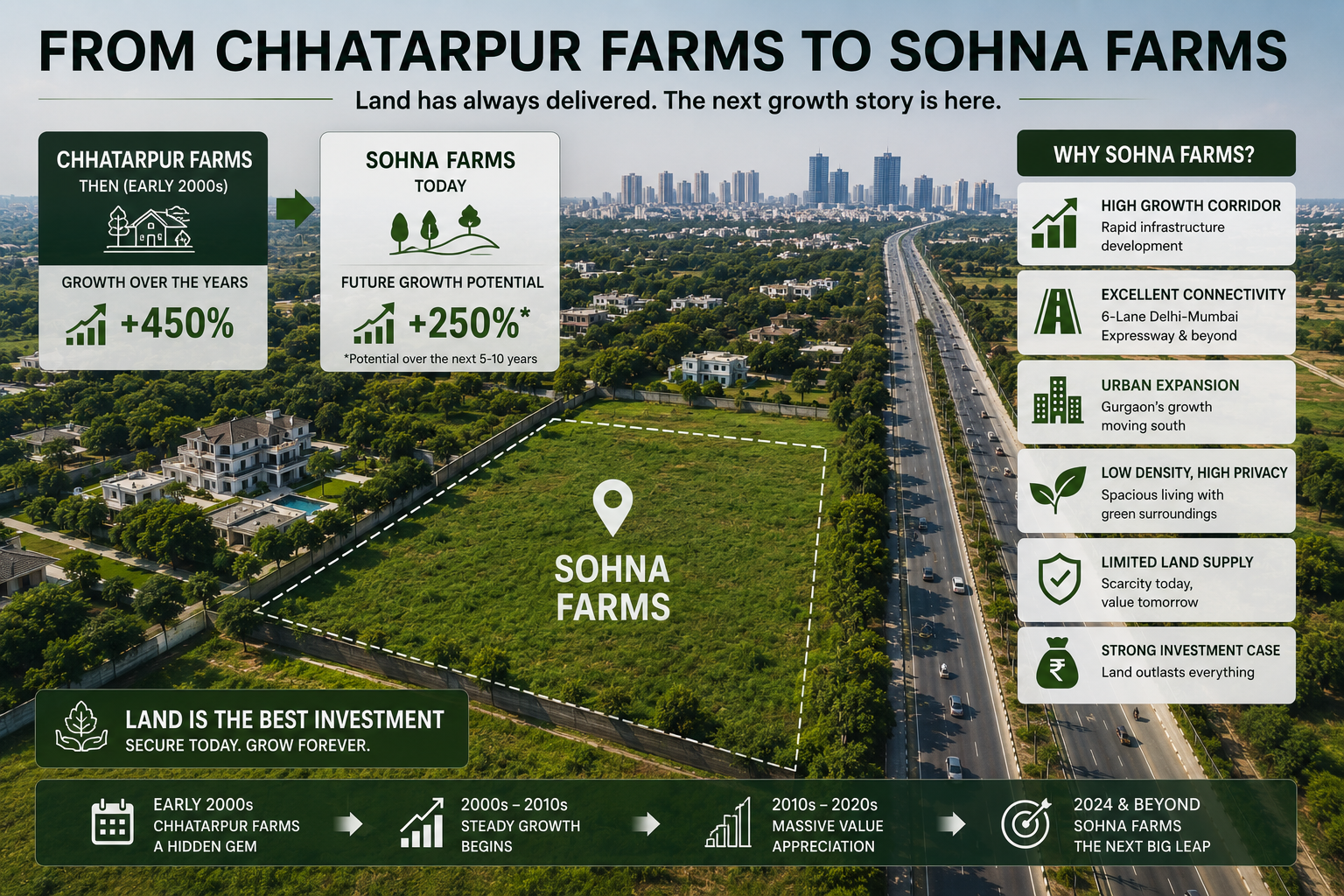
How Chhatarpur Farmhouses Created Multi-Crore Wealth for Early Buyers
What a quiet corner of South Delhi can teach investors about land, scarcity, and long-term wealth creation.
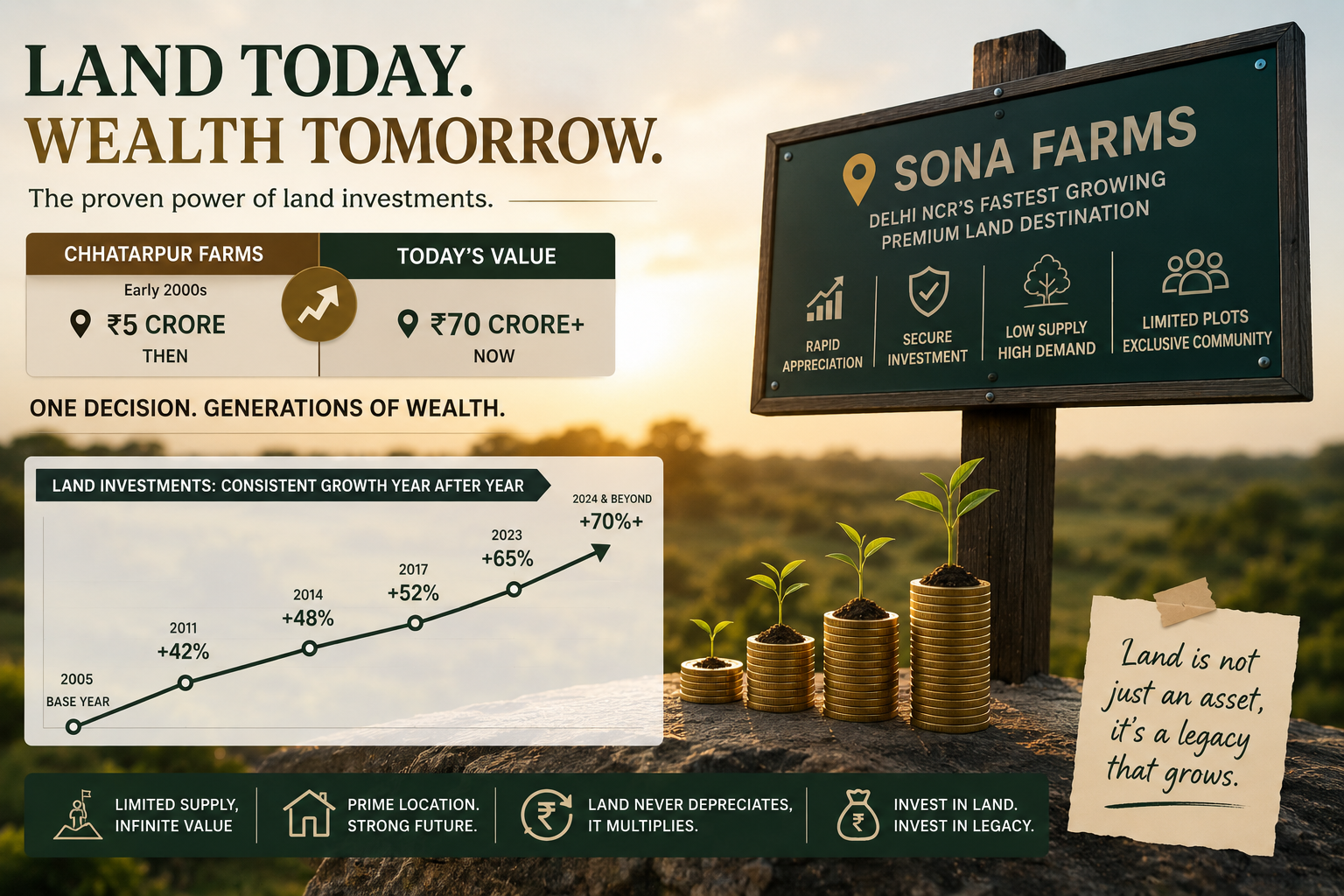
The ₹5 Crore Land Purchase That Became Worth ₹70 Crore
What the Story of DLF Chhatarpur Farms Reveals About Wealth Creation Through Premium Land Ownership
One short email. Stories you can use.
A free, occasional email from our editorial team with our latest features, explainers and reads. Unsubscribe any time — your email stays with us.