The Fragmented Future of European Fulfilment Networks
Continental European e-commerce is navigating a complex landscape of disparate logistics infrastructure, legacy retail integration, and evolving consumer demands, challenging traditional cross-border strategies.

Across Europe, the operational complexities of online retail are becoming increasingly apparent. Consider Zalando, a major player in European fashion e-commerce. Its strategic investments in a network of fulfilment centres, from Stargard, Poland, to Moissy-Cramayel, France, underscore a critical challenge: achieving efficient, scalable delivery across a continent characterised by diverse regulatory environments, varied consumer expectations, and disparate last-mile capabilities. This intricate web of physical infrastructure and digital orchestration defines the competitive edge, or potential bottleneck, for retailers vying for market share.
The inherent fragmentation of the European Union, despite its single market aspirations, presents a significant hurdle for unified logistics. Unlike the more homogenous operational environments of North America or China, a parcel moving from Germany to Spain encounters different labour laws, road networks, customs processes, and consumer preferences for delivery windows or return mechanisms. This necessitates a localised approach to supply chain design, often leading to higher operational costs and slower adaptation compared to regions with more uniform conditions.
Traditional retail behemoths are attempting to leverage their existing physical footprints, albeit with mixed success. Carrefour and REWE, for instance, are integrating their extensive supermarket networks into click-and-collect or local delivery hubs, capitalising on proximity to customers. This 'store-as-fulfilment-centre' model offers a distinct advantage in dense urban areas, reducing transit times and potentially mitigating the environmental impact of long-haul deliveries. However, scaling this model for a full e-commerce assortment beyond groceries presents considerable stock management and picking efficiency challenges.
The Cross-Border Conundrum
For online marketplaces such as Allegro in Poland or Bol.com in the Netherlands, the ambition to extend reach across national borders requires sophisticated fulfilment strategies. While a Polish consumer might readily order from Germany, the expectation of delivery speed and cost remains high. Companies like Vinted, the second-hand fashion platform with strong presences from France to Lithuania, demonstrate that a robust, low-cost cross-border shipping solution is paramount. Their model often relies on aggregated parcel volumes and partnerships with national postal services or independent courier networks to bridge these gaps.
The surge in quick commerce, exemplified by the rapid expansion and subsequent retrenchment of players like Gorillas and Flink, highlighted both the potential and the pitfalls of hyper-local logistics. While these services proved that consumers in Berlin or Paris are willing to pay for near-instant delivery of groceries, the operational economics — particularly labour costs and last-mile infrastructure — often proved unsustainable at scale without significant subsidies. Their legacy serves as a cautionary tale for ambitious, capital-intensive logistical models that overlook fundamental market realities.
Technology as an Enabler, Not a Panacea
Investment in automation and data analytics is becoming non-negotiable. Modern fulfilment centres, such as those operated by Lidl's online ventures, deploy sophisticated robotics for picking and sorting, enhancing throughput and reducing labour dependency. Predictive analytics help manage inventory across multiple locations, anticipating demand fluctuations across disparate European markets. Yet, these technologies require substantial capital outlay and expertise, often creating a divide between large, well-funded enterprises and smaller, independent e-commerce businesses.
The integration of disparate national systems into a cohesive European logistics framework remains a significant strategic imperative for any business seeking continent-wide scale.
The trend towards 'nearshoring' or 'reshoring' production, particularly in categories like apparel or electronics, also impacts logistics. Moving manufacturing closer to European consumer markets, often within Central and Eastern Europe, can shorten supply chains, reduce transit times, and offer greater control over inventory. This shift could redefine traditional import routes and bolster intra-European freight volumes, placing new demands on existing road and rail networks.
Looking ahead, the evolution of European logistics will hinge on how effectively technology can harmonise disparate national systems, how legacy infrastructure adapts to digital demands, and how environmental imperatives reshape transport practices. The pursuit of speed, cost-efficiency, and sustainability continues to define the strategic choices for every retail and e-commerce entity operating within the continent's complex and competitive landscape.
News Legacy maintains editorial independence. Some recommendations may contain affiliate links. We earn from qualifying purchases at no additional cost to you. Read our policy.
Read Next
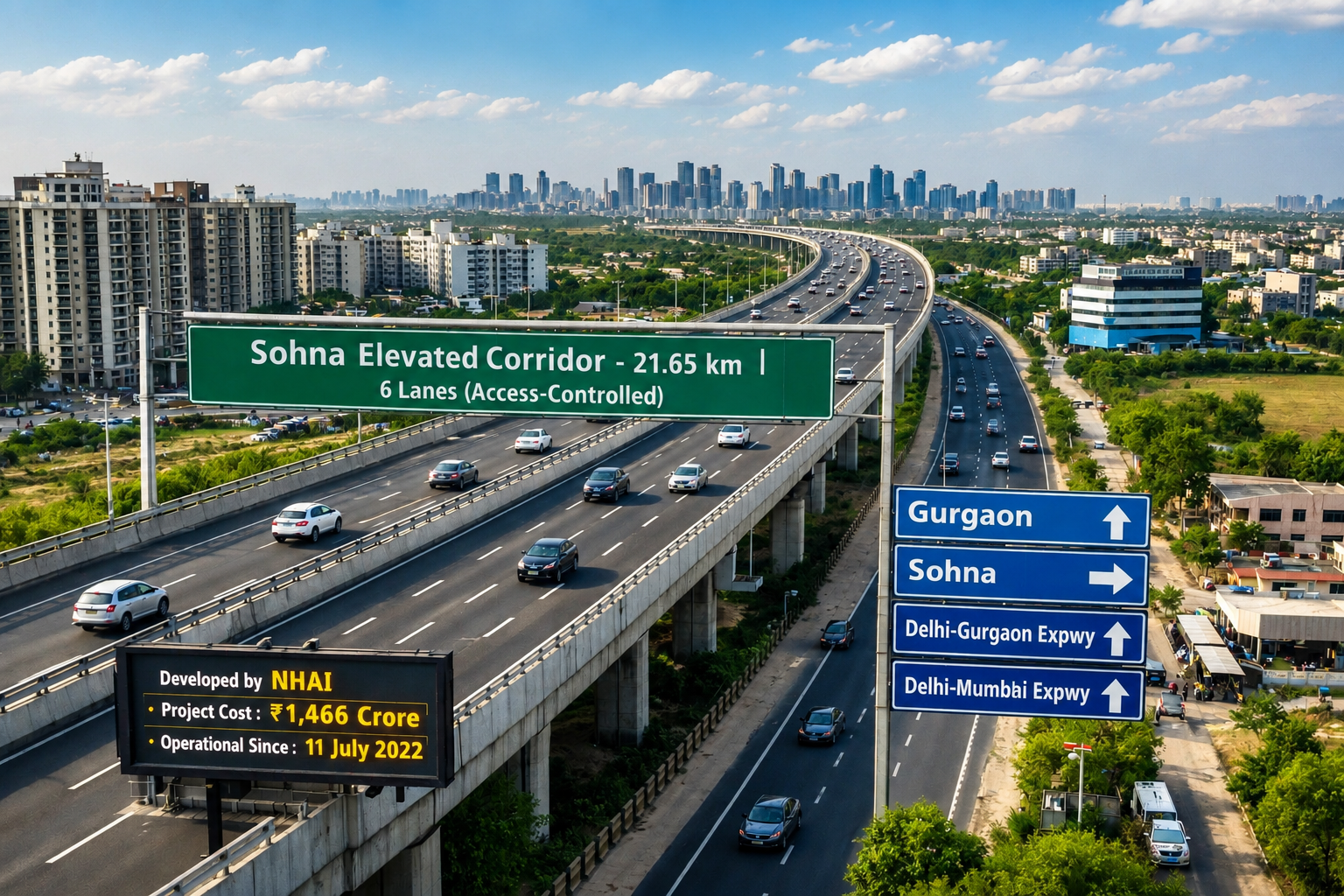
Is Sohna Really the Next Chhatarpur?
Three decades after Chhatarpur redrew South Delhi's map for space, privacy and exclusivity, a familiar pattern is now taking shape further south, and Sohna is where the smart money is beginning to look.
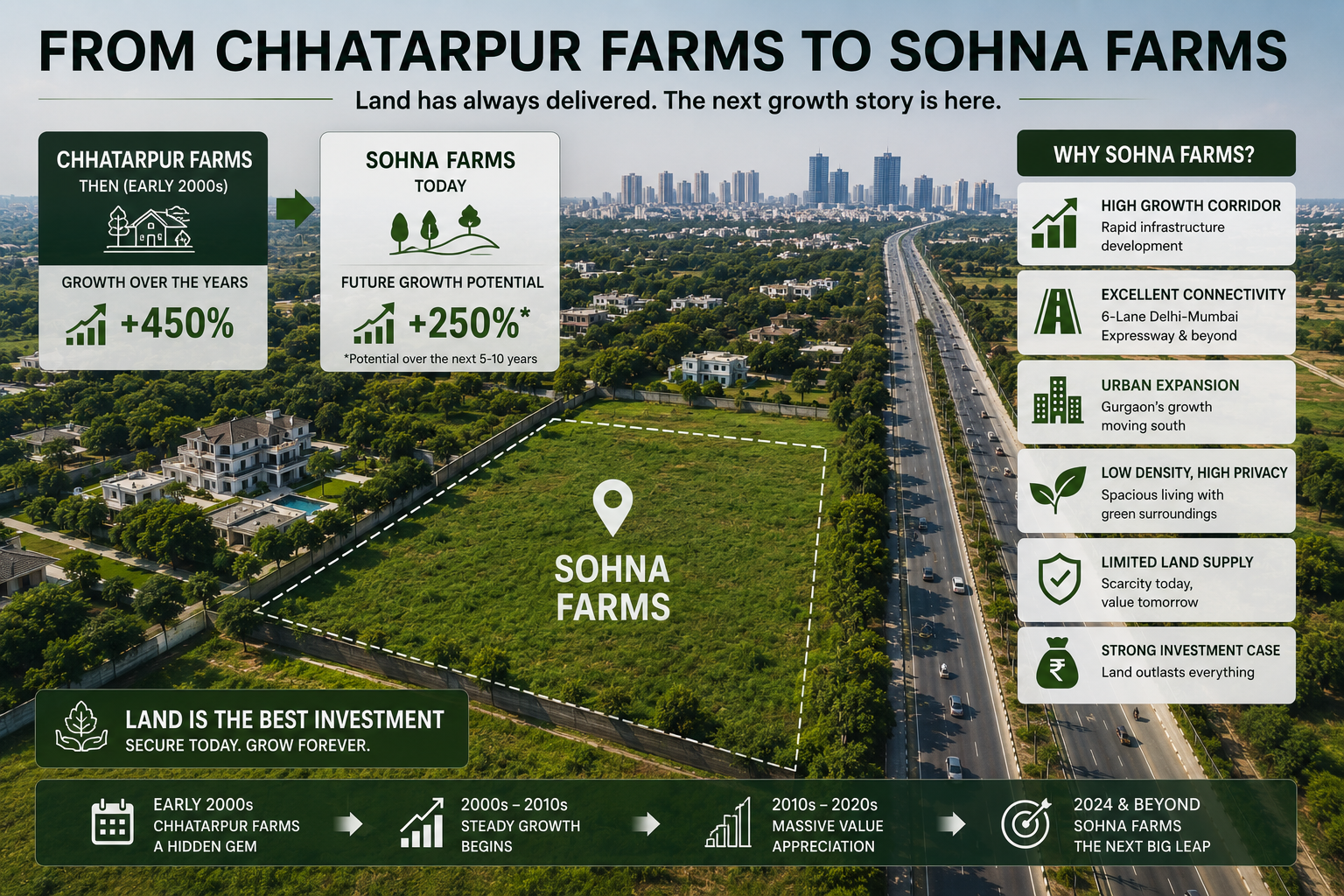
How Chhatarpur Farmhouses Created Multi-Crore Wealth for Early Buyers
What a quiet corner of South Delhi can teach investors about land, scarcity, and long-term wealth creation.

The ₹5 Crore Land Purchase That Became Worth ₹70 Crore
What the Story of DLF Chhatarpur Farms Reveals About Wealth Creation Through Premium Land Ownership
One short email. Stories you can use.
A free, occasional email from our editorial team with our latest features, explainers and reads. Unsubscribe any time — your email stays with us.