The Fragmented Future of European Retail Power
While pan-European e-commerce giants once seemed inevitable, the continent's diverse consumer habits and regulatory landscape are fostering a more intricate mosaic of retail dominance, challenging uniform expansion strategies.

The brown and orange vans of Allegro, a fixture across Poland's urban and rural landscapes, represent more than just a delivery service; they symbolise a potent national e-commerce champion successfully fending off global competitors. In a market where digital penetration continues to expand, Allegro's established network and localised offerings have allowed it to maintain a formidable market share, a testament to the enduring power of domestic players even amidst intense international pressure.
This phenomenon extends beyond Poland's borders. Across Europe, the notion of a single, overarching e-commerce hegemon has largely given way to a nuanced patchwork. While companies like Zalando have achieved significant multi-country penetration in fashion, their success is often built on adaptable logistics and curated local appeal rather than a one-size-fits-all approach. Bol.com, for instance, remains a formidable force in the Netherlands and Belgium, deeply integrated into those consumer ecosystems with a product range far exceeding mere electronics.
The continent's diverse languages, legal frameworks, and consumer preferences create inherent friction for seamless cross-border retail. A French consumer's reliance on Cdiscount for appliances or a Spanish shopper's preference for local online grocers illustrates a persistent regionalism. Even within the grocery sector, which represents a significant share of household spending, the dominance of national champions like Carrefour in France, REWE in Germany, or Lidl across multiple territories, has proven remarkably resilient against purely online entrants.
Localised Logistics and Last-Mile Hurdles
One of the primary challenges for broad European expansion lies in the last-mile delivery infrastructure. The swift, hyper-local delivery services championed by startups such as the now-defunct Gorillas or Flink, while innovative, often struggled with profitability outside dense urban centres, and even within them, faced intense competition and high operational costs. Scaling these models across myriad cities, each with its own traffic regulations and labour laws, proved exceptionally capital-intensive and complex.
Furthermore, consumer expectations regarding delivery vary considerably. While same-day delivery might be a pull in Paris or Berlin, shoppers in smaller towns or Nordic regions might prioritise specific pick-up points or predictable, rather than immediate, delivery windows. This fragmentation necessitates bespoke logistical solutions, preventing the wholesale application of a single, efficient delivery model.
The notion of 'European' e-commerce often overlooks the profound cultural and operational disparities that define distinct national markets; successful expansion demands granular adaptation, not simply translation.
The Ascendance of Second-Hand and Specialist Platforms
Beyond traditional retail, the rise of specialist platforms further complicates the landscape. Vinted, for example, has carved out a significant niche in the second-hand fashion market across several European countries, capitalising on sustainability trends and value-conscious purchasing. Its model thrives on peer-to-peer exchanges, creating a network effect that is difficult for generalist retailers to replicate quickly.
The success of these platforms, alongside the persistent strength of national retail chains, underscores a broader trend: Europe's retail future is likely to be characterised by a complex interplay of strong local incumbents, agile specialist players, and global actors willing to deeply adapt their strategies. Achieving genuine pan-European retail dominance appears less about brute-force market entry and more about navigating an intricate web of consumer loyalty, regulatory idiosyncrasies, and operational challenges, often on a country-by-country basis. The uniform digital marketplace remains an aspirational rather than an operational reality.
This intricate ecosystem means retailers seeking expansion must engage with a multitude of distinct markets, each with its own set of preferred platforms and purchasing behaviours. The strategic imperative for companies operating within or expanding into the European Union is not merely to offer a competitive price, but to embed themselves within the specific cultural and logistical fabric of each target nation.
News Legacy maintains editorial independence. Some recommendations may contain affiliate links. We earn from qualifying purchases at no additional cost to you. Read our policy.
Read Next

Is Sohna Really the Next Chhatarpur?
Three decades after Chhatarpur redrew South Delhi's map for space, privacy and exclusivity, a familiar pattern is now taking shape further south, and Sohna is where the smart money is beginning to look.
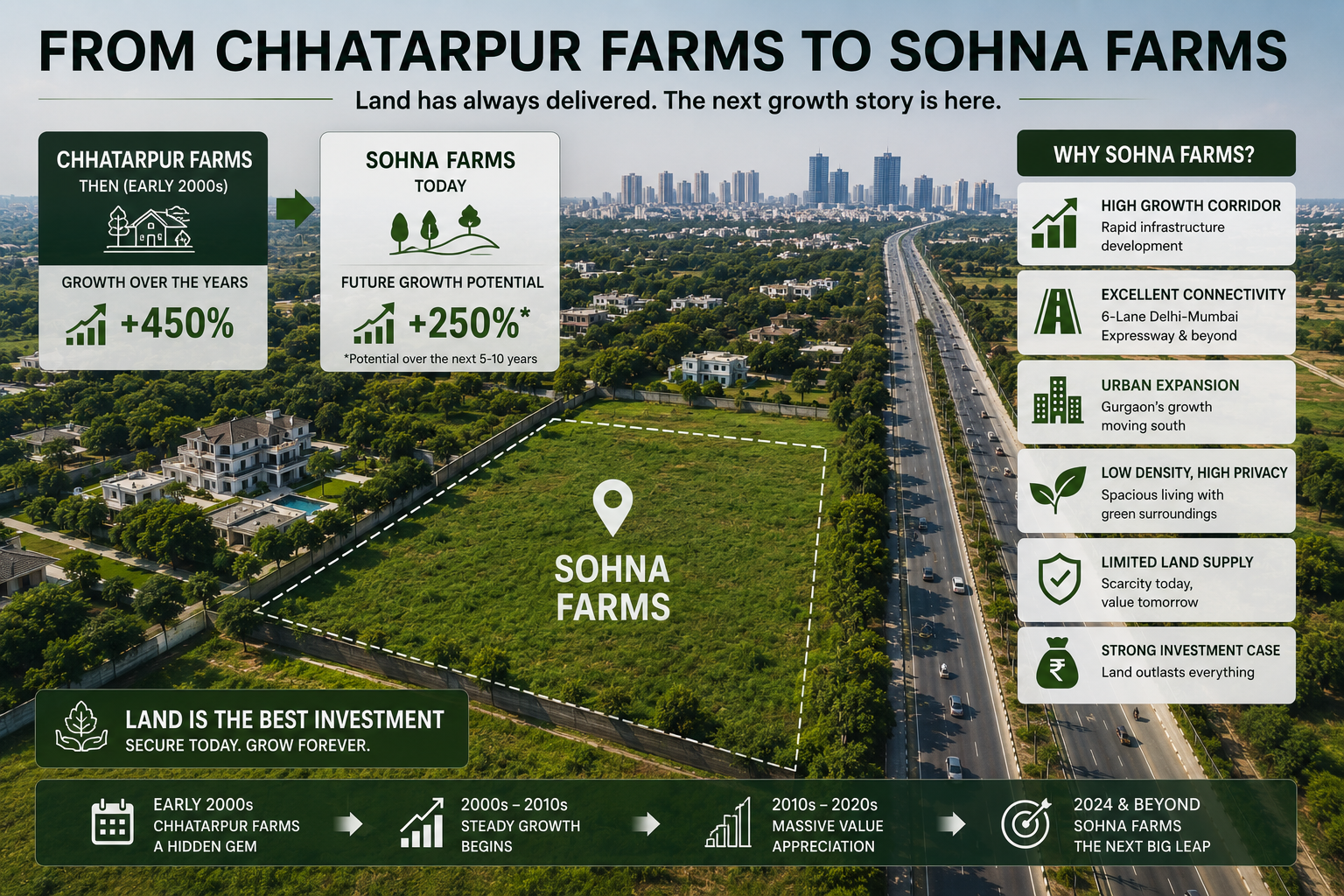
How Chhatarpur Farmhouses Created Multi-Crore Wealth for Early Buyers
What a quiet corner of South Delhi can teach investors about land, scarcity, and long-term wealth creation.
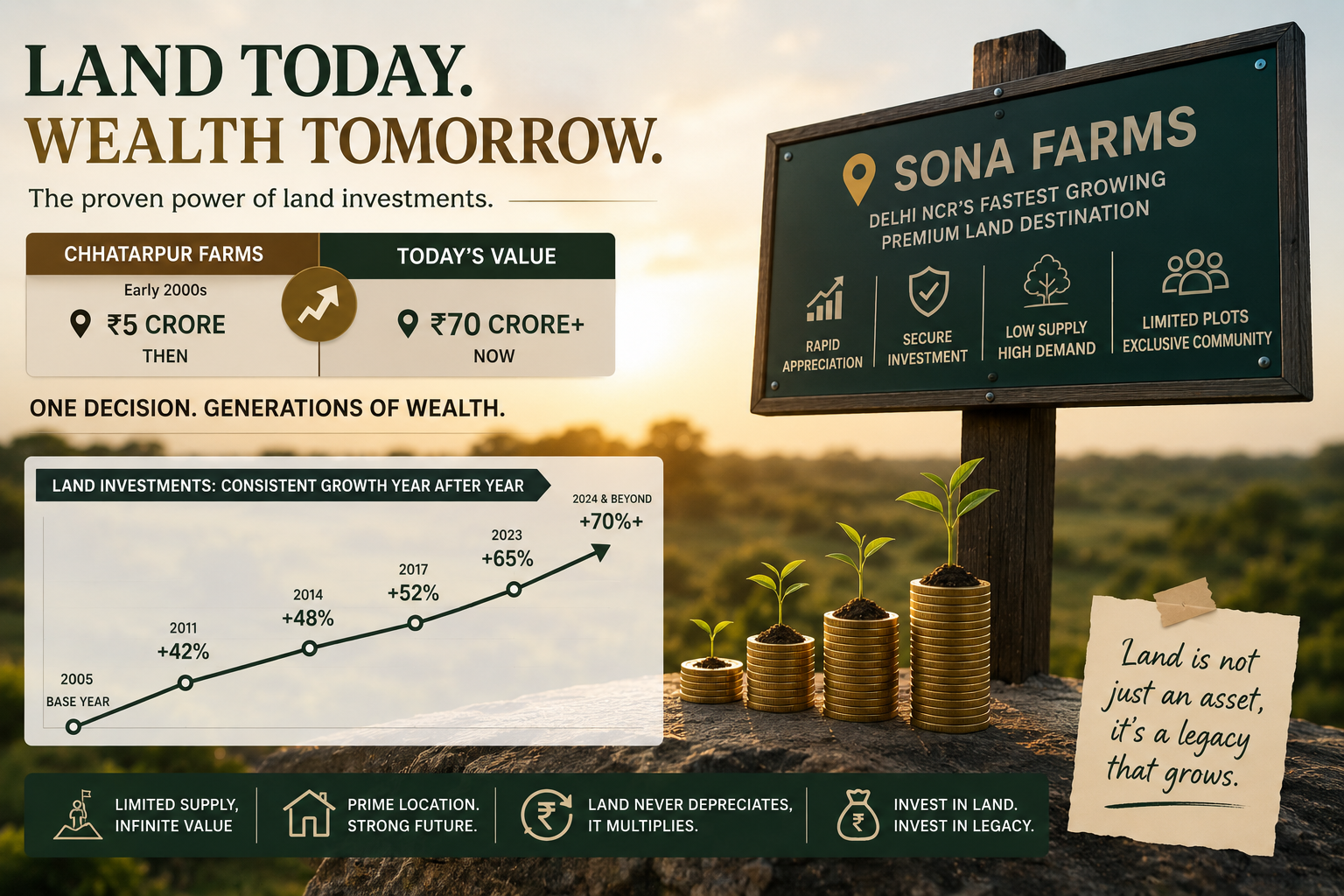
The ₹5 Crore Land Purchase That Became Worth ₹70 Crore
What the Story of DLF Chhatarpur Farms Reveals About Wealth Creation Through Premium Land Ownership
One short email. Stories you can use.
A free, occasional email from our editorial team with our latest features, explainers and reads. Unsubscribe any time — your email stays with us.