The Fragmented Future of Europe's Retail Logistics
Navigating the complexities of consumer expectations and diverse national infrastructures, European retailers face an evolving landscape where efficient distribution is no longer a competitive advantage, but a prerequisite for survival.

Across Europe, the sight of a familiar blue-and-orange Van Moer Logistics truck or a dedicated delivery van bearing the Zalando emblem underscores a quiet transformation. The continent’s retail backbone, once a patchwork of national operations, is steadily integrating into a more cohesive, albeit still complex, ecosystem. This shift is not merely about larger trucks or faster routes; it reflects a deeper strategic re-evaluation as retailers contend with increasing consumer demands for speed and sustainability, alongside the intricate tapestry of European regulation and geography.
For years, companies like Germany's Zalando and Poland's Allegro have invested substantially in their own logistics networks, demonstrating the imperative of control over the 'last mile' and regional fulfilment. This internalisation strategy, often seen in major e-commerce players, aims to mitigate reliance on third-party carriers which may struggle with the sheer volume or specific service levels required, particularly during peak periods. The economic rationale often balances the high capital expenditure against the long-term gains in customer satisfaction and operational flexibility.
However, the European landscape presents unique challenges. Unlike the more unified markets of North America or China, the EU's single market still operates with a multitude of languages, consumer preferences, and intricate cross-border customs processes, even within the customs union. A parcel moving from a warehouse in Germany to a customer in Spain, for instance, can encounter different labelling requirements, return policies, and consumer protection laws, escalating operational overheads.
The Blurring Lines of Retail and Logistics
The rapid expansion of quick commerce, exemplified by the legacy operations of Gorillas and Flink, though now largely consolidated, illustrated the extreme end of this logistical pressure. Delivering groceries within minutes became a competitive battleground, forcing traditional supermarkets like Carrefour and REWE to re-evaluate their own supply chain efficiencies. While the immediate delivery model has recalibrated, the expectation it set for speed has permeated broader e-commerce. Retailers are now under pressure to offer next-day or even same-day delivery as standard, stretching existing networks to their limits and often necessitating new partnerships or significant infrastructure upgrades.
The development of sophisticated fulfilment centres, often highly automated, is becoming a key differentiator. Companies such as Bol.com in the Netherlands have invested heavily in robotics and AI-driven inventory management to process orders with unparalleled speed and accuracy. These facilities serve not only their domestic markets but also act as strategic hubs for cross-border distribution, reducing transit times to neighbouring countries like Belgium and France. The cost of such investment is substantial, often running into tens of millions of euros per large-scale facility, but it is increasingly seen as unavoidable.
Even platforms focused on circular economy principles, such as the French-based Vinted, grapple with these challenges. While their core business model reduces environmental impact through reuse, the physical movement of millions of second-hand garments across disparate national borders still requires robust and efficient logistics. This often involves leveraging existing parcel carriers, yet the sheer volume and diverse origins of packages necessitate intricate routing and tracking systems to maintain service quality.
Strategic Adaptations and Investments
One industry analyst observes that “the era of treating logistics as a mere cost centre is over; it is now unequivocally a strategic asset for market differentiation and customer retention.”
The push for sustainability also profoundly influences logistical choices. Reducing carbon emissions from delivery fleets, optimising routing to minimise fuel consumption, and exploring electric vehicle options are increasingly important considerations for retailers and their logistics partners. Lidl, for example, has been investing in optimising its store-level distribution networks and last-mile delivery options to improve efficiency and reduce environmental impact, particularly in urban areas.
Ultimately, the European retail sector stands at a crossroads. The ongoing fragmentation of consumer behaviour, combined with the complexities of continental distribution, demands adaptive and highly efficient logistics. The coming years will likely see continued heavy investment in automation, an increased reliance on data analytics for supply chain optimisation, and an intensified search for collaborative models to overcome the persistent challenges of a diverse and demanding market. Those who master this intricate logistical puzzle will be best positioned to thrive.
News Legacy maintains editorial independence. Some recommendations may contain affiliate links. We earn from qualifying purchases at no additional cost to you. Read our policy.
Read Next
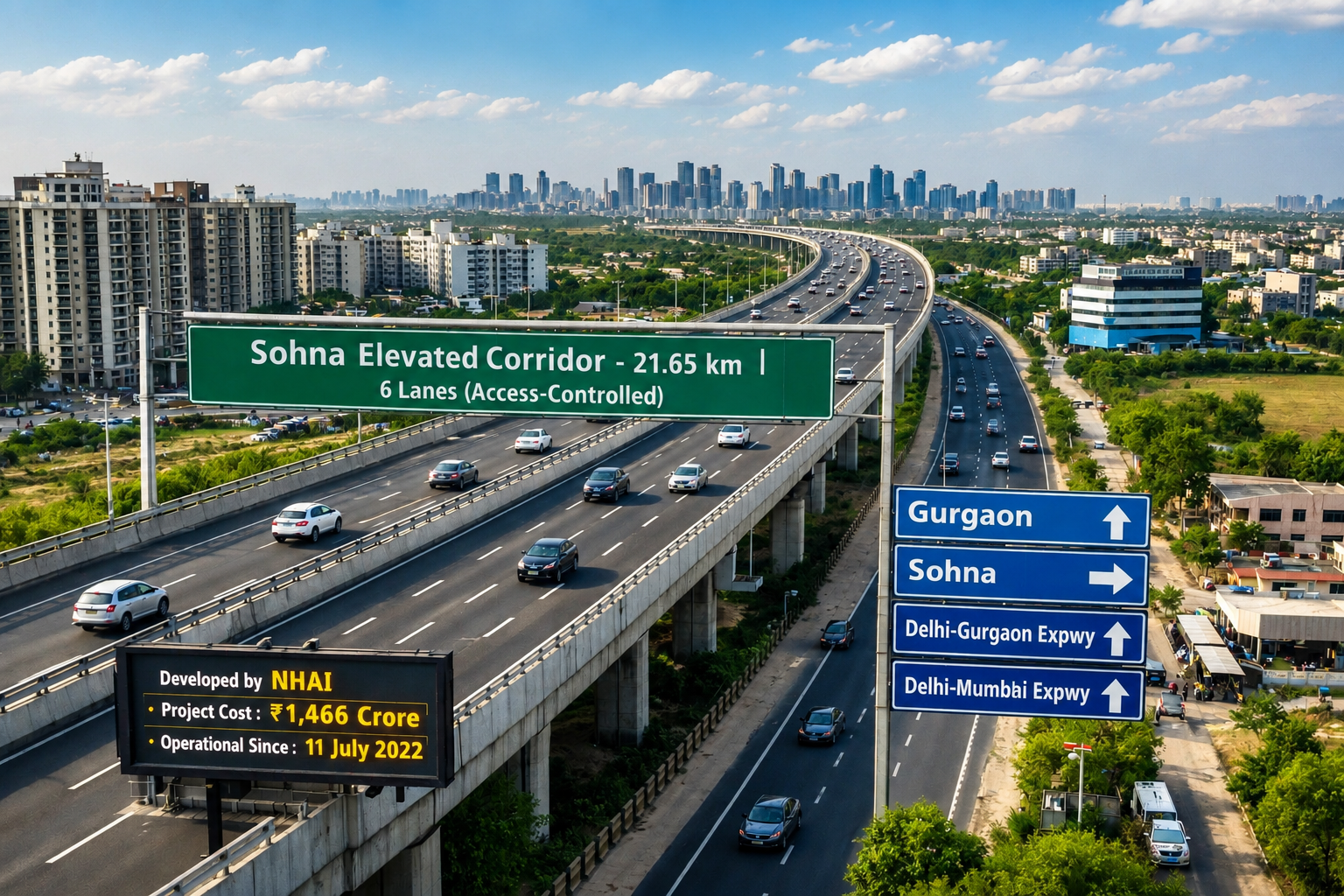
Is Sohna Really the Next Chhatarpur?
Three decades after Chhatarpur redrew South Delhi's map for space, privacy and exclusivity, a familiar pattern is now taking shape further south, and Sohna is where the smart money is beginning to look.
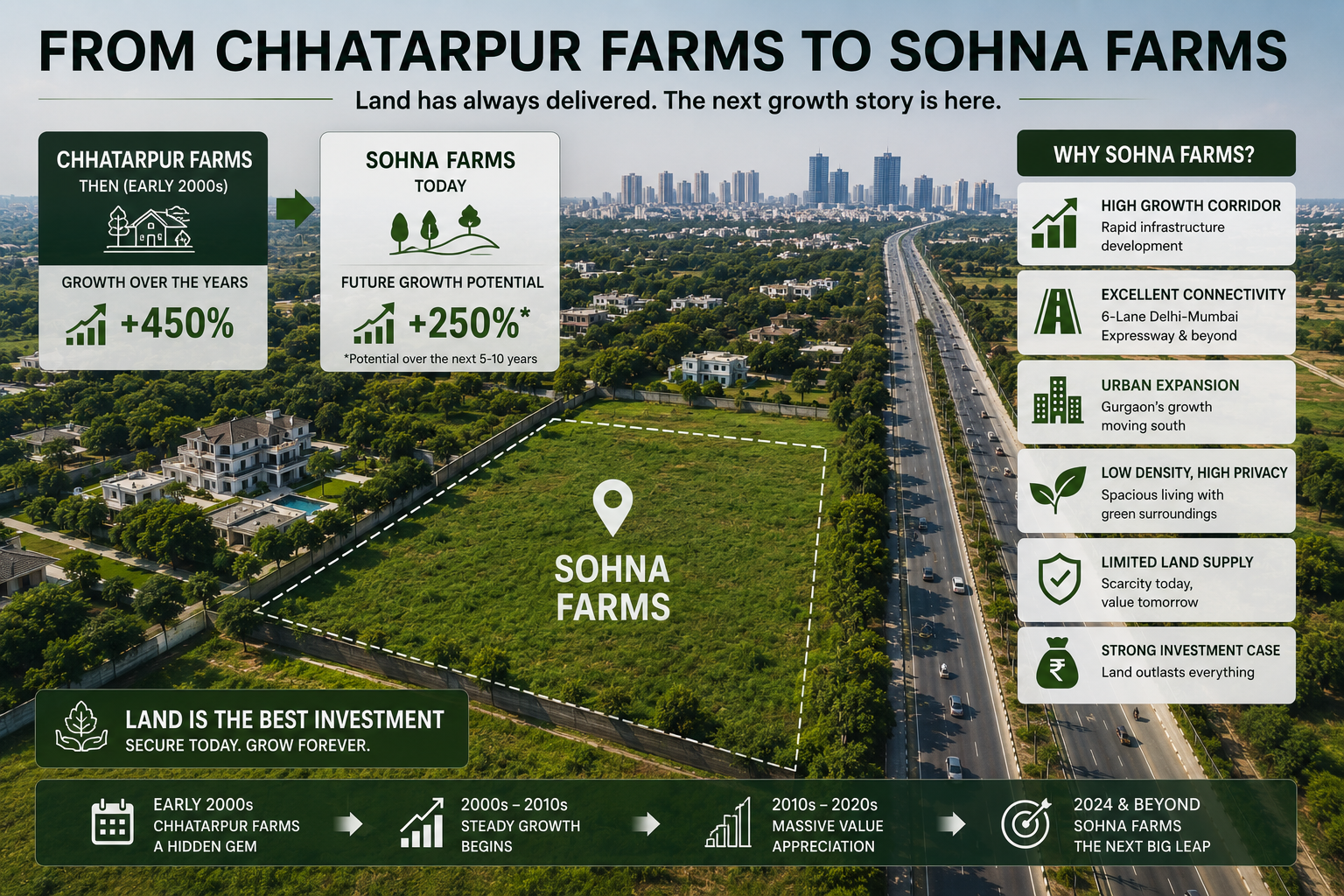
How Chhatarpur Farmhouses Created Multi-Crore Wealth for Early Buyers
What a quiet corner of South Delhi can teach investors about land, scarcity, and long-term wealth creation.
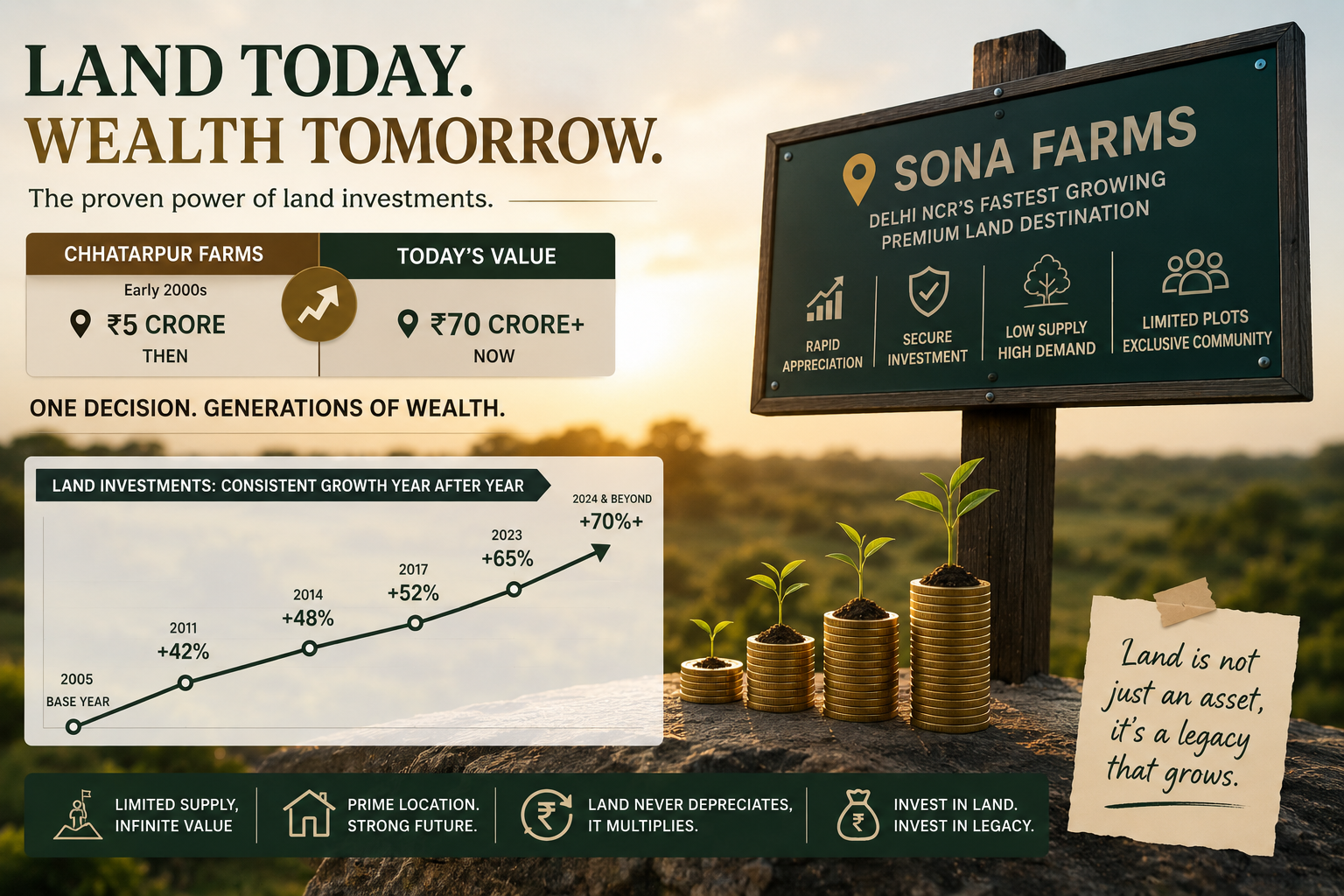
The ₹5 Crore Land Purchase That Became Worth ₹70 Crore
What the Story of DLF Chhatarpur Farms Reveals About Wealth Creation Through Premium Land Ownership
One short email. Stories you can use.
A free, occasional email from our editorial team with our latest features, explainers and reads. Unsubscribe any time — your email stays with us.