The Friction of Influence: Why Continental Retailers Are Subsidising Native Creator Networks
As social platforms threaten to monopolise checkout funnels, European marketplaces from Zalando to Allegro are spending heavily to keep creator-led commerce within their own digital borders.

At Zalando’s design and technology hub in Berlin, the commercial imperative of the past eighteen months has moved decisively away from passive catalogue indexing toward editorial, creator-led discovery. The German apparel giant has steadily woven personal styling feeds and creator storefronts directly into its flagship application, recognising that European consumers increasingly treat digital merchants as destination media rather than mere digital distribution warehouses. The defensive manoeuvre reflects a broader continental anxiety: if the point of inspiration shifts permanently to social video platforms, Europe's homegrown retailers risk being relegated to commoditised fulfilment infrastructure.
Unlike the United States, where creator commerce operates across a culturally and linguistically uniform landscape, or China, where super-apps manage the entire cycle from broadcast to settlement, continental Europe presents severe structural barriers. An influencer generating substantial conversion for Cdiscount or Carrefour in France cannot seamlessly replicate those basket additions across Germany, Italy, or Spain. Content must navigate distinct linguistic borders, disparate consumer payment preferences, and deeply entrenched domestic incumbents.
Fortress Europe Against Social Checkouts
To resist external social networks capturing the transaction layer, regional champions are aggressively constructing their own internalised creator programmes. In Poland, market leader Allegro has invested in native content and creator partnerships to insulate its dominant position against foreign social commerce incursions, ensuring that product endorsements resolve within its domestic payment ecosystem. Across the Netherlands and Belgium, Bol has pursued a parallel path by integrating local Tastemakers into its retail architecture, offering commissions that rival standard affiliate rates while keeping proprietary shopper data strictly within its firewall.
Meanwhile, the Lithuanian-founded resale platform Vinted has quietly demonstrated the economic power of peer-led curation across cross-border corridors linking France, Spain, and Italy. By enabling ordinary sellers to amass followings and style their own virtual boutiques, Vinted established an organic creator ecosystem without the inflation of traditional talent agency fees, showing that authentic peer influence often out-converts polished celebrity campaigns on continental soil.
When discovery migrates irreversibly to algorithmic video, the merchant that merely packs the box forfeits the pricing power that sustains marketplace margins.
Compliance as a Competitive Moat
Regulatory interventions are paradoxically aiding European retail incumbents in this transition. France’s statutory framework governing commercial influence, enacted in 2023, coupled with the systemic oversight mandated by the European Union’s Digital Services Act, has dramatically elevated the legal liability associated with covert sponsorship and substandard product claims. For established grocery operators such as REWE and Lidl, which have both flirted with culinary creator partnerships, running campaigns through vetted, closed-loop retail media networks offers compliance certainty that volatile open-web platforms struggle to match.
Logistical realities also constrain pure-play social applications. The legacy of Europe’s rapid delivery shakeout—which saw Gorillas absorbed and left Flink to operate with heightened capital discipline—proved that creator-driven impulse buying collapses if inventory accuracy is poor. A creator in Milan promoting an exclusive product drop requires synchronous alignment with local distribution centres; without it, return rates, already hovering near fifty per cent in certain apparel categories in the Nordics and Germany, erode thin operational margins entirely.
The battle over European creator commerce will not be decided by sheer audience scale alone, but by who controls the friction of local execution. For continental platforms, contracting creators is no longer an ancillary marketing exercise. It is a critical territorial defence to ensure that as European consumers scroll, their euros remain firmly anchored in domestic checkouts.
News Legacy maintains editorial independence. Some recommendations may contain affiliate links. We earn from qualifying purchases at no additional cost to you. Read our policy.
Read Next

Is Sohna Really the Next Chhatarpur?
Three decades after Chhatarpur redrew South Delhi's map for space, privacy and exclusivity, a familiar pattern is now taking shape further south, and Sohna is where the smart money is beginning to look.
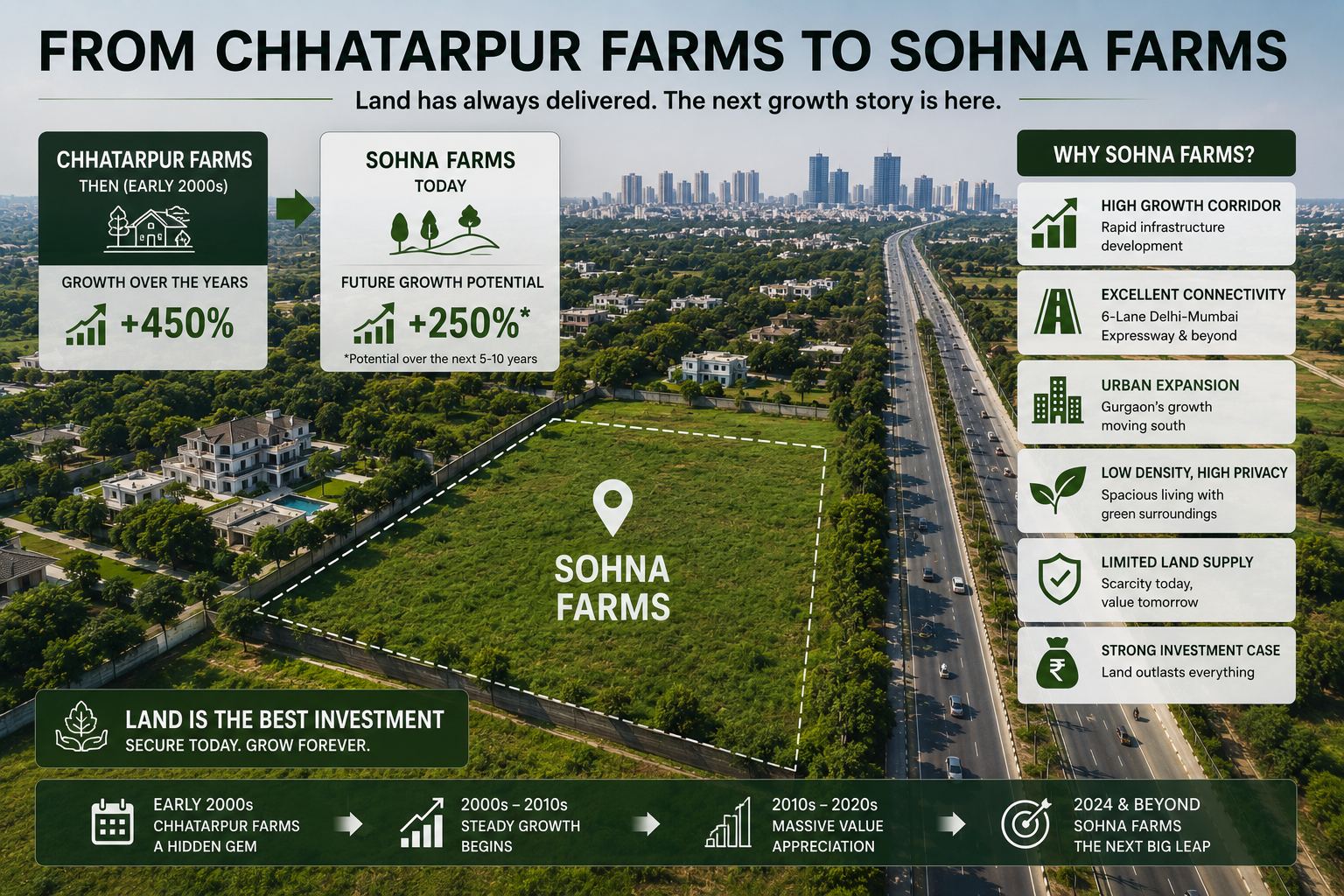
How Chhatarpur Farmhouses Created Multi-Crore Wealth for Early Buyers
What a quiet corner of South Delhi can teach investors about land, scarcity, and long-term wealth creation.
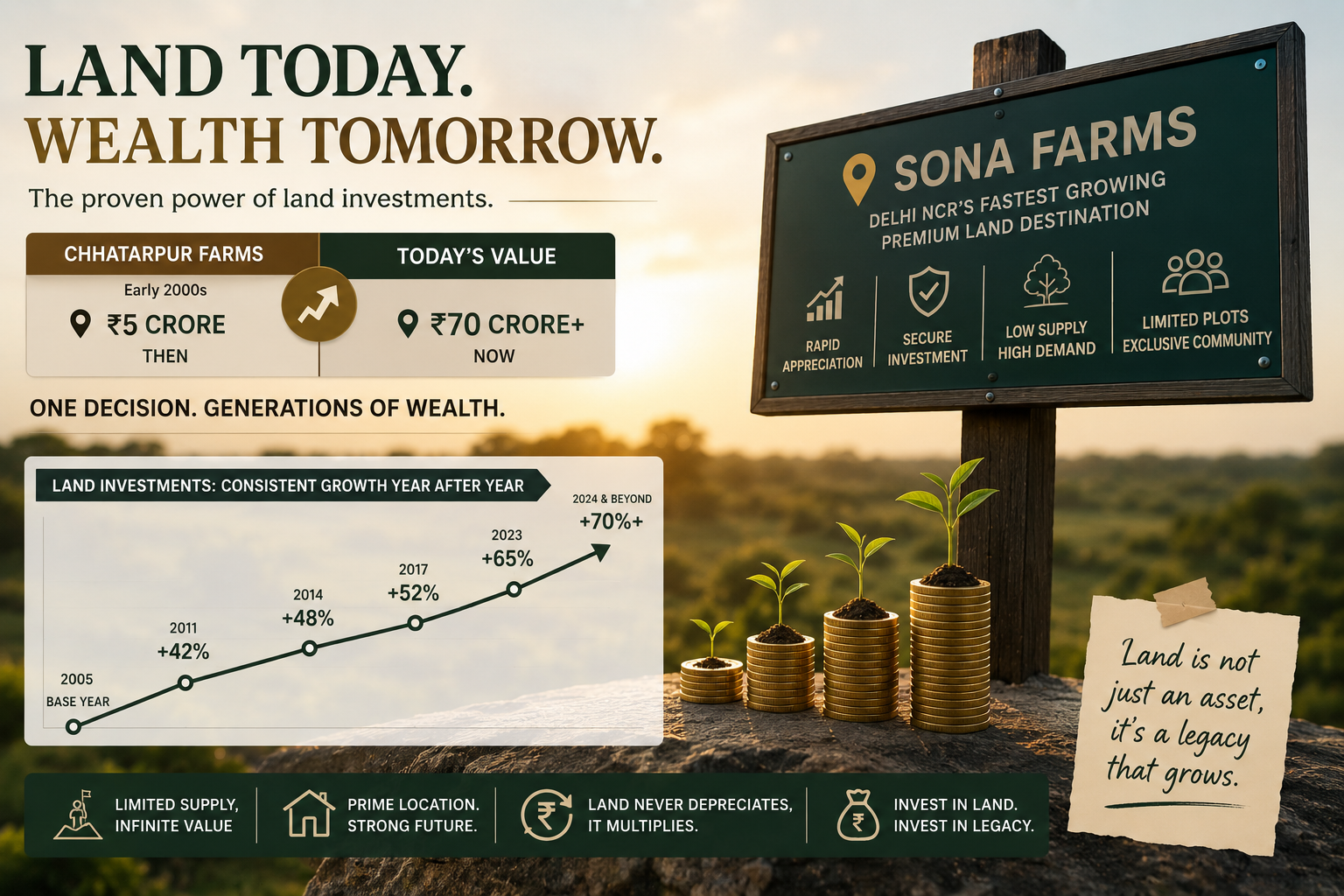
The ₹5 Crore Land Purchase That Became Worth ₹70 Crore
What the Story of DLF Chhatarpur Farms Reveals About Wealth Creation Through Premium Land Ownership
One short email. Stories you can use.
A free, occasional email from our editorial team with our latest features, explainers and reads. Unsubscribe any time — your email stays with us.