The Frictionless Imperative: UK Retailers Grapple with Digital's Demands
Across Britain, established retailers and digital disruptors alike are navigating a complex landscape where technological integration is no longer an advantage but a fundamental expectation for consumer engagement and operational efficiency.

A recent visit to a Marks & Spencer Food Hall illustrates a quiet transformation. While the traditional high street experience persists, self-service checkouts now dominate, and the ubiquitous M&S Sparks app prompts personalised offers, demonstrating a clear strategic shift towards technology-driven convenience. This evolution is not unique to M&S; it reflects a broader imperative compelling UK retailers to re-evaluate every point of consumer interaction, from online browsing to last-mile delivery, against a backdrop of tightening budgets and evolving shopper expectations.
The digital adoption curve, accelerated by recent global events, has reshaped consumer patience. Shoppers now anticipate seamless transitions between physical and virtual storefronts, rapid order fulfilment, and intuitive user experiences. Failure to deliver these core elements can translate directly into lost market share, particularly as economic pressures encourage more discerning purchasing decisions across the population.
The Ocado Effect and Beyond
Ocado stands as a prominent example of technologically driven retail transformation within the UK. Its highly automated warehouses, deploying advanced robotics and proprietary software, have redefined grocery fulfilment, offering an enviable blueprint for operational scalability. While few traditional supermarkets can replicate Ocado's capital expenditure on such infrastructure, its success has undeniably spurred competitors like Tesco and Sainsbury's to invest heavily in their own online delivery platforms and supply chain optimisation, albeit often through different technological avenues.
Tesco's 'Whoosh' rapid delivery service, for instance, leverages its extensive store network for hyperlocal fulfilment, competing directly with dedicated rapid grocery providers. Sainsbury's, meanwhile, has focused on enhancing its SmartShop app, allowing customers to scan and pay as they shop, significantly reducing checkout friction in physical stores. These initiatives highlight a recognition that the battle for customer loyalty is increasingly fought on the grounds of convenience and speed.
The retailers who will thrive are those who master not just the digital storefront, but the intricate ballet of data, logistics, and personalisation that underpins it.
The Apparel Sector's Agile Challenge
The fashion retail segment faces distinct challenges. Online pure-plays like ASOS and Boohoo rapidly captured market share through agile supply chains and data-driven trend forecasting. Traditional players such as Next and JD Sports have responded by investing substantially in e-commerce platforms and multi-channel strategies. Next's robust online infrastructure, bolstered by its well-established catalogue business, allowed it to pivot effectively during periods of physical store disruption. However, the high cost of returns processing and fierce competition for digital advertising space remain significant overheads.
Moreover, the integration of artificial intelligence and machine learning is becoming critical for optimising inventory management and personalising customer journeys. Recommendations engines, dynamic pricing algorithms, and predictive analytics are no longer theoretical luxuries but essential tools for minimising waste and maximising conversion rates in a sector characterised by fast-moving trends and fluctuating demand. Retailers failing to harness these capabilities risk being outmanoeuvred by more technologically proficient rivals.
The UK retail sector is therefore in a perpetual state of technological adjustment. From automated warehousing to intelligent store operations and sophisticated online platforms, the adoption of advanced digital tools is not merely about incremental improvements; it represents a fundamental re-engineering of the retail model itself. The long-term success of British high street giants and online specialists alike will hinge on their sustained commitment to this technological imperative, ensuring that they can meet the ever-escalating expectations of the contemporary consumer.
News Legacy maintains editorial independence. Some recommendations may contain affiliate links. We earn from qualifying purchases at no additional cost to you. Read our policy.
Read Next

Is Sohna Really the Next Chhatarpur?
Three decades after Chhatarpur redrew South Delhi's map for space, privacy and exclusivity, a familiar pattern is now taking shape further south, and Sohna is where the smart money is beginning to look.
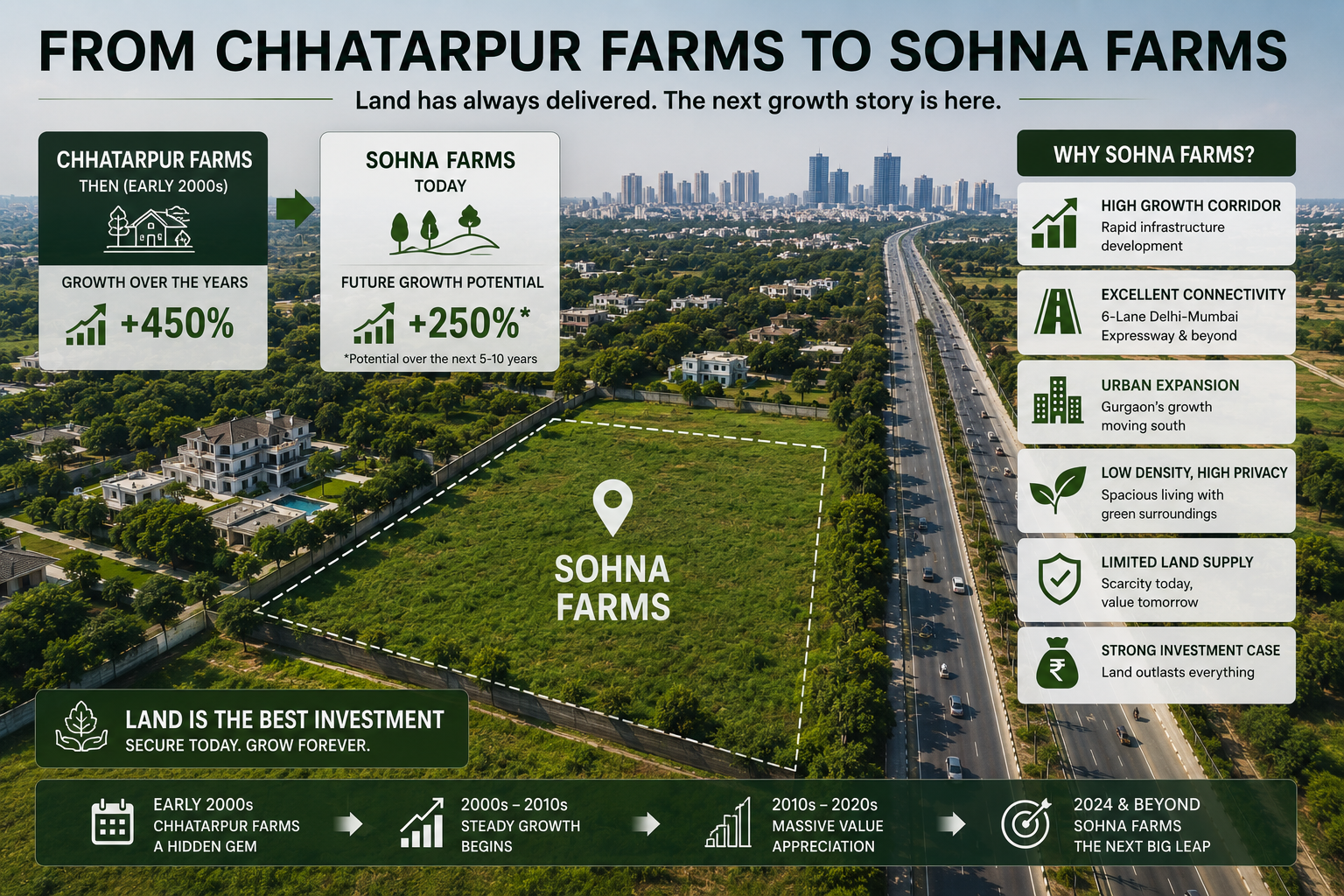
How Chhatarpur Farmhouses Created Multi-Crore Wealth for Early Buyers
What a quiet corner of South Delhi can teach investors about land, scarcity, and long-term wealth creation.

The ₹5 Crore Land Purchase That Became Worth ₹70 Crore
What the Story of DLF Chhatarpur Farms Reveals About Wealth Creation Through Premium Land Ownership
One short email. Stories you can use.
A free, occasional email from our editorial team with our latest features, explainers and reads. Unsubscribe any time — your email stays with us.