The Grocery Battlefield: Supermarket Aggregators Vie for British Basket Share
Third-party delivery platforms are transforming how British consumers purchase groceries, forcing established supermarkets to recalibrate their digital strategies and defend direct customer relationships.

At a Tesco Extra in East London, a familiar sight unfolds daily: dedicated pickers, distinguishable by their branded aprons and handheld scanners, navigate aisles, fulfilling online orders for next-day delivery or click-and-collect. Adjacent to them, however, a newer phenomenon is taking hold. Riders from Deliveroo and Just Eat, often identifiable by their distinctive backpacks, collect smaller, immediate grocery orders, not directly from Tesco's own systems, but through partnerships that blur the lines between traditional retail and instant gratification. This burgeoning ecosystem of third-party grocery aggregation is reshaping consumer expectations and presenting both opportunities and existential challenges for Britain's supermarket giants.
The pandemic accelerated a shift towards online grocery shopping, but the subsequent proliferation of quick commerce players has injected a new dynamic. While Ocado and the major supermarkets built sophisticated, capital-intensive fulfilment networks for scheduled deliveries, aggregators like Deliveroo and Just Eat (owner of Menulog and SkipTheDishes) initially focused on restaurant takeaways. Their pivot to groceries leveraged existing rider networks and consumer habit, offering convenience that even the most efficient supermarket delivery slots struggled to match for spontaneous needs.
For consumers, the appeal is clear: a pint of milk, a forgotten ingredient, or a last-minute snack can arrive within minutes, often for a small service fee. This convenience-driven demand has led to significant growth. Deliveroo reported gross transaction value (GTV) from its grocery arm growing by 36% year-on-year in the first half of 2023, while Just Eat Takeaway.com's total GTV, though broader, demonstrated sustained demand for on-demand services. The sheer volume of orders, even if individually smaller, represents a meaningful portion of household expenditure shifting away from traditional channels.
The Supermarket's Dilemma
Supermarkets find themselves in a strategic quandary. Partnering with aggregators offers immediate access to a wider customer base and allows them to compete in the rapid delivery space without the substantial investment in rider fleets and dedicated dark stores. Sainsbury's, for example, has expanded its partnership with Deliveroo, offering thousands of products for rapid delivery from hundreds of its stores. Similarly, Co-op, Waitrose, and Morrisons have embraced various aggregator relationships to extend their reach.
However, this convenience comes at a cost. Aggregators typically command a commission on sales, eroding supermarket margins. More fundamentally, these platforms act as an intermediary, potentially weakening the direct customer relationship and brand loyalty that supermarkets have meticulously built over decades. Data on purchasing habits and consumer preferences, historically a proprietary asset, becomes partially shared or obscured, making it harder for supermarkets to personalise offers or drive repeat business through their own channels.
Marks & Spencer's partnership with Ocado, while a different model of joint venture, illustrates the complexities of third-party reliance. While providing M&S Food with an online channel it previously lacked, the arrangement means M&S does not fully control the customer experience or the data generated by those transactions. The question for all supermarkets is how to balance the immediate revenue uplift and reach provided by aggregators against the long-term imperative of owning the customer journey.
Navigating the Competitive Landscape
The response from some supermarkets has been to double down on their own rapid delivery capabilities. Tesco has expanded its 'Whoosh' service, aiming to deliver groceries within 60 minutes from a growing number of stores. ASOS and Next, though not grocery players, provide a parallel example in fashion of e-commerce incumbents strengthening their own logistics to offer competitive delivery speeds, rather than solely relying on external courier networks. This suggests a recognition that speed and convenience are now table stakes, not differentiators, and that direct control offers strategic advantages.
The ongoing negotiation is not simply about delivery fees; it's about the future of the customer interface and who ultimately owns the digital relationship with the British shopper.
The landscape remains highly dynamic. As aggregators continue to refine their models and supermarkets strive to innovate their own digital offerings, the British grocery market is poised for continued transformation. The battle for the online grocery basket will likely be fought on multiple fronts: price, speed, range, and crucially, the strength of the direct customer connection.
News Legacy maintains editorial independence. Some recommendations may contain affiliate links. We earn from qualifying purchases at no additional cost to you. Read our policy.
Read Next

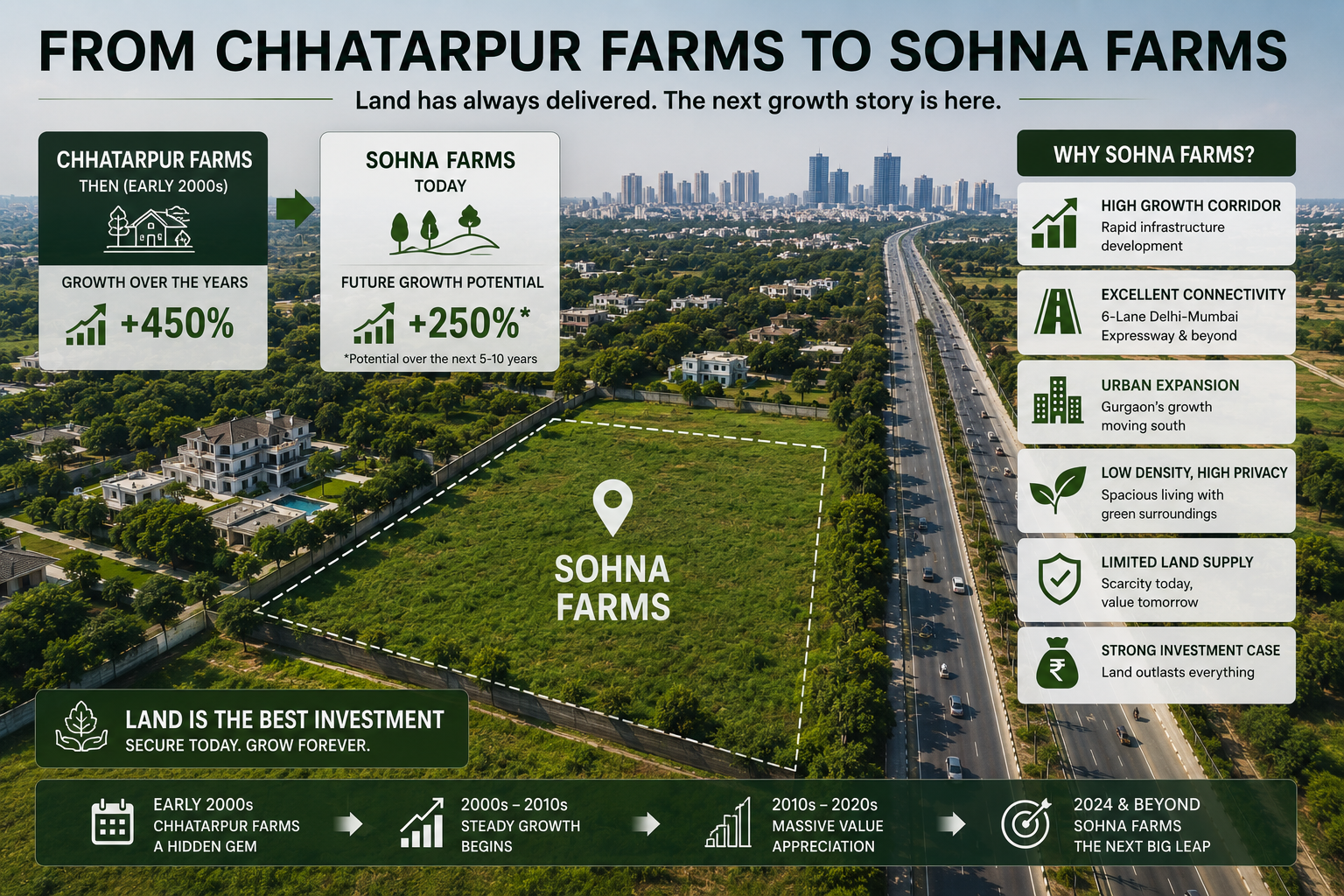
Is Sohna Really the Next Chhatarpur?
Three decades after Chhatarpur redrew South Delhi's map for space, privacy and exclusivity, a familiar pattern is now taking shape further south, and Sohna is where the smart money is beginning to look.
How Chhatarpur Farmhouses Created Multi-Crore Wealth for Early Buyers
What a quiet corner of South Delhi can teach investors about land, scarcity, and long-term wealth creation.

The ₹5 Crore Land Purchase That Became Worth ₹70 Crore
What the Story of DLF Chhatarpur Farms Reveals About Wealth Creation Through Premium Land Ownership
One short email. Stories you can use.
A free, occasional email from our editorial team with our latest features, explainers and reads. Unsubscribe any time — your email stays with us.