The High-Low Pantry: How Britain’s Fragmented Baskets Are Upending Mid-Tier Retail
Faced with persistent price pressure, British households are abandoning single-destination shopping in favour of a polarised rhythm that rewards discounters and luxury treats while hollowing out the middle.

On a damp Thursday evening at a suburban Marks & Spencer food hall outside Manchester, wire baskets hold a revealing assortment: a bottle of dry gin, an artisanal loaf, and two prepared meals from the retailer's premium tier. Two miles down the dual carriageway, the very same consumers are loading the boots of their hatchbacks with tinned goods, butter, and laundry liquid purchased from deep discounters. The unified weekly shop, once the bedrock of the British retail economy, has disintegrated into a patchwork of calculated compromises and deliberate indulgences.
This bifurcated behaviour presents an existential conundrum for the traditional retail establishment. For decades, Britain's dominant grocers relied on the predictability of the cross-category basket, cross-subsidising wafer-thin margins on flour and milk with healthy markups on wine, confectionery, and seasonal goods. Today, household budgets are subjected to line-item scrutiny. Consumers are entirely comfortable pairing an ultra-budget staple with an expensive ready-to-eat luxury, leaving mid-market players scrambling to maintain relevance across both fronts.
The Erosion of the Middle Ground
The casualties of this shift are most evident where value propositions remain ambiguous. While Marks & Spencer has engineered an impressive grocery resurgence by leaning into its status as a destination for quality treats, and Tesco has defended its territory through aggressive Clubcard-tied promotional pricing, the broad middle tier remains under siege. In apparel, the same dynamics apply. Fast-fashion bellwether ASOS has grappled with high return rates and inventory overhang, as younger shoppers either cut discretionary spending altogether or migrate towards pre-owned marketplaces. Conversely, Next has maintained steady ground largely by morphing into an efficient clearing house and logistics engine for third-party labels.
The modern British shopping basket has ceased to reflect a single socioeconomic tier; it now functions as a daily tactical compromise between thrift and indulgence.
The resulting margin pressure is compounded by the rising operational overheads borne by domestic merchants. Increases in the national living wage, higher business rates, and volatile logistics contracts mean retailers cannot afford inert inventory. Sainsbury's has responded by doubling down on loyalty-driven discounts through its Nectar programme, attempting to deter shoppers from splitting their custom. Yet consumer fidelity continues to drift, with mobile banking data suggesting that the average household now regularises purchases across three or four competing chains each month.
The Algorithmic Corner Shop
Where geography used to dictate fill-in shopping, digital platforms have introduced a further layer of fragmentation. The traditional corner shop, long the refuge for forgotten pints of milk or mid-week essentials, is now fighting Deliveroo and Just Eat for evening transactions. Both courier services have aggressively expanded beyond restaurant takeaways into 20-minute grocery fulfillment, partnering with established grocers like Morrisons and the Co-op while levying significant delivery premia and service fees that cost-conscious shoppers nonetheless pay for immediate convenience.
Even Ocado, whose capital-intensive automated grid warehouses were designed to capture full-basket domestic provisioning, has felt the headwind of smaller, more frequent order patterns. As basket sizes thin and delivery surcharges mount, consumers increasingly view large-scale home delivery through the prism of utility rather than convenience. For British retail boards preparing for the fiscal year ahead, the mandate is stark: operate with the ruthless cost discipline of an automated distribution network, or cultivate an offering distinct enough to justify a genuine premium. To languish in the non-descript centre is to invite terminal irrelevance.
News Legacy maintains editorial independence. Some recommendations may contain affiliate links. We earn from qualifying purchases at no additional cost to you. Read our policy.
Read Next
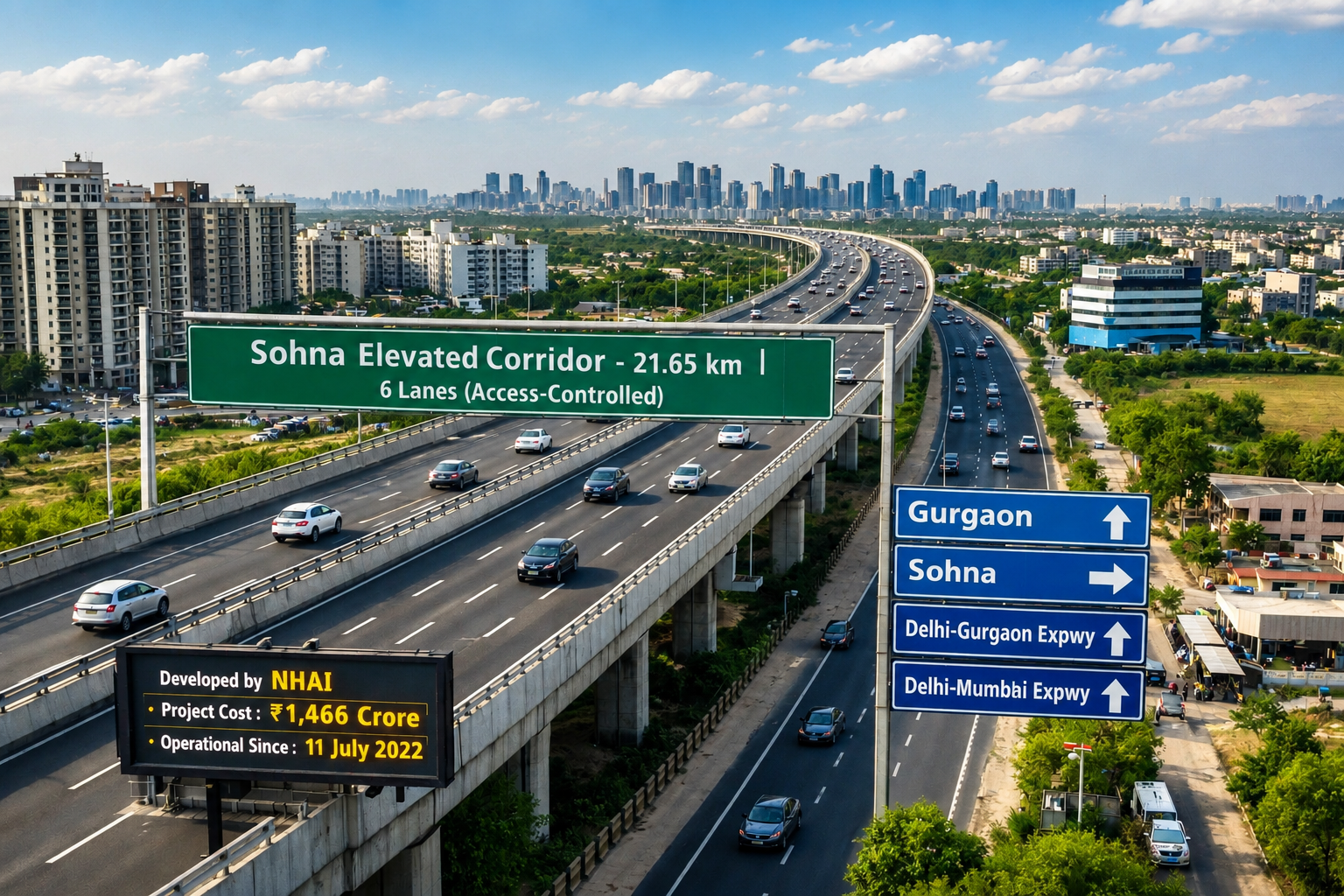
Is Sohna Really the Next Chhatarpur?
Three decades after Chhatarpur redrew South Delhi's map for space, privacy and exclusivity, a familiar pattern is now taking shape further south, and Sohna is where the smart money is beginning to look.
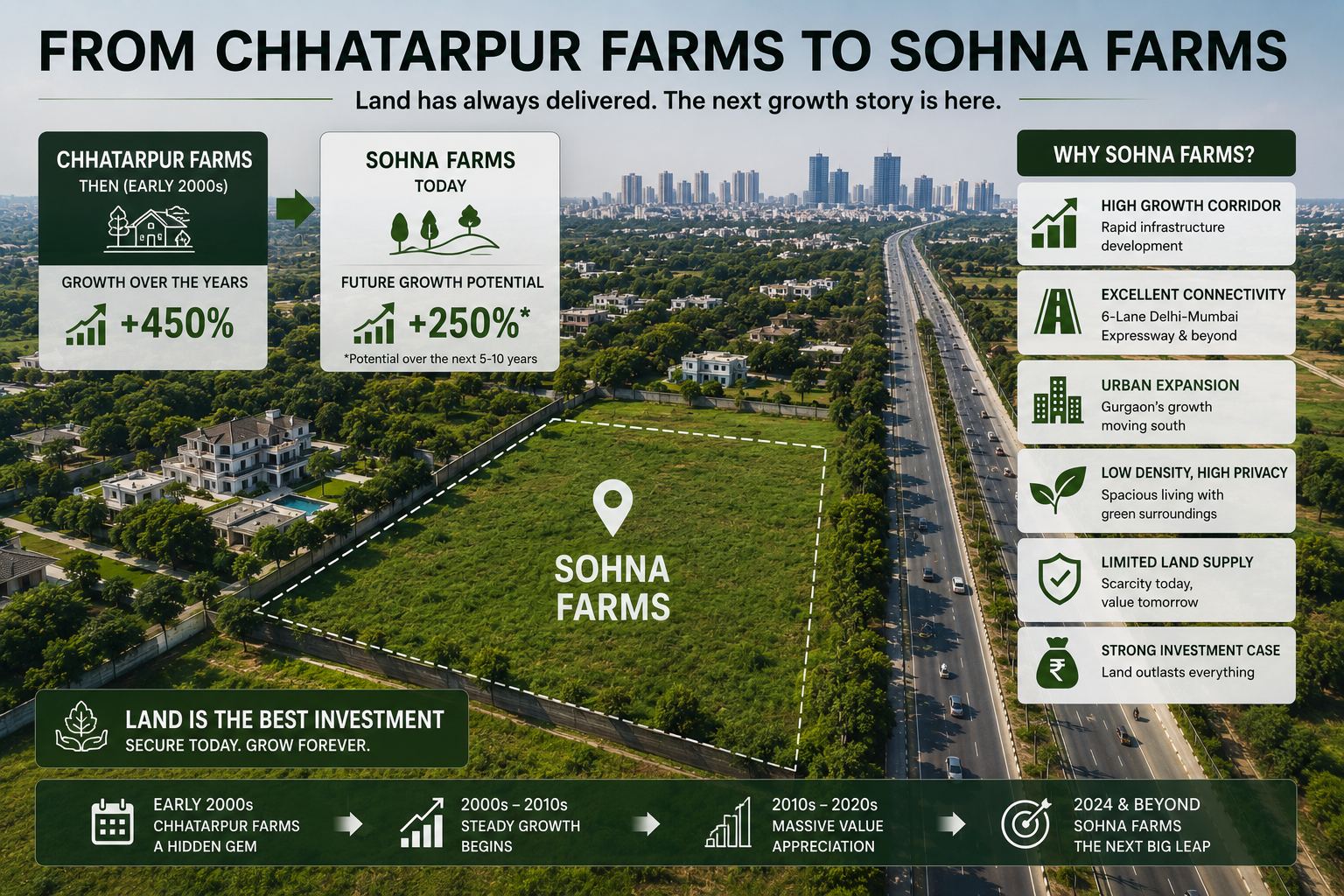
How Chhatarpur Farmhouses Created Multi-Crore Wealth for Early Buyers
What a quiet corner of South Delhi can teach investors about land, scarcity, and long-term wealth creation.
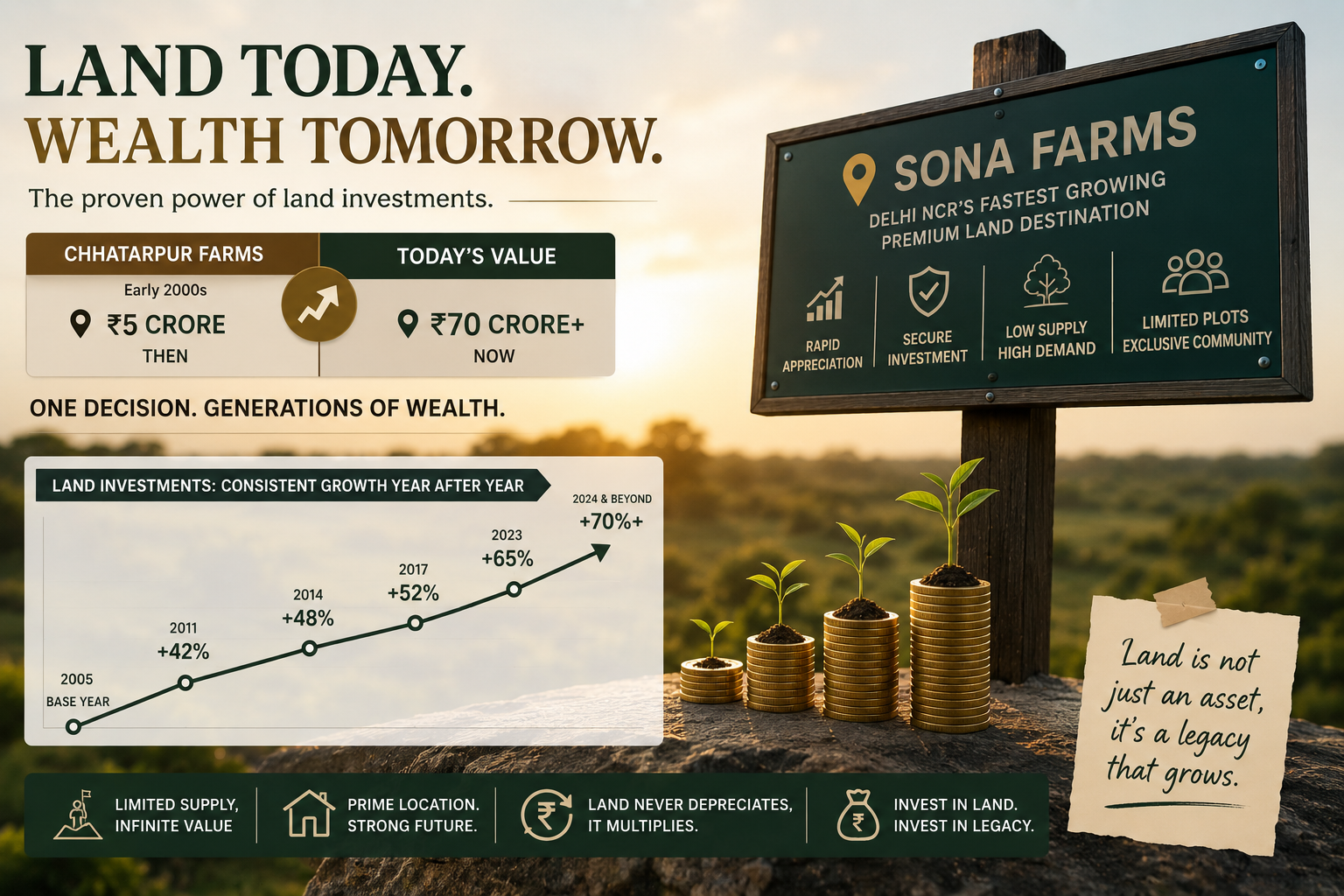
The ₹5 Crore Land Purchase That Became Worth ₹70 Crore
What the Story of DLF Chhatarpur Farms Reveals About Wealth Creation Through Premium Land Ownership
One short email. Stories you can use.
A free, occasional email from our editorial team with our latest features, explainers and reads. Unsubscribe any time — your email stays with us.