The High Street's DTC Gambit: Tesco and M&S Chart New Brand Futures
Traditional UK retailers, long custodians of the nation's shopping habits, are strategically integrating direct-to-consumer models. This shift reshapes their engagement with consumers and defines new battlegrounds in the fiercely competitive retail sector.

A recent stroll through a revitalised Tesco Extra store reveals more than just groceries; premium cookware from Our Place, typically an online-first brand, sits alongside established kitchenware. This unexpected juxtaposition signifies a quiet but profound strategic recalibration within Britain's retail giants. Faced with evolving consumer expectations and the persistent threat of nimble digital disruptors, incumbents are not just fighting back; they are adopting the tactics of their challengers, marking a significant evolution in the UK retail landscape.
For years, direct-to-consumer (DTC) brands like Bloom & Wild in flowers or Gymshark in activewear built loyal customer bases by bypassing intermediaries, controlling their brand narrative, and owning the customer relationship end-to-end. Their success challenged the traditional high street model, forcing a reconsideration of how products reach consumers. Now, retailers like Marks & Spencer and Sainsbury's are not merely observing; they are actively acquiring, partnering with, or developing their own DTC-esque propositions, blurring the lines between old and new commerce.
Consider the strategic manoeuvres of Marks & Spencer. Beyond its foundational food and clothing divisions, the company has expanded its online offering significantly, often integrating brands that began life as digital pure-plays. Their partnership with Ocado, while primarily a grocery venture, also provided a crucial blueprint for scaling online logistics and customer data insights, critical elements of a robust DTC operation. This collaboration underscores a recognition that digital agility is no longer supplementary but central to survival.
The Data Dividend and Brand Control
A primary driver behind this DTC pivot is the invaluable customer data it generates. When a consumer purchases directly, the brand collects information on preferences, purchasing frequency, and engagement patterns that are often obscured in a traditional wholesale arrangement. For retailers managing vast assortments and millions of transactions, this granular insight is gold. It enables more precise inventory management, personalised marketing campaigns, and ultimately, a more responsive product development cycle. The ability to control the full customer journey, from initial discovery to post-purchase support, also allows for a consistent brand experience, cultivating loyalty that transcends individual product categories.
Conversely, the challenges are considerable. Building out direct logistics, managing returns at scale, and competing for digital advertising space against thousands of other brands require significant capital investment and a distinct organisational culture. Large legacy retailers, with their extensive physical footprints and complex supply chains, must navigate internal resistance and adapt established processes without alienating their core customer base or disrupting existing profitable channels. It is a delicate balance between innovation and continuity.
The traditional retailer's advantage of trust and physical presence, combined with the DTC model's agility and data capture, creates a hybrid retail force that could redefine market dominance.
Tesco's foray into partnerships with brands such as F&F clothing's online presence, alongside its physical store presence, illustrates a nuanced approach. Rather than outright acquisition, these collaborations offer a testbed for new customer acquisition strategies and product categories without the full capital outlay. This allows for experimentation with diverse pricing strategies, exclusive product drops, and direct feedback loops, elements common to successful DTC ventures but often challenging for mass-market retailers to implement within their traditional frameworks. The goal is to capture a slice of the higher-margin, brand-loyal customer segment that DTC companies have so effectively cultivated.
The implications for UK consumers are multifaceted. They may find an increasingly diverse range of brands accessible through familiar retail channels, offering convenience that pure online players sometimes struggle to match. However, this convergence could also lead to a more consolidated retail landscape, where fewer, larger entities control a wider spectrum of consumer choices. The next five years will likely see these integrated strategies mature, as British retailers continue to refine their approach to brand ownership and direct customer engagement, shaping the future of commerce across the nation.
This strategic realignment is not merely about surviving; it represents an ambitious attempt by established players to lead the evolution of retail. By selectively adopting and adapting the strengths of the DTC model, companies like Next, ASOS and others are aiming to build more resilient, data-driven, and consumer-centric enterprises capable of thriving in a perpetually shifting market. The battle for the British shopper's loyalty is now being fought on multiple fronts, both digital and physical.
News Legacy maintains editorial independence. Some recommendations may contain affiliate links. We earn from qualifying purchases at no additional cost to you. Read our policy.
Read Next

Is Sohna Really the Next Chhatarpur?
Three decades after Chhatarpur redrew South Delhi's map for space, privacy and exclusivity, a familiar pattern is now taking shape further south, and Sohna is where the smart money is beginning to look.
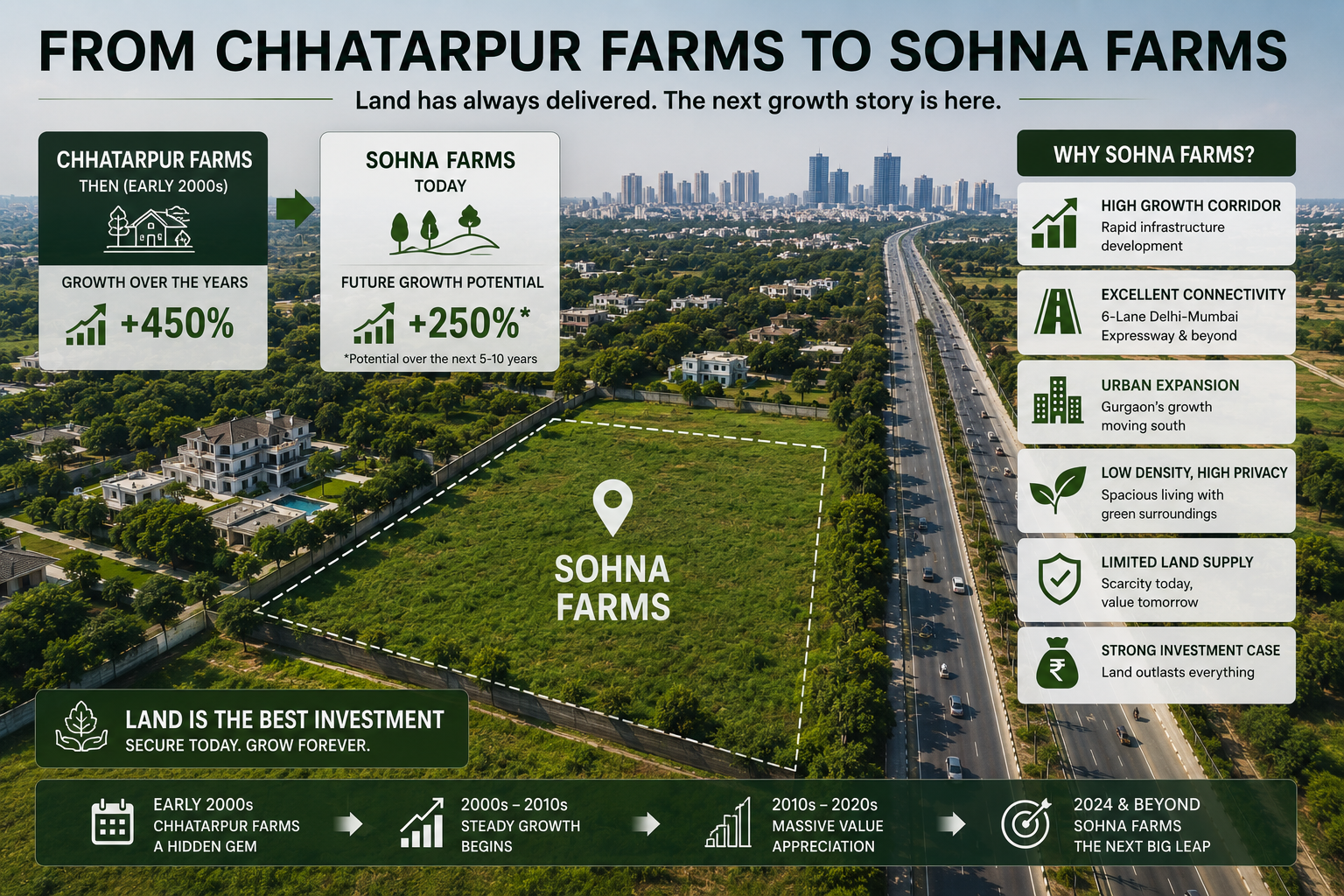
How Chhatarpur Farmhouses Created Multi-Crore Wealth for Early Buyers
What a quiet corner of South Delhi can teach investors about land, scarcity, and long-term wealth creation.
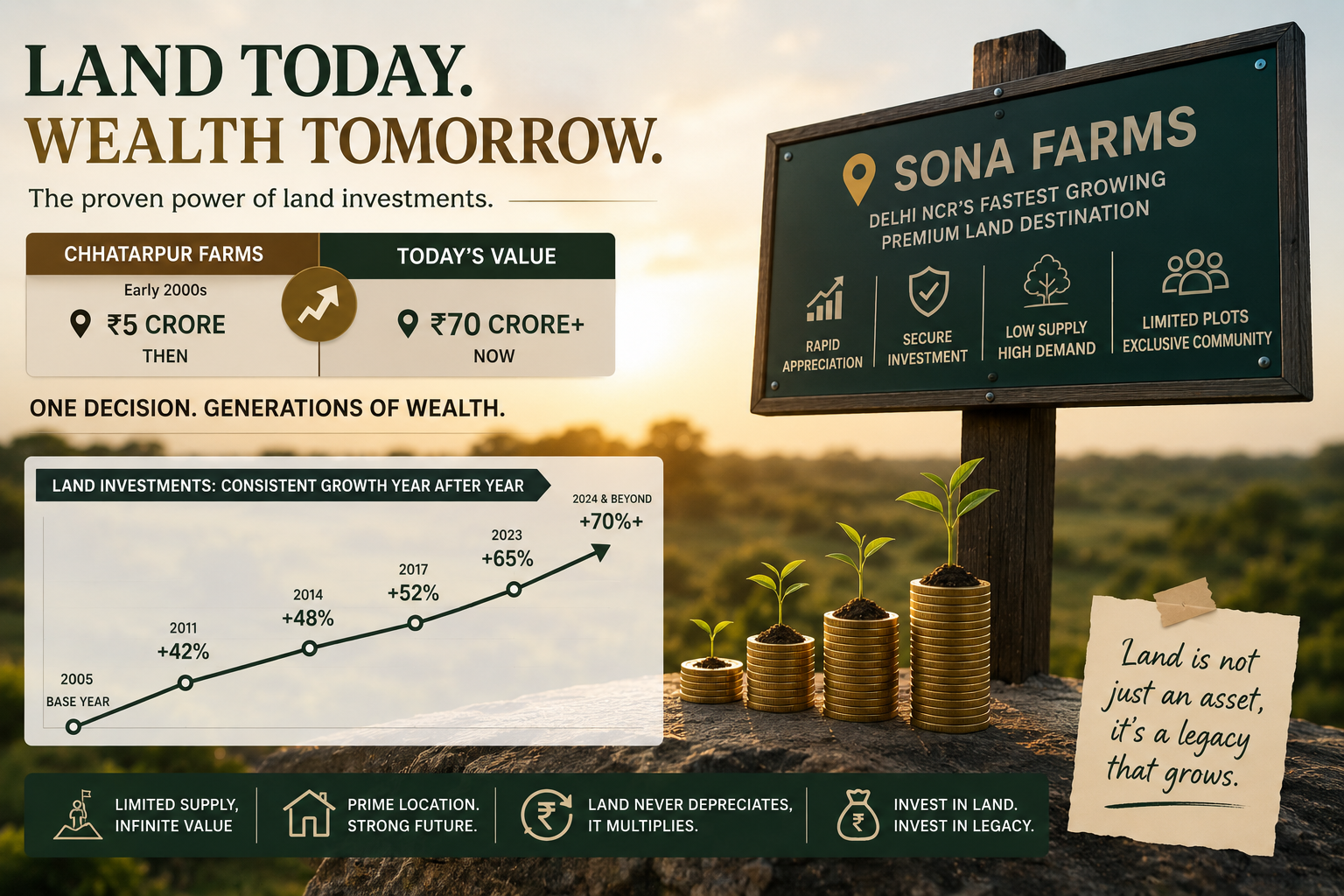
The ₹5 Crore Land Purchase That Became Worth ₹70 Crore
What the Story of DLF Chhatarpur Farms Reveals About Wealth Creation Through Premium Land Ownership
One short email. Stories you can use.
A free, occasional email from our editorial team with our latest features, explainers and reads. Unsubscribe any time — your email stays with us.