The High Street's Hybrid Future: Blending Bricks and Clicks in a Fragmented Market
Traditional UK retailers are navigating a nuanced landscape where digital integration is no longer optional, yet the tangible storefront retains a critical, evolving role in consumer engagement and logistical efficiency.

At a recently refurbished Marks & Spencer food hall in Canary Wharf, a customer uses an app to pre-order a coffee before browsing premium ready meals, seamlessly blending digital convenience with the tactile experience of selecting fresh produce. This daily scene encapsulates a broader strategic shift amongst Britain's legacy retailers, as they confront the intertwined challenges of rising operational costs, fluctuating consumer confidence, and the persistent gravitational pull of e-commerce. The imperative is clear: find equilibrium in a market that rewards both immediate gratification and enduring brand presence.
The pandemic accelerated a digital migration that many analysts predicted would take a decade, forcing even historically cautious players to invest heavily in their online infrastructure. Companies like Tesco and Sainsbury's, through their respective online delivery platforms, have cemented their positions as dominant forces in the grocery sector, while the broader retail spectrum saw a rapid expansion of click-and-collect options and improved delivery networks. This period demonstrated the resilience of supply chains and the adaptability of British consumers, who embraced digital channels out of necessity and are now comfortable with them by choice.
However, the initial euphoria around unbounded e-commerce growth has yielded to a more sober assessment. Pure-play online retailers, from fashion giant ASOS to grocery service Ocado, have faced their own headwinds, including increased competition, customer acquisition costs, and the complexities of returns logistics. The promise of perpetual double-digit growth for online-only models has proven difficult to sustain, particularly as consumers return to physical spaces with renewed appreciation for immediate availability and sensory engagement.
The Enduring Role of Physical Presence
Physical stores are increasingly being re-evaluated not solely as sales generators but as crucial touchpoints for brand identity, customer service, and logistical hubs. Next has long championed an integrated model, leveraging its extensive store network for rapid order fulfilment and returns processing, a strategy that mitigates some of the costs associated with pure online delivery. This approach transforms a cost centre into an asset, contributing to a more efficient and responsive consumer journey.
Indeed, a high street presence offers an intrinsic advantage: brand visibility that is difficult and expensive to replicate online. For many consumers, the ability to see, touch, and try products before purchase remains a significant differentiator. While digital tools can enhance product discovery, they seldom fully replicate the confidence gained from an in-person assessment, particularly for high-value items or fashion.
The challenge for retailers is to redefine the purpose of the physical store, moving beyond transactional spaces to become centres of experience and expedited service.
Moreover, the 'last mile' problem continues to plague online deliveries, especially in densely populated urban areas. Services like Deliveroo and Just Eat have carved out niches in hyper-local fulfilment for takeaways, but their model is hard to scale profitably for broader retail categories without significant operational overheads. Retailers experimenting with dark stores or leveraging existing physical footprints for micro-fulfilment are effectively using their real estate to solve a logistical conundrum.
Navigating Economic Crosscurrents
The current economic climate, characterised by elevated inflation and cautious consumer spending, further complicates the picture. With household budgets under pressure, discretionary spending is scrutinised more intently, and value propositions are paramount. Retailers must balance investment in digital innovation with the need to maintain competitive pricing and compelling in-store offerings. The pound's fluctuating strength also impacts import costs, adding another layer of complexity to inventory management and pricing strategies.
Forward-thinking UK retailers are therefore pursuing hybrid strategies, recognising that the future of retail is neither exclusively digital nor purely physical. It is a nuanced integration where each channel complements the other, providing a flexible and cohesive experience that adapts to consumer preferences and economic realities. This involves continuous investment in data analytics to understand customer behaviour across channels, allowing for personalised marketing and optimised inventory placement, ensuring that a visit to a high street shop or a click on an app feels like part of a singular, coherent brand interaction.
News Legacy maintains editorial independence. Some recommendations may contain affiliate links. We earn from qualifying purchases at no additional cost to you. Read our policy.
Read Next
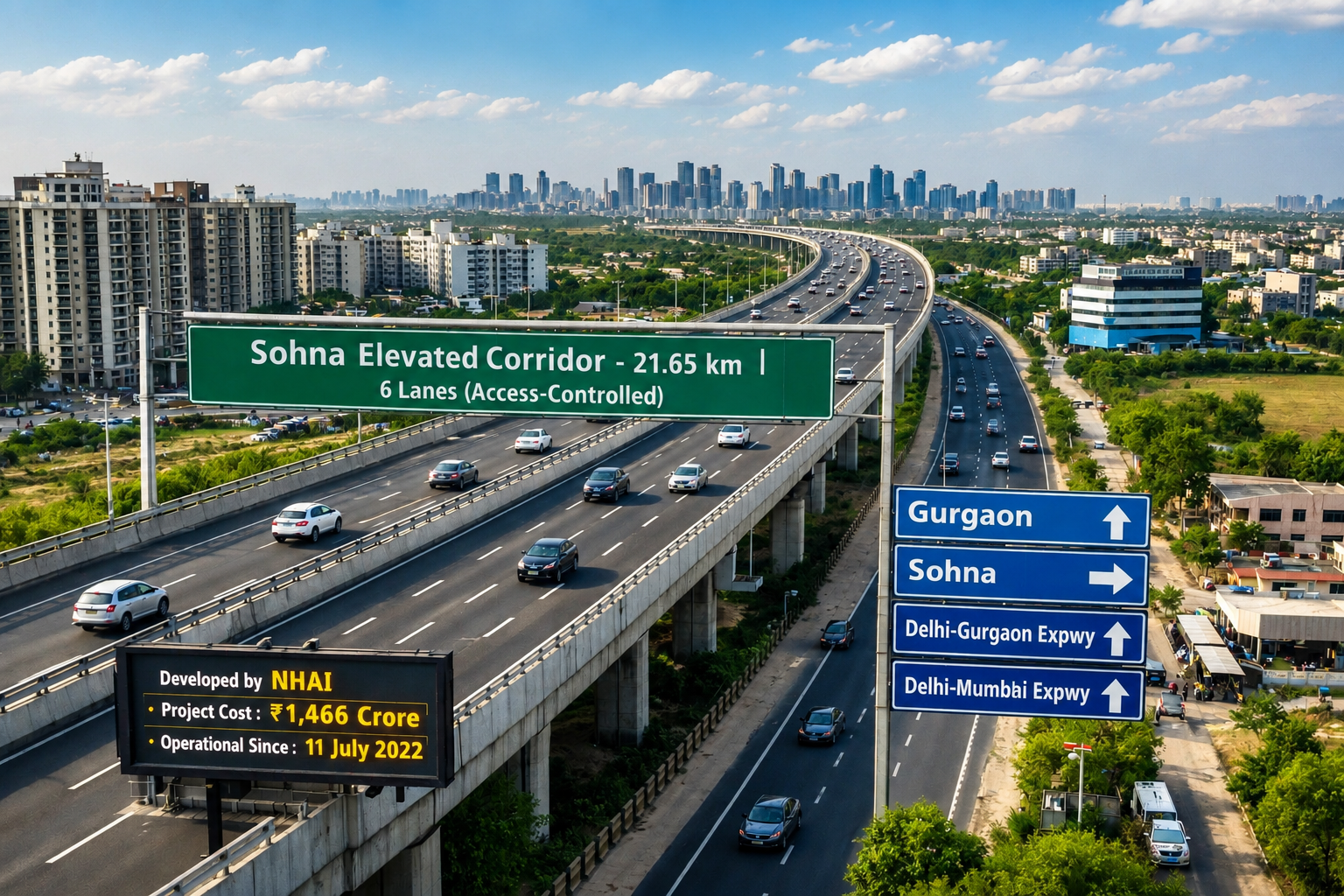
Is Sohna Really the Next Chhatarpur?
Three decades after Chhatarpur redrew South Delhi's map for space, privacy and exclusivity, a familiar pattern is now taking shape further south, and Sohna is where the smart money is beginning to look.
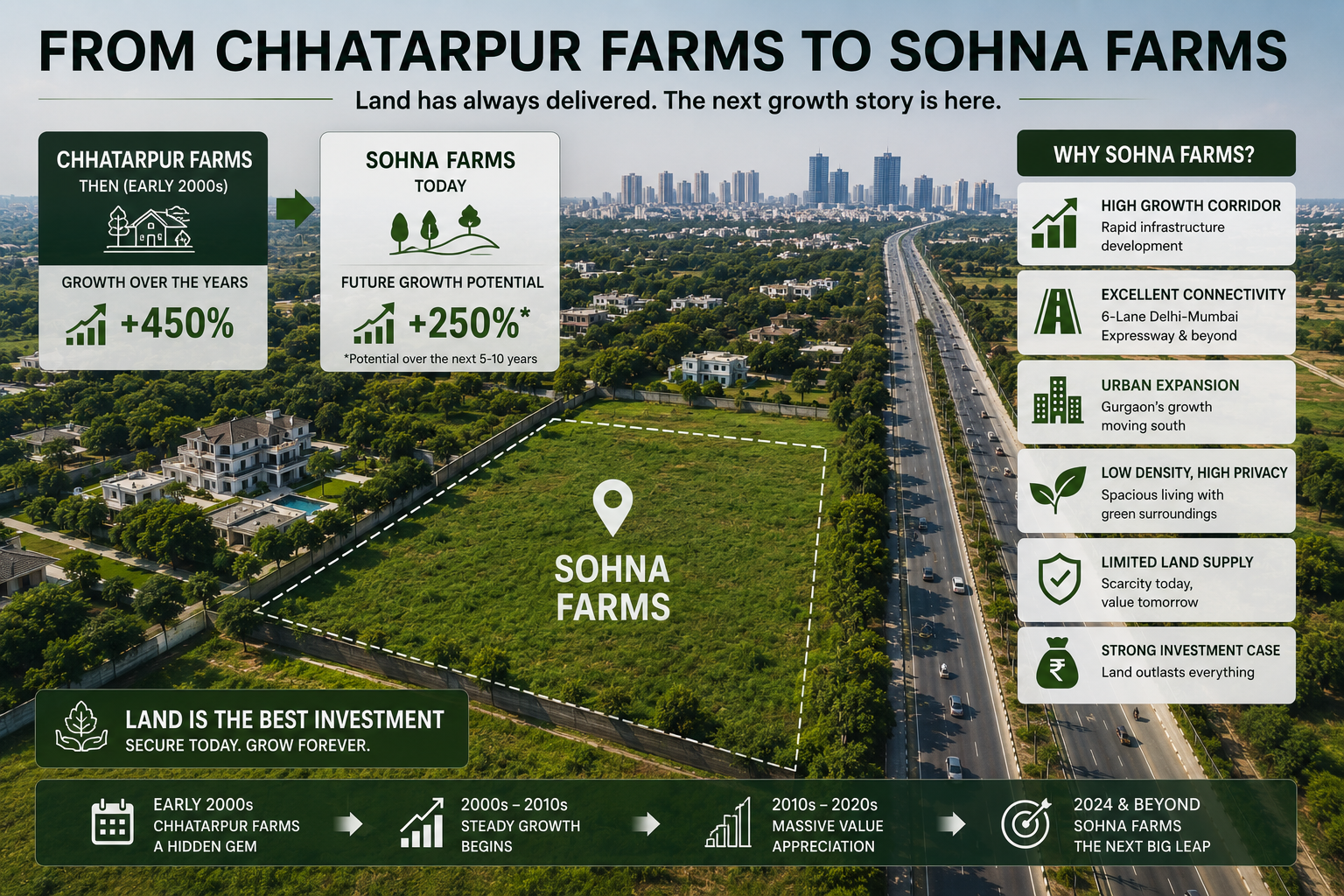
How Chhatarpur Farmhouses Created Multi-Crore Wealth for Early Buyers
What a quiet corner of South Delhi can teach investors about land, scarcity, and long-term wealth creation.
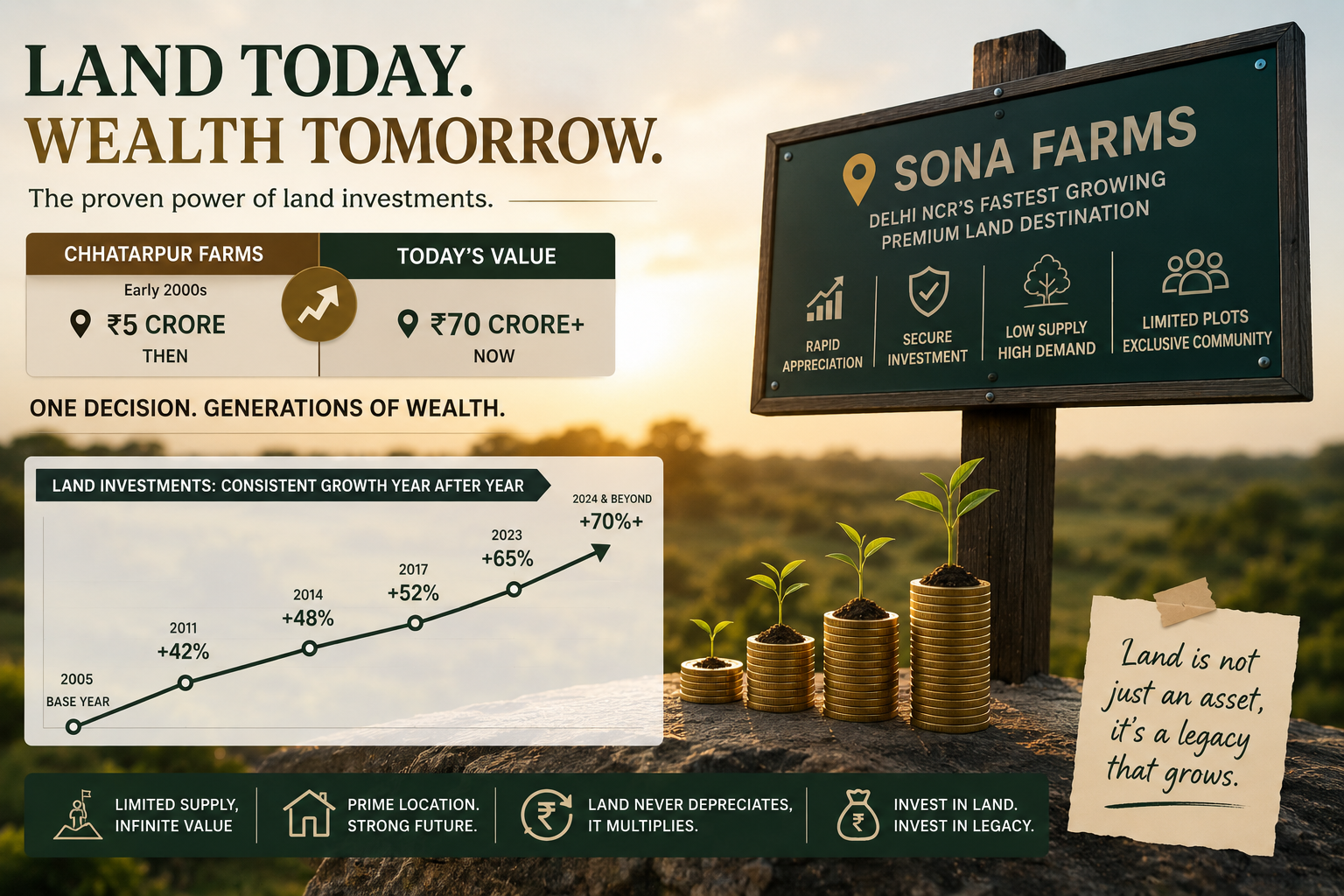
The ₹5 Crore Land Purchase That Became Worth ₹70 Crore
What the Story of DLF Chhatarpur Farms Reveals About Wealth Creation Through Premium Land Ownership
One short email. Stories you can use.
A free, occasional email from our editorial team with our latest features, explainers and reads. Unsubscribe any time — your email stays with us.