The High Street's Hybrid Future: Navigating Britain's Blended Retail Landscape
British retailers are confronting a permanent shift in consumer habits, where the digital convenience cultivated during lockdowns now intertwines inextricably with enduring preferences for physical retail. Success hinges on mastering this intricate duality rather than forcing a false choice.

A Saturday afternoon stroll down London's Oxford Street reveals a scene of enduring retail vitality, even as Tesco reported a nearly 11% increase in online sales for its latest financial year, pushing its digital grocery revenues towards £7 billion. This apparent dichotomy underscores a fundamental evolution in how Britons shop, moving beyond a simple online versus offline paradigm. The past few years have accelerated a blend of digital and physical channels, creating a hybrid consumer journey that retailers must navigate with greater sophistication.
The initial surge in e-commerce, driven by pandemic restrictions, has matured into a more nuanced interaction. While pure-play online retailers like ASOS have faced headwinds in a post-lockdown environment, with recent results indicating ongoing profitability challenges, traditional stalwarts such as Marks & Spencer have seen their clothing and home division demonstrate a resilience partly attributable to an integrated approach. The modern shopper expects seamless transitions between browsing a product on a mobile app and experiencing it in a store, or vice-versa, blurring the lines of what constitutes a 'channel'.
The Endurance of the Physical Touchpoint
Despite the undeniable convenience of digital platforms, the physical store retains a critical role. For apparel, the ability to assess fit, fabric, and feel remains a powerful draw, contributing to lower return rates than online-only purchases. Retailers such as Next have long understood this, leveraging their extensive store network not just for sales, but as crucial hubs for click-and-collect services and returns, effectively integrating their digital and physical operations. This omnichannel strategy reduces logistics costs and enhances customer satisfaction.
Grocery, too, illustrates this hybrid reality. While Ocado continues to expand its automated fulfilment centres, Sainsbury's and Tesco are investing heavily in both their online delivery infrastructure and store upgrades. The weekly supermarket trip, for many households, remains a social ritual or a practical necessity for fresh produce, despite the growing uptake of delivery services from Deliveroo and Just Eat for immediate consumption or smaller top-up shops. The challenge is not to convert every shopper to online, but to offer a compelling choice across all touchpoints.
Data, Delivery, and Differentiation
The effectiveness of this blended model relies heavily on data. Retailers with robust analytics can track customer journeys across channels, personalising offers and streamlining experiences. This insight is paramount for optimising inventory management, ensuring products are available where and when consumers prefer to buy them. Furthermore, the efficiency of 'last-mile' delivery continues to be a competitive battleground, with grocery chains particularly focused on reducing delivery slots and improving speed.
Differentiation in this hybrid landscape also extends beyond price. Consumers are increasingly valuing convenience, personalised service, and unique in-store experiences. A well-designed physical space can serve as a brand billboard, a community hub, or a showcase for exclusive lines, complementing the broader product range available online. The interaction between digital discovery and physical engagement is where true customer loyalty is now forged.
The most successful retailers are no longer asking if a customer shops online or in-store; they are anticipating how a customer will seamlessly move between both within a single purchasing decision.
The British retail sector faces ongoing economic pressures, including high inflation and fluctuating consumer confidence. However, those businesses that strategically invest in their multi-faceted customer touchpoints — optimising their digital user experience while simultaneously revitalising their physical presence — are best positioned to capture market share. The future of retail in the UK is not a binary choice, but a sophisticated integration where digital empowers physical, and physical enriches digital.
News Legacy maintains editorial independence. Some recommendations may contain affiliate links. We earn from qualifying purchases at no additional cost to you. Read our policy.
Read Next
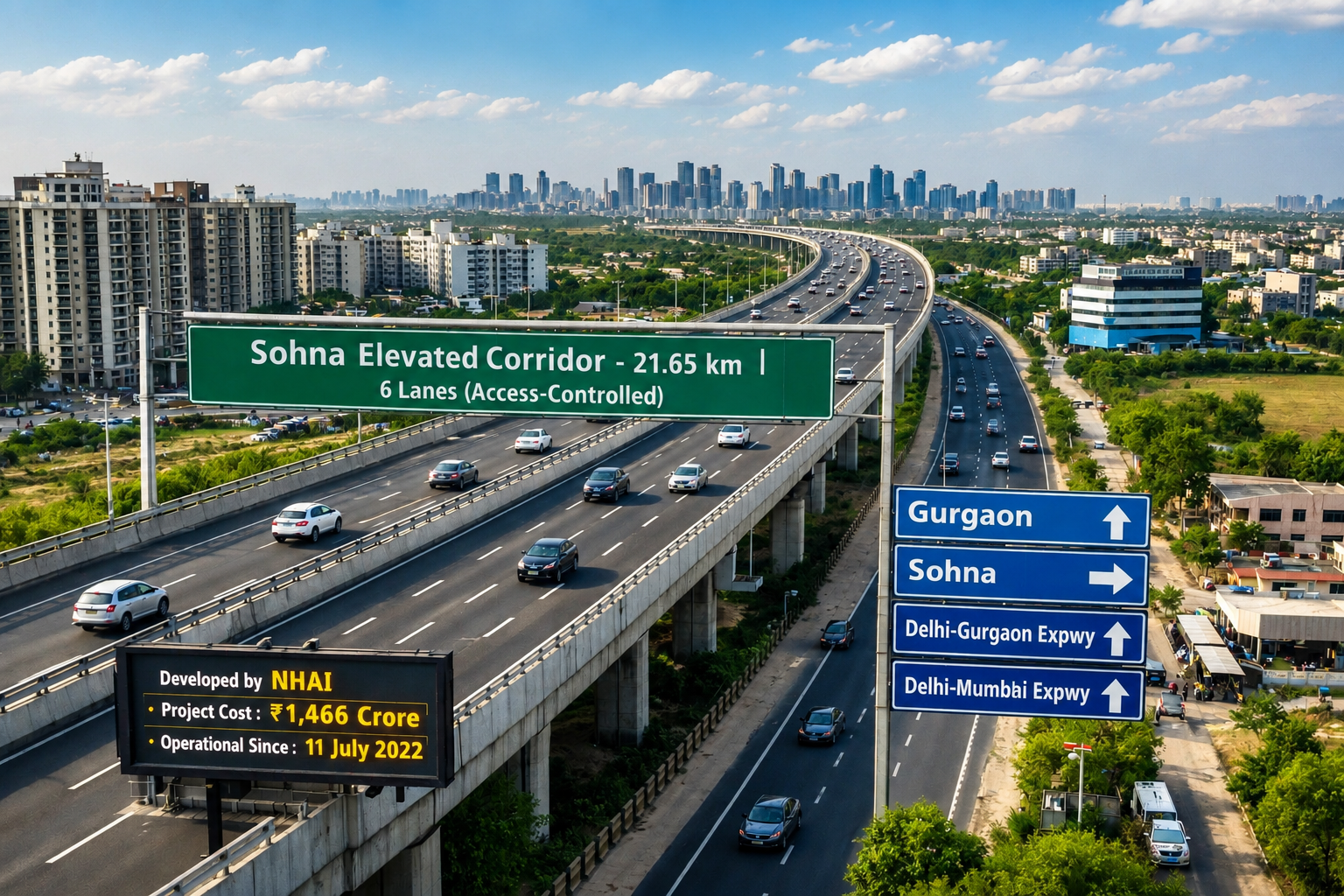
Is Sohna Really the Next Chhatarpur?
Three decades after Chhatarpur redrew South Delhi's map for space, privacy and exclusivity, a familiar pattern is now taking shape further south, and Sohna is where the smart money is beginning to look.
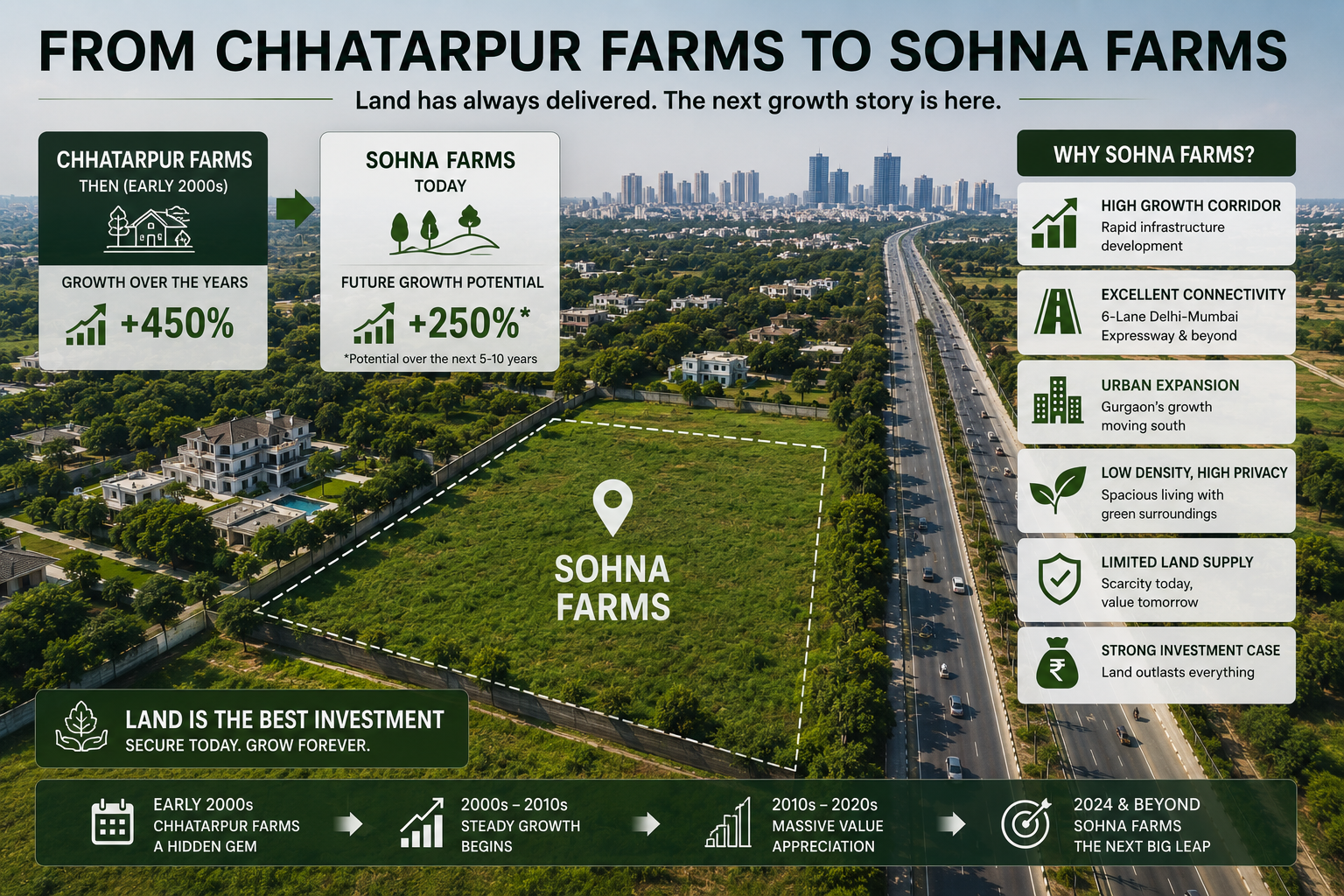
How Chhatarpur Farmhouses Created Multi-Crore Wealth for Early Buyers
What a quiet corner of South Delhi can teach investors about land, scarcity, and long-term wealth creation.
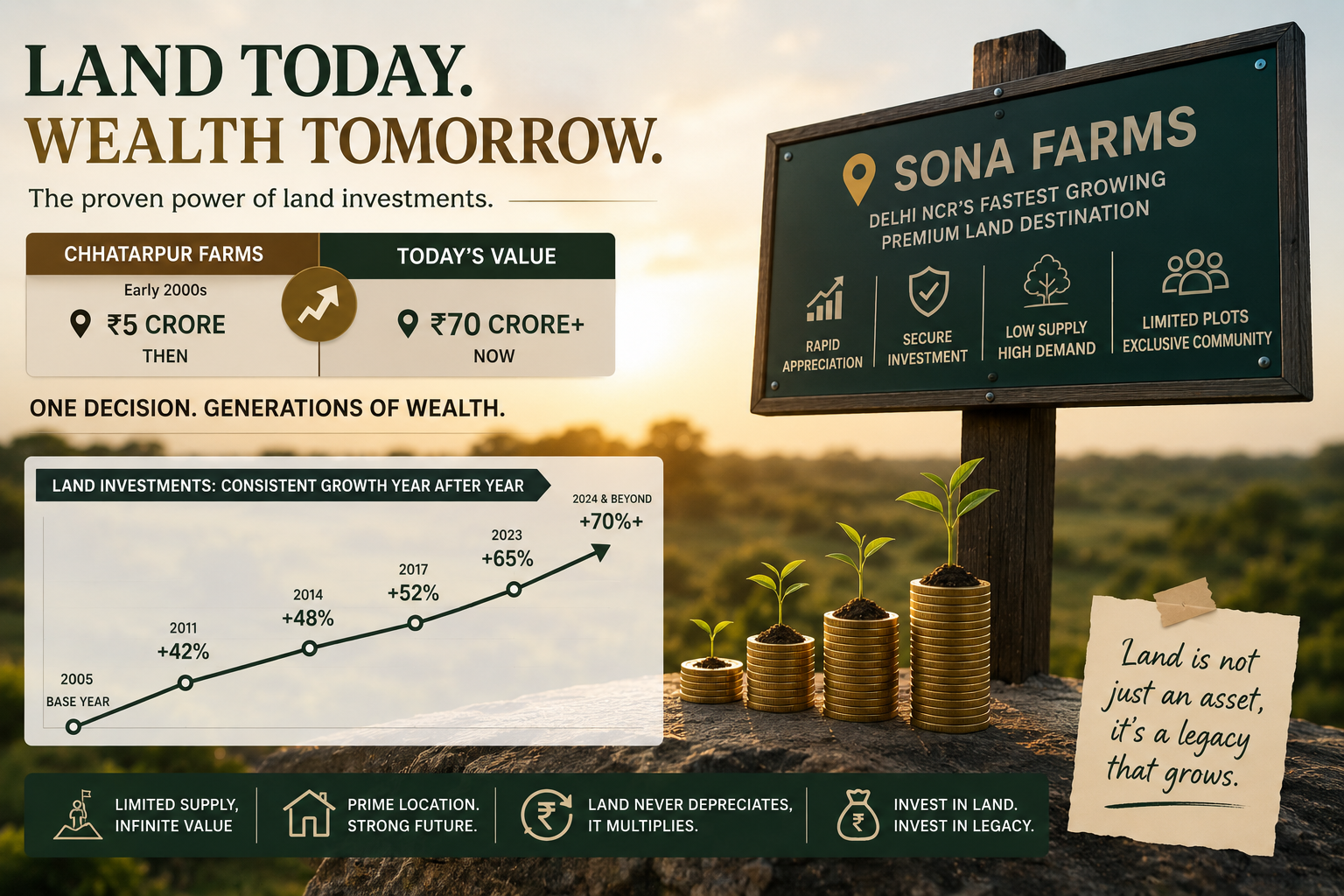
The ₹5 Crore Land Purchase That Became Worth ₹70 Crore
What the Story of DLF Chhatarpur Farms Reveals About Wealth Creation Through Premium Land Ownership
One short email. Stories you can use.
A free, occasional email from our editorial team with our latest features, explainers and reads. Unsubscribe any time — your email stays with us.