The High Street's Unseen Allies: How Differentiated DTC Brands Are Navigating UK Retail Headwinds
Direct-to-consumer brands, once posited as disruptors across every sector, are increasingly finding strategic partnerships with established UK retailers as a pathway to sustainable growth, navigating an economic landscape marked by inflation and cautious consumer spending.

At Marks & Spencer's revitalised flagship on Oxford Street, a display of activewear from the independent brand 'Sundried' sits adjacent to M&S's own athleisure line, a quiet but potent symbol of a broader shift. This collaboration, and many others like it across the UK retail spectrum, challenges the long-held perception of direct-to-consumer (DTC) brands existing in perpetual opposition to traditional high street stalwarts. Instead, a symbiotic relationship is emerging, driven by economic necessity and evolving consumer habits.
The initial wave of DTC brands, often venture-backed and digital-first, burst onto the scene promising superior products, streamlined experiences, and direct relationships with customers, unburdened by legacy costs. Companies like Glasses Direct and ethical cosmetics brand 'Beauty Pie' exemplified this approach. For a period, this model yielded considerable success, as evidenced by 'gymshark''s ascent to a valuation approaching £1 billion. However, the escalating costs of digital advertising, coupled with the logistical complexities of last-mile delivery across a dense market like the UK, began to erode the profitability of pure-play online models.
The Scrutiny of Profitability
Investor sentiment has cooled significantly from the early 2010s. The emphasis has shifted from hyper-growth at any cost to demonstrable profitability and sustainable business models. Many DTC brands, particularly those in crowded categories like fashion or health supplements, discovered that customer acquisition costs could quickly outweigh lifetime value, especially when competing for attention with giants like ASOS or the vast marketing budgets of Unilever-owned brands.
This shift has compelled a pragmatic re-evaluation of strategy. Rather than maintaining an exclusive online presence, many DTC entities are now actively pursuing physical retail space, whether through their own standalone stores, pop-ups, or, increasingly, through wholesale partnerships with established retailers. For a brand like 'Pasta Evangelists', a purveyor of fresh pasta kits, early success online led to concessions in Harrods and eventually a strategic acquisition by Gordon Ramsay Restaurants, broadening its reach beyond direct deliveries.
### Partnerships as a Prudent Path
For the incumbent retailers, these partnerships offer a vital injection of novelty and perceived authenticity, often within categories where they seek to modernise their offering or capture a younger demographic. Tesco and Sainsbury's, for instance, are perennially seeking ways to differentiate their non-food aisles and respond to niche dietary trends in food. A carefully curated selection of unique DTC brands can provide this differentiation without the significant investment in developing entirely new product lines in-house.
Conversely, partnering with a retailer offers DTC brands immediate access to scale, established supply chains, and, crucially, a physical presence without the prohibitive capital expenditure of opening their own stores. This can be particularly appealing for brand categories where touch-and-feel is important, such as apparel or homeware.
The economics of such alliances are often mutually beneficial. Retailers can negotiate favourable terms given their market power, while DTC brands gain mass market visibility and volume, potentially improving their unit economics. This synergy helps mitigate the pressure on online advertising budgets and logistics networks.
The distinction between 'online brand' and 'high street brand' is blurring, giving way to a more integrated, channel-agnostic approach where market reach and brand resonance take precedence over digital purity.
The UK consumer, currently navigating a cost-of-living crisis, remains price-sensitive but also values convenience and choice. The ability to discover a niche, high-quality product online and then purchase it from a trusted local high street store—perhaps even alongside their weekly grocery shop at Waitrose or through a click-and-collect point at Next—represents a compelling proposition. This integrated approach is not merely a survival tactic but a strategic evolution for both new and established players in the demanding British retail landscape.
News Legacy maintains editorial independence. Some recommendations may contain affiliate links. We earn from qualifying purchases at no additional cost to you. Read our policy.
Read Next

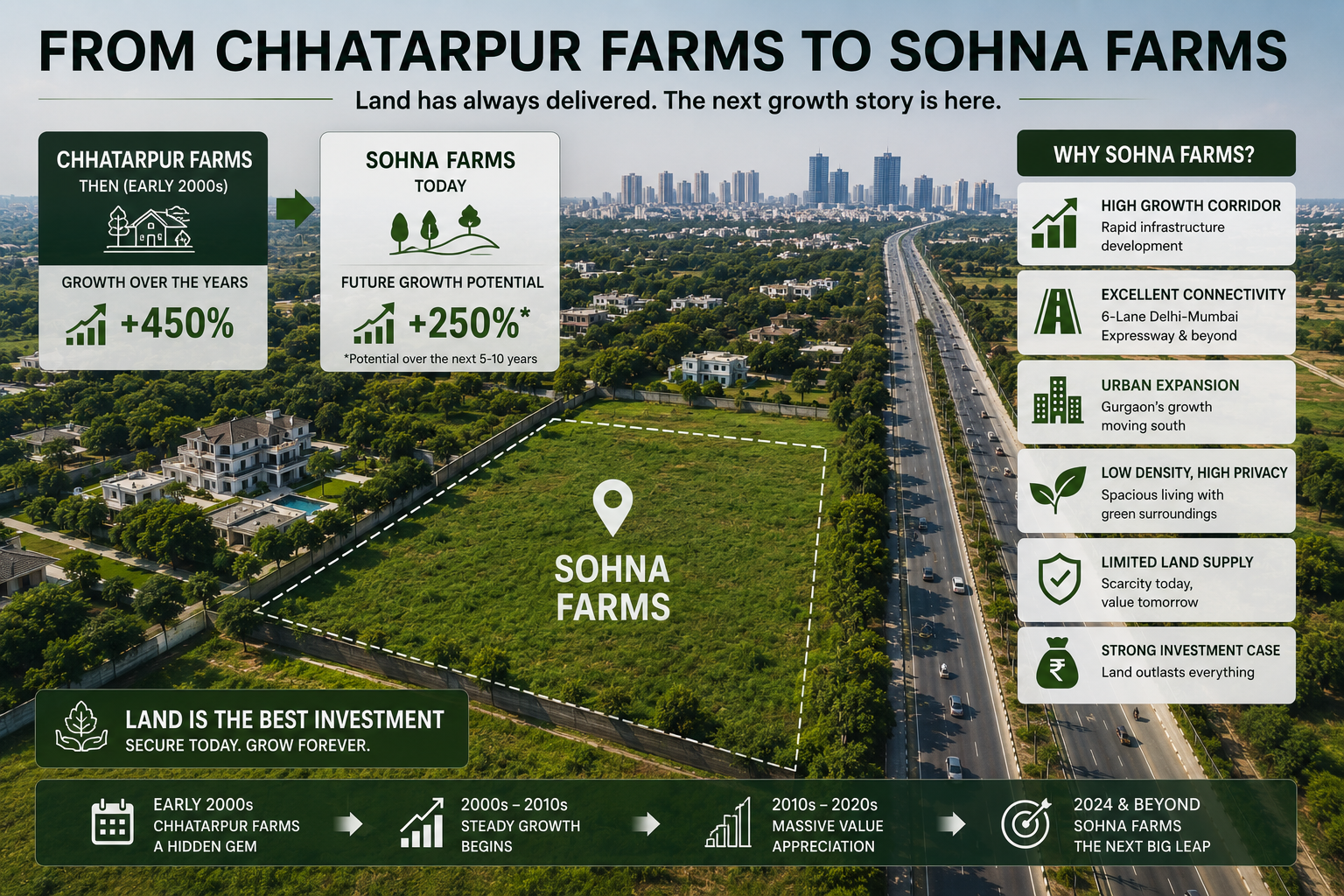
Is Sohna Really the Next Chhatarpur?
Three decades after Chhatarpur redrew South Delhi's map for space, privacy and exclusivity, a familiar pattern is now taking shape further south, and Sohna is where the smart money is beginning to look.
How Chhatarpur Farmhouses Created Multi-Crore Wealth for Early Buyers
What a quiet corner of South Delhi can teach investors about land, scarcity, and long-term wealth creation.

The ₹5 Crore Land Purchase That Became Worth ₹70 Crore
What the Story of DLF Chhatarpur Farms Reveals About Wealth Creation Through Premium Land Ownership
One short email. Stories you can use.
A free, occasional email from our editorial team with our latest features, explainers and reads. Unsubscribe any time — your email stays with us.