The High Street's Unseen Rivals: Inside the Dark Marketplace Economy
While traditional retailers grapple with shifting consumer habits, a parallel economy of rapid delivery and digital storefronts is fundamentally reshaping how British households acquire goods, from groceries to fashion.

A typical Tuesday evening in Southwark sees Deliveroo riders converging on a cluster of unmarked buildings, emerging minutes later with bulging thermal bags destined for nearby residential blocks. These are not bustling restaurant kitchens but 'dark stores' – distribution hubs designed solely for online orders, operating outside the public gaze. Their proliferation across the UK, from London to Manchester, illustrates a quiet but profound transformation in retail, driven by the insatiable demand for immediacy.
The growth of this 'dark marketplace' model presents a formidable challenge to established high street chains and even traditional e-commerce platforms. It bypasses the experiential aspects of shopping and focuses instead on pure logistical efficiency, delivering everything from a pint of milk to a new pair of trainers in minutes rather than hours or days. This operational agility is winning over a significant segment of the British consumer base, accustomed to on-demand services.
Companies like Ocado have long pioneered sophisticated automation in their vast customer fulfilment centres, but the dark store concept scales this down to a hyper-local level. These urban micro-warehouses are often repurposed retail units or industrial spaces, stripped of customer-facing elements and optimised for rapid picking and packing. They represent a direct assault on the conventional supply chains that underpin the likes of Tesco and Sainsbury's, which still rely heavily on physical footfall and large out-of-town distribution centres.
The Appeal of Instant Gratification
The convenience factor is undeniable. For busy professionals, last-minute necessities, or even those simply disinclined to visit a physical shop, the ability to order and receive goods within a quarter of an hour has become a powerful draw. This shifts the competitive battleground from price or product range to speed and seamless execution. The psychological impact of instant gratification is a significant driver, fostering a new expectation among consumers that goods should be available almost on demand.
This model also offers a lifeline to smaller, independent businesses who can integrate their inventory into these rapid delivery networks without the overheads of their own logistics fleet. Platforms like Just Eat, traditionally associated with takeaways, are now expanding into general grocery and convenience items, leveraging their existing rider infrastructure to capture a broader share of household spending. This blurs the lines between food delivery and general retail.
Navigating Profitability and Urban Space
Despite their growing popularity, the profitability of dark stores remains a complex equation. The high cost of urban real estate, coupled with intense competition for delivery personnel and the wafer-thin margins on many convenience items, requires substantial order volumes and highly efficient operations. Many operators are still in an investment phase, prioritising market share over immediate returns, echoing the early days of broader e-commerce.
The operational demands of hyper-local, on-demand delivery necessitate a complete rethinking of traditional retail metrics, prioritising speed of inventory turnover and last-mile efficiency above all else.
Furthermore, the presence of dark stores has not been without its critics. Concerns about increased traffic congestion, noise pollution from delivery vehicles, and the conversion of traditional high street retail spaces into uninviting logistical hubs have emerged in several urban areas. Local councils are increasingly scrutinising planning applications for these facilities, balancing economic benefits with community impact.
The long-term implications for established retailers are profound. While Marks & Spencer and ASOS continue to refine their online offerings and delivery windows, the dark marketplace operators are setting new benchmarks for speed. The challenge for traditional players is not just to compete on price or product, but to match or redefine consumer expectations around delivery, or risk ceding a significant portion of the convenience market to these nimble, digitally native challengers.
News Legacy maintains editorial independence. Some recommendations may contain affiliate links. We earn from qualifying purchases at no additional cost to you. Read our policy.
Read Next
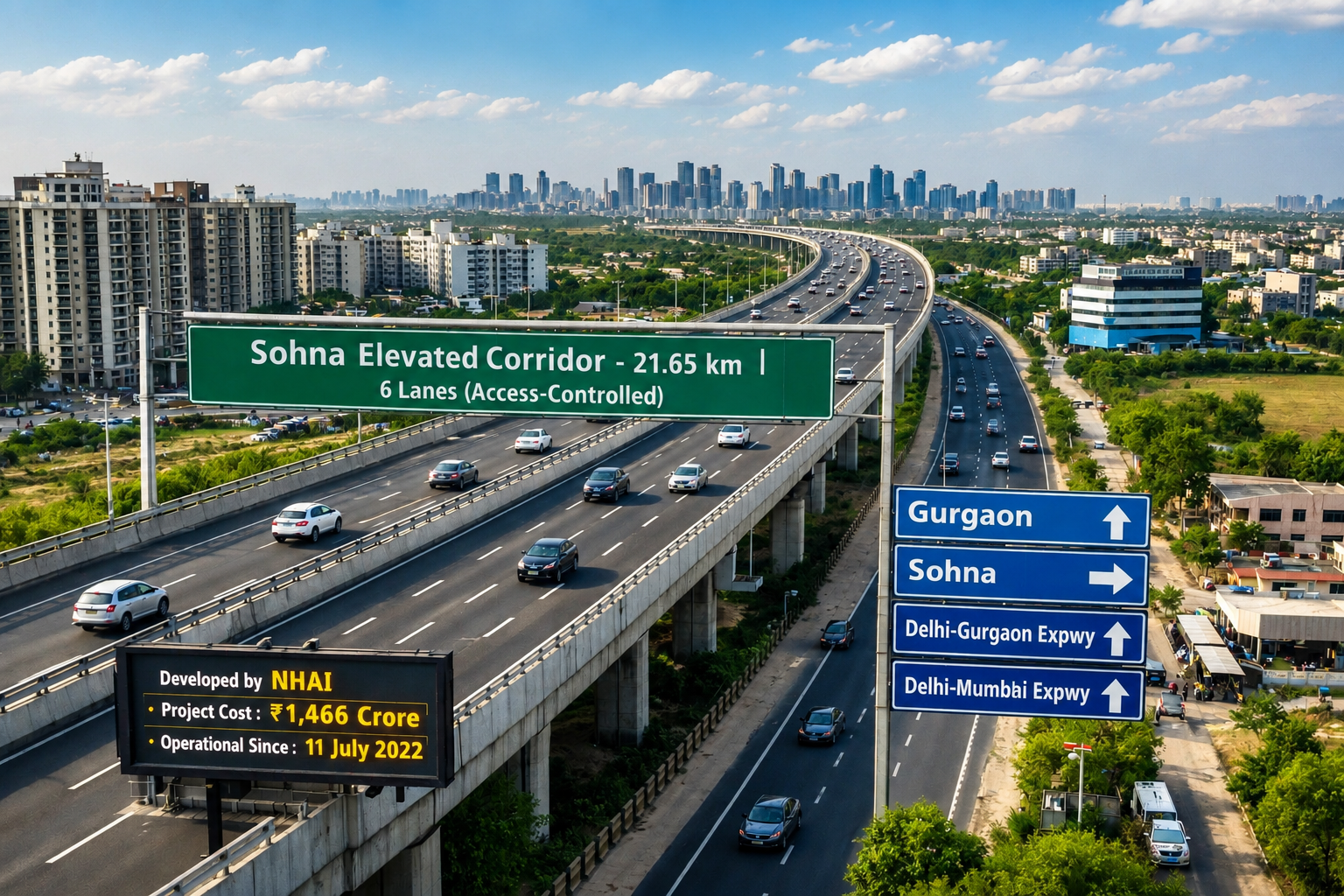
Is Sohna Really the Next Chhatarpur?
Three decades after Chhatarpur redrew South Delhi's map for space, privacy and exclusivity, a familiar pattern is now taking shape further south, and Sohna is where the smart money is beginning to look.
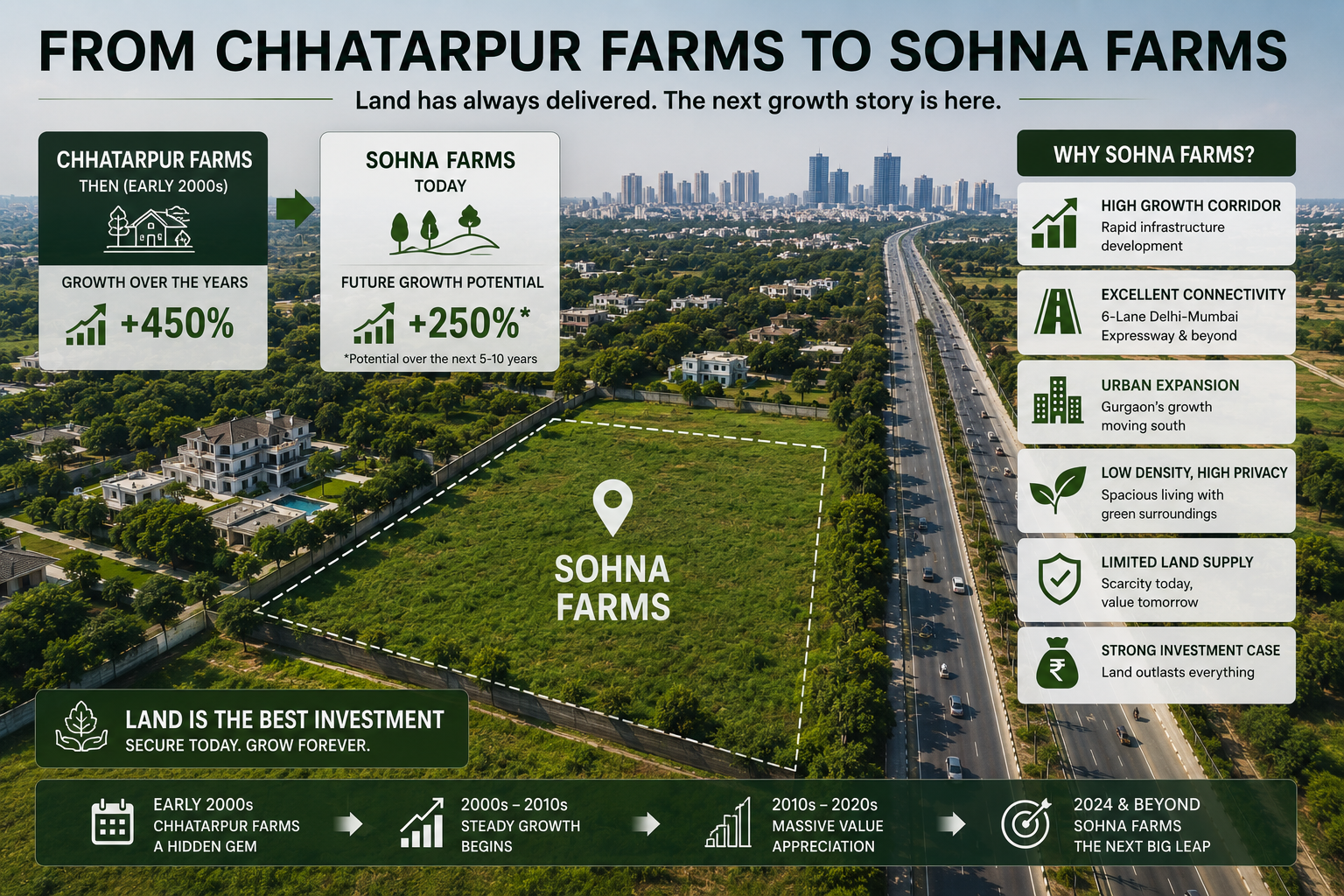
How Chhatarpur Farmhouses Created Multi-Crore Wealth for Early Buyers
What a quiet corner of South Delhi can teach investors about land, scarcity, and long-term wealth creation.
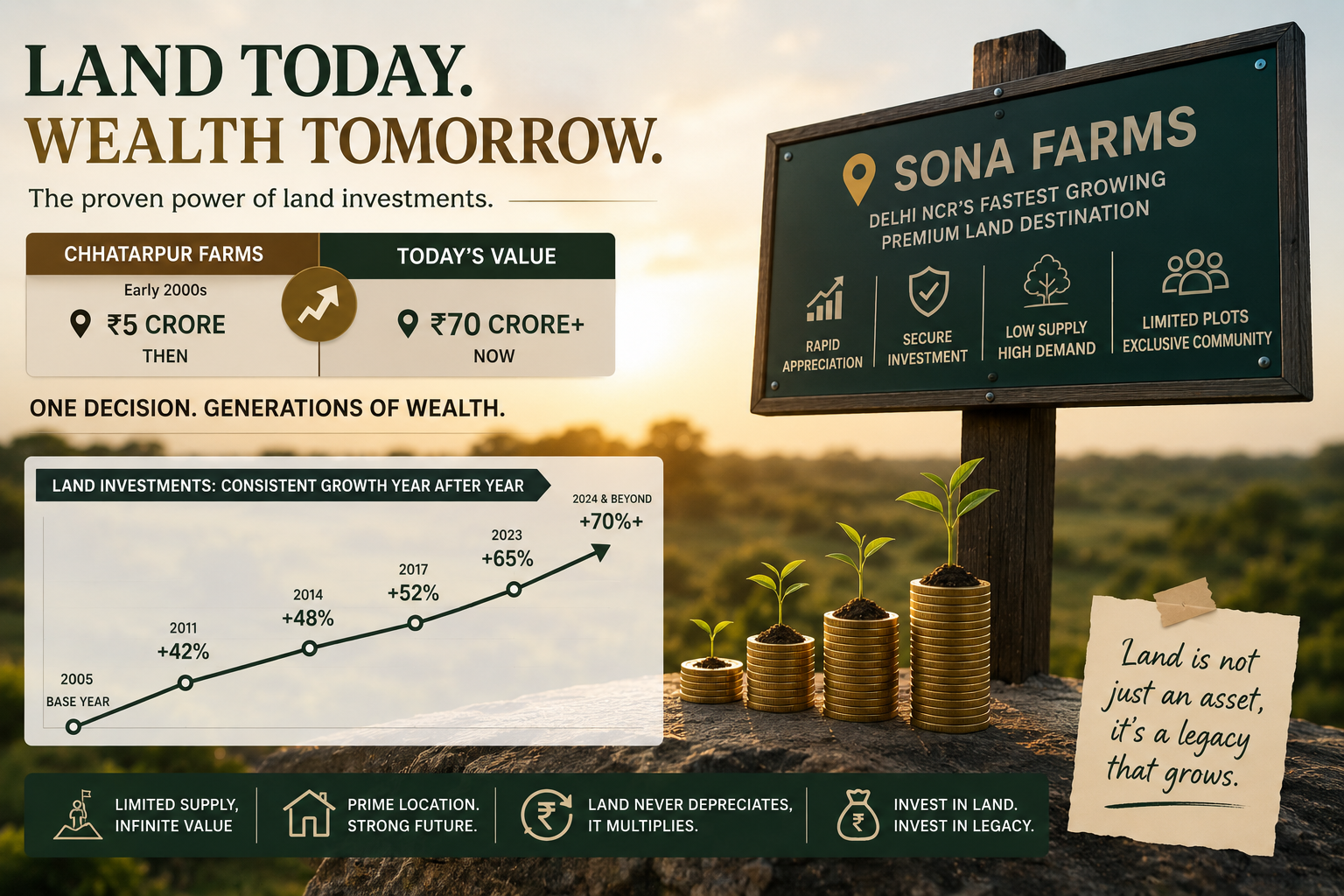
The ₹5 Crore Land Purchase That Became Worth ₹70 Crore
What the Story of DLF Chhatarpur Farms Reveals About Wealth Creation Through Premium Land Ownership
One short email. Stories you can use.
A free, occasional email from our editorial team with our latest features, explainers and reads. Unsubscribe any time — your email stays with us.