The High Street's Unseen Shadow: How DTC Brands Are Reshaping UK Retail Footprints
Direct-to-consumer businesses, often perceived as purely digital entities, are increasingly influencing physical retail spaces across the UK. Their strategic expansion into bricks-and-mortar is creating new competitive pressures and opportunities for established players and property owners alike.

Stepping onto Carnaby Street, one now encounters a Dr. Martens boutique alongside its wholesale partners, a clear statement of a brand taking direct control of its customer experience. This phenomenon, once a novelty, has become a consistent trend within the UK's retail sector. What began as a digital-first strategy for many direct-to-consumer (DTC) brands has evolved into a calculated push into physical retail, reshaping high streets and shopping centres from London to Manchester.
This shift is not merely about brands adding a physical touchpoint; it reflects a deeper strategic re-evaluation. DTC companies, often born online with agile supply chains and direct customer feedback loops, initially disrupted traditional retail by bypassing intermediaries. However, as digital advertising costs have escalated and customer acquisition has become more challenging, the tactile experience of a physical store offers a compelling avenue for differentiation and brand building.
The data underscores this trajectory. While precise UK-specific figures for DTC physical store expansion are still emerging, anecdotal evidence abounds. Brands like Warby Parker, a pioneer in the US optical DTC space, have established a robust physical presence. In the UK, companies such as uninterrupted.com (menswear) and Astrid & Miyu (jewellery) have moved from online origins to opening multiple concessions and standalone stores, often in prime retail locations. This expansion signals a maturing of the DTC model, acknowledging that a purely digital relationship has its limitations.
The Blurring Lines of Retail Presence
The traditional distinction between online pure-plays and high street stalwarts is becoming increasingly tenuous. Consider the likes of ASOS or Next, which operate extensive online platforms but also maintain a significant physical footprint. The influx of DTC brands into physical spaces adds another layer of complexity to this ecosystem. These new entrants often approach physical retail with a fresh perspective, prioritising experiential elements and brand storytelling over sheer volume of stock. This forces incumbents to re-evaluate their own store designs and customer engagement strategies.
One industry analyst observes that: "The most successful retail models of the next decade will be those that seamlessly integrate digital discovery with compelling physical interaction, irrespective of their origin story."
For landlords, this trend presents a mixed picture. On one hand, DTC brands can revitalise vacant units and bring fresh concepts to traditional high streets. On the other, their smaller footprints and different lease requirements might necessitate adjustments to conventional rental agreements and property management practices. The impact extends beyond boutiques; even grocery giants like Tesco and Sainsbury's, increasingly battling online food delivery services from Ocado, Deliveroo, and Just Eat, must observe how new formats and customer expectations are being set by these agile newcomers.
Operational Challenges and Opportunities
Transitioning from an online-only model to a multi-channel operation introduces significant logistical and operational hurdles. Managing inventory across disparate sales channels, training retail staff who embody the brand's ethos, and integrating point-of-sale systems with existing e-commerce platforms requires substantial investment and strategic foresight. For many DTCs, this represents their largest capital outlay since initial product development.
However, the rewards can be substantial. Physical stores provide an invaluable channel for customer feedback, product discovery, and returns processing, reducing the operational burden of online exchanges. They also act as powerful marketing tools, generating brand awareness and driving traffic to online platforms. This synergistic relationship between digital and physical is critical for sustained growth in a competitive retail environment, where consumer spending in the UK remains tightly scrutinised amidst economic uncertainties and fluctuating disposable incomes.
The ongoing evolution of the UK retail landscape suggests that a hybrid approach, where digital agility meets physical presence, will define the next generation of successful brands. DTCs are not just selling products; they are curating experiences, and the physical store is proving to be an indispensable part of that narrative.
News Legacy maintains editorial independence. Some recommendations may contain affiliate links. We earn from qualifying purchases at no additional cost to you. Read our policy.
Read Next
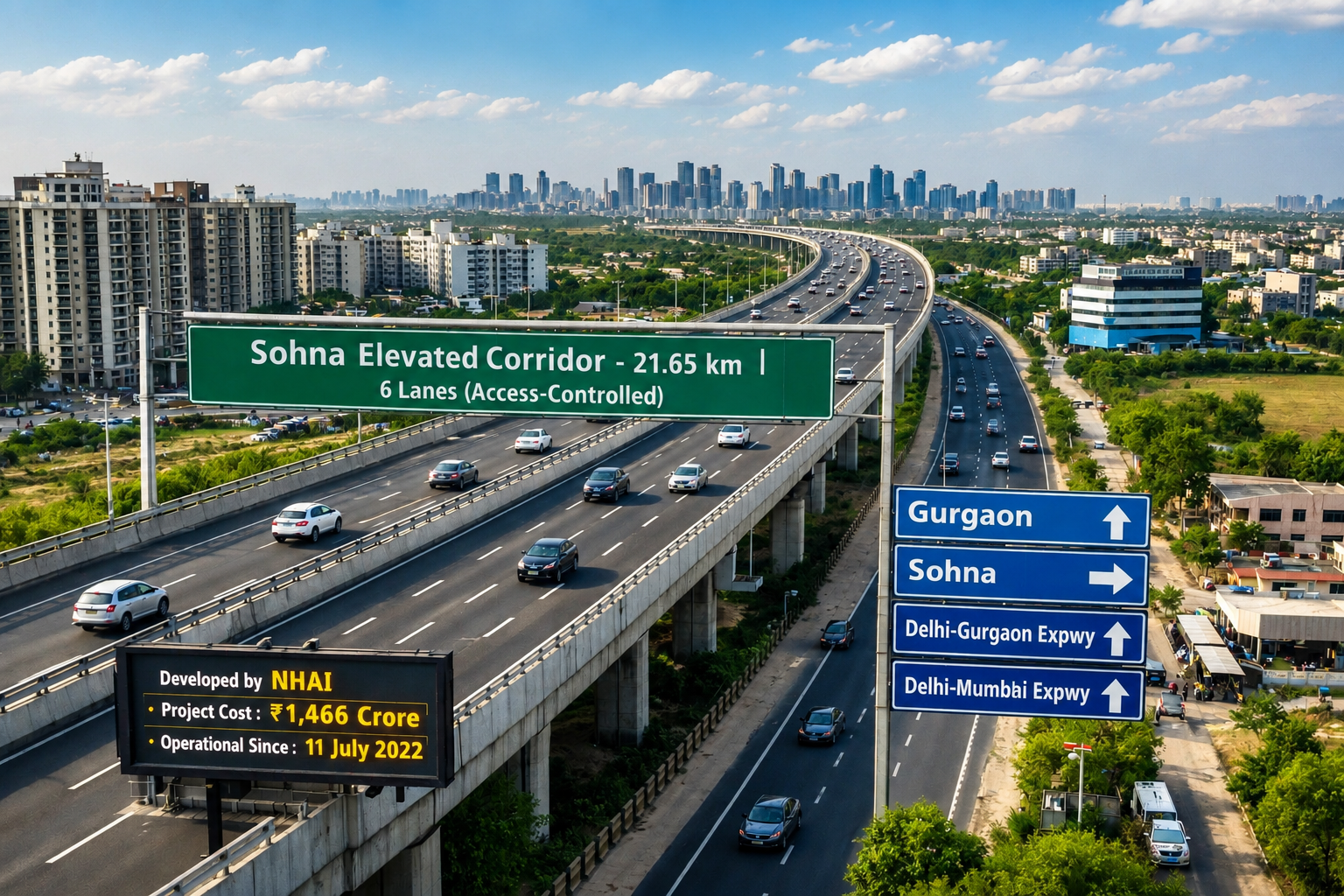
Is Sohna Really the Next Chhatarpur?
Three decades after Chhatarpur redrew South Delhi's map for space, privacy and exclusivity, a familiar pattern is now taking shape further south, and Sohna is where the smart money is beginning to look.

How Chhatarpur Farmhouses Created Multi-Crore Wealth for Early Buyers
What a quiet corner of South Delhi can teach investors about land, scarcity, and long-term wealth creation.

The ₹5 Crore Land Purchase That Became Worth ₹70 Crore
What the Story of DLF Chhatarpur Farms Reveals About Wealth Creation Through Premium Land Ownership
One short email. Stories you can use.
A free, occasional email from our editorial team with our latest features, explainers and reads. Unsubscribe any time — your email stays with us.