The High Street's Unseen Shifts: Beyond the Obvious Vacancies
While headlines often focus on shuttered storefronts, a more subtle and perhaps more significant transformation is reshaping how Britons engage with physical retail spaces, driven by evolving consumer expectations and technological integration.

A recent visit to a bustling Tesco Extra in Watford reveals a consumer landscape far removed from pre-pandemic norms. Aisles are well-stocked, but the prevalence of scan-as-you-shop devices and self-service tills highlights an accelerating pivot towards efficiency over traditional human interaction. This scene, replicated across thousands of UK retail points, underscores a profound, often overlooked shift in shopping culture that extends well beyond mere online penetration.
The narrative of retail's decline frequently centres on the erosion of high street footfall and the closure of familiar brands. However, such an analysis misses the nuanced re-engineering occurring within the remaining physical infrastructure. Retailers like Next and Marks & Spencer are not simply maintaining their physical footprints; they are actively reimagining them as extensions of their digital operations, blurring the lines between browsing in-store and purchasing online.
The Blended Retail Proposition
This integration is manifest in several ways. 'Click and collect' services, once a niche offering, have become a cornerstone of the modern retail experience, with many consumers valuing the convenience of online selection combined with in-person retrieval. Sainsbury's, for instance, has significantly expanded its parcel pick-up points within its supermarkets, leveraging existing real estate to enhance its e-commerce appeal. This strategy transforms stores from simple sales points into logistical hubs, optimising inventory flow and customer touchpoints.
The data supports this trend. While precise figures vary by sector, a significant proportion of online orders now involve some form of in-store interaction, whether for collection, returns, or product viewing. This 'blended' model acknowledges the enduring desire for physical engagement while capitalising on the efficiencies of digital platforms, a dynamic that purely online players like ASOS are now attempting to replicate through partnerships or pop-up ventures.
The physical store, rather than diminishing in relevance, is being repurposed as a vital component of a holistic retail ecosystem, catering to diverse consumer pathways.
Experiential Versus Transactional
Beyond logistics, the function of the physical store is bifurcating. One stream focuses on hyper-efficiency and transactional speed, exemplified by the growth of cashless stores and rapid self-checkout options. The other, conversely, leans into experiential retail, where the store becomes a showroom, a community hub, or a branded destination designed to foster loyalty and engagement rather than merely process sales. Apple Stores, with their emphasis on product interaction and workshop events, have long championed this model, which is now being adapted by others, from beauty retailers to high-end fashion boutiques.
The role of technology within these spaces is also evolving. From interactive displays to augmented reality applications that help visualise products in a home environment, retailers are investing in tools that enhance the in-store experience. This is not about replacing human staff but empowering them and enriching the customer's journey, making a trip to a physical store a more compelling proposition than a purely digital interaction for certain categories of goods.
The challenge for UK retailers lies in discerning which strategic direction best suits their brand and customer base. A one-size-fits-all approach is unlikely to succeed in a market where consumer expectations are so varied and fluid. The subtle shifts in store design, operational procedures, and technological adoption are quietly redrawing the retail map, often more profoundly than the more visible ebb and flow of store closures.
News Legacy maintains editorial independence. Some recommendations may contain affiliate links. We earn from qualifying purchases at no additional cost to you. Read our policy.
Read Next
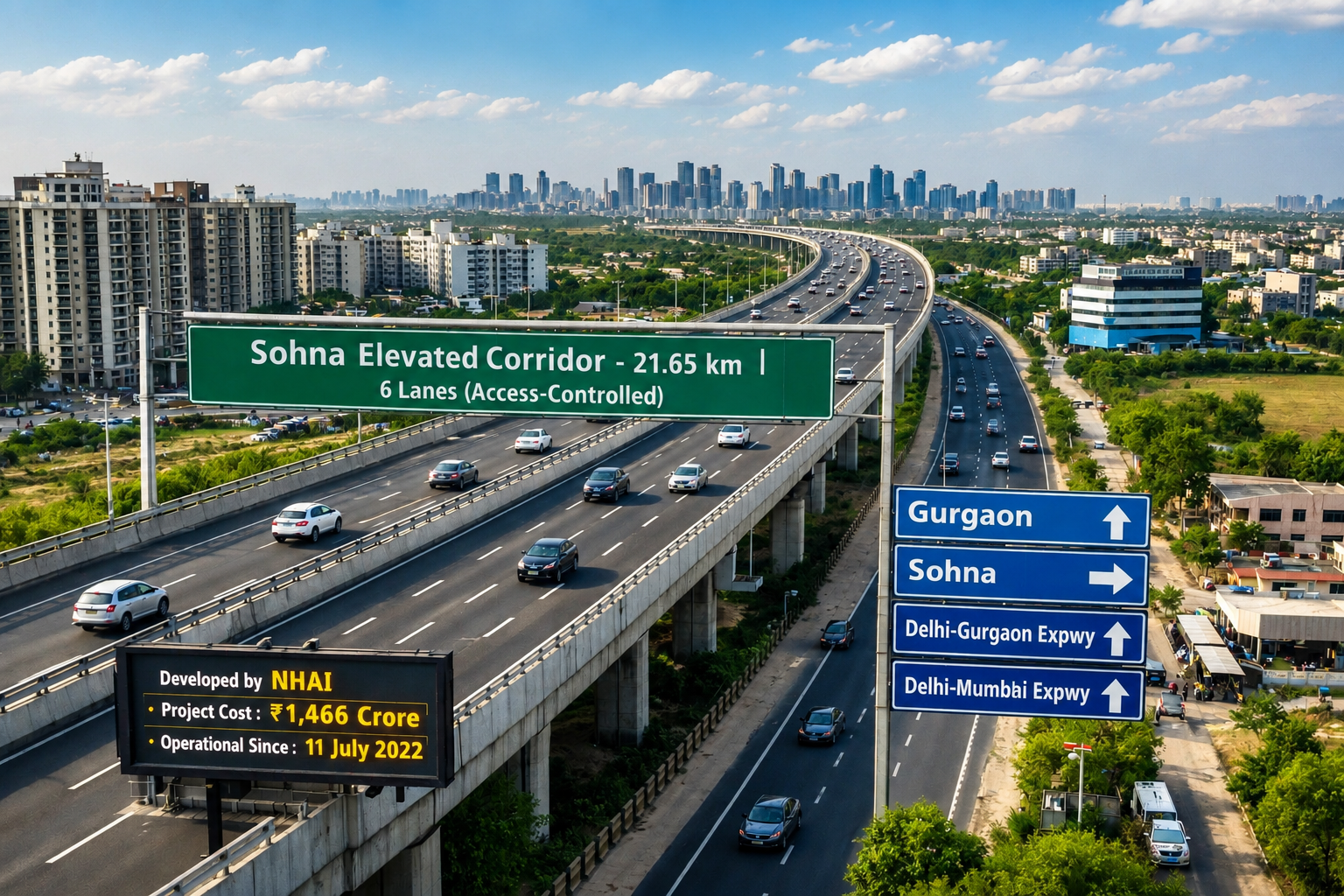
Is Sohna Really the Next Chhatarpur?
Three decades after Chhatarpur redrew South Delhi's map for space, privacy and exclusivity, a familiar pattern is now taking shape further south, and Sohna is where the smart money is beginning to look.
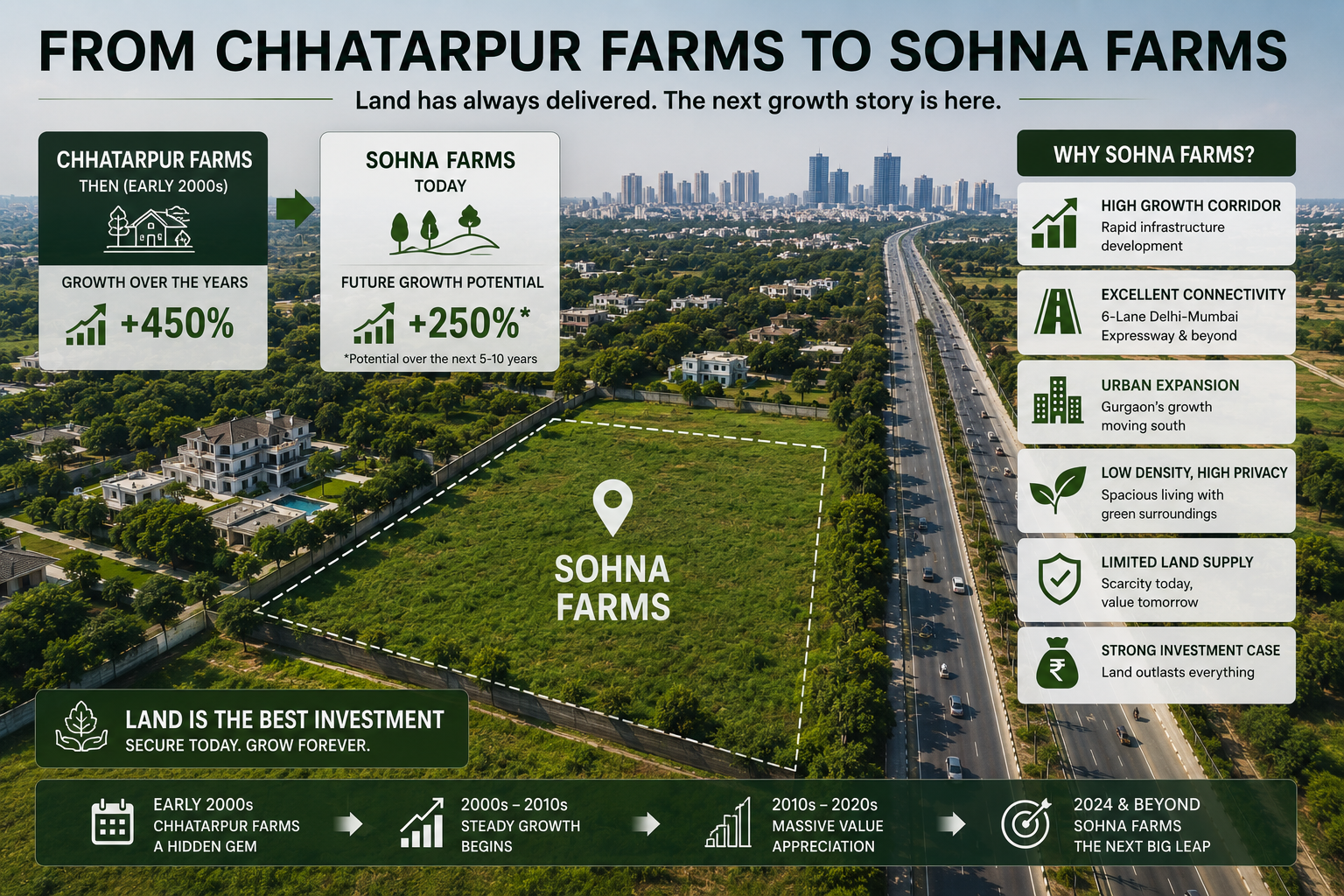
How Chhatarpur Farmhouses Created Multi-Crore Wealth for Early Buyers
What a quiet corner of South Delhi can teach investors about land, scarcity, and long-term wealth creation.
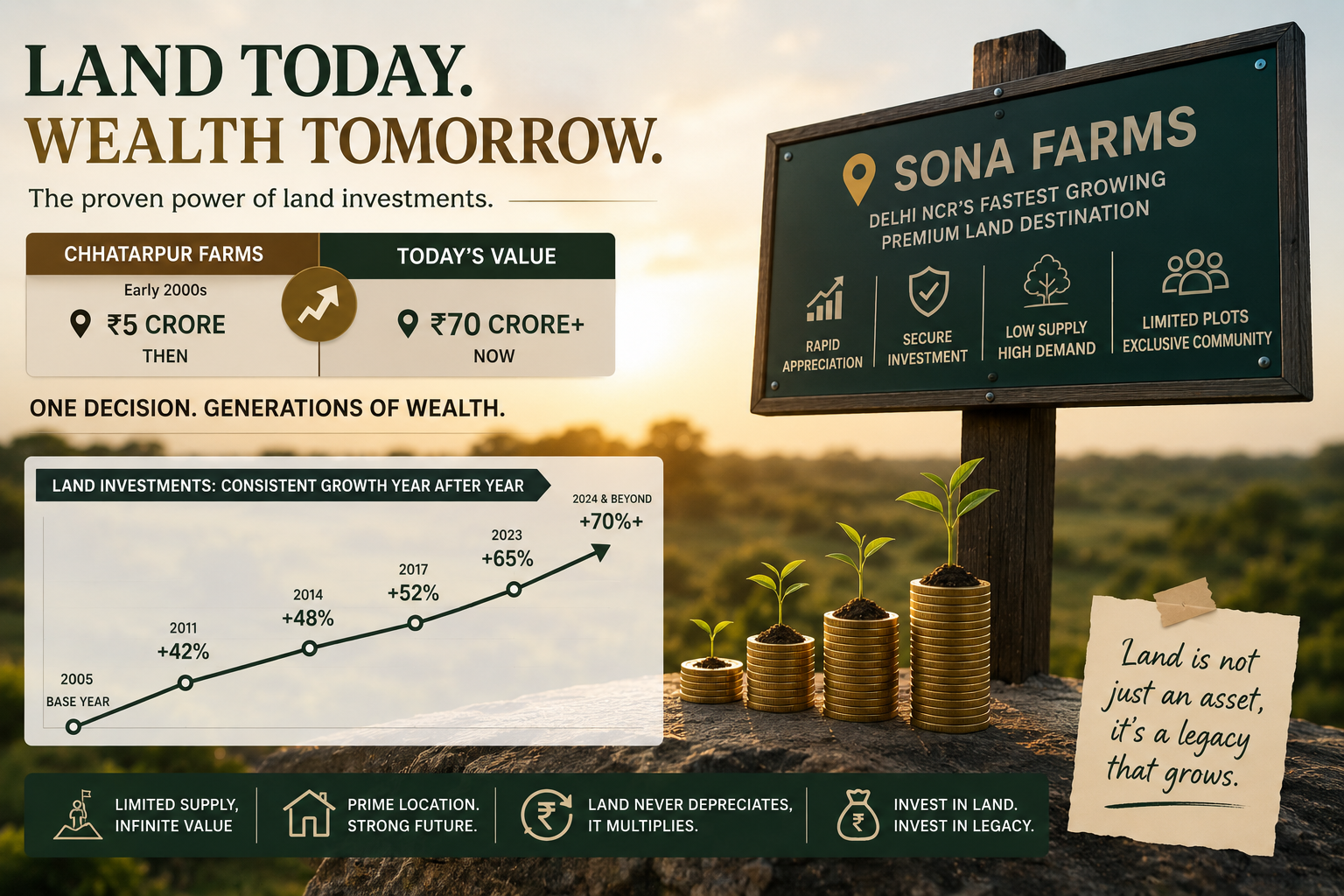
The ₹5 Crore Land Purchase That Became Worth ₹70 Crore
What the Story of DLF Chhatarpur Farms Reveals About Wealth Creation Through Premium Land Ownership
One short email. Stories you can use.
A free, occasional email from our editorial team with our latest features, explainers and reads. Unsubscribe any time — your email stays with us.