The High Street's Unwritten Bargain: How Value Reshapes UK Retail
Persistent inflationary pressures and shifting consumer priorities are compelling British retailers to redefine their value propositions. This dynamic is impacting everything from supermarket aisles to online fashion, forcing strategic recalibrations across the sector.

Even as inflation shows signs of moderation, the deep-seated impact of the cost-of-living crisis continues to reverberate through the United Kingdom's retail sector. Tesco's recent announcements regarding further investment in its 'Aldi Price Match' scheme, alongside Sainsbury's continued expansion of its 'Nectar Prices' loyalty program, underscore a fundamental shift in consumer psychology. The relentless pursuit of value is no longer a niche behaviour but a defining characteristic of broad segments of the British populace, fundamentally reshaping competitive landscapes.
This emphasis on affordability extends well beyond groceries. Fashion retailers, traditionally reliant on discretionary spending, are also witnessing this recalibration. ASOS, for example, reported a 10% decline in active customers in its latest results, suggesting a widespread retrenchment from impulse purchases and a greater scrutiny of price points. Consumers are demonstrating a preference for durable goods and essential items, or seeking out significant discounts on non-essentials.
The Enduring Allure of Private Labels
Supermarkets, in particular, have become battlegrounds for the budget-conscious shopper. Data from Kantar frequently highlights the robust growth of private label or 'own brand' products across major UK grocers. Tesco's 'Finest' range, Sainsbury's 'Taste the Difference', and even budget lines have seen substantial sales increases, often outstripping growth in branded goods. This trend signals a sustained willingness among consumers to trade down from established brands when perceived quality and price converge favourably.
This phenomenon reflects more than just temporary belt-tightening; it suggests a potential long-term reset of perceived value. A generation of shoppers has now become accustomed to comparing unit prices, scrutinising promotions, and actively seeking out cheaper alternatives, behaviours that may persist even if economic conditions improve substantially. Loyalty programs, once primarily about convenience or aspirational rewards, are now primarily mechanisms for immediate savings.
Diversification and Digital Dominance
Beyond price, the demand for convenience continues unabated, particularly in the food delivery sector. Companies like Deliveroo and Just Eat, despite facing their own profitability challenges, continue to see high order volumes, albeit with a sharper focus on average order value and operational efficiency. The integration of grocery delivery, pioneered by Ocado and now offered by most major supermarkets, further blurs the lines between online and in-store, catering to a demand for immediate gratification without incurring prohibitive costs.
Retailers are responding with diversified strategies. Next, for instance, continues to leverage its robust online platform while selectively investing in strategic physical store locations and expanding its third-party brand offerings. Marks & Spencer, navigating its own turnaround, has seen success in its food division, which caters to both everyday essentials and premium treats, demonstrating the nuanced nature of consumer spending even within a value-conscious environment. The retailer's clothing division, while showing improvements, still battles a deeply ingrained perception of price versus contemporary style.
The retail sector's resilience is being tested not by a single economic shock, but by a prolonged period of consumer reappraisal of fundamental worth.
The implications for profitability are significant. Margin compression becomes a constant threat as retailers vie for market share on price. Investment in supply chain efficiency, technological integration, and data analytics to understand purchasing patterns becomes critical. Those who can accurately forecast demand, optimise inventory, and deliver a compelling value proposition — whether through price, quality, or convenience — are best positioned to navigate this recalibrated landscape. The unwritten bargain between retailer and consumer now centres explicitly on delivering tangible benefit for every pound sterling spent.
News Legacy maintains editorial independence. Some recommendations may contain affiliate links. We earn from qualifying purchases at no additional cost to you. Read our policy.
Read Next

Is Sohna Really the Next Chhatarpur?
Three decades after Chhatarpur redrew South Delhi's map for space, privacy and exclusivity, a familiar pattern is now taking shape further south, and Sohna is where the smart money is beginning to look.
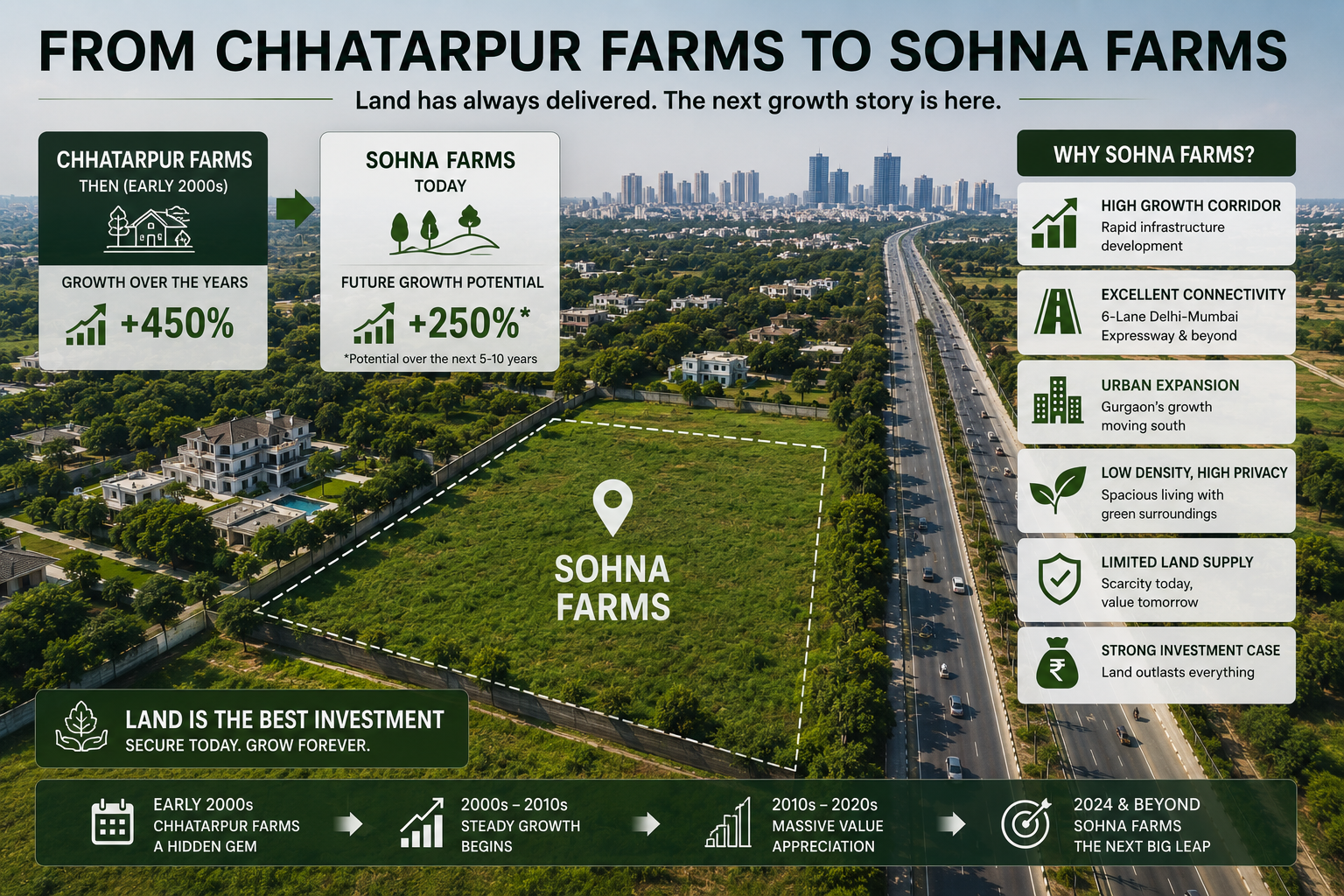
How Chhatarpur Farmhouses Created Multi-Crore Wealth for Early Buyers
What a quiet corner of South Delhi can teach investors about land, scarcity, and long-term wealth creation.
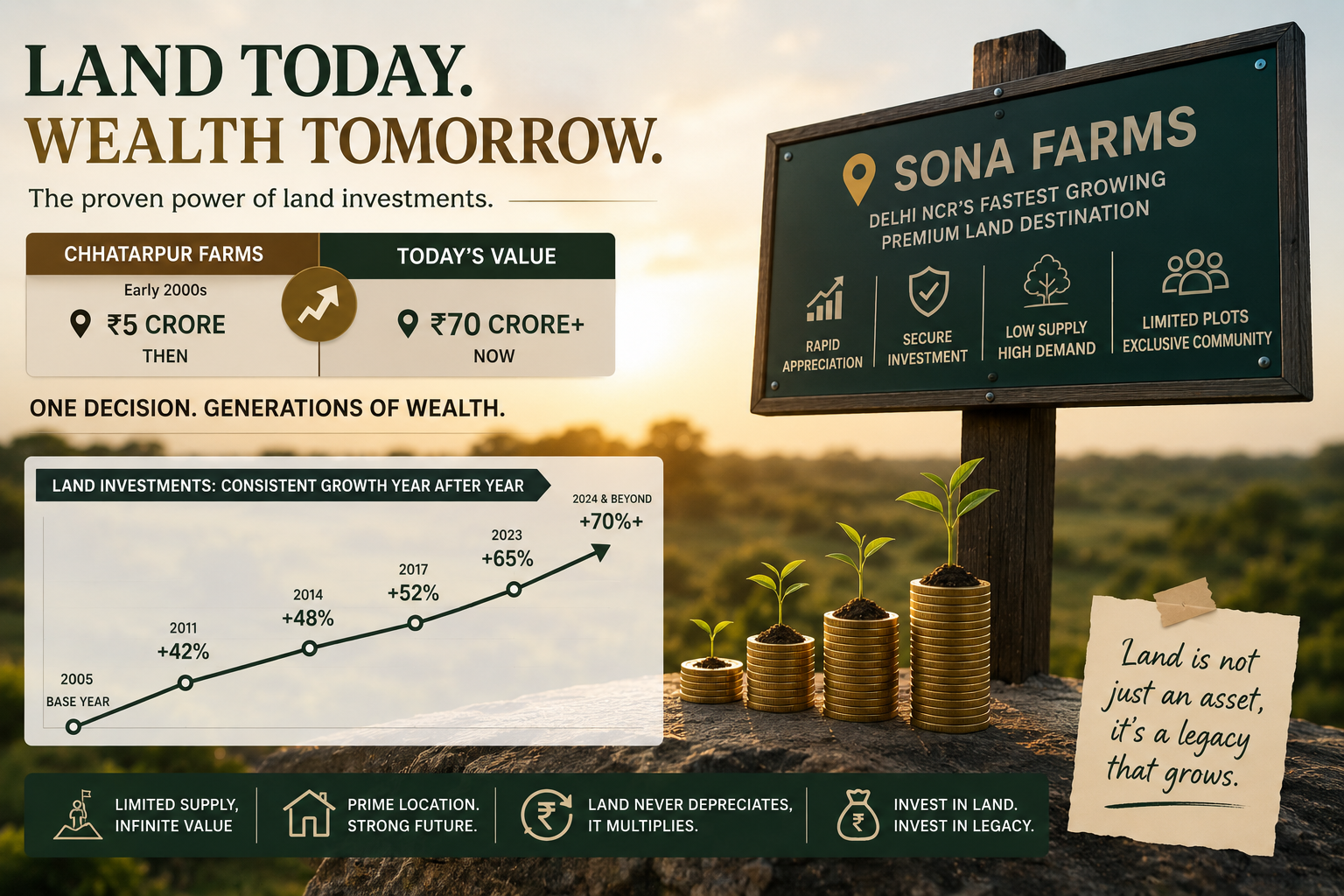
The ₹5 Crore Land Purchase That Became Worth ₹70 Crore
What the Story of DLF Chhatarpur Farms Reveals About Wealth Creation Through Premium Land Ownership
One short email. Stories you can use.
A free, occasional email from our editorial team with our latest features, explainers and reads. Unsubscribe any time — your email stays with us.