The Inconvenience Dividend: Why British Shoppers Are Trading Digital Speed for High Street Friction
As retailers impose charges on doorstep deliveries and parcel returns, consumer tolerance for convenience fees has broken, tilting footfall back toward physical counters.

In the regional distribution parks fringing the M25 and the East Midlands, the operational rhythm of British e-commerce is undergoing a quiet inversion. For nearly a decade, retail strategy was governed by an article of faith: consumers would permanently reward the elimination of physical friction. Capital flowed toward unlimited delivery passes, instantaneous rapid-grocery courier runs, and unpenalised returns for online apparel. Yet over the past eighteen months, as operators from Next to ASOS introduced deductions for processed returns and couriers raised delivery surcharges, British shoppers did not abandon digital commerce; they simply opted to absorb the legwork themselves.
Click-and-collect volumes across both mid-market clothing and general merchandise are running at resilient highs, even as pureplay digital orders soften. The economic calculus behind this shift is direct. Faced with persistent mortgage renewals at five per cent and grocery costs that remain elevated above their historical norms, British households are systematically auditing micro-expenditures. The £3.99 delivery fee on a mid-week order via Deliveroo or Just Eat, or the £2.00 parcel-return deduction on an unwanted winter coat, is no longer dismissed as friction-free change. It is treated as an avoidable tax.
The Collapse of Subsidised Doorsteps
This behavioural recalibration has fundamentally altered the economics of last-mile delivery in the United Kingdom. The high-water mark of venture-subsidised logistics, which briefly allowed urban consumers to command single pints of milk or rapid fashion hauls to their doorsteps for negligible fees, has firmly passed. Ocado Retail, the joint venture between Ocado Group and Marks & Spencer, has had to constantly refine its promotional posture to defend basket sizes, while purely app-based meal delivery platforms face plateauing order frequencies among core working-class and suburban demographics.
When the marginal cost of domestic convenience outpaces disposable income growth, the consumer willingly becomes the final-mile courier.
Conversely, traditional multi-channel operators are finding renewed strength in store portfolios that were once written off as expensive balance-sheet liabilities. Next has long maintained that its network of roughly 500 physical stores acts as an indispensable, profitable collection hub, handling a clear majority of its digital returns at virtually zero incremental logistics cost to the customer. Marks & Spencer has achieved similar momentum, modernising its high-street and retail-park estates to ensure that online parcel collections funnel pedestrian traffic directly into its profitable food halls.
Loyalty Walls and Basket Consolidation
Supermarkets have mirrored this transition through the aggressive expansion of gated loyalty pricing. Dual-pricing architectures—anchored by Tesco Clubcard Prices and Sainsbury’s Nectar Prices—have re-conditioned consumers to concentrate their grocery spend within tightly defined physical perimeters. Shoppers who once divided their outlays between German discounters and speculative mid-week digital deliveries are increasingly consolidating trips inside big-box stores where loyalty discounts can be stacked against household essentials.
The broader consequence for British retail is structural rather than cyclical. Pureplay digital operators without bricks-and-mortar real estate continue to absorb punishing customer acquisition costs and logistics overheads, whereas legacy operators with flexible store estates are effectively repurposing their shops as customer-facing micro-warehouses. Far from being rendered obsolete by the smartphone, the British high street and the suburban retail park have been repositioned as practical hedges against the rising price of convenience.
News Legacy maintains editorial independence. Some recommendations may contain affiliate links. We earn from qualifying purchases at no additional cost to you. Read our policy.
Read Next
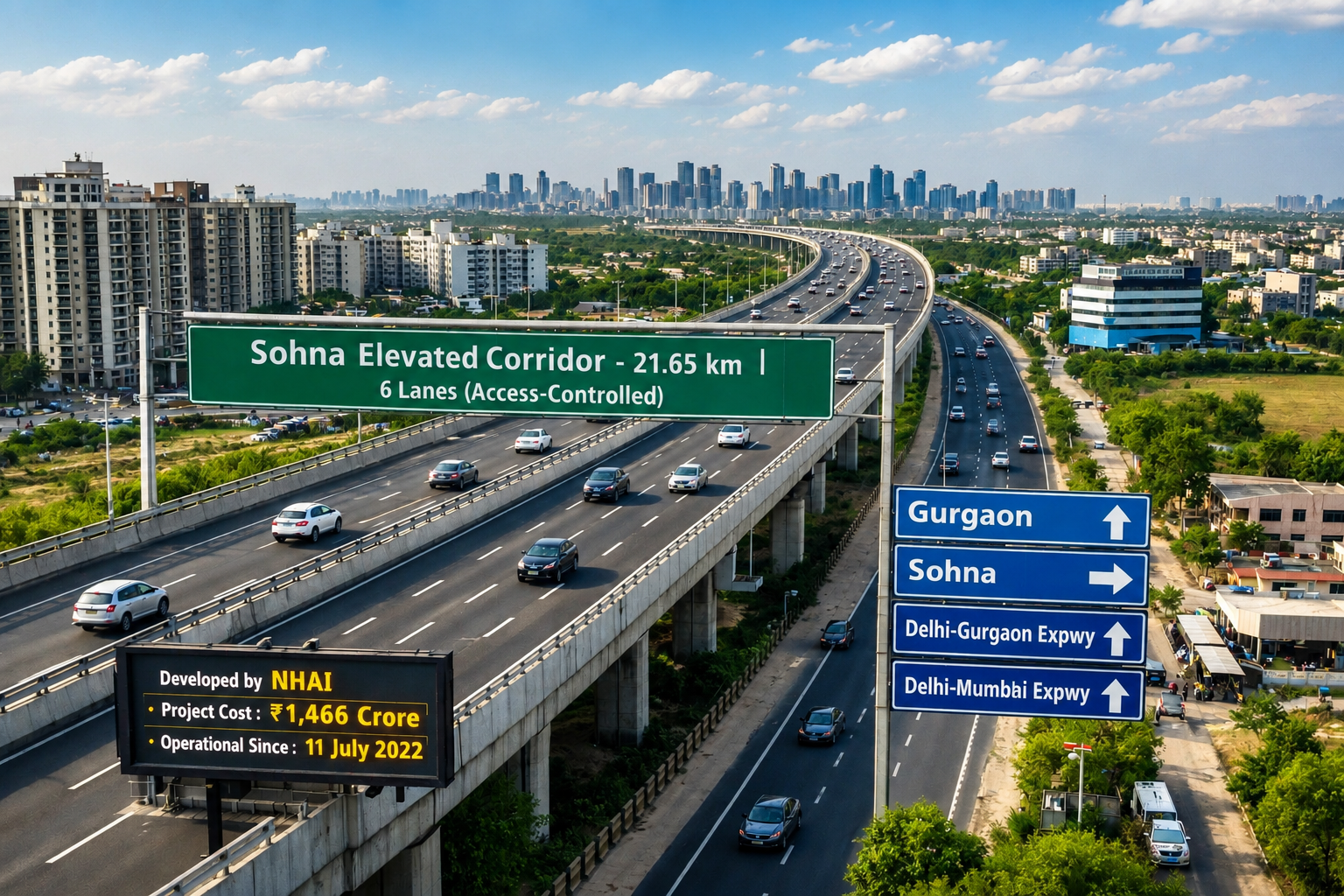
Is Sohna Really the Next Chhatarpur?
Three decades after Chhatarpur redrew South Delhi's map for space, privacy and exclusivity, a familiar pattern is now taking shape further south, and Sohna is where the smart money is beginning to look.
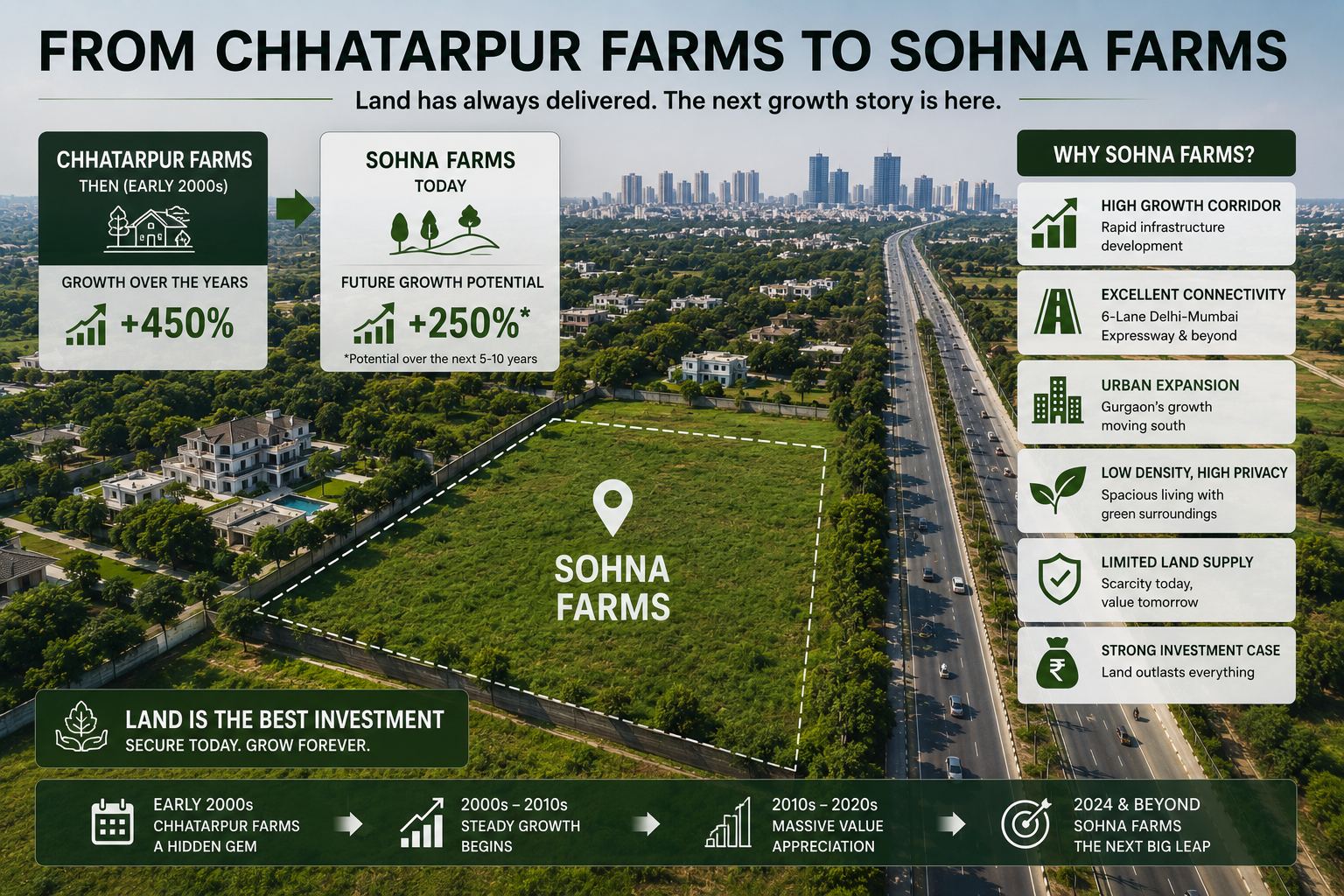
How Chhatarpur Farmhouses Created Multi-Crore Wealth for Early Buyers
What a quiet corner of South Delhi can teach investors about land, scarcity, and long-term wealth creation.

The ₹5 Crore Land Purchase That Became Worth ₹70 Crore
What the Story of DLF Chhatarpur Farms Reveals About Wealth Creation Through Premium Land Ownership
One short email. Stories you can use.
A free, occasional email from our editorial team with our latest features, explainers and reads. Unsubscribe any time — your email stays with us.