The Invisible Hand of AI: How UK Retail is Rewriting its SaaS Recipe
Across Britain's retail sector, the quiet revolution in software-as-a-service is enabling a fundamental re-evaluation of operational efficiency and customer engagement, moving beyond mere digital presence to predictive commerce.

At a Tesco distribution centre in Daventry, algorithms now subtly orchestrate the flow of goods with a precision unimaginable a decade ago, optimising everything from pallet placement to delivery routes. This quiet transformation, powered by increasingly sophisticated software-as-a-service (SaaS) platforms, reflects a broader strategic shift within British retail. Companies are moving from simply adopting digital tools to embedding intelligent systems at the core of their operations, driven by acute economic pressures and evolving consumer expectations.
The surge in SaaS adoption is more than a technological upgrade; it represents a fundamental recalibration of how retailers manage inventory, understand customers, and allocate capital. For established players like Marks & Spencer and Next, legacy systems are giving way to agile cloud-based solutions that promise scalability and real-time insights. These platforms are not just supporting existing processes but are actively shaping new business models, allowing for greater customisation and responsiveness in a volatile market.
From Legacy Lock-In to Cloud Flexibility
Many UK retailers, particularly those with extensive physical footprints, have historically grappled with monolithic enterprise resource planning (ERP) systems that were expensive to maintain and slow to adapt. The shift to SaaS offers a compelling alternative: subscription-based models reduce upfront capital expenditure, while cloud infrastructure provides elasticity to scale operations up or down as demand fluctuates. This flexibility is crucial in a retail environment where supply chain shocks and rapid shifts in consumer sentiment are increasingly common.
Consider the grocery sector, where the pandemic accelerated digital adoption. Ocado, a pioneer in automated warehousing and online delivery, has long demonstrated the power of integrated tech stacks. Now, rivals like Sainsbury's and Tesco are investing heavily in AI-driven SaaS solutions to refine their own online ordering, last-mile delivery logistics, and personalised marketing efforts. These investments aim to narrow the gap with pure-play digital competitors and extract greater value from their extensive customer data.
The transition from static, on-premise software to dynamic, cloud-native platforms is recalibrating the competitive landscape for British retailers, offering a route to operational agility that was previously unattainable.
The financial implications are significant. While initial SaaS subscriptions add to operational expenditure, the long-term gains in efficiency, reduced infrastructure costs, and enhanced data-driven decision-making often yield substantial returns. A typical large retailer might see millions of pounds in operational savings annually by optimising inventory holding costs through predictive analytics, or by reducing lost sales through improved stock availability across multiple channels.
The Data Dividend and Consumer Expectation
The true value of these SaaS platforms lies in their ability to harness and analyse vast quantities of data. For fashion retailers such as ASOS, artificial intelligence embedded within customer relationship management (CRM) and merchandising software helps predict fashion trends, optimise pricing strategies, and personalise product recommendations. This precision allows for more targeted marketing spend and a reduction in costly returns, directly impacting the bottom line.
UK consumers, increasingly accustomed to the seamless experiences offered by global tech giants, now expect similar levels of personalisation and convenience from their domestic retailers. Food delivery platforms like Deliveroo and Just Eat, while primarily logistics businesses, leverage sophisticated SaaS tools for dynamic pricing, driver optimisation, and customer service automation. These capabilities set a high bar for traditional retailers, compelling them to invest in similar technological foundations to remain competitive.
The ongoing evolution of SaaS in UK retail is not merely about adopting new tools; it is about fundamentally restructuring operations to be more intelligent, responsive, and ultimately, more profitable. As macroeconomic headwinds persist and consumer spending patterns remain unpredictable, the strategic deployment of advanced software platforms will increasingly define which retailers thrive and which struggle to adapt.
News Legacy maintains editorial independence. Some recommendations may contain affiliate links. We earn from qualifying purchases at no additional cost to you. Read our policy.
Read Next

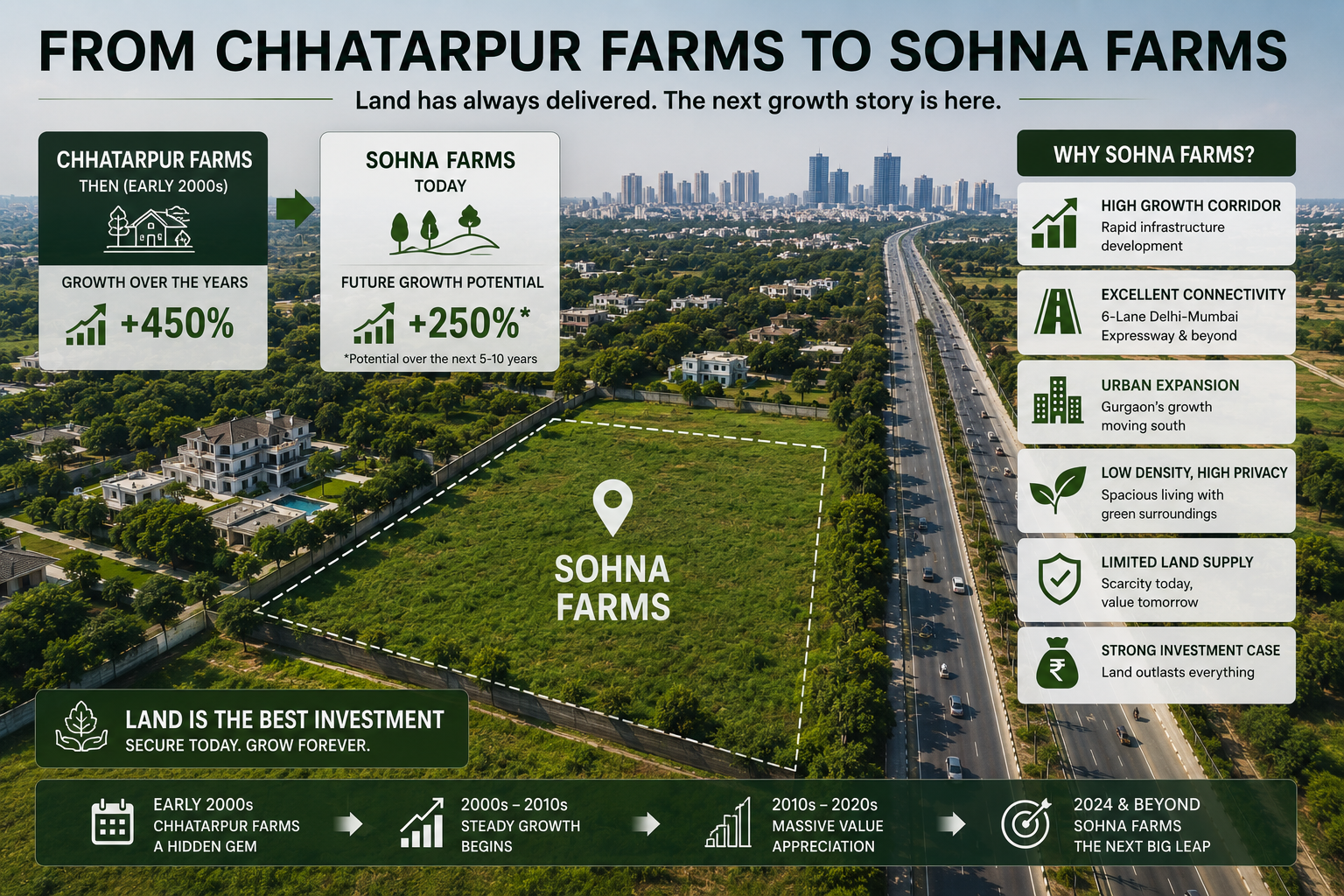
Is Sohna Really the Next Chhatarpur?
Three decades after Chhatarpur redrew South Delhi's map for space, privacy and exclusivity, a familiar pattern is now taking shape further south, and Sohna is where the smart money is beginning to look.
How Chhatarpur Farmhouses Created Multi-Crore Wealth for Early Buyers
What a quiet corner of South Delhi can teach investors about land, scarcity, and long-term wealth creation.

The ₹5 Crore Land Purchase That Became Worth ₹70 Crore
What the Story of DLF Chhatarpur Farms Reveals About Wealth Creation Through Premium Land Ownership
One short email. Stories you can use.
A free, occasional email from our editorial team with our latest features, explainers and reads. Unsubscribe any time — your email stays with us.