The Invisible Hand of AI: How UK Retailers Are Redefining the Checkout
Across Britain's retail landscape, artificial intelligence is quietly reshaping everything from inventory management to the customer journey, creating efficiencies and new challenges for an industry grappling with shifting consumer expectations.

From the bustling aisles of Tesco Extra to the digital storefronts of ASOS, the application of sophisticated algorithms is becoming an indispensable component of retail operations. This technological integration, often invisible to the average shopper, is fundamentally altering how British businesses manage stock, predict demand, and engage with their clientele, marking a significant evolution in commerce.
Previously, the deployment of such advanced systems was primarily the domain of global e-commerce giants. However, a growing number of UK retailers are now investing heavily in Software-as-a-Service (SaaS) solutions that leverage artificial intelligence. These range from predictive analytics platforms that optimise supply chains to AI-driven chatbots handling customer enquiries, all aimed at enhancing operational efficiency and improving the consumer experience.
Supply Chain Dexterity Through Data
One immediate area of impact is supply chain resilience. Supermarket chains like Sainsbury's and Ocado are employing AI to forecast demand with greater precision, mitigating issues of overstocking or product scarcity. This involves analysing vast datasets, including historical sales, weather patterns, local events, and even social media sentiment, to adjust purchasing and distribution strategies in real-time. The goal is to ensure products are on shelves or in delivery vans exactly when and where they are needed.
The financial implications of this precision are substantial. Reduced waste from perishable goods, optimised warehousing costs, and minimised lost sales due to stockouts can collectively add millions to a retailer’s bottom line. For an industry operating on tight margins, such incremental gains are critical, particularly in the current inflationary environment.
The ongoing optimisation of back-end logistics by AI is frequently a more significant driver of profitability than any flashy front-end innovation.
Personalisation and the Digital High Street
Beyond the warehouse, AI is transforming the customer-facing aspects of retail. Online fashion retailers such as Next and Marks & Spencer are utilising recommendation engines that learn from individual browsing habits and purchase histories to suggest relevant products. This level of personalisation, previously a manual or rule-based endeavour, is now powered by machine learning, generating more pertinent suggestions and often leading to increased conversion rates.
This extends to customer service, where AI-powered chatbots handle routine queries for companies like Deliveroo and Just Eat, freeing human agents to address more complex issues. While initial implementations sometimes faced consumer frustration, ongoing advancements in natural language processing are making these interactions more fluid and effective, potentially reducing wait times and improving satisfaction.
However, the widespread adoption of AI in retail is not without its considerations. Data privacy concerns remain paramount, especially with the increased collection and analysis of consumer information. Retailers must navigate the fine line between leveraging data for commercial advantage and maintaining customer trust, adhering strictly to regulations such as the GDPR. Furthermore, the imperative to upskill existing workforces or acquire new talent capable of managing these sophisticated systems presents a significant operational challenge for many British businesses.
As the digital and physical realms of commerce continue to converge, AI will play an increasingly central role in defining competitive advantage. For UK retailers, the strategic deployment of these technologies will differentiate those that thrive from those that merely survive in an increasingly complex market.
News Legacy maintains editorial independence. Some recommendations may contain affiliate links. We earn from qualifying purchases at no additional cost to you. Read our policy.
Read Next

Is Sohna Really the Next Chhatarpur?
Three decades after Chhatarpur redrew South Delhi's map for space, privacy and exclusivity, a familiar pattern is now taking shape further south, and Sohna is where the smart money is beginning to look.
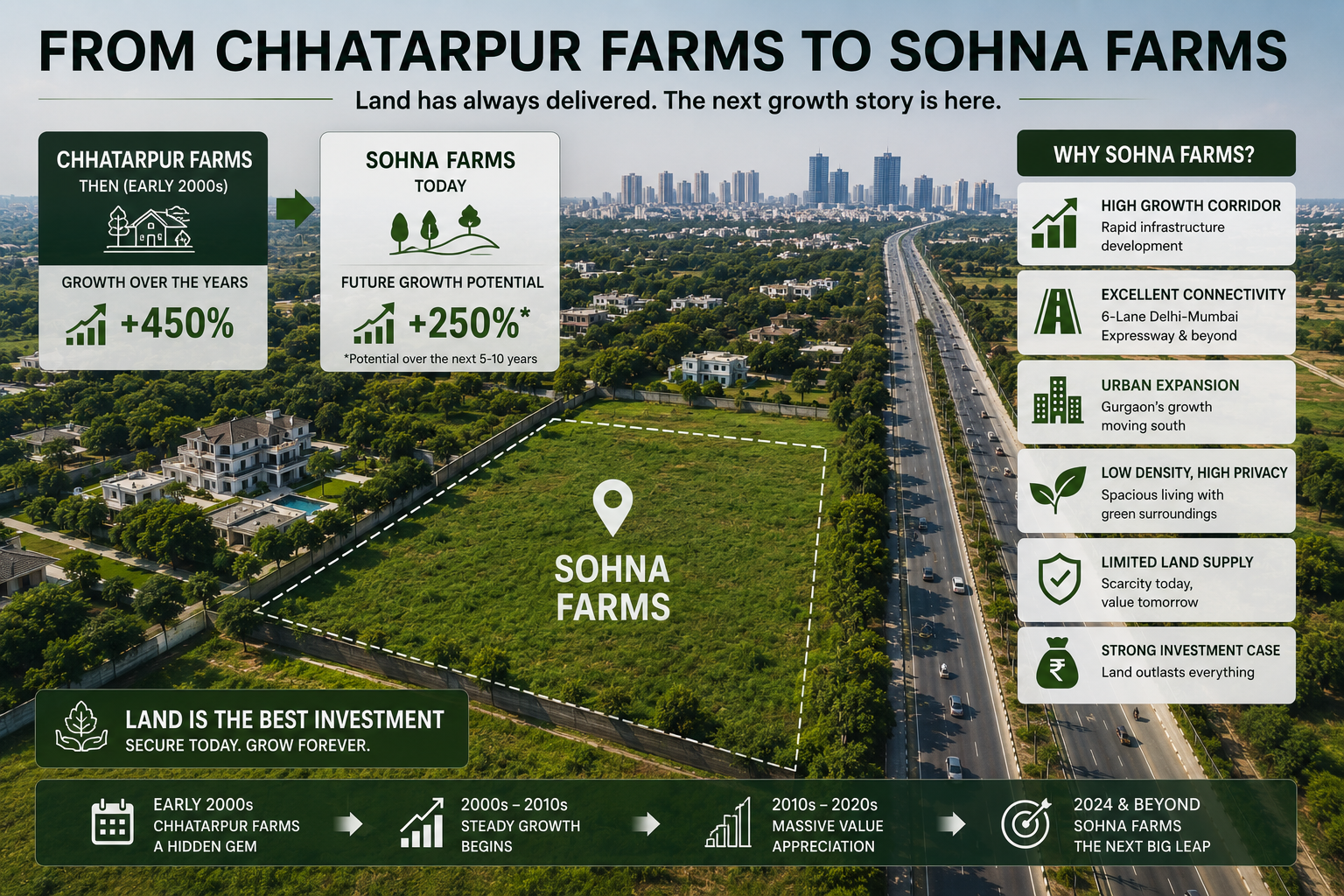
How Chhatarpur Farmhouses Created Multi-Crore Wealth for Early Buyers
What a quiet corner of South Delhi can teach investors about land, scarcity, and long-term wealth creation.

The ₹5 Crore Land Purchase That Became Worth ₹70 Crore
What the Story of DLF Chhatarpur Farms Reveals About Wealth Creation Through Premium Land Ownership
One short email. Stories you can use.
A free, occasional email from our editorial team with our latest features, explainers and reads. Unsubscribe any time — your email stays with us.