The Invisible Hand of Last-Mile Logistics: Delivering Profit in a Shifting Retail Landscape
As consumer expectations for immediacy reshape purchasing habits, retailers are confronting the complex, costly realities of last-mile delivery, where efficiency dictates competitive advantage and sustained profitability.

From Amazon's sprawling network of fulfillment centers to Walmart's aggressive expansion of same-day options and Target's utilization of Shipt, the final leg of product delivery has become a critical battleground for retail supremacy. Consumers, increasingly accustomed to near-instant gratification, now view rapid fulfilment as a baseline expectation rather than a premium service, compelling even traditional brick-and-mortar players to innovate their distribution strategies.
The sheer volume of e-commerce transactions, which saw a double-digit percentage increase in the US last year, places immense pressure on an already strained logistics infrastructure. Delivering a package from a local distribution hub to a customer's doorstep can represent over half of the total shipping cost, a significant burden that compresses already thin retail margins. This challenge is exacerbated by a landscape where free shipping remains a powerful consumer draw, forcing retailers to absorb these expenses or find creative solutions.
The Cost of Convenience
Navigating metropolitan traffic, managing diverse delivery vehicle fleets, and optimizing routes for individual parcels introduce a cascade of operational complexities. For instance, Instacart's model, relying on a gig economy workforce, addresses some of these labor challenges, but introduces its own set of variables concerning delivery consistency and driver availability. Similarly, the nascent quick-commerce sector and platforms like TikTok Shop, with their emphasis on rapid turnaround, intensify the demand for hyper-local warehousing and agile delivery methods.
The inherent difficulty lies in achieving economies of scale on individual deliveries. While a container ship transports thousands of units cost-effectively, delivering a single $20 item to a residential address involves disproportionately high fixed and variable costs. Fuel, vehicle maintenance, labor wages, and sophisticated routing software collectively contribute to expenses that are difficult to amortize across small order values. This economic reality drives innovation, but also strains financial performance.
Retailers must view last-mile logistics not as a necessary expenditure, but as a strategic differentiator capable of either eroding or enhancing customer loyalty and financial health.
Technological advancements are stepping in to mitigate these pressures. Artificial intelligence-powered routing algorithms can optimize delivery paths in real-time, adapting to traffic conditions and customer availability. The deployment of autonomous mobile robots within warehouses, as seen in facilities supporting Shopify merchants, streamlines picking and packing processes, theoretically speeding up the first steps of the fulfillment chain. Drone delivery, while still largely in experimental phases, holds future promise for reducing certain last-mile costs in less densely populated areas, potentially moving away from traditional road infrastructure.
Rethinking Distribution Models
Some retailers are reimagining their physical footprint to serve as hybrid fulfillment centers. Costco's vast warehouses, for example, are not merely stores but also strategic nodes for online order preparation and local delivery initiatives. This 'store-as-a-hub' model leverages existing real estate and inventory, shortening distances to customers and reducing reliance on distant, centralized distribution points. Such integration blurs the lines between online and offline commerce, optimizing the utility of a retail chain's entire asset base.
Ultimately, the evolution of last-mile logistics is a testament to the ongoing power shift in retail, where consumer expectations now dictate operational strategy. Retailers that master this intricate dance of efficiency, cost control, and speed will likely be those that secure enduring customer relationships and sustain profitability in an increasingly competitive market.
The implications extend beyond individual company balance sheets; the efficiency of last-mile delivery networks impacts urban planning, traffic congestion, and even carbon emissions, making it a critical consideration for broader economic and environmental sustainability.
News Legacy maintains editorial independence. Some recommendations may contain affiliate links. We earn from qualifying purchases at no additional cost to you. Read our policy.
Read Next
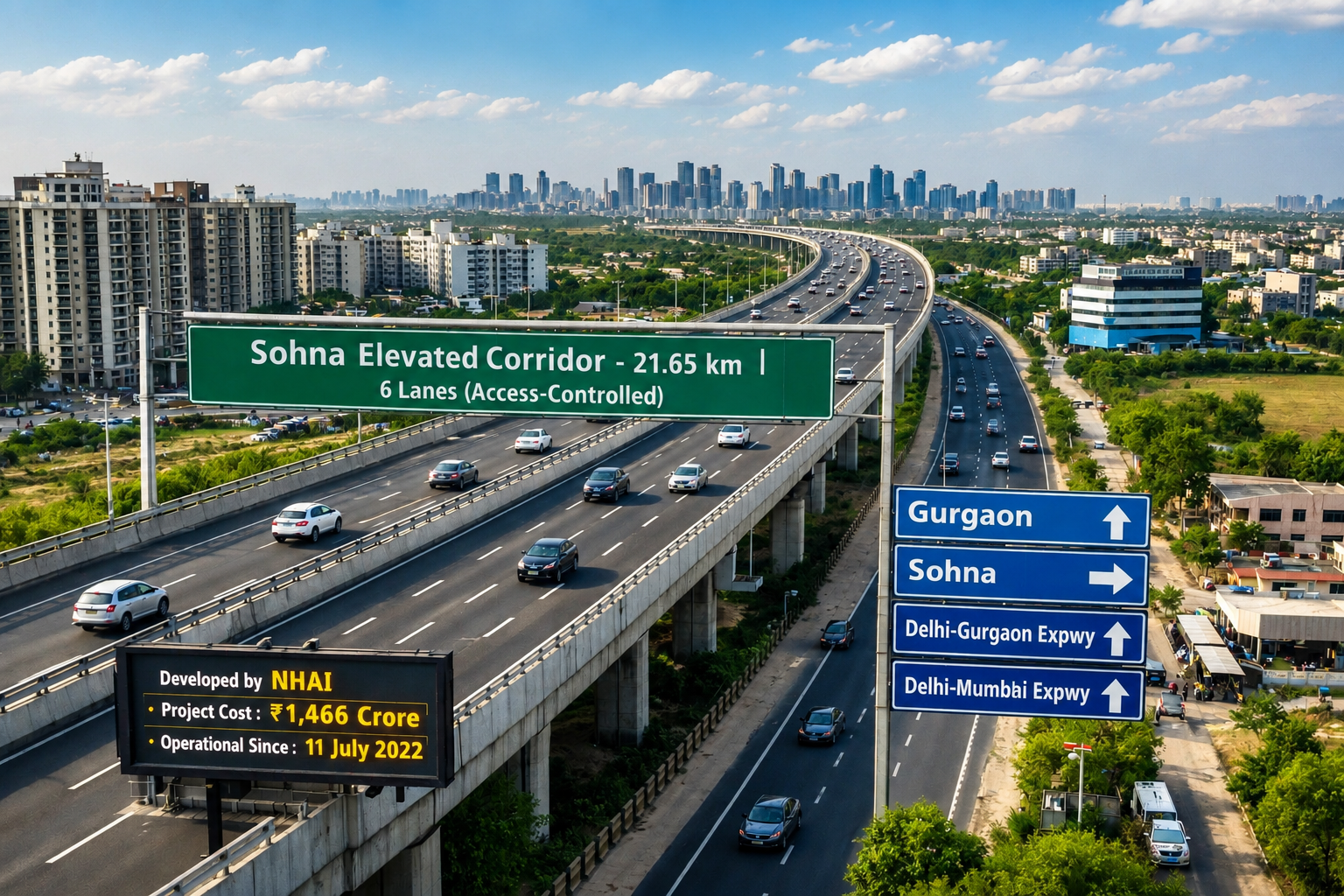
Is Sohna Really the Next Chhatarpur?
Three decades after Chhatarpur redrew South Delhi's map for space, privacy and exclusivity, a familiar pattern is now taking shape further south, and Sohna is where the smart money is beginning to look.
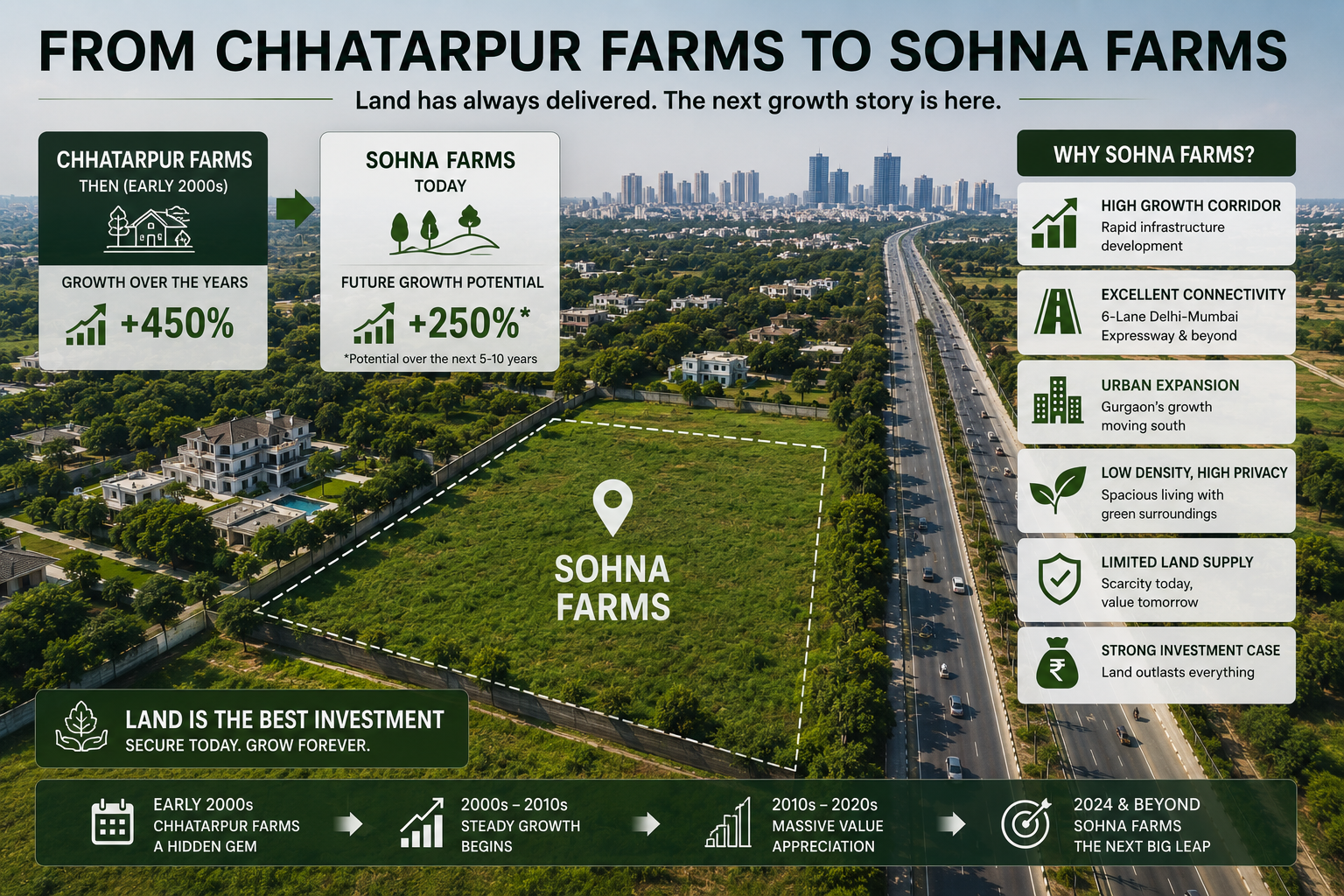
How Chhatarpur Farmhouses Created Multi-Crore Wealth for Early Buyers
What a quiet corner of South Delhi can teach investors about land, scarcity, and long-term wealth creation.
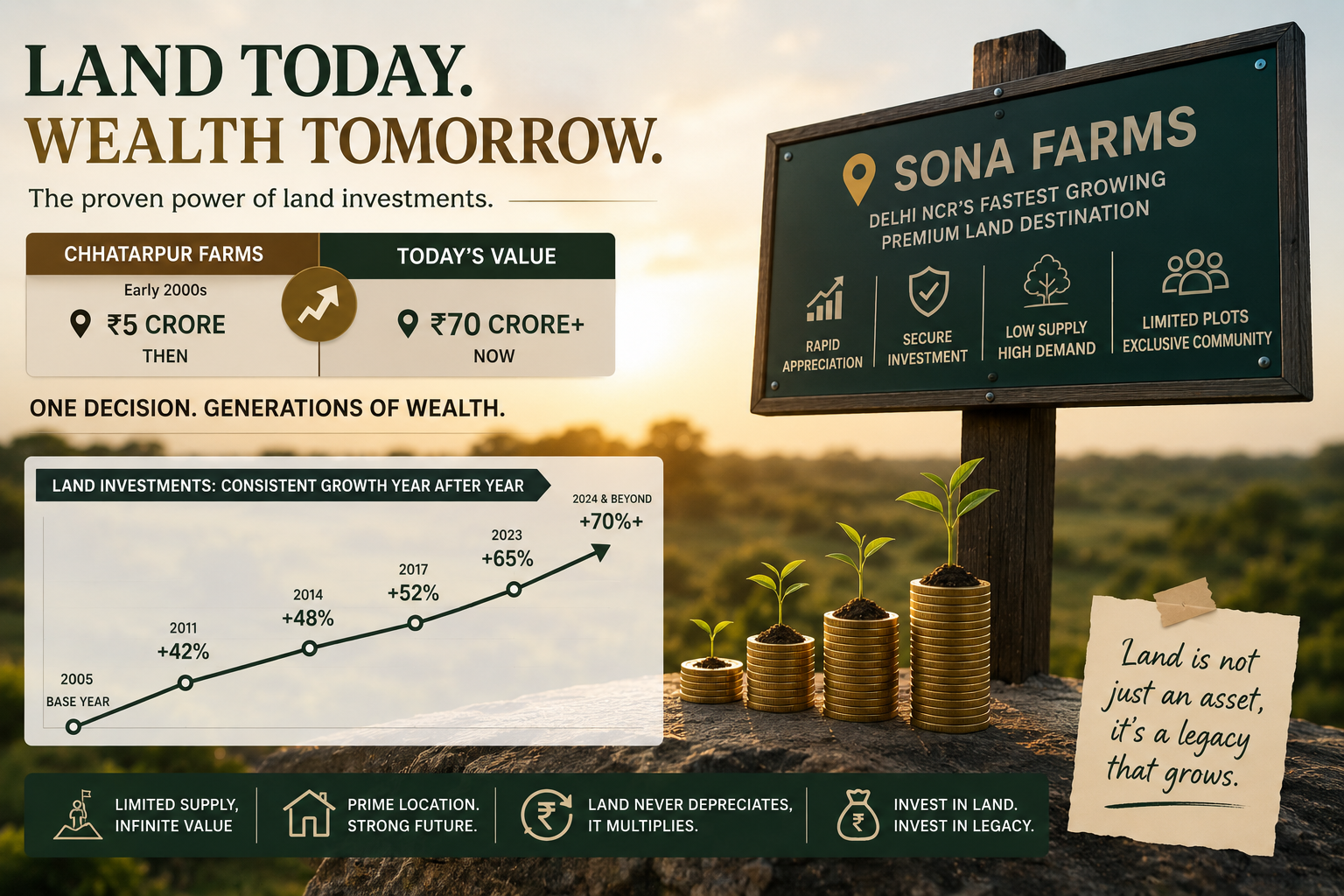
The ₹5 Crore Land Purchase That Became Worth ₹70 Crore
What the Story of DLF Chhatarpur Farms Reveals About Wealth Creation Through Premium Land Ownership
One short email. Stories you can use.
A free, occasional email from our editorial team with our latest features, explainers and reads. Unsubscribe any time — your email stays with us.