The Invisible Hand of UK Retail: How SaaS Optimises the Supply Chain
British retailers are increasingly leveraging sophisticated software-as-a-service platforms to navigate volatile consumer demand and complex logistical challenges, fundamentally reshaping operational efficiency from warehouse to doorstep.

From its sprawling distribution centres in Milton Keynes to its high-street presence, Sainsbury's, like many major UK grocers, orchestrates a daily ballet of inventory management, demand forecasting, and last-mile delivery. The efficiency of this operation, often invisible to the shopper browsing fresh produce, increasingly relies on a dense, interconnected layer of software-as-a-service (SaaS) applications. This technological backbone is proving critical in an era where consumer expectations for speed and availability are high, and margins remain under persistent pressure.
The pandemic accelerated a digital transformation that was already underway, with British consumers showing a sustained preference for online shopping. This shift necessitated robust e-commerce platforms, advanced order management systems, and sophisticated analytics tools capable of predicting demand spikes or lulls with greater accuracy. Companies like ASOS and Next, fundamentally digital-first in their operational philosophy, have long integrated such systems, but even traditional bricks-and-mortar giants are now deeply reliant.
The Data-Driven Warehouse
Warehouse management systems (WMS) and inventory optimisation software, often delivered as SaaS, are at the forefront of this revolution. These platforms allow retailers to track every stock keeping unit (SKU) in real-time, from its arrival at a UK port to its placement on a store shelf or a delivery van. For a retailer like Tesco, managing thousands of products across hundreds of stores and a growing online delivery network, the precision offered by these systems translates directly into reduced waste and improved stock rotation.
Beyond simple stock control, artificial intelligence and machine learning components embedded within these SaaS tools enable predictive analytics. This means forecasting seasonal demand for a specific brand of crisps in Edinburgh or anticipating a surge in garden furniture sales across the South East based on weather patterns. Ocado's highly automated warehouses, though exceptional, illustrate the ultimate potential of software-driven logistics, albeit on a proprietary scale, inspiring broader adoption of modular SaaS solutions.
The agility granted by cloud-native commerce tools allows businesses to adapt far more rapidly than was previously possible, shifting resources and strategies in response to market signals rather than reacting belatedly.
The Last Mile and Beyond
The competitive landscape of food delivery, exemplified by companies like Deliveroo and Just Eat, showcases the critical role of SaaS in last-mile logistics. Their platforms are sophisticated ecosystems of order processing, driver management, route optimisation, and customer service tools. While their core business is service, the underlying technology enabling their scale and efficiency is fundamentally SaaS-driven, managing thousands of simultaneous transactions and geographic challenges across British cities.
For traditional retailers, integrating such delivery capabilities is often achieved through partnerships or by adopting SaaS platforms specifically designed for local delivery management. This allows them to offer competitive delivery windows without building out an entirely new technological infrastructure. Marks & Spencer's evolving online grocery offering, for instance, relies on a complex interplay of internal and external software to ensure timely and accurate customer fulfilment.
The financial implications of these advancements are substantial. While initial investment in advanced SaaS platforms can be considerable, the long-term benefits typically include reduced operational costs, improved customer satisfaction, and enhanced revenue opportunities. Companies that effectively leverage these tools can see double-digit improvements in inventory turnover and significant reductions in fulfilment errors. The ongoing shift from perpetual licences to subscription-based SaaS models also provides greater flexibility and scalability, enabling businesses to adjust their technological footprint as their needs evolve in a dynamic UK market.
As economic pressures persist and consumer expectations continue to climb, the strategic deployment of innovative SaaS solutions will remain a defining characteristic of success for British commerce. The invisible infrastructure is becoming the defining differentiator.
News Legacy maintains editorial independence. Some recommendations may contain affiliate links. We earn from qualifying purchases at no additional cost to you. Read our policy.
Read Next

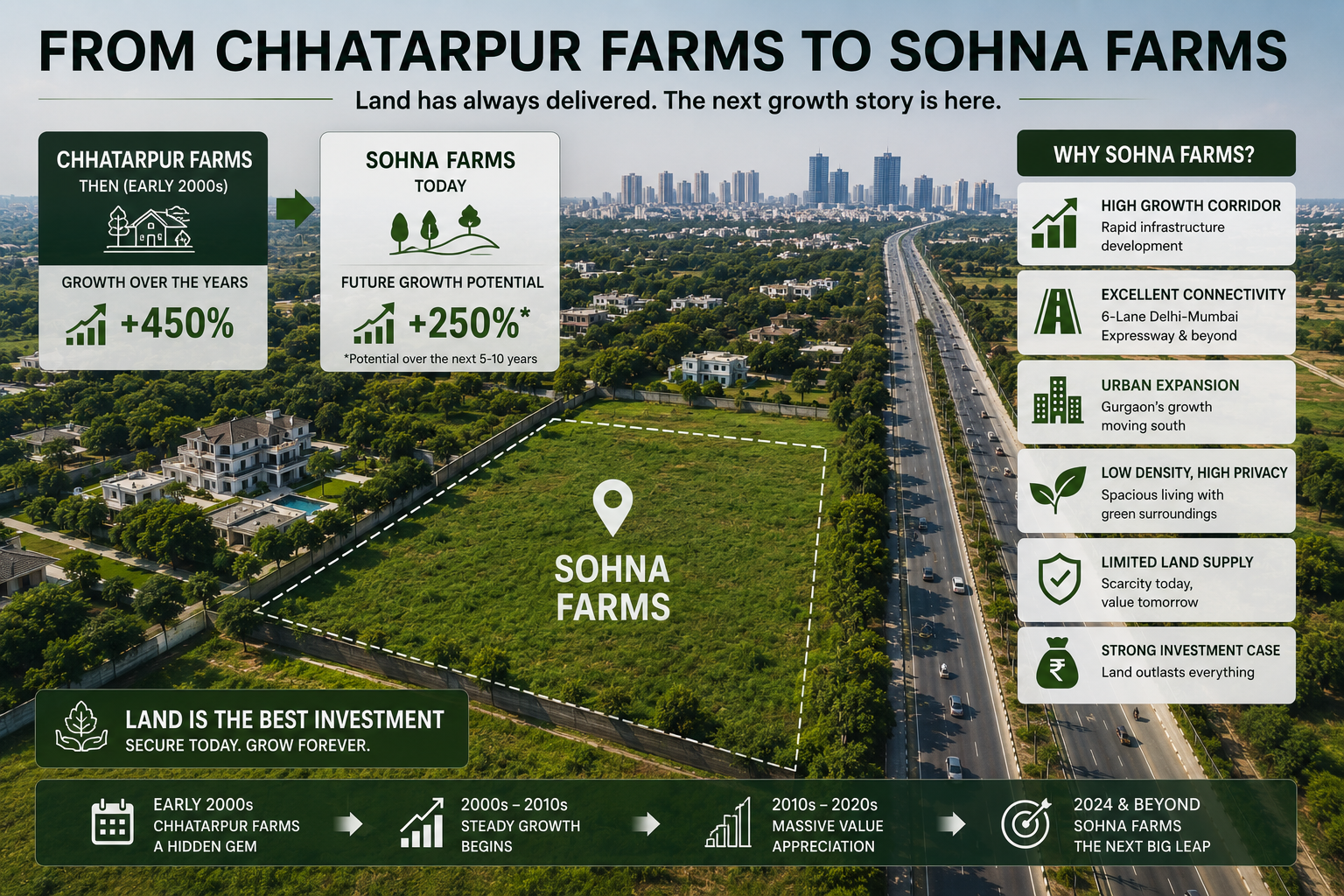
Is Sohna Really the Next Chhatarpur?
Three decades after Chhatarpur redrew South Delhi's map for space, privacy and exclusivity, a familiar pattern is now taking shape further south, and Sohna is where the smart money is beginning to look.
How Chhatarpur Farmhouses Created Multi-Crore Wealth for Early Buyers
What a quiet corner of South Delhi can teach investors about land, scarcity, and long-term wealth creation.

The ₹5 Crore Land Purchase That Became Worth ₹70 Crore
What the Story of DLF Chhatarpur Farms Reveals About Wealth Creation Through Premium Land Ownership
One short email. Stories you can use.
A free, occasional email from our editorial team with our latest features, explainers and reads. Unsubscribe any time — your email stays with us.