The Invisible Hand of UK Retail: How SaaS Shapes the High Street's Future
Beneath the familiar façades of British supermarkets and online fashion giants, a quiet technological revolution is reshaping operations, customer engagement, and ultimately, profitability. The adoption of advanced software solutions is becoming a critical differentiator in a challenging economic landscape.

From the meticulously organised aisles of a Tesco Extra to the rapid delivery network supporting an Ocado order, the operational backbone of modern British retail is increasingly digital. These ubiquitous consumer experiences are now inextricably linked to sophisticated Software-as-a-Service platforms, quietly dictating everything from inventory management to personalised customer promotions. This deep integration marks a pivotal shift, moving beyond mere e-commerce infrastructure to foundational business intelligence and agility.
The competitive pressures on UK retailers have rarely been more acute. High street mainstays like Marks & Spencer and Next contend with fluctuating consumer spending, elevated energy costs, and persistent inflation, which registered at 6.7% in September. Online fashion retailers such as ASOS navigate intense competition and complex global supply chains. In this environment, optimising every facet of the business, from warehouse logistics to marketing spend, is not merely advantageous but imperative for survival and growth.
The Operational Imperative
Many British retailers are now leveraging SaaS to extract greater efficiencies from their vast and often complex operations. Consider Sainsbury's or Waitrose, managing thousands of stock-keeping units across hundreds of stores. Dedicated inventory management software tracks items from supplier to shelf, predicting demand fluctuations and minimising waste. These systems can process historical sales data, weather forecasts, and even local event schedules to fine-tune ordering, drastically reducing instances of both overstocking and empty shelves.
Beyond inventory, the sphere of customer interaction is undergoing a significant overhaul. Retailers like John Lewis and Next invest heavily in customer relationship management (CRM) platforms that consolidate purchase history, browsing behaviour, and service interactions. This holistic view enables targeted marketing campaigns, tailored loyalty programs, and more efficient customer service, fostering stronger brand loyalty in a market where consumers are increasingly discerning about value and experience.
The 'last mile' problem, particularly relevant for grocery delivery services such as Deliveroo and Just Eat, has also found significant technological solutions. Route optimisation software, powered by AI algorithms, dynamically adjusts delivery paths in real-time, accounting for traffic, driver availability, and order urgency. This not only improves delivery speed but also reduces fuel consumption and operational costs, a considerable advantage when margins are often thin.
Data-Driven Decision Making
The true power of these SaaS platforms lies in their ability to generate and analyse vast quantities of data. For a large retailer like Boots or Tesco, understanding consumer trends across different demographics and geographical regions can inform product development, store layouts, and pricing strategies. Business intelligence tools aggregate sales figures, website traffic, and social media sentiment, providing executive teams with actionable insights rather than raw data points.
One industry analyst observes that the strategic advantage once derived from physical scale is increasingly being augmented, if not superseded, by the intelligent application of digital tools. This shift empowers even smaller, agile direct-to-consumer brands to compete effectively against established incumbents, provided they adopt appropriate technological foundations.
The investment in these digital tools is substantial, yet the return on investment can be profound. Companies reporting successful SaaS implementations often cite double-digit percentage improvements in operational efficiency, reductions in shrinkage, and notable upticks in customer lifetime value. As the UK economy navigates continued uncertainty, the strategic deployment of these invisible digital assistants will likely define the next chapter for its retail sector.
News Legacy maintains editorial independence. Some recommendations may contain affiliate links. We earn from qualifying purchases at no additional cost to you. Read our policy.
Read Next

Is Sohna Really the Next Chhatarpur?
Three decades after Chhatarpur redrew South Delhi's map for space, privacy and exclusivity, a familiar pattern is now taking shape further south, and Sohna is where the smart money is beginning to look.
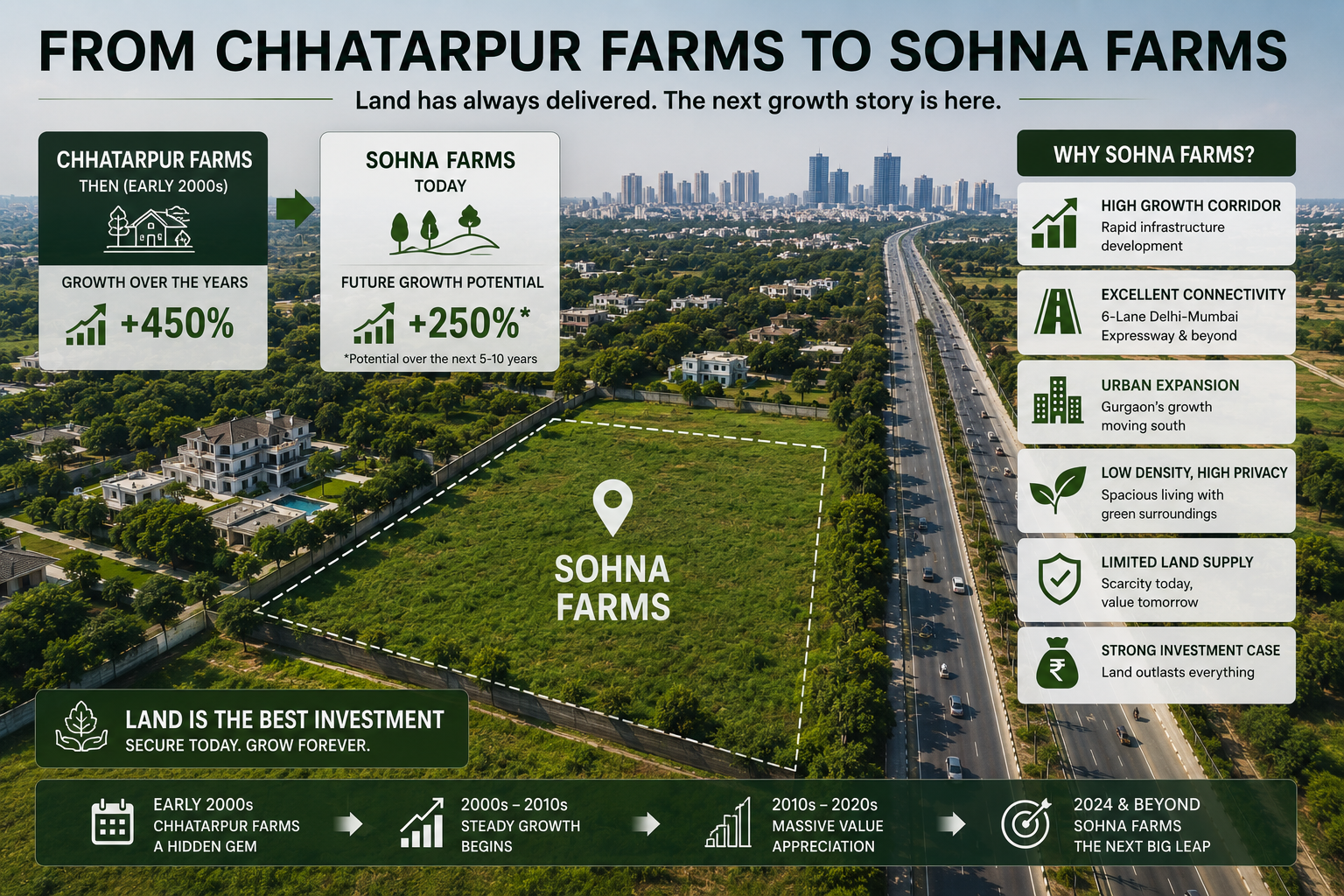
How Chhatarpur Farmhouses Created Multi-Crore Wealth for Early Buyers
What a quiet corner of South Delhi can teach investors about land, scarcity, and long-term wealth creation.

The ₹5 Crore Land Purchase That Became Worth ₹70 Crore
What the Story of DLF Chhatarpur Farms Reveals About Wealth Creation Through Premium Land Ownership
One short email. Stories you can use.
A free, occasional email from our editorial team with our latest features, explainers and reads. Unsubscribe any time — your email stays with us.