The Kerbside Compromise: How British Grocers Tamed Ultra-Fast Delivery
Having outlasted the venture-backed dark store mania, the UK's legacy supermarket chains are turning rapid delivery from an existential threat into an outsourced, fee-heavy revenue stream.

Outside a Sainsbury's Local on a damp Tuesday evening in south London, the pavement is occupied not by commuters picking up ready meals, but by a steady rotation of couriers straddling modified electric bicycles. Inside, store staff manoeuvre down tight aisles with dedicated picking handhelds, retrieving sourdough loaves and chilled prosecco alongside neighbourhood shoppers. It is a quiet, orderly scene that bears almost no resemblance to the apocalyptic prophecies delivered to retail boards four years ago, when well-capitalised dark-store operators promised to render traditional convenience stores obsolete.
The collapse of stand-alone quick-commerce operators across western Europe has settled the initial turf war. As capital dried up and consumer tolerance for subsidised delivery evaporated, the standalone micro-warehouse model crumbled under the weight of commercial rents, localized fleet overheads, and miserable basket sizes that rarely cleared £18. What remains is not the demise of sub-hour delivery, but its total co-optation by Britain’s entrenched grocers.
From Disruption to Distribution Utility
Rather than spending heavily to construct bespoke rapid-fulfilment networks, legacy operators have effectively turned their existing estate into hyper-local distribution centres. Tesco has steadily expanded its proprietary Whoosh service, targeting delivery within 30 minutes across thousands of convenience outlets, while simultaneously deepening its ties with third-party logistics aggregators. Sainsbury’s, Marks & Spencer, and Morrisons have struck sweeping arrangements with Deliveroo and Just Eat, treating the app operators not as existential rivals, but as flexible, outsourced courier fleets.
The arithmetic favoured the incumbents from the outset. Unlike pure-play rapid delivery startups that had to lease high-rent urban garages and carry solitary inventory lines with severe write-off risks, a supermarket convenience store already amortises its property costs across ordinary walk-in footfall. Every online order picked from the shelf represents incremental volume on an established supply chain, buffered by existing supplier rebates and disciplined wastage routines.
Quick commerce survived not by inventing a superior supply chain, but by grafting gig-economy courier capacity onto high-street retail footprints that were already paid for.
The platforms have had to adapt accordingly. Both Deliveroo and Just Eat have spent the past eighteen months courting non-grocery retail partners, piloting express runs with brands such as Boots, and testing collection mechanics for fashion returns with the likes of ASOS. Yet the core of rapid retail remains the grocers' chilled cabinet. For the platforms, grocery partnerships bolster transaction frequency during quiet weekday lunch and late-evening lulls; for the grocers, platform listings offer access to younger demographic tranches who rarely browse a physical store catalog.
The Margin Squeeze on Middle Britain
Yet the economics of quick commerce remain fragile for the consumer. With persistent cost-of-living pressures weighing on household budgets, British shoppers have grown ruthlessly discerning about added charges. A typical rapid-delivery basket carries an implicit premium: platform service fees, delivery charges ranging from £1.99 to £3.99, and item-level markups that can elevate shelf prices by 10 to 20 percent compared to an in-store shop.
Consequently, consumer usage has bifurcated. The fantasy of the £40 weekly family grocery run completed on demand has effectively vanished. In its place, rapid delivery has settled into two distinct purchasing behaviours: the urgent distress purchase—such as baby formula, cold remedies, or a forgotten dinner ingredient—and affluent, low-price-sensitivity indulgence, anchored by Marks & Spencer prepared meals and premium alcohol. For these missions, convenience comfortably outbids thrift.
Ocado has pursued an alternate technological path with its Zoom proposition, relying on compact, automated micro-sites rather than shop-floor picking. But scaling that capital-intensive infrastructure across provincial Britain remains slow work. For the foreseeable future, the UK's rapid-delivery market belongs to an uneasy compromise: legacy grocers supplying the stock and the property, platform algorithms orchestrating the riders, and time-poor urban consumers quietly paying the premium.
News Legacy maintains editorial independence. Some recommendations may contain affiliate links. We earn from qualifying purchases at no additional cost to you. Read our policy.
Read Next
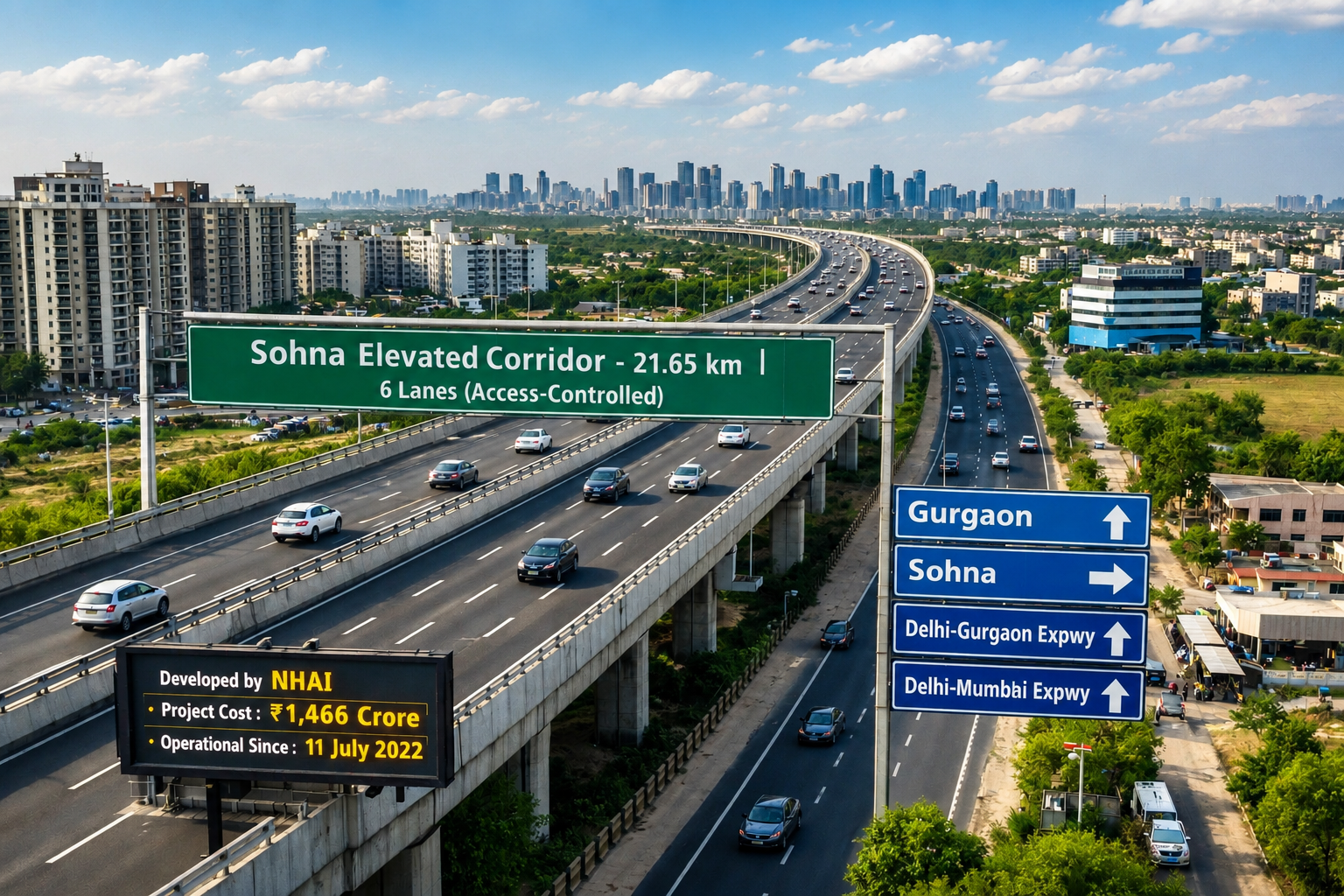
Is Sohna Really the Next Chhatarpur?
Three decades after Chhatarpur redrew South Delhi's map for space, privacy and exclusivity, a familiar pattern is now taking shape further south, and Sohna is where the smart money is beginning to look.
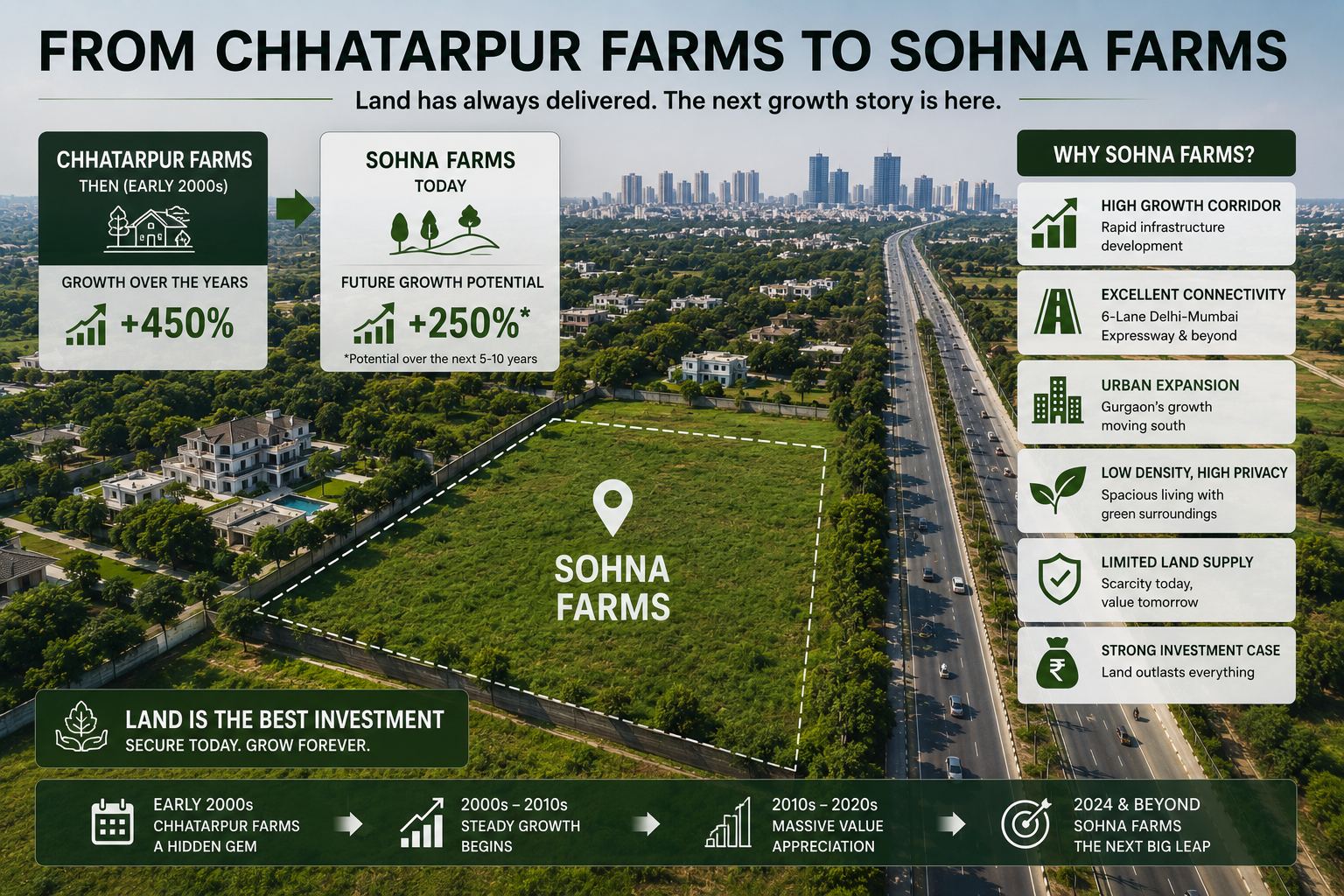
How Chhatarpur Farmhouses Created Multi-Crore Wealth for Early Buyers
What a quiet corner of South Delhi can teach investors about land, scarcity, and long-term wealth creation.
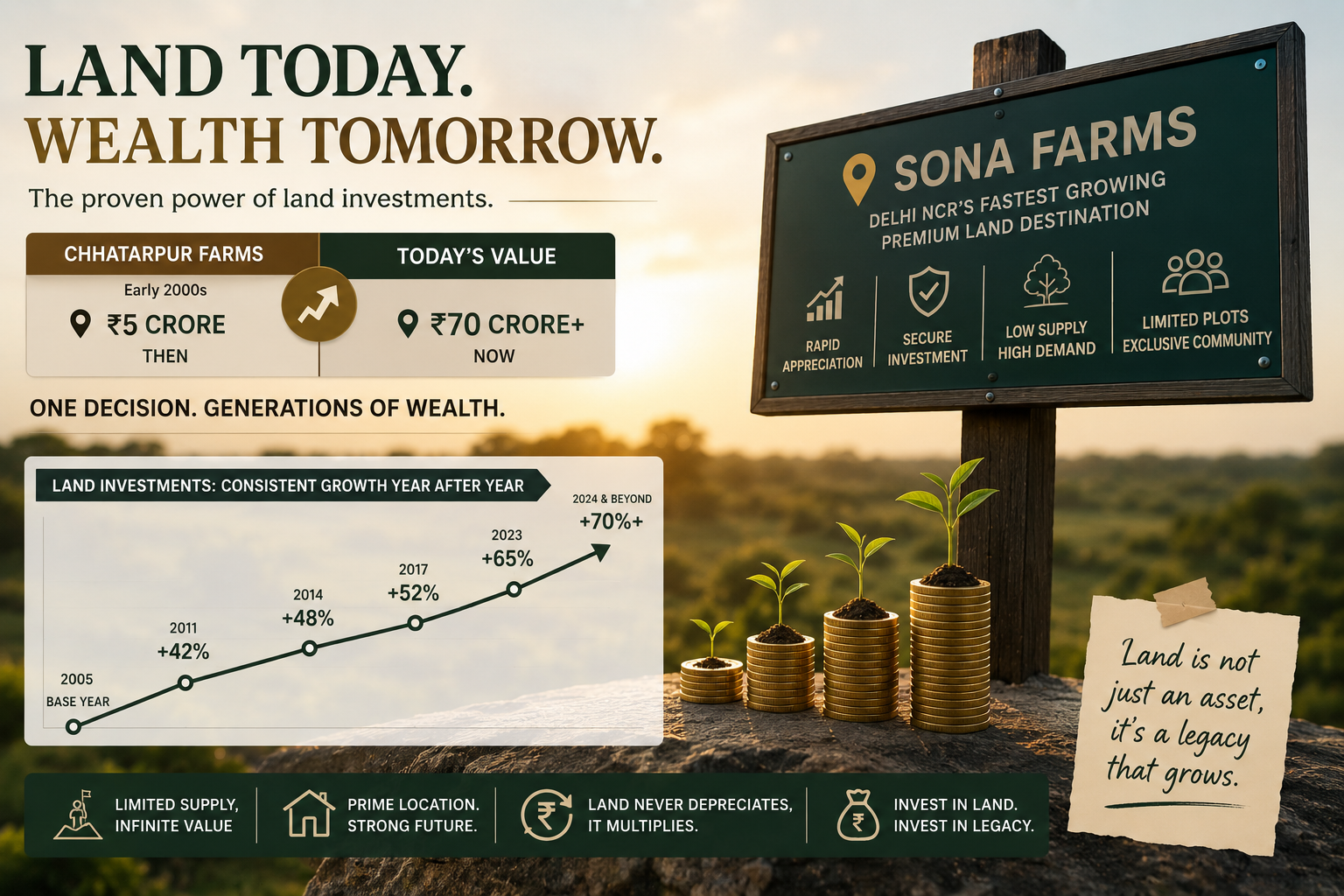
The ₹5 Crore Land Purchase That Became Worth ₹70 Crore
What the Story of DLF Chhatarpur Farms Reveals About Wealth Creation Through Premium Land Ownership
One short email. Stories you can use.
A free, occasional email from our editorial team with our latest features, explainers and reads. Unsubscribe any time — your email stays with us.