The Last-Mile Reckoning: Europe's Quick Commerce Sector Consolidates Amid Profit Pressures
European quick commerce platforms are navigating a challenging transition, moving beyond rapid expansion to focus on sustainable operational models. The emphasis has shifted from market share acquisition to profitability, prompting strategic divestments and revised service offerings across the continent.

Across Berlin's urban landscape, where Gorillas once promised groceries in minutes, the prominent brand has now largely faded, subsumed into Getir's operations following an acquisition valued at €1.2 billion in late 2022. This consolidation epitomises a significant shift within Europe's quick commerce sector, which, after a period of intense venture capital funding and aggressive expansion, now confronts the imperatives of financial viability and long-term sustainability.
The initial land grab saw companies like Flink, Getir, and the now-defunct Gorillas flood major European cities with riders and dark stores. They aimed to disrupt traditional grocery retail by compressing delivery times to under 15 minutes, appealing to a consumer base increasingly accustomed to instant gratification. However, the economic reality of maintaining such a service — high labour costs, fragmented order volumes, and the expensive urban real estate for micro-fulfilment centres — proved difficult to reconcile with a profitable business model.
The past year has been characterised by retrenchment. Getir, for instance, initiated a withdrawal from several markets, including France, Spain, and Italy, in the second half of 2023. These exits underscore the strategic decision to concentrate resources on core, higher-performing regions, predominantly Germany and the Netherlands, where population density and consumer behaviour might offer a more favourable unit economic outlook.
Operational Shifts and Retailer Integration
Traditional European retailers are also adjusting their positions within this evolving ecosystem. Supermarket chains like Carrefour and REWE, initially wary or experimental with quick commerce, are now either developing their own expedited delivery services or forming partnerships that leverage existing logistics networks. This often involves collaborating with third-party aggregators or adapting their physical store footprints for quicker order fulfilment, rather than relying solely on dedicated dark store models.
The narrative of rapid growth at any cost has given way to a disciplined pursuit of efficient logistics and customer retention, as capital markets scrutinise every operational expense.
The integration of quick commerce principles into broader e-commerce strategies is also observable among general merchandise players. While not direct quick commerce providers, platforms like Zalando, Allegro in Poland, and Bol.com in the Benelux region continually invest in optimising their delivery speeds and last-mile efficiency. This indirect competition pushes quick commerce specialists to maintain their speed advantage while also addressing pricing and product assortment.
Cross-Border Challenges and Niche Successes
Operating across diverse European markets presents distinct challenges. Regulatory environments vary significantly, affecting labour laws, urban planning permits for dark stores, and even pricing structures. The French market, for instance, has imposed stricter regulations on dark stores, reclassifying them as warehouses subject to specific zoning laws, which complicated operations for many players. Spain has also seen similar discussions regarding the urban impact of these facilities.
Despite these headwinds, certain segments and geographical pockets show resilience. Discounters like Lidl and Aldi, traditionally focused on in-store value, are cautiously exploring online delivery, often through partnerships. Vinted, the Lithuanian-founded second-hand fashion platform, demonstrates a different facet of European digital commerce success, prioritising community and sustainability over ultra-fast delivery, but still benefiting from efficient cross-border logistics across France, Germany, and Poland.
The immediate future of European quick commerce appears to involve further consolidation and a sharper focus on suburban expansion, where delivery economics may be more favourable than dense urban centres. The platforms that succeed are likely to be those that master not just speed, but also inventory management, sustainable pricing, and robust partnerships, moving beyond the initial promise of instant gratification to deliver consistent value.
News Legacy maintains editorial independence. Some recommendations may contain affiliate links. We earn from qualifying purchases at no additional cost to you. Read our policy.
Read Next

Is Sohna Really the Next Chhatarpur?
Three decades after Chhatarpur redrew South Delhi's map for space, privacy and exclusivity, a familiar pattern is now taking shape further south, and Sohna is where the smart money is beginning to look.
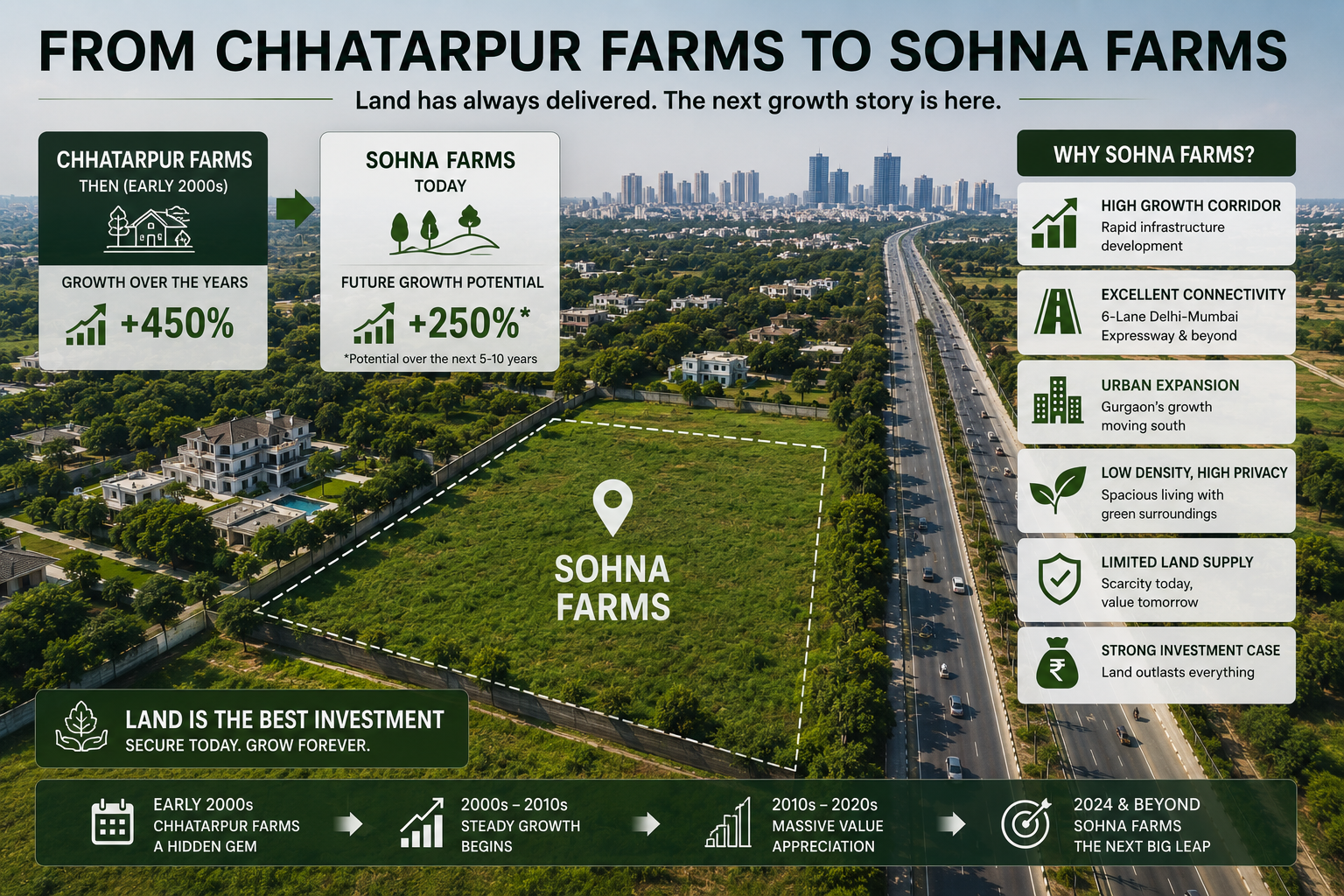
How Chhatarpur Farmhouses Created Multi-Crore Wealth for Early Buyers
What a quiet corner of South Delhi can teach investors about land, scarcity, and long-term wealth creation.
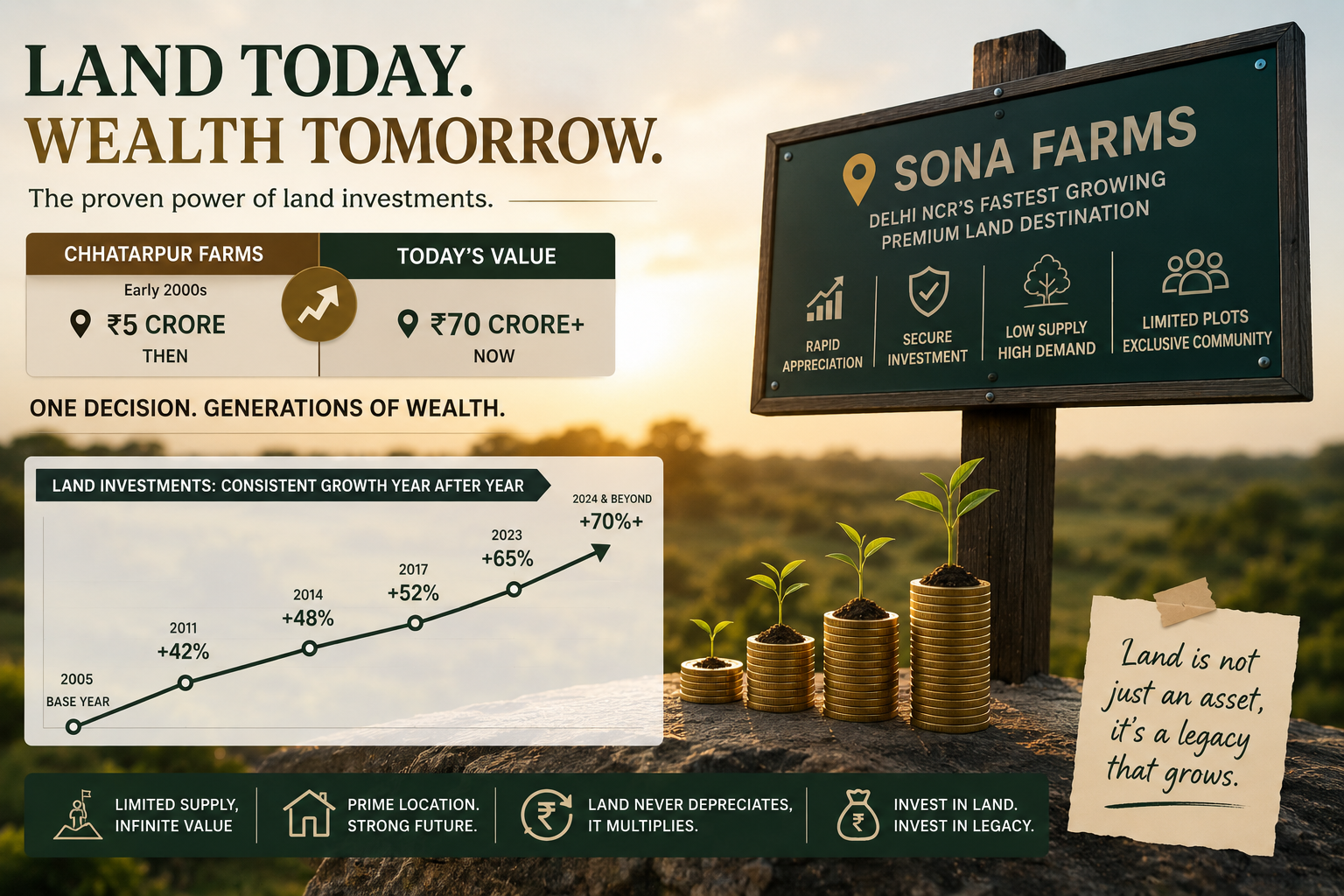
The ₹5 Crore Land Purchase That Became Worth ₹70 Crore
What the Story of DLF Chhatarpur Farms Reveals About Wealth Creation Through Premium Land Ownership
One short email. Stories you can use.
A free, occasional email from our editorial team with our latest features, explainers and reads. Unsubscribe any time — your email stays with us.