The Last-Mile Reckoning: Quick Commerce Consolidates in Europe
After a period of hyper-growth fuelled by venture capital, Europe's rapid delivery sector is entering a phase of strategic retrenchment, marked by consolidations and a renewed focus on profitability over sheer market share expansion.

At a logistics hub outside Berlin, a Flink delivery rider meticulously organises a backpack filled with groceries, ready for dispatch. This commonplace scene belies a deeper transformation within Europe's quick commerce landscape. What began as a land grab for market dominance, with companies like Gorillas (now absorbed by Getir) and Flink expanding aggressively across major European cities, is now evolving into a more measured pursuit of sustainable operating models. The initial blitz-scaling approach, often subsidised by substantial capital infusions, proved unsustainable for many, necessitating a pivot towards more economically viable strategies.
The pandemic-induced acceleration of online grocery and convenience delivery amplified investor interest, leading to valuations that, in retrospect, often outstripped underlying unit economics. Consumers, accustomed to near-instant gratification, embraced these services, yet the operational complexities of ultra-fast delivery, particularly in dense urban environments, presented persistent challenges. High labour costs, fragmented order volumes, and the inherent inefficiencies of small-batch delivery have pressured margins, forcing a re-evaluation of business models across the continent.
From Hyper-Growth to Rationalisation
Across the EU, evidence of this rationalisation is clear. Companies are narrowing their geographic focus, divesting underperforming dark stores, and increasingly exploring partnerships or outright acquisitions. The disappearance of independent players like Gorillas from the competitive landscape, absorbed by a larger rival, signals a maturing market where scale and operational efficiency are becoming paramount. This trend is not confined to Germany; similar dynamics are playing out in France, Spain, and Italy, where numerous local and international quick commerce ventures initially vied for consumer attention.
Traditional retail giants are also observing these shifts with keen interest, and in some cases, actively participating. Carrefour, for instance, has deepened its digital presence, integrating rapid delivery options, often leveraging existing store networks rather than building entirely new dark store infrastructure. This hybrid approach, combining brick-and-mortar assets with digital fulfilment, offers a potential pathway to profitability that pure-play quick commerce operators are still striving to perfect. The challenge lies in balancing speed with assortment and competitive pricing.
The cross-border dimension of European e-commerce further complicates the picture. While platforms like Zalando and Allegro have mastered fashion and general merchandise logistics across multiple countries, the hyper-local nature of quick commerce presents unique logistical hurdles. Navigating diverse labour laws, urban planning regulations, and consumer preferences from Stockholm to Seville adds layers of complexity that are not easily overcome by a one-size-fits-all approach. This regional fragmentation might favour national champions or strategic alliances over a single dominant pan-European quick commerce entity.
The quick commerce sector is now in an adolescent phase; the initial burst of energy is being channelled into more disciplined growth.
The Path to Profitability
For the remaining quick commerce players, the imperative is clear: demonstrate a credible path to profitability. This involves optimising routing algorithms, negotiating better terms with suppliers, and strategically adjusting pricing models. Some are exploring subscription services to build customer loyalty and predictability, while others are diversifying their offerings beyond groceries to include non-food items, capitalising on consumers' desire for immediate access to a broader range of products. The integration of advanced warehouse automation and AI-driven demand forecasting are also critical levers being pulled.
The next few years will likely see further consolidation, with a smaller number of well-capitalised and operationally adept players emerging as leaders. The question is whether they can transition from a venture capital-fueled model to one built on sustainable revenue generation, without compromising the speed and convenience that defined their initial appeal. The European consumer, having tasted the promise of instant delivery, will ultimately decide which models endure.
News Legacy maintains editorial independence. Some recommendations may contain affiliate links. We earn from qualifying purchases at no additional cost to you. Read our policy.
Read Next

Is Sohna Really the Next Chhatarpur?
Three decades after Chhatarpur redrew South Delhi's map for space, privacy and exclusivity, a familiar pattern is now taking shape further south, and Sohna is where the smart money is beginning to look.
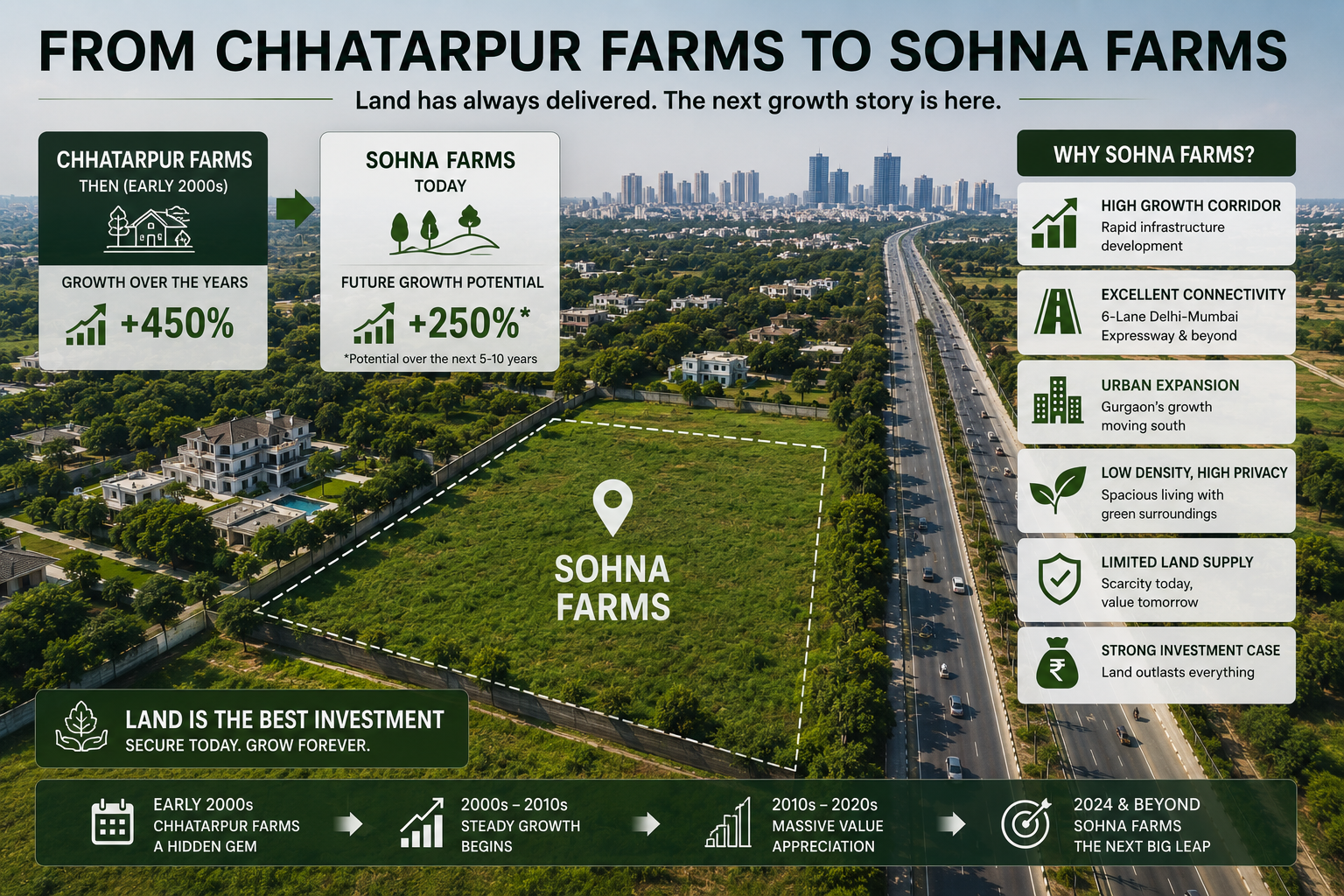
How Chhatarpur Farmhouses Created Multi-Crore Wealth for Early Buyers
What a quiet corner of South Delhi can teach investors about land, scarcity, and long-term wealth creation.
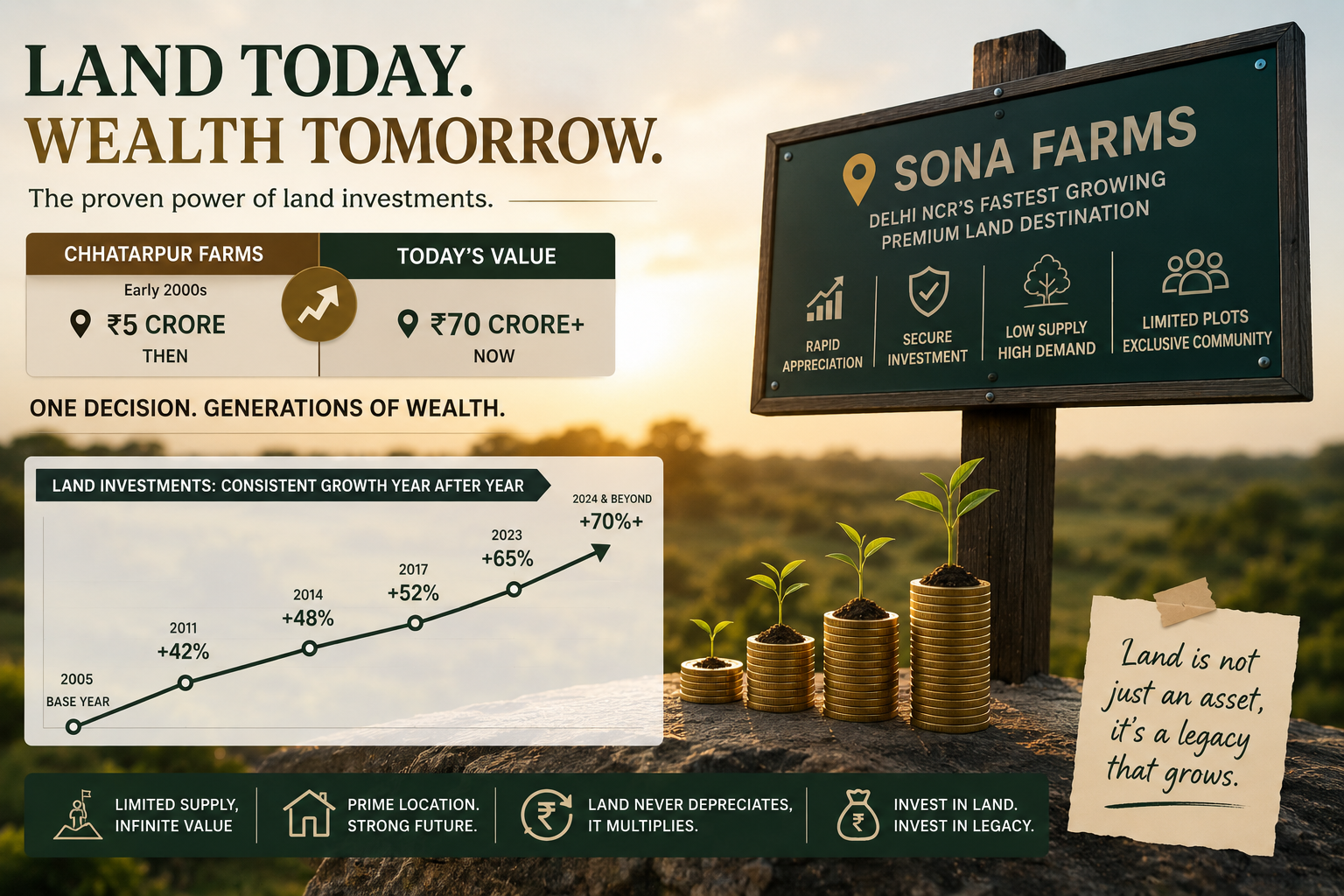
The ₹5 Crore Land Purchase That Became Worth ₹70 Crore
What the Story of DLF Chhatarpur Farms Reveals About Wealth Creation Through Premium Land Ownership
One short email. Stories you can use.
A free, occasional email from our editorial team with our latest features, explainers and reads. Unsubscribe any time — your email stays with us.